In the realm of technology, few innovations have captured the public’s imagination quite like artificial intelligence (AI). Among the most recognizable faces of AI is Siri, Apple’s virtual assistant, which has become a staple in many households and on countless devices. You may find yourself using Siri daily, whether to set reminders, send messages, or simply ask for the weather.
This seamless integration of AI into your daily life raises intriguing questions about the nature of intelligence itself and how machines can mimic human-like interactions. As you delve deeper into the world of Siri and AI, you will uncover the complexities and capabilities that define this fascinating technology. Siri represents a significant leap in how humans interact with machines.
It embodies the promise of AI: to enhance our lives by making technology more accessible and intuitive. As you explore Siri’s functionalities, you may begin to appreciate not only its convenience but also the underlying principles that govern its operation. The journey into understanding Siri and AI is not just about recognizing a tool; it’s about grasping the broader implications of how these technologies are reshaping communication, productivity, and even our understanding of intelligence itself.
Key Takeaways
- Siri is a virtual assistant developed by Apple that uses artificial intelligence to perform tasks and answer questions.
- Artificial Intelligence (AI) refers to the simulation of human intelligence in machines that are programmed to think and act like humans.
- Siri’s capabilities include voice recognition, natural language processing, and the ability to perform tasks such as setting reminders, sending messages, and providing information.
- The technology behind Siri involves machine learning, neural networks, and natural language understanding to improve its accuracy and performance.
- When compared to other AI systems like Alexa and Google Assistant, Siri has limitations in terms of third-party app integration and contextual understanding.
- Despite its limitations, the future of Siri and AI holds potential for advancements in natural language processing, personalized assistance, and improved user experiences.
- In conclusion, Siri is considered AI due to its ability to understand and respond to human language, perform tasks, and adapt to user preferences.
Definition of Artificial Intelligence
Artificial intelligence can be broadly defined as the simulation of human intelligence processes by machines, particularly computer systems. This encompasses a range of capabilities, including learning, reasoning, problem-solving, perception, and language understanding. When you think about AI, you might envision robots or complex algorithms, but at its core, AI is about creating systems that can perform tasks that typically require human intelligence.
This definition opens up a world of possibilities, as it encompasses everything from simple automation to advanced machine learning models that can adapt and improve over time. As you consider the various forms of AI, it becomes clear that the technology is not monolithic. There are two primary categories: narrow AI and general AI.
Narrow AI refers to systems designed to perform specific tasks—like Siri, which excels at voice recognition and responding to queries. In contrast, general AI would possess the ability to understand and reason across a wide range of topics, much like a human being. While we are still far from achieving general AI, narrow AI systems like Siri demonstrate how far technology has come in mimicking certain aspects of human cognition.
Siri’s Capabilities and Functions
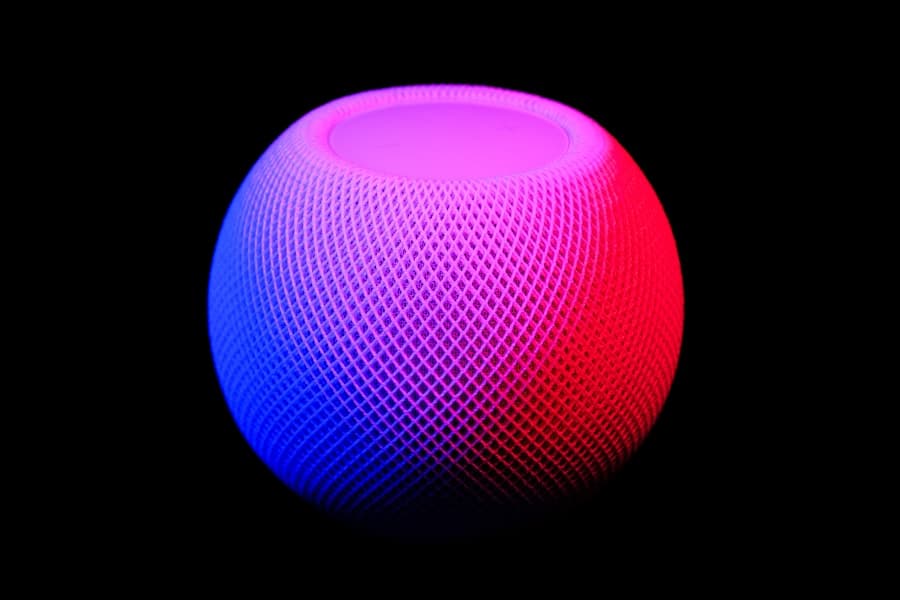
Siri is designed to assist you in a multitude of ways, making everyday tasks more manageable and efficient. One of its primary functions is voice recognition, allowing you to interact with your device hands-free. You can ask Siri to send texts, make calls, or even play your favorite music—all with simple voice commands.
This level of convenience transforms how you engage with technology, enabling a more fluid interaction that feels almost conversational. The ability to understand natural language means that you can speak to Siri as you would to a friend, making it an intuitive tool for users of all ages. Beyond basic commands, Siri also integrates with various applications and services to provide personalized assistance.
For instance, it can access your calendar to remind you of upcoming appointments or suggest routes based on your location. You might find yourself relying on Siri for quick information retrieval—whether it’s checking sports scores or finding nearby restaurants. This versatility showcases Siri’s role as not just a voice-activated assistant but as a digital companion that adapts to your needs and preferences over time.
The Technology Behind Siri
The technology that powers Siri is a complex interplay of various components, including natural language processing (NLP), machine learning algorithms, and cloud computing. At its core, NLP enables Siri to understand and interpret human speech, breaking down your spoken words into actionable commands. This process involves sophisticated algorithms that analyze syntax and semantics to derive meaning from your queries.
As you speak to Siri, it processes your input in real-time, striving to deliver accurate responses based on context and intent. Machine learning plays a crucial role in enhancing Siri’s capabilities over time. By analyzing vast amounts of data from user interactions, Siri can learn from past experiences and improve its performance.
This means that the more you use Siri, the better it becomes at understanding your preferences and speech patterns. Additionally, cloud computing allows Siri to access extensive databases and resources beyond your device’s limitations, enabling it to provide up-to-date information and services. This combination of technologies creates a powerful system that continually evolves to meet your needs.
Comparing Siri to Other AI Systems
When you compare Siri to other AI systems, such as Google Assistant or Amazon’s Alexa, you’ll notice both similarities and differences in functionality and user experience. Like Siri, these assistants utilize voice recognition and natural language processing to facilitate user interactions. However, each system has its unique strengths and weaknesses that cater to different user preferences.
For instance, Google Assistant is often praised for its superior search capabilities due to Google’s extensive data resources, while Alexa excels in smart home integration. Your choice between these AI systems may depend on your specific needs and the ecosystem you are already invested in. If you’re deeply integrated into Apple’s ecosystem with devices like iPhones and MacBooks, Siri may feel like the most natural choice for you.
On the other hand, if you have a smart home filled with Amazon devices, Alexa might be more appealing due to its compatibility with various smart home products. Ultimately, while all these systems share the common goal of enhancing user experience through AI, their approaches and functionalities can vary significantly.
Limitations of Siri as an AI

Internet Connectivity: A Necessary Evil
Siri’s dependency on the internet can be a major drawback, especially in areas with poor connectivity. This limitation can lead to delayed responses or even prevent Siri from functioning altogether.
Understanding Context and Nuance
Another limitation of Siri lies in its understanding of context and nuance in conversation. While it has made significant strides in natural language processing, it still struggles to grasp the subtleties of human language. This can lead to misinterpretation of requests or failure to provide accurate responses.
The Ongoing Challenge of Human Language
Siri’s limitations in understanding human language highlight the ongoing challenges in developing AI systems that can fully comprehend human language in all its complexity. This is particularly evident when using slang, idiomatic expressions, or asking questions with multiple meanings.
The Future of Siri and AI
As technology continues to advance at a rapid pace, the future of Siri and AI holds exciting possibilities. One area of development is improving natural language understanding so that virtual assistants can engage in more meaningful conversations with users. Imagine being able to have a back-and-forth dialogue with Siri that feels less like interacting with a machine and more like conversing with a knowledgeable friend.
This evolution could lead to more personalized experiences tailored specifically to your preferences and needs. Moreover, advancements in machine learning could enable Siri to anticipate your needs before you even articulate them. By analyzing patterns in your behavior and preferences over time, future iterations of Siri might proactively offer suggestions or reminders based on your routine.
This level of personalization could transform how you interact with technology, making it an even more integral part of your daily life. As AI continues to evolve, the potential for virtual assistants like Siri is boundless.
Is Siri considered AI?
In conclusion, whether or not you consider Siri to be true artificial intelligence depends on how you define intelligence itself. While it may not possess the full range of cognitive abilities associated with human intelligence—such as emotional understanding or creative thinking—it certainly embodies many aspects of narrow AI designed for specific tasks. Its ability to understand natural language, learn from user interactions, and provide personalized assistance showcases the remarkable advancements made in AI technology.
Ultimately, Siri serves as a testament to what artificial intelligence can achieve today while also highlighting the challenges that remain ahead. As you continue to engage with this technology in your daily life, you’ll likely find yourself pondering the implications of AI on society as a whole—how it shapes communication, influences decision-making, and even redefines what it means to be intelligent in an increasingly digital world. Whether you view Siri as merely a tool or as a glimpse into the future of intelligent machines is up to you; either way, its impact on our lives is undeniable.
There is a fascinating article on merging quantum computing with artificial intelligence that explores the potential of combining these two cutting-edge technologies. This article delves into how quantum AI could revolutionize various industries and enhance the capabilities of AI systems. It provides insights into the future possibilities of this integration and how it could shape the way we approach complex problems in the future.
FAQs
What is AI?
AI, or artificial intelligence, refers to the simulation of human intelligence processes by machines, especially computer systems. These processes include learning, reasoning, problem-solving, perception, and language understanding.
Does Siri count as AI?
Yes, Siri can be considered as AI. Siri is a virtual assistant that uses natural language processing and machine learning to understand and respond to user commands and questions. It is designed to perform tasks such as setting reminders, sending messages, making calls, and providing information based on user input.
How does Siri use AI?
Siri uses AI techniques such as natural language processing, machine learning, and speech recognition to understand and respond to user queries. It continuously learns from user interactions and improves its ability to understand and fulfill user requests over time.
What are some examples of AI in Siri?
Some examples of AI in Siri include its ability to understand natural language commands, its use of machine learning to improve its responses based on user interactions, and its ability to adapt to individual user preferences and habits. These AI techniques enable Siri to provide personalized and contextually relevant assistance to users.