As the world grapples with the escalating challenges of waste management, artificial intelligence (AI) emerges as a transformative force in this sector. You may have noticed that urban areas are increasingly overwhelmed by the sheer volume of waste generated daily. Traditional methods of waste management often fall short, leading to overflowing landfills and environmental degradation.
In this context, AI offers innovative solutions that not only enhance efficiency but also promote sustainability. By harnessing the power of data and machine learning, AI can revolutionize how we approach waste management, making it smarter and more effective. The integration of AI into waste management is not merely a trend; it represents a paradigm shift in how we think about waste.
You might be surprised to learn that AI technologies can analyze vast amounts of data to optimize processes, predict trends, and even automate tasks. This capability is particularly crucial as cities expand and populations grow, resulting in increased waste production. By leveraging AI, you can contribute to a more sustainable future, where waste is minimized, resources are conserved, and environmental impacts are mitigated.
Key Takeaways
- AI plays a crucial role in optimizing waste sorting and recycling processes, leading to increased efficiency and accuracy.
- AI solutions are being used to monitor and manage landfills, helping to improve safety and environmental impact.
- Waste collection and transportation are being improved through the use of AI, leading to better route optimization and resource allocation.
- AI has the potential to predict and prevent waste generation through data analysis and trend forecasting.
- While AI offers many benefits in waste management, there are also challenges and limitations to consider, such as cost and implementation barriers.
The Role of AI in Optimizing Waste Sorting and Recycling
One of the most significant applications of AI in waste management is its ability to optimize waste sorting and recycling processes. You may be aware that effective sorting is essential for maximizing recycling rates and minimizing contamination. Traditional sorting methods often rely on manual labor, which can be inefficient and prone to errors.
However, AI-powered systems can analyze materials with remarkable precision, identifying recyclables and contaminants more accurately than human workers. Imagine a smart sorting facility equipped with advanced computer vision technology. These systems can recognize different types of materials—plastic, metal, glass, and paper—at high speeds.
By automating the sorting process, you can significantly reduce labor costs and increase throughput. Moreover, AI algorithms can continuously learn from the data they collect, improving their accuracy over time. This means that as you implement AI solutions in your waste management operations, you can expect ongoing enhancements in efficiency and effectiveness.
AI Solutions for Monitoring and Managing Landfills
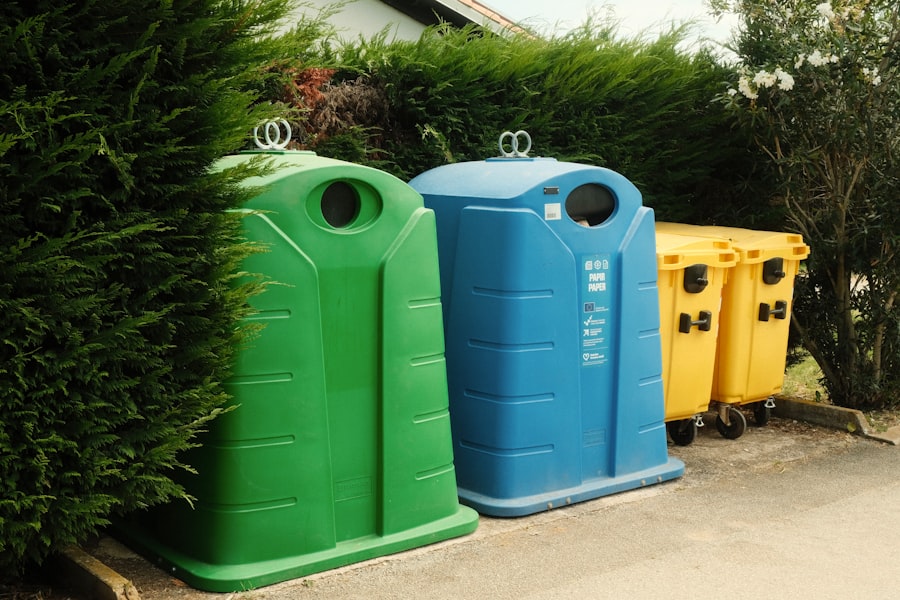
Landfills are a critical component of waste management systems, yet they pose significant environmental challenges. You might be surprised to learn that AI can play a vital role in monitoring and managing these sites more effectively. By utilizing sensors and data analytics, AI can provide real-time insights into landfill conditions, helping operators make informed decisions about maintenance and operations.
For instance, AI can analyze data from various sources, such as satellite imagery and ground sensors, to monitor landfill expansion and detect potential hazards. This proactive approach allows you to address issues before they escalate, reducing the risk of environmental contamination. Additionally, AI can optimize landfill operations by predicting when certain areas will reach capacity, enabling better planning for waste disposal and resource allocation.
Using AI to Improve Waste Collection and Transportation
The logistics of waste collection and transportation are often complex and resource-intensive. You may have experienced delays or inefficiencies in waste collection services in your community. Fortunately, AI can streamline these processes by optimizing routes and schedules based on real-time data.
By analyzing factors such as traffic patterns, weather conditions, and waste generation trends, AI algorithms can determine the most efficient collection routes. Imagine a scenario where waste collection vehicles are equipped with AI-driven navigation systems that adapt in real-time to changing conditions. This not only reduces fuel consumption but also minimizes the carbon footprint associated with waste transportation.
Furthermore, AI can help you predict peak waste generation times, allowing for better resource allocation and ensuring that collection services meet community needs effectively.
AI’s Potential in Predicting and Preventing Waste Generation
One of the most exciting prospects of AI in waste management is its potential to predict and prevent waste generation altogether. You may not realize that understanding patterns in consumer behavior and waste production can lead to more sustainable practices. By analyzing historical data and trends, AI can identify factors that contribute to increased waste generation, enabling you to implement targeted interventions.
For example, AI can analyze purchasing patterns in retail environments to forecast when certain products are likely to become waste. Armed with this information, businesses can adjust their inventory management practices or promote recycling initiatives to reduce excess waste. Additionally, municipalities can use predictive analytics to develop educational campaigns aimed at reducing single-use plastics or encouraging composting practices among residents.
Challenges and Limitations of AI in Waste Management

Despite the numerous benefits that AI brings to waste management, there are also challenges and limitations that must be addressed. You may encounter concerns regarding data privacy and security as AI systems rely on vast amounts of data for analysis. Ensuring that sensitive information is protected while still leveraging data for optimization is a delicate balance that requires careful consideration.
Moreover, the implementation of AI technologies often requires significant investment in infrastructure and training. You might find that smaller municipalities or organizations struggle to adopt these advanced solutions due to budget constraints or a lack of technical expertise. Additionally, there is the challenge of integrating AI systems with existing waste management practices, which may require a cultural shift within organizations.
Case Studies and Success Stories of AI Implementation in Waste Management
To illustrate the effectiveness of AI in waste management, consider several case studies that highlight successful implementations around the globe. In one notable example, a city in Europe adopted an AI-driven waste sorting system that increased recycling rates by over 30% within the first year of operation. By automating the sorting process and reducing contamination levels, the city not only improved its recycling performance but also set a benchmark for other municipalities to follow.
Another success story comes from a major metropolitan area that implemented an AI-based route optimization system for its waste collection fleet. By analyzing traffic patterns and historical data on waste generation, the city was able to reduce fuel consumption by 20% while maintaining service quality. This not only resulted in cost savings but also contributed to the city’s sustainability goals by lowering greenhouse gas emissions associated with waste transportation.
The Future of AI in Waste Management: Opportunities and Innovations
Looking ahead, the future of AI in waste management is filled with opportunities for innovation and improvement. As technology continues to evolve, you can expect even more sophisticated solutions that enhance efficiency and sustainability. For instance, advancements in machine learning could lead to more accurate predictive models for waste generation, allowing communities to proactively address potential issues before they arise.
Moreover, as public awareness of environmental issues grows, there will likely be increased demand for transparent reporting on waste management practices. You may find that AI can play a crucial role in providing real-time data analytics that inform stakeholders about recycling rates, landfill conditions, and overall waste management performance. This transparency will not only foster trust within communities but also encourage greater participation in recycling initiatives.
In conclusion, the integration of AI into waste management represents a significant step forward in addressing one of the most pressing challenges of our time. By optimizing sorting processes, improving landfill management, enhancing collection logistics, predicting waste generation patterns, and overcoming existing challenges, you can contribute to a more sustainable future. As you explore the potential of AI in this field, consider how these innovations can transform your approach to waste management and create lasting positive impacts on your community and the environment at large.
In a related article discussing the advancements of AI technology, “Which Country Has the Most Advanced AI?” explores the global landscape of artificial intelligence development. This article delves into the various countries leading the way in AI innovation and how they are utilizing this technology to address complex challenges. To read more about the intersection of AI and waste management, check out Which Country Has the Most Advanced AI?.
FAQs
What is waste management?
Waste management refers to the collection, transportation, processing, recycling, and disposal of waste materials. It aims to reduce the negative impact of waste on the environment and public health.
How can AI be used in waste management?
AI can be used in waste management for various purposes such as optimizing waste collection routes, identifying recyclable materials, monitoring landfill sites, and predicting waste generation patterns.
What are the benefits of using AI in waste management?
Using AI in waste management can lead to improved efficiency in waste collection and processing, reduced environmental impact, better resource utilization, and cost savings for waste management companies.
What are some examples of AI applications in waste management?
Some examples of AI applications in waste management include smart waste bins that can automatically sort and compact waste, predictive analytics for waste generation, and autonomous waste collection vehicles.
What are the challenges of implementing AI in waste management?
Challenges of implementing AI in waste management include the initial investment costs, data privacy and security concerns, and the need for skilled personnel to manage and interpret the AI systems.
How can AI contribute to a clean future in waste management?
AI can contribute to a clean future in waste management by enabling more efficient and sustainable waste collection and processing, reducing the amount of waste sent to landfills, and promoting recycling and resource recovery.