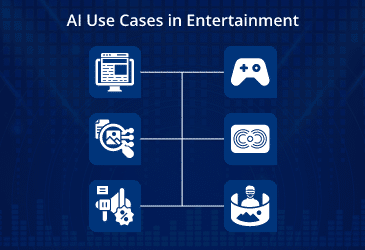
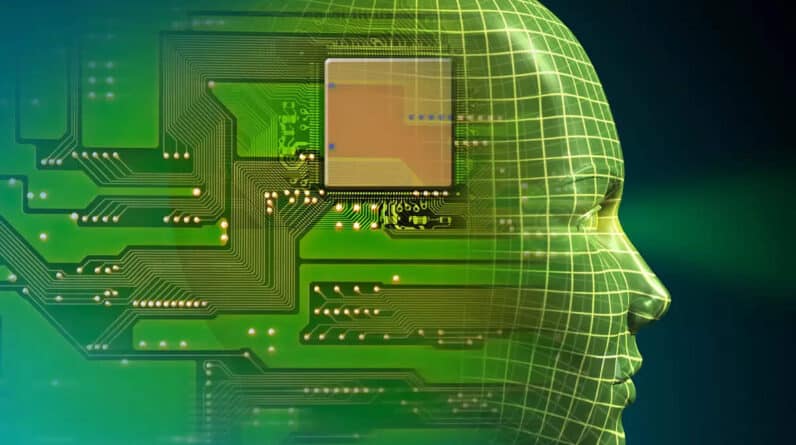
Ever wondered how AI is transforming the world of entertainment? Look no further! This article explores the exciting ways in which artificial intelligence is revolutionizing scriptwriting, gaming, and special effects. With AI algorithms that can generate scripts, virtual reality experiences that blur the line between reality and fantasy, and sophisticated visual effects powered by machine learning, the possibilities for creativity in the entertainment industry are endless. So, grab your popcorn and get ready to be amazed by the magic of AI in entertainment!

Scriptwriting
AI-based virtual writing assistants
In the world of scriptwriting, having a reliable writing assistant can make all the difference. AI-powered virtual writing assistants are revolutionizing the way screenwriters, playwrights, and other creative writers work. These intelligent assistants can help you brainstorm ideas, develop characters, and even suggest dialogue options. With their advanced algorithms and machine learning capabilities, virtual writing assistants can analyze existing scripts and provide valuable insights to enhance your writing process. Whether you’re a seasoned writer or just starting out, AI-based virtual writing assistants can provide valuable support and take your scripts to new heights.
Automated dialogue generation
Writing realistic and compelling dialogues is often a challenging task for scriptwriters. However, with the advent of AI, automated dialogue generation has become a powerful tool in the entertainment industry. AI algorithms can process large databases of scripts, learning from patterns and analyzing language usage to generate believable dialogues. By inputting the desired context, tone, and characters’ traits, the AI can generate conversation options that align with the story and characters’ personalities. This AI-driven approach not only saves time but also provides writers with dynamic dialogue options that can bring their scripts to life.
AI-based story generation
Creating captivating storylines is at the heart of any compelling script. AI-based story generation algorithms are now enabling scriptwriters to go beyond traditional storytelling boundaries. By leveraging machine learning and natural language processing, these algorithms can analyze vast amounts of narrative data and generate unique story ideas and plotlines. This technology can help writers overcome creative blocks and inspire new directions for their scripts. With the help of AI, scriptwriters can unlock a whole new realm of storytelling possibilities and create truly immersive narratives that captivate audiences.

Gaming
AI-powered game development
AI-powered game development is transforming the gaming industry. By utilizing AI, game developers can create smarter and more dynamic gameplay experiences. AI algorithms can analyze player behavior and adapt the game’s mechanics, challenges, and rewards accordingly. This ensures that the game always remains challenging and engaging, even as players progress. Additionally, AI can enhance game graphics, optimize performance, and streamline development processes, leading to more realistic and immersive gaming experiences.
Procedural content generation
Procedural content generation is an innovative technique that leverages AI to create vast and diverse game worlds. Instead of manually designing every single element in a game, AI algorithms can generate content on the fly, ensuring that each playthrough feels unique. From landscapes and environments to objects, characters, and quests, procedural content generation allows game developers to create dynamic and ever-changing gaming experiences. This not only reduces development time but also keeps players engaged and excited to explore the game’s world.
Realistic non-player characters (NPCs)
Non-player characters (NPCs) play a crucial role in bringing virtual game worlds to life. With AI, game developers can create more realistic and intelligent NPCs that interact with players in sophisticated ways. AI algorithms can analyze player behavior and adapt NPCs’ responses and actions accordingly. This makes the gaming experience more immersive and lifelike, as players engage with NPCs that feel more human-like. Additionally, AI can enable NPCs to learn from players’ actions, allowing them to evolve and offer unique experiences to each player.
Dynamic game difficulty balancing
Balancing the difficulty of a game is a delicate task. Players should be challenged enough to keep them motivated, but not so much that the game becomes frustrating. Dynamic game difficulty balancing, powered by AI, addresses this challenge. AI algorithms can continuously analyze player performance and adjust the game’s difficulty level in real-time. This ensures that players are always presented with suitable challenges that match their skill level, maximizing enjoyment and engagement. With dynamic game difficulty balancing, AI is revolutionizing the gaming industry by personalizing the gameplay experience for each player.

Special Effects
AI-based visual effects
Special effects have always been integral to the world of filmmaking. AI-based visual effects are taking this art to new heights, allowing filmmakers to create stunning and realistic visuals. AI algorithms can analyze existing footage and generate high-quality special effects that seamlessly integrate with the scene. From explosions and weather effects to complex and intricate animations, AI can enhance the visual appeal of films by automating and streamlining the special effects creation process. With AI-based visual effects, filmmakers have more creative freedom and can bring their imaginative visions to life in ways never before possible.
Motion capture and animation
Motion capture technology has revolutionized the animation industry, enabling filmmakers to bring animated characters to life with realistic movements and expressions. AI plays a crucial role in this process by analyzing motion capture data and refining it to create fluid and lifelike animations. By training AI algorithms on vast databases of human movement, animators can achieve more accurate and natural-looking animations. This technology has not only simplified the animation process but has also elevated the quality and realism of animated films.
Facial recognition for CGI
Facial recognition technology has made significant advancements in recent years, and it has found its way into the world of CGI. AI algorithms can examine actors’ facial expressions and movements to create highly detailed and lifelike computer-generated characters. By analyzing emotional cues and microexpressions, AI can recreate realistic facial animations, giving these CGI characters depth and authenticity. This technology has opened up new possibilities in storytelling, allowing filmmakers to seamlessly blend live-action performances with computer-generated characters.
Real-time rendering and simulations
Real-time rendering and simulations are vital tools in the production of films and video games. AI-powered algorithms can optimize the rendering process, reducing rendering times and improving efficiency. This technology enables filmmakers and game developers to preview scenes, apply visual effects, and make adjustments in real-time, speeding up the production process and reducing costs. Furthermore, AI can simulate physics, reactions, and behaviors with astonishing accuracy, enhancing the realism of CGI characters and objects. Real-time rendering and simulations powered by AI are revolutionizing the special effects industry, enabling artists and creators to push the boundaries of creativity.