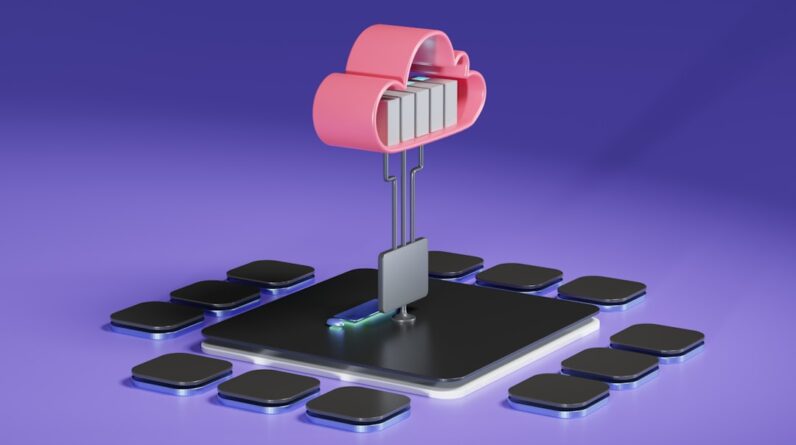
In recent years, you may have noticed a significant shift in the workplace landscape, driven largely by the rise of automation. This transformation is not merely a trend; it represents a fundamental change in how work is performed across various industries. From manufacturing to service sectors, automation technologies such as robotics, machine learning, and artificial intelligence (AI) are becoming increasingly prevalent.
You might find that tasks once performed by humans are now being executed by machines with remarkable efficiency and precision. This shift is not just about replacing human labor; it’s about enhancing productivity and streamlining operations. As you observe this evolution, it’s essential to recognize the factors fueling the rise of automation.
Businesses are constantly seeking ways to reduce costs and improve efficiency, and automation offers a compelling solution. With the ability to operate around the clock without fatigue, machines can perform repetitive tasks faster and more accurately than their human counterparts. This has led to a growing reliance on automated systems, which can handle everything from data entry to complex manufacturing processes.
As you consider the implications of this trend, it becomes clear that automation is reshaping the very fabric of work, prompting both excitement and concern about what the future holds.
Key Takeaways
- Automation is on the rise in the workplace, leading to changes in job roles and responsibilities.
- AI is impacting job displacement, leading to the need for reskilling and upskilling of the workforce.
- Reskilling and upskilling are essential for preparing the workforce for the future of work in an automated environment.
- AI is also creating new job opportunities, emphasizing the importance of adapting to the automation revolution.
- Ethical considerations in AI and the future of work are crucial, as well as finding a balance between automation and human labor.
The Impact of AI on Job Displacement
As automation continues to permeate various sectors, you may be wondering about its impact on job displacement. The introduction of AI technologies has raised valid concerns regarding the future of employment. Many fear that as machines become more capable, they will render certain jobs obsolete, leading to widespread unemployment.
You might find it unsettling to think about how roles that once provided stability and income could vanish in the face of advancing technology. Indeed, studies have shown that jobs involving routine tasks are particularly vulnerable to automation, which can create a sense of uncertainty for workers in those fields. However, it’s crucial to approach this issue with a nuanced perspective.
While AI may displace certain jobs, it also has the potential to transform existing roles and create new opportunities. You may have heard discussions about the “creative destruction” phenomenon, where old jobs are replaced by new ones that require different skills. This means that while some positions may disappear, others will emerge that demand a more sophisticated skill set.
As you navigate this changing landscape, it’s important to stay informed about which industries are most affected and to consider how you can adapt your skills to remain relevant in an evolving job market.
Reskilling and Upskilling the Workforce for the Future
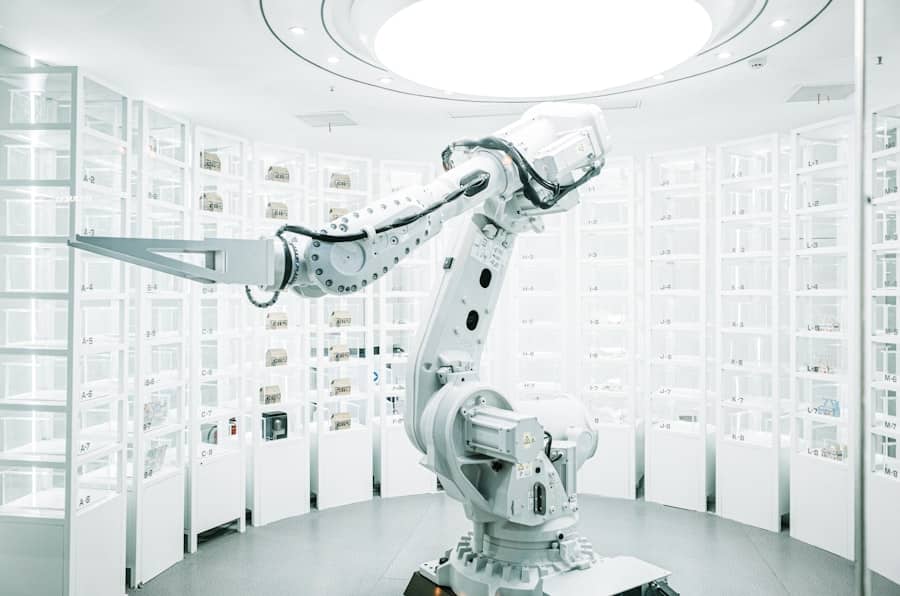
In light of the changes brought about by automation and AI, reskilling and upskilling have become essential strategies for workers looking to thrive in the future job market. You may find yourself contemplating how to enhance your skill set to meet the demands of an increasingly automated world. Reskilling involves learning new skills for a different job or industry, while upskilling focuses on improving existing skills to advance in your current role.
Both approaches are vital for ensuring that you remain competitive and adaptable in a rapidly changing environment. Organizations are beginning to recognize the importance of investing in their workforce through training programs and educational initiatives. You might see companies partnering with educational institutions or offering in-house training sessions to help employees acquire new competencies.
This investment not only benefits individual workers but also enhances overall organizational performance. As you consider your own career trajectory, think about how you can take advantage of these opportunities for growth. Whether through formal education or self-directed learning, embracing a mindset of continuous improvement will be key to navigating the future of work.
The Role of AI in Creating New Job Opportunities
While concerns about job displacement are valid, it’s equally important to acknowledge the role of AI in creating new job opportunities. As you explore this dynamic landscape, you may discover that AI is not just a threat but also a catalyst for innovation and growth. New technologies often give rise to entirely new industries and job categories that didn’t exist before.
For instance, as businesses adopt AI-driven solutions, there is an increasing demand for professionals who can develop, implement, and maintain these systems. You might find yourself intrigued by emerging fields such as data science, machine learning engineering, and AI ethics. These roles require specialized knowledge and skills that are becoming increasingly valuable in today’s job market.
Moreover, as companies seek to leverage AI effectively, they will need individuals who can bridge the gap between technology and human experience—those who can interpret data insights and translate them into actionable strategies. By staying informed about these trends and actively seeking opportunities in these burgeoning fields, you can position yourself for success in an evolving workforce.
Ethical Considerations in AI and the Future of Work
As you delve deeper into the implications of AI in the workplace, it’s essential to consider the ethical considerations surrounding its implementation. The rapid advancement of AI technologies raises important questions about fairness, accountability, and transparency. You may find yourself pondering issues such as bias in algorithms or the potential for surveillance in automated systems.
These ethical dilemmas highlight the need for responsible AI development and deployment practices that prioritize human rights and dignity. Moreover, as organizations increasingly rely on AI for decision-making processes, it becomes crucial to ensure that these systems are designed with ethical principles in mind. You might be interested in exploring how companies can establish guidelines for ethical AI use, including regular audits and assessments to identify potential biases or unintended consequences.
By advocating for ethical practices in AI development, you can contribute to shaping a future where technology serves humanity rather than undermines it.
Balancing Automation with Human Labor
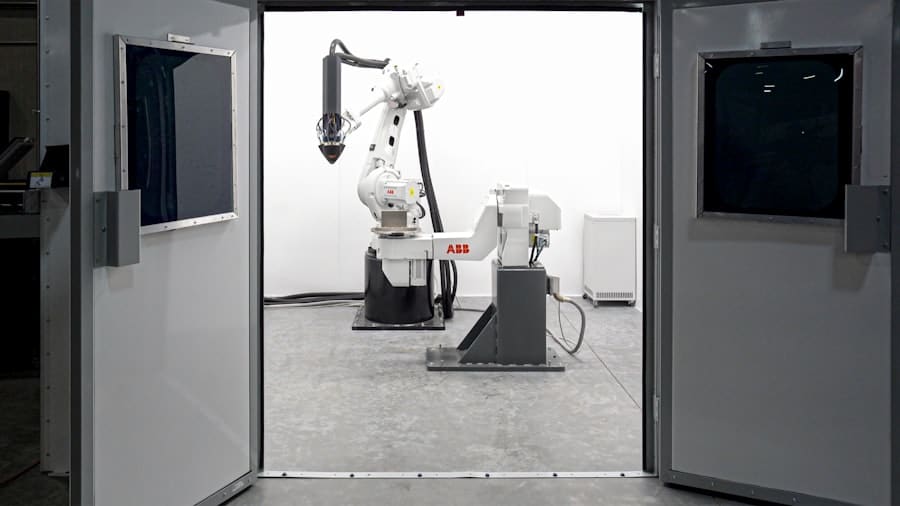
In navigating the rise of automation, finding a balance between technology and human labor is paramount. You may have observed that while machines excel at performing repetitive tasks, there are aspects of work that require uniquely human qualities such as creativity, empathy, and critical thinking. As you consider your own role in this evolving landscape, it’s important to recognize where your strengths lie and how they complement automated systems.
Organizations that successfully integrate automation with human labor often do so by leveraging technology to enhance rather than replace human capabilities. For instance, you might see examples where AI tools assist employees in making data-driven decisions or streamline workflows without eliminating jobs altogether. This collaborative approach not only maximizes productivity but also fosters a more engaged workforce.
As you reflect on your career path, think about how you can position yourself as an asset in this collaborative environment by honing skills that machines cannot replicate.
The Importance of Collaboration between Humans and AI
As automation becomes more integrated into daily operations, collaboration between humans and AI will be essential for achieving optimal outcomes. You may find it fascinating how this partnership can lead to innovative solutions that neither humans nor machines could achieve alone. By combining human intuition and creativity with AI’s analytical capabilities, organizations can unlock new levels of efficiency and effectiveness.
In practice, this collaboration might manifest in various ways—such as using AI algorithms to analyze vast amounts of data while humans interpret those insights within a broader context. You might also see scenarios where AI assists in routine tasks, allowing employees to focus on higher-level strategic initiatives that require human judgment and expertise. Embracing this collaborative mindset will be crucial as you navigate your career in an increasingly automated world.
Embracing Change: Adapting to the Automation Revolution
As you reflect on the ongoing automation revolution, embracing change will be vital for your personal and professional growth. The landscape of work is evolving at an unprecedented pace, and those who adapt will thrive amidst uncertainty. You may feel apprehensive about these changes; however, viewing them as opportunities rather than threats can empower you to take proactive steps toward your future.
To successfully navigate this transformation, consider adopting a growth mindset—one that encourages continuous learning and adaptability. Stay informed about industry trends and emerging technologies relevant to your field. Engage in networking opportunities and seek mentorship from those who have successfully navigated similar transitions.
By actively participating in your own development and remaining open to new possibilities, you can position yourself as a resilient professional ready to embrace whatever challenges lie ahead in this era of automation. In conclusion, as you navigate the complexities of automation in the workplace, remember that change is not inherently negative; rather, it presents opportunities for growth and innovation. By understanding the implications of AI on job displacement, prioritizing reskilling efforts, advocating for ethical practices, and embracing collaboration between humans and machines, you can carve out a successful path in an ever-evolving job market.
Embrace this revolution with curiosity and determination—your future self will thank you for it.
In a related article discussing the impact of AI on various industries, “AI in Finance: Revolutionizing Banking, Trading, and Fraud Detection” explores how artificial intelligence is transforming the financial sector. The article highlights the ways in which AI is being used to streamline banking operations, improve trading strategies, and enhance fraud detection techniques. To learn more about the role of AI in finance, you can read the full article here.
FAQs
What is AI and the Future of Work: Embracing the Automation Revolution about?
AI and the Future of Work: Embracing the Automation Revolution is an article that discusses the impact of artificial intelligence (AI) on the future of work and the need for embracing the automation revolution.
What is artificial intelligence (AI)?
Artificial intelligence (AI) refers to the simulation of human intelligence processes by machines, particularly computer systems. These processes include learning, reasoning, and self-correction.
How is AI impacting the future of work?
AI is impacting the future of work by automating routine tasks, increasing efficiency, and creating new job opportunities in fields such as data analysis, machine learning, and AI development.
Why is it important to embrace the automation revolution?
Embracing the automation revolution is important because it allows businesses to stay competitive, improve productivity, and create new opportunities for innovation and growth.
What are some potential challenges of AI in the future of work?
Some potential challenges of AI in the future of work include job displacement, the need for retraining and upskilling workers, and ethical considerations surrounding AI use.
How can businesses prepare for the automation revolution?
Businesses can prepare for the automation revolution by investing in AI technologies, retraining their workforce, and adapting their business models to take advantage of the opportunities presented by AI.