As you step into the world of agriculture today, you may find it hard to ignore the profound impact that artificial intelligence (AI) is having on this age-old industry. The integration of AI technologies into farming practices is not merely a trend; it represents a significant shift in how food is produced, managed, and distributed. With the global population projected to reach nearly 10 billion by 2050, the demand for food is escalating at an unprecedented rate.
This scenario presents a unique challenge for farmers and agricultural stakeholders, who must find innovative ways to increase productivity while ensuring sustainability. AI emerges as a powerful ally in this quest, offering solutions that can enhance efficiency, reduce waste, and optimize resource use. In this context, AI encompasses a range of technologies, including machine learning, data analytics, robotics, and computer vision.
These tools enable farmers to make data-driven decisions that can lead to improved crop yields and better resource management. As you delve deeper into the applications of AI in agriculture, you will discover how these technologies are transforming traditional farming practices into smart, data-centric operations. The journey into AI in agriculture is not just about technology; it’s about reimagining the future of food production and addressing the pressing challenges of our time.
Key Takeaways
- AI in agriculture has the potential to revolutionize the industry by improving efficiency, productivity, and sustainability.
- The benefits of AI in agriculture include precision farming, crop monitoring, yield prediction, and livestock management.
- AI applications in agriculture range from autonomous tractors and drones to predictive analytics and smart irrigation systems.
- Challenges and limitations of AI in agriculture include high initial costs, data privacy concerns, and the need for specialized technical skills.
- Case studies of successful AI implementation in agriculture showcase increased yields, reduced resource usage, and improved decision-making for farmers.
Benefits of AI in Agriculture
The benefits of AI in agriculture are manifold, and they extend beyond mere efficiency gains. One of the most significant advantages is the ability to analyze vast amounts of data quickly and accurately. With AI algorithms, farmers can process information from various sources—such as weather patterns, soil conditions, and crop health—allowing them to make informed decisions that can lead to higher yields.
For instance, predictive analytics can help you anticipate pest infestations or disease outbreaks before they become critical, enabling timely interventions that can save crops and resources. Moreover, AI can significantly reduce operational costs. By automating routine tasks such as planting, watering, and harvesting, farmers can allocate their labor more effectively and focus on strategic decision-making.
Drones equipped with AI technology can monitor crop health from above, providing real-time insights that help you optimize irrigation and fertilization schedules. This not only conserves water and reduces chemical usage but also enhances the overall sustainability of farming practices. As you explore these benefits further, it becomes clear that AI is not just a tool for efficiency; it is a catalyst for a more sustainable agricultural future.
Applications of AI in Agriculture
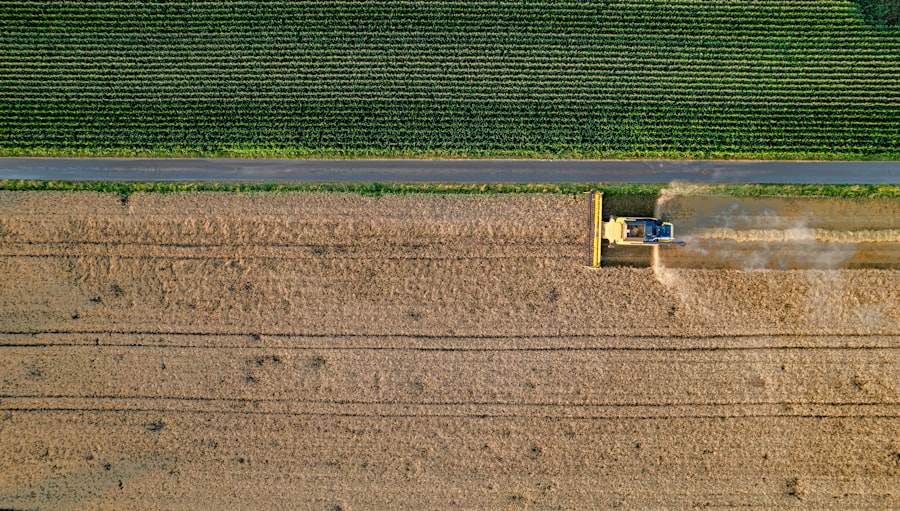
The applications of AI in agriculture are diverse and continually evolving. One prominent area is precision agriculture, where AI technologies are used to tailor farming practices to specific field conditions. By utilizing sensors and satellite imagery, you can gather detailed information about soil moisture levels, nutrient content, and crop health.
This data allows for targeted interventions that maximize productivity while minimizing waste. For example, variable rate technology enables you to apply fertilizers and pesticides only where they are needed, reducing costs and environmental impact. Another exciting application is in livestock management.
AI systems can monitor animal health and behavior through wearable devices that track vital signs and activity levels. This data helps you identify health issues early on, ensuring timely veterinary care and improving overall herd productivity. Additionally, AI-driven analytics can optimize feeding practices by analyzing dietary needs based on growth stages and environmental conditions.
As you consider these applications, it becomes evident that AI is revolutionizing not just crop production but also livestock management, leading to more efficient and humane farming practices.
Challenges and Limitations of AI in Agriculture
Despite the numerous advantages that AI brings to agriculture, several challenges and limitations must be addressed. One significant hurdle is the high initial investment required for implementing AI technologies. Many small-scale farmers may find it difficult to afford the necessary equipment and software, which could exacerbate existing inequalities within the agricultural sector.
As you reflect on this issue, it’s essential to consider how access to technology can be democratized to ensure that all farmers can benefit from AI advancements. Another challenge lies in data privacy and security. As agricultural practices become increasingly data-driven, concerns about who owns this data and how it is used are becoming more prominent.
You may find yourself questioning whether farmers should have full control over their data or if it should be shared with tech companies for further analysis. Additionally, there is the risk of over-reliance on technology; while AI can provide valuable insights, it cannot replace the intuition and experience that seasoned farmers bring to their work. Balancing technology with traditional knowledge will be crucial as you navigate the complexities of modern agriculture.
Case Studies of Successful AI Implementation in Agriculture
To illustrate the transformative power of AI in agriculture, consider the case of a large-scale vineyard in California that adopted machine learning algorithms to optimize grape production. By analyzing historical weather data alongside real-time sensor readings from the vineyard, the farm was able to predict optimal harvest times with remarkable accuracy. This not only improved grape quality but also reduced labor costs associated with harvesting.
As you examine this case study, it becomes clear that integrating AI into traditional farming practices can yield substantial benefits. Another compelling example comes from a dairy farm in New Zealand that implemented an AI-driven monitoring system for its herd. By using sensors attached to cows, the farm collected data on each animal’s health and behavior patterns.
The system alerted farmers to any anomalies—such as changes in eating habits or activity levels—allowing for early intervention when health issues arose. This proactive approach led to improved animal welfare and increased milk production. These case studies highlight how AI can be effectively integrated into various agricultural settings, showcasing its potential to drive innovation and enhance productivity.
Future Trends and Innovations in AI for Agriculture
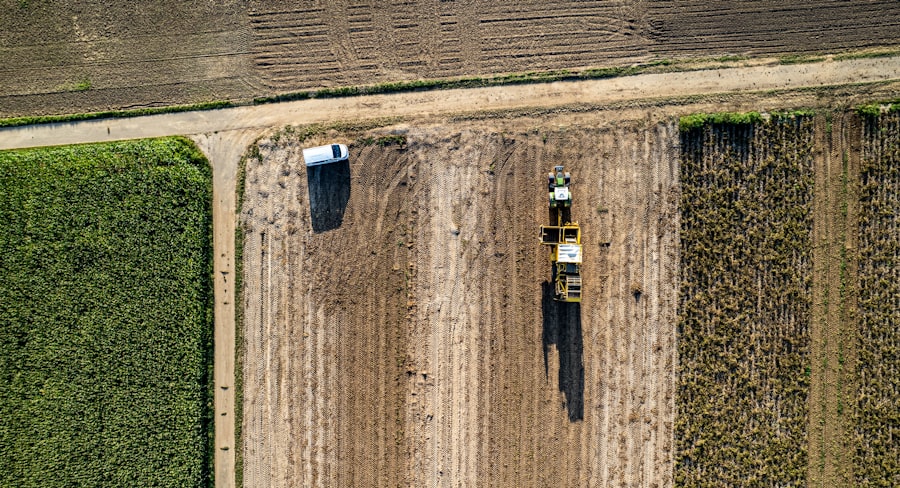
As you look ahead to the future of agriculture, several trends and innovations in AI are poised to reshape the industry further. One promising development is the rise of autonomous farming equipment. Tractors and harvesters equipped with AI technology can operate independently, performing tasks such as planting and harvesting with minimal human intervention.
This shift towards automation could address labor shortages while increasing efficiency on farms of all sizes. Additionally, advancements in biotechnology combined with AI are likely to lead to more resilient crop varieties. By analyzing genetic data alongside environmental factors, researchers can develop crops that are better suited to withstand climate change impacts such as droughts or floods.
As you consider these innovations, it’s essential to recognize that the future of agriculture will likely be characterized by a synergy between technology and nature—a harmonious balance that leverages AI’s capabilities while respecting ecological systems.
Ethical and Environmental Considerations of AI in Agriculture
While the potential benefits of AI in agriculture are significant, ethical and environmental considerations must also be taken into account. One pressing concern is the environmental impact of increased automation and technology use. As farming becomes more reliant on data-driven practices, there is a risk of exacerbating issues such as soil degradation or water scarcity if not managed responsibly.
You may find yourself pondering how to ensure that technological advancements do not come at the expense of ecological health. Moreover, ethical questions surrounding data ownership and privacy are paramount as well. Who has access to the vast amounts of data generated by farms?
How can farmers protect their information from misuse? These questions highlight the need for clear regulations and guidelines governing data use in agriculture. As you engage with these ethical dilemmas, it becomes evident that fostering a responsible approach to AI implementation will be crucial for ensuring that its benefits are realized without compromising ethical standards or environmental integrity.
The Potential of AI in Shaping the Future of Agriculture
In conclusion, as you reflect on the role of artificial intelligence in agriculture, it becomes clear that this technology holds immense potential for transforming the industry. From enhancing productivity and sustainability to addressing pressing global challenges such as food security, AI offers innovative solutions that can reshape how we approach farming. However, navigating the complexities of implementation requires careful consideration of ethical implications and environmental impacts.
As you look toward the future, embracing a collaborative approach—one that integrates technology with traditional knowledge—will be essential for realizing the full potential of AI in agriculture. By fostering innovation while prioritizing sustainability and equity, you can contribute to a future where agriculture thrives alongside technological advancements. The journey ahead may be challenging, but with thoughtful engagement and responsible practices, you have the opportunity to play a pivotal role in shaping a more sustainable agricultural landscape for generations to come.
If you are interested in learning more about AI in agriculture, you may want to check out the article Can AI Save the Earth?. This article discusses the potential of artificial intelligence to help address environmental challenges and promote sustainability in various industries, including agriculture. By leveraging AI technology, we can work towards creating a more sustainable future for our planet.
FAQs
What is AI in agriculture?
AI in agriculture refers to the use of artificial intelligence technologies such as machine learning, computer vision, and data analytics to improve various processes in the agricultural industry. This includes crop monitoring, yield prediction, soil analysis, and autonomous farming equipment.
How is AI being used in agriculture?
AI is being used in agriculture for a variety of applications, including precision farming, crop monitoring, predictive analytics, and autonomous farming equipment. AI technologies help farmers make data-driven decisions, optimize resource usage, and increase overall productivity.
What are the benefits of AI in agriculture?
The benefits of AI in agriculture include improved crop yields, reduced resource wastage, lower production costs, and more sustainable farming practices. AI also enables farmers to monitor and manage their operations more efficiently, leading to better decision-making and increased profitability.
What are some examples of AI applications in agriculture?
Some examples of AI applications in agriculture include automated crop monitoring using drones and satellite imagery, predictive analytics for weather and market trends, autonomous tractors and harvesters, and precision irrigation systems that optimize water usage based on real-time data.
What are the challenges of implementing AI in agriculture?
Challenges of implementing AI in agriculture include the initial cost of technology adoption, the need for reliable connectivity in rural areas, and the requirement for specialized skills and training. Additionally, data privacy and security concerns are important considerations when implementing AI in agriculture.