As you step into the world of agriculture today, you may find it hard to ignore the profound impact that artificial intelligence (AI) is having on the industry. The integration of AI technologies into farming practices is revolutionizing how you approach crop production, livestock management, and resource allocation. With the global population projected to reach nearly 10 billion by 2050, the demand for food is escalating at an unprecedented rate.
This scenario presents a unique challenge for farmers and agriculturalists, as they must find innovative ways to increase productivity while minimizing environmental impact. AI emerges as a powerful ally in this quest, offering solutions that enhance efficiency, sustainability, and profitability. The application of AI in agriculture is not merely a trend; it represents a fundamental shift in how you can manage your farming operations.
From data-driven decision-making to automated processes, AI technologies are enabling you to optimize every aspect of your agricultural practices. Whether you are a small-scale farmer or part of a large agribusiness, understanding the role of AI in agriculture is essential for staying competitive in an ever-evolving landscape. As we delve deeper into the various applications of AI in this sector, you will discover how these technologies can transform your approach to farming and help you meet the challenges of modern agriculture head-on.
Key Takeaways
- AI is revolutionizing the agriculture industry by providing advanced technologies for crop monitoring, livestock management, and predictive analytics.
- AI plays a crucial role in crop monitoring and management by using data from drones, satellites, and sensors to optimize irrigation, detect diseases, and improve yield.
- Precision agriculture utilizes AI to analyze data on soil conditions, weather patterns, and crop health to make informed decisions and maximize productivity.
- AI is transforming livestock management by monitoring animal health, behavior, and productivity, leading to improved efficiency and welfare.
- Predictive analytics powered by AI helps farmers optimize yield by forecasting market demand, identifying potential risks, and making data-driven decisions.
The Role of AI in Crop Monitoring and Management
When it comes to crop monitoring and management, AI plays a pivotal role in enhancing your ability to make informed decisions. By utilizing advanced sensors and drones equipped with AI algorithms, you can gather real-time data about your crops’ health and growth conditions. This technology allows you to monitor variables such as soil moisture levels, nutrient content, and pest infestations with remarkable precision.
With this information at your fingertips, you can take proactive measures to address any issues before they escalate, ultimately leading to healthier crops and higher yields. Moreover, AI-driven platforms can analyze historical data alongside real-time inputs to provide you with actionable insights tailored to your specific farming conditions. For instance, machine learning algorithms can identify patterns in crop performance based on weather conditions, soil types, and farming practices.
By leveraging these insights, you can optimize irrigation schedules, fertilization plans, and pest control strategies. This level of precision not only enhances your crop management practices but also contributes to resource conservation by minimizing waste and reducing the use of chemicals.
AI and Precision Agriculture
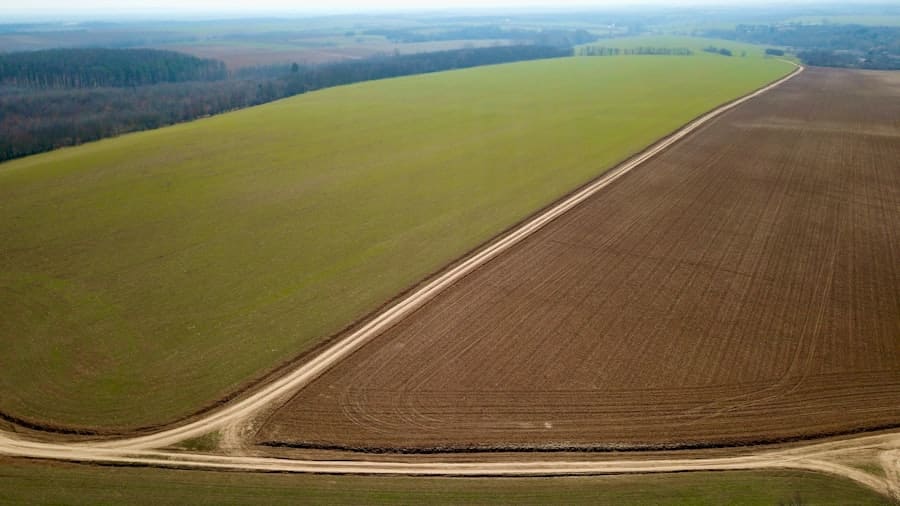
Precision agriculture is another area where AI is making significant strides, allowing you to fine-tune your farming practices for maximum efficiency. This approach involves using technology to monitor and manage field variability in crops, ensuring that each plant receives the right amount of resources it needs to thrive. With AI tools at your disposal, you can analyze vast amounts of data collected from various sources, including satellite imagery and soil sensors, to create detailed maps of your fields.
These maps help you identify areas that require specific attention, whether it be additional irrigation or targeted fertilization. The benefits of precision agriculture extend beyond just improving crop yields; they also encompass economic and environmental advantages. By applying resources more efficiently, you can reduce costs associated with water usage, fertilizers, and pesticides.
This not only boosts your bottom line but also aligns with sustainable farming practices that aim to minimize environmental impact. As you embrace precision agriculture powered by AI, you position yourself as a forward-thinking farmer who is committed to both productivity and sustainability.
AI in Livestock Management
In addition to crop management, AI is transforming livestock management practices as well. As a farmer with livestock, you understand the importance of monitoring animal health and behavior closely. AI technologies can assist you in this regard by providing tools for tracking vital signs, feeding patterns, and overall well-being.
Wearable devices equipped with sensors can collect data on each animal’s activity levels and health metrics, allowing you to detect any anomalies early on. Furthermore, AI algorithms can analyze this data to predict potential health issues or optimize feeding schedules based on individual animal needs. By implementing these technologies, you can enhance animal welfare while also improving productivity.
For instance, timely interventions based on AI insights can lead to better growth rates and reduced veterinary costs. As you integrate AI into your livestock management practices, you not only improve operational efficiency but also contribute to ethical farming standards that prioritize animal care.
AI and Predictive Analytics for Yield Optimization
One of the most exciting applications of AI in agriculture is its ability to leverage predictive analytics for yield optimization. By analyzing historical data alongside current conditions, AI systems can forecast future crop yields with remarkable accuracy. This capability allows you to make informed decisions about planting schedules, resource allocation, and market strategies.
For example, if predictive analytics indicate a potential surplus or shortage in yield based on weather patterns or market demand, you can adjust your plans accordingly. Moreover, predictive analytics can help you identify the best times for planting and harvesting based on environmental factors. By understanding how different variables interact over time, you can optimize your farming practices for maximum output.
This proactive approach not only enhances your productivity but also reduces the risks associated with unpredictable market fluctuations or adverse weather conditions. As you harness the power of predictive analytics through AI, you position yourself for success in an increasingly competitive agricultural landscape.
The Impact of AI on Sustainable Farming Practices
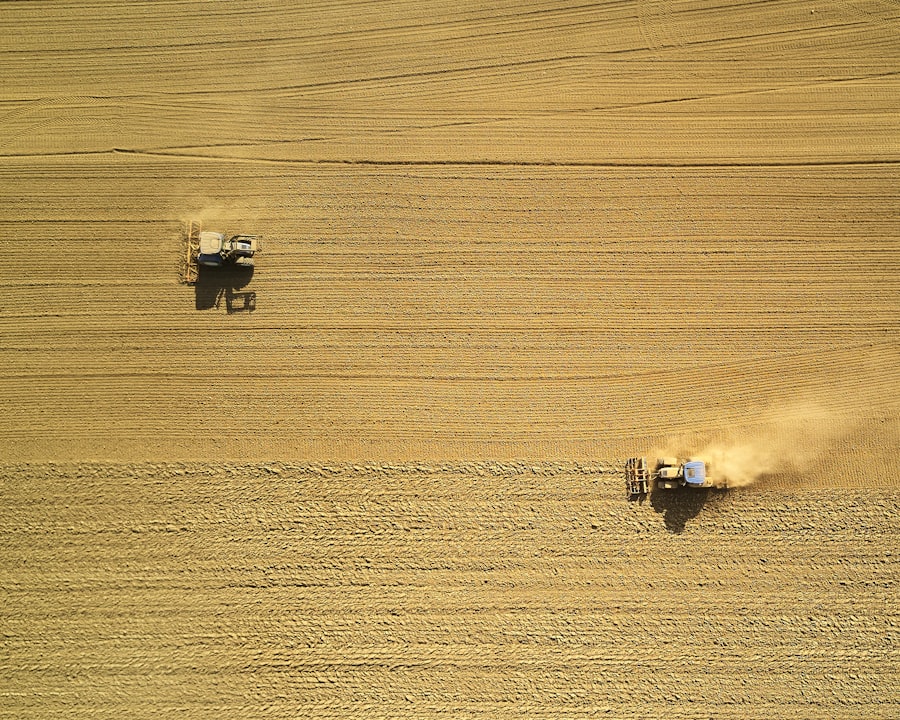
Sustainability is a critical concern for modern agriculture, and AI is playing a vital role in promoting environmentally friendly practices. As a farmer committed to sustainability, you can leverage AI technologies to minimize resource consumption and reduce waste. For instance, precision irrigation systems powered by AI can ensure that water is used efficiently by delivering it only where and when it is needed most.
This targeted approach not only conserves water but also promotes healthier crops by preventing overwatering. Additionally, AI can assist in optimizing fertilizer application by analyzing soil health data and crop nutrient requirements. By applying fertilizers more precisely based on real-time data rather than blanket applications, you can reduce chemical runoff into nearby waterways and minimize soil degradation.
This commitment to sustainable practices not only benefits the environment but also enhances your reputation as a responsible farmer dedicated to preserving natural resources for future generations.
Challenges and Opportunities in Implementing AI in Agriculture
While the potential benefits of AI in agriculture are immense, there are also challenges that you may encounter when implementing these technologies. One significant hurdle is the initial investment required for adopting AI tools and systems. Depending on the scale of your operations, the costs associated with purchasing equipment, software licenses, and training staff can be substantial.
However, it’s essential to view this investment as a long-term strategy that can yield significant returns through increased efficiency and productivity. Another challenge lies in the integration of AI with existing farming practices and systems. You may need to adapt your workflows and processes to fully leverage the capabilities of AI technologies.
This transition may require training for yourself and your team to ensure everyone is equipped with the necessary skills to operate new tools effectively. Despite these challenges, the opportunities presented by AI far outweigh the obstacles. By embracing innovation and staying informed about emerging technologies, you position yourself at the forefront of agricultural advancements that can lead to greater success.
The Future of AI in Agriculture
Looking ahead, the future of AI in agriculture appears promising as technology continues to evolve at an unprecedented pace. As a farmer navigating this landscape, staying abreast of advancements will be crucial for maintaining competitiveness. The integration of machine learning algorithms with IoT devices will likely become more sophisticated, enabling even greater levels of automation and data analysis.
Imagine a future where autonomous drones monitor crop health while robotic systems handle planting and harvesting tasks seamlessly. Moreover, as consumer demand for transparency and sustainability grows, AI will play a pivotal role in providing traceability throughout the supply chain. You may find yourself utilizing blockchain technology alongside AI to ensure that every step of your production process is documented and verifiable.
This level of transparency not only builds trust with consumers but also aligns with regulatory requirements aimed at promoting food safety. In conclusion, as you explore the myriad ways that AI is reshaping agriculture today, it becomes clear that embracing these technologies is not just an option but a necessity for future success. From crop monitoring to livestock management and sustainable practices, AI offers tools that empower you to optimize your operations while addressing pressing global challenges.
By remaining open to innovation and adapting to new technologies, you position yourself as a leader in the agricultural sector ready to meet the demands of tomorrow’s world.
AI in Agriculture: Ushering in a New Revolution is a fascinating article that explores the impact of artificial intelligence on the farming industry. For those interested in the intersection of AI and healthcare, the article AI in Drug Discovery: Accelerating Pharmaceutical Research provides insight into how AI is revolutionizing the pharmaceutical industry. Additionally, individuals curious about creating their own AI solutions can check out the article Can I Create My Own AI? for guidance on getting started. Lastly, for those interested in the importance of data in AI development, the article AI and Data delves into the crucial role data plays in the advancement of artificial intelligence technologies.
FAQs
What is AI in agriculture?
AI in agriculture refers to the use of artificial intelligence technologies such as machine learning, computer vision, and data analytics to improve various processes in the agricultural industry. This includes crop monitoring, yield prediction, pest detection, and precision farming.
How is AI revolutionizing agriculture?
AI is revolutionizing agriculture by enabling farmers to make data-driven decisions, optimize resource allocation, and increase productivity. It also helps in reducing the environmental impact of farming by minimizing the use of water, fertilizers, and pesticides.
What are some examples of AI applications in agriculture?
Some examples of AI applications in agriculture include autonomous tractors and drones for precision farming, predictive analytics for crop yield forecasting, computer vision for weed and pest detection, and robotic systems for harvesting and sorting crops.
What are the benefits of AI in agriculture?
The benefits of AI in agriculture include increased efficiency and productivity, reduced operational costs, improved resource management, and the ability to address environmental challenges such as climate change and food security.
What are the challenges of implementing AI in agriculture?
Challenges of implementing AI in agriculture include the high initial investment in technology, the need for reliable connectivity in rural areas, data privacy and security concerns, and the requirement for training and upskilling of farmers and agricultural workers.