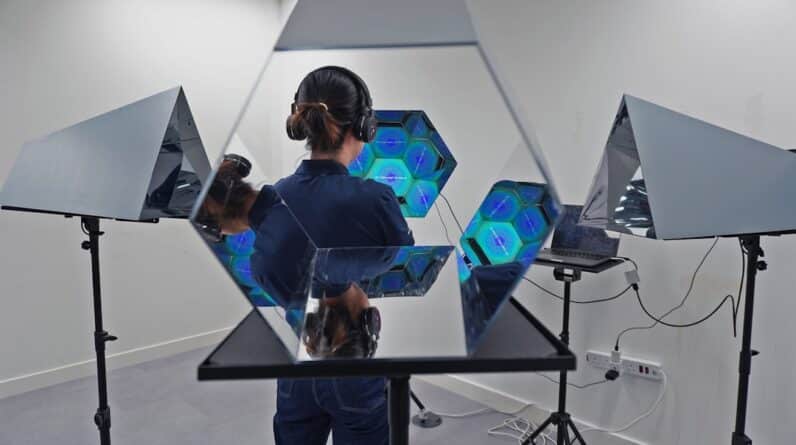
As you step into the world of theatre, you may find yourself captivated by the magic of storytelling, the artistry of performance, and the intricate details that bring a production to life. However, in recent years, a new player has emerged on the stage: artificial intelligence (AI). This technology, once confined to the realms of science fiction, is now making its mark in the performing arts.
AI is not merely a tool; it is transforming the very fabric of theatre, reshaping how stories are told and experienced. As you delve deeper into this fascinating intersection of technology and creativity, you will discover how AI is revolutionizing various aspects of theatre production, from scriptwriting to audience engagement. The integration of AI into theatre is not just about efficiency or cost-cutting; it represents a paradigm shift in how artists and audiences interact.
You may wonder how this technology can enhance the emotional depth of a performance or contribute to the creative process. The answer lies in AI’s ability to analyze vast amounts of data, generate innovative ideas, and even assist in the creative decision-making process. As you explore this topic further, you will uncover the myriad ways AI is influencing theatre, offering both exciting opportunities and complex challenges for artists and audiences alike.
Key Takeaways
- AI is increasingly being used in theatre production to enhance various aspects of the performance, from set design to scriptwriting.
- AI has the potential to improve audience engagement through personalized experiences and interactive technologies.
- The use of AI in set and costume design can streamline the creative process and bring innovative ideas to life on stage.
- AI is influencing scriptwriting and storytelling by providing new tools for generating and analyzing content, as well as creating immersive experiences for the audience.
- The integration of AI in rehearsal and performance can enhance the overall production quality and provide new opportunities for experimentation and creativity.
The Impact of AI on Theatre Production
When you consider the production side of theatre, AI’s impact is profound and multifaceted. One of the most significant ways AI is changing theatre production is through automation. Tasks that once required hours of manual labor, such as scheduling rehearsals or managing ticket sales, can now be streamlined with AI algorithms.
This efficiency allows directors and producers to focus more on the creative aspects of their work rather than getting bogged down in administrative details. Imagine a world where scheduling conflicts are resolved in seconds, freeing up time for artistic exploration and collaboration. Moreover, AI can assist in project management by predicting potential issues before they arise.
By analyzing past productions and current trends, AI can provide insights that help teams make informed decisions about casting, budgeting, and marketing strategies. As you witness these advancements, you may find yourself pondering how this technology could lead to more innovative productions that push the boundaries of traditional theatre. The potential for AI to enhance collaboration among creative teams is immense, fostering an environment where artists can experiment and take risks without fear of failure.
AI’s Role in Improving Audience Engagement

As an audience member, your experience of theatre is paramount. AI is playing a crucial role in enhancing audience engagement by personalizing experiences and creating interactive elements that draw you into the narrative. For instance, AI-driven chatbots can provide real-time information about performances, answer questions, and even suggest shows based on your preferences.
This level of personalization not only makes your experience more enjoyable but also fosters a deeper connection between you and the art form. Additionally, AI can analyze audience reactions during performances through facial recognition technology and sentiment analysis. By understanding how you and others respond to various elements of a show—be it humor, drama, or suspense—producers can tailor future productions to better resonate with audiences.
This feedback loop creates a dynamic relationship between creators and viewers, allowing for a more responsive and engaging theatrical experience. As you engage with these innovations, you may find yourself reflecting on how technology can enhance your emotional connection to the stories being told on stage.
The Use of AI in Set and Costume Design
In the realm of set and costume design, AI is proving to be an invaluable ally for designers seeking to push creative boundaries. With advanced algorithms capable of generating design concepts based on specific themes or historical contexts, designers can explore a wider array of possibilities than ever before. Imagine walking into a theatre where the set design has been crafted with the help of AI, resulting in a visually stunning environment that enhances the storytelling experience.
This technology allows designers to experiment with colors, textures, and spatial arrangements in ways that might not have been feasible through traditional methods. Furthermore, AI can assist in creating costumes that are not only visually striking but also functional. For instance, AI can analyze movement patterns to design costumes that allow for greater freedom of movement while still adhering to the aesthetic vision of the production.
This fusion of technology and artistry opens up new avenues for creativity, enabling designers to create immersive worlds that captivate audiences. As you witness these innovative designs come to life on stage, you may find yourself marveling at how AI has expanded the possibilities for visual storytelling in theatre.
AI’s Influence on Scriptwriting and Storytelling
The art of storytelling lies at the heart of theatre, and AI is beginning to play a significant role in shaping narratives. You may be surprised to learn that AI can assist writers in generating ideas or even crafting entire scripts. By analyzing existing works and identifying patterns in successful storytelling techniques, AI can provide writers with inspiration or suggest plot twists that enhance their narratives.
This collaborative approach between human creativity and machine intelligence can lead to fresh perspectives and innovative storytelling methods. Moreover, AI can help writers refine their scripts by providing feedback on pacing, character development, and dialogue. Imagine having an intelligent assistant that offers insights into how your script resonates with different demographics or suggests changes based on audience preferences.
This level of analysis can empower writers to create more compelling stories that resonate with diverse audiences. As you explore this intersection of technology and creativity, you may find yourself contemplating the implications of AI-generated narratives on traditional storytelling practices.
The Integration of AI in Rehearsal and Performance
As rehearsals unfold, AI’s integration into the process can enhance both efficiency and creativity. For instance, AI-driven tools can analyze rehearsals in real-time, providing directors with feedback on actors’ performances or suggesting adjustments to blocking based on audience engagement metrics. This data-driven approach allows for a more informed rehearsal process, enabling directors to make decisions that elevate the overall quality of the production.
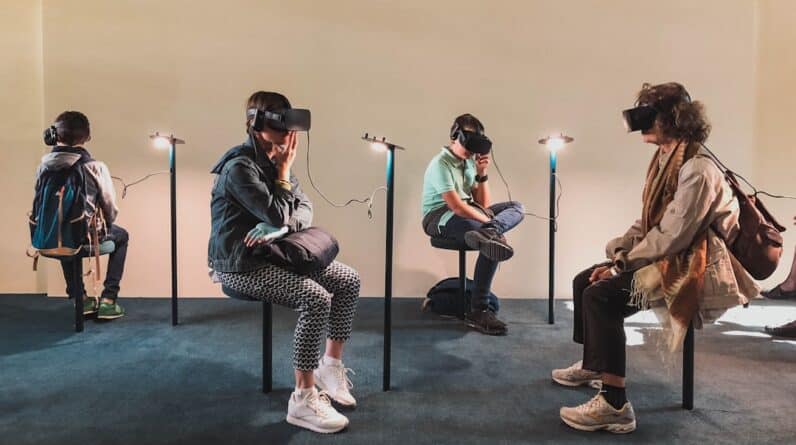
During performances themselves, AI can play a role in enhancing audience experiences through interactive elements. Imagine attending a show where your smartphone interacts with the performance in real-time, allowing you to influence certain aspects of the narrative or engage with characters in unique ways. This level of interactivity not only immerses you deeper into the story but also creates a shared experience among audience members.
As you witness these innovations unfold on stage, you may find yourself reflecting on how technology can transform traditional theatrical experiences into something truly extraordinary.
Ethical and Moral Considerations of AI in Theatre
While the integration of AI into theatre presents exciting opportunities, it also raises important ethical and moral considerations that cannot be overlooked. As you navigate this evolving landscape, you may find yourself questioning the implications of relying on technology for creative processes traditionally dominated by human intuition and emotion. For instance, what happens when an AI-generated script becomes a commercial success?
Does it diminish the value of human creativity? These questions challenge us to consider what it means to be an artist in an age where machines can replicate certain aspects of creativity. Moreover, issues surrounding data privacy and consent come into play as theatres increasingly utilize audience data for personalization and engagement purposes.
You may wonder how your personal information is being used and whether it is being handled ethically by production companies. As discussions around these topics continue to evolve, it becomes essential for artists and audiences alike to engage in conversations about the responsible use of AI in theatre. By addressing these ethical dilemmas head-on, we can ensure that technology serves as a tool for enhancement rather than a replacement for human creativity.
The Future of AI in Theatre: Opportunities and Challenges
Looking ahead, the future of AI in theatre is filled with both opportunities and challenges that will shape the landscape of performing arts for years to come. On one hand, you may be excited about the potential for greater collaboration between artists and technology, leading to innovative productions that push boundaries and redefine traditional storytelling methods. The ability to harness data-driven insights could result in more engaging experiences for audiences while allowing creators to explore new artistic avenues.
On the other hand, challenges such as ethical considerations and potential job displacement loom large as AI continues to evolve. As you reflect on these developments, it becomes clear that finding a balance between embracing technological advancements and preserving the essence of human creativity will be crucial for the future of theatre. Engaging in ongoing conversations about these issues will help ensure that as we move forward into this new era, we do so with a commitment to fostering creativity while respecting the artistry that has defined theatre for centuries.
In conclusion, as you immerse yourself in the world of theatre enriched by artificial intelligence, you will witness a remarkable transformation that blends technology with artistry. From production processes to audience engagement and storytelling techniques, AI is reshaping every facet of this beloved art form. While challenges remain, the potential for innovation is boundless—inviting you to explore new narratives and experiences that reflect our ever-evolving relationship with technology in the realm of performance art.
In a related article discussing the challenges of building fair and neutral AI systems, the importance of addressing bias in AI technology is highlighted. The article, titled “Bias in AI: The Challenge of Building Fair and Neutral Systems,” delves into the complexities of ensuring that AI algorithms are free from discriminatory biases that can impact their decision-making processes. This issue is particularly relevant in the context of AI in Theatre, as the use of AI technology in creative industries must be approached with caution to avoid perpetuating harmful stereotypes or excluding certain groups. To read more about this important topic, visit here.
FAQs
What is AI in Theatre?
AI in theatre refers to the use of artificial intelligence technology in various aspects of theatrical production, including performance, set design, lighting, sound, and audience interaction.
How is AI used in Theatre?
AI is used in theatre for a variety of purposes, including creating immersive and interactive experiences for audiences, enhancing stage design and special effects, automating certain production tasks, and even generating original scripts and music.
What are some examples of AI in Theatre?
Examples of AI in theatre include the use of virtual reality and augmented reality to create immersive environments, the use of AI algorithms to analyze audience reactions and adjust performances in real time, and the use of AI-generated music and soundscapes in productions.
What are the benefits of AI in Theatre?
The benefits of AI in theatre include the ability to create more immersive and interactive experiences for audiences, the potential to streamline and automate certain production tasks, and the opportunity to explore new creative possibilities in performance and design.
Are there any challenges or concerns with AI in Theatre?
Some challenges and concerns with AI in theatre include the potential for job displacement as certain tasks become automated, the ethical implications of using AI to create original artistic content, and the need to ensure that AI technology is accessible and inclusive for all members of the theatre community.