As you delve into the world of wildlife conservation, you may find yourself captivated by the intersection of technology and nature. Artificial Intelligence (AI) has emerged as a transformative force in this field, offering innovative solutions to some of the most pressing challenges faced by wildlife and their habitats. The integration of AI into conservation efforts is not merely a trend; it represents a paradigm shift that enhances our ability to protect endangered species, combat poaching, and restore ecosystems.
By harnessing the power of data and machine learning, conservationists are now equipped with tools that can analyze vast amounts of information, leading to more informed decision-making and effective strategies. The urgency of wildlife conservation cannot be overstated. With species extinction rates accelerating due to habitat loss, climate change, and human activities, the need for effective intervention has never been greater.
AI provides a unique opportunity to address these challenges by enabling real-time monitoring and analysis of wildlife populations and their environments. As you explore the various applications of AI in this field, you will discover how it not only enhances our understanding of wildlife dynamics but also empowers communities and organizations to take meaningful action in preserving biodiversity.
Key Takeaways
- AI plays a crucial role in wildlife conservation by providing innovative solutions to monitor and protect endangered species.
- AI technology is used to track and monitor endangered species, providing real-time data to conservationists and researchers.
- AI is instrumental in combating poaching and illegal wildlife trade by analyzing patterns and predicting potential threats.
- AI contributes to habitat restoration and protection by analyzing data to identify areas in need of conservation efforts.
- AI benefits wildlife conservation by analyzing and predicting ecosystem changes, helping conservationists make informed decisions.
The Role of AI in Monitoring and Tracking Endangered Species
When it comes to monitoring endangered species, AI plays a pivotal role in revolutionizing traditional methods. You may be familiar with the challenges conservationists face in tracking animal populations across vast and often inaccessible terrains. With the advent of AI technologies, these challenges are being met with innovative solutions.
For instance, machine learning algorithms can analyze data collected from camera traps, drones, and satellite imagery to identify individual animals and monitor their movements. This capability allows researchers to gather critical information about population sizes, migration patterns, and habitat use without disturbing the animals. Moreover, AI can process data at an unprecedented scale, enabling conservationists to track multiple species simultaneously.
By employing advanced analytics, you can gain insights into the behaviors and interactions of various species within an ecosystem. This holistic understanding is essential for developing targeted conservation strategies that address the specific needs of different species. As you consider the implications of AI in monitoring endangered species, it becomes clear that these technologies not only enhance data collection but also foster a deeper connection between humans and wildlife.
Using AI to Combat Poaching and Illegal Wildlife Trade
The fight against poaching and illegal wildlife trade is one of the most critical aspects of wildlife conservation today. As you explore this issue, you will find that AI is emerging as a powerful ally in this battle. Poaching poses a significant threat to many endangered species, driven by demand for animal parts in illegal markets.
AI technologies are being deployed to predict poaching activities by analyzing patterns in historical data, environmental factors, and human behavior. By identifying hotspots where poaching is likely to occur, conservationists can allocate resources more effectively and deploy anti-poaching patrols where they are needed most. In addition to predictive analytics, AI is also being used to enhance surveillance efforts.
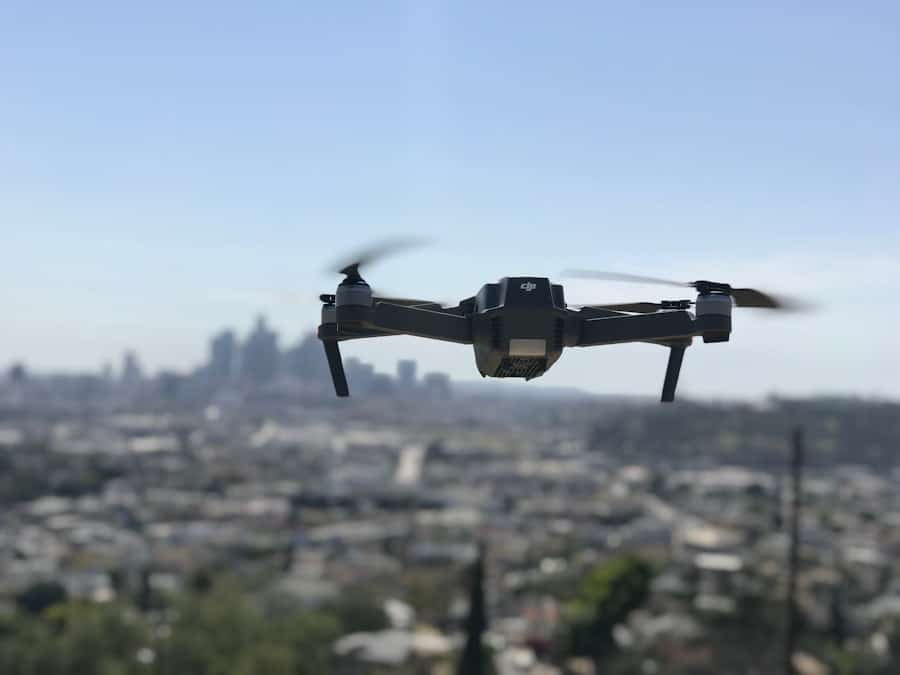
Drones equipped with AI-powered cameras can monitor vast areas of land, detecting suspicious activities in real time. These drones can analyze video footage using computer vision algorithms to identify potential poachers or illegal activities without requiring constant human oversight. As you consider the implications of these technologies, it becomes evident that AI not only aids in immediate response efforts but also contributes to long-term strategies aimed at reducing demand for illegal wildlife products through education and awareness campaigns.
AI’s Contribution to Habitat Restoration and Protection
Habitat restoration is a crucial component of wildlife conservation, as it directly impacts the survival of numerous species. You may be surprised to learn how AI is being utilized to enhance restoration efforts across various ecosystems. By analyzing satellite imagery and environmental data, AI can identify areas that require restoration and assess the effectiveness of ongoing projects.
This data-driven approach allows conservationists to prioritize their efforts based on ecological significance and potential for recovery. Furthermore, AI can assist in monitoring the health of restored habitats over time. By employing remote sensing technologies combined with machine learning algorithms, you can track changes in vegetation cover, soil quality, and biodiversity levels.
This continuous monitoring enables timely interventions if a restoration project is not yielding the desired results. As you reflect on the role of AI in habitat restoration, it becomes clear that these technologies not only streamline processes but also enhance accountability and transparency in conservation initiatives.
The Benefits of AI in Analyzing and Predicting Ecosystem Changes
Understanding ecosystem dynamics is essential for effective wildlife conservation, and AI offers powerful tools for analyzing and predicting changes within these systems. As you engage with this topic, consider how machine learning algorithms can process complex datasets from various sources—such as climate models, land use patterns, and species interactions—to identify trends and forecast future scenarios. This predictive capability is invaluable for conservationists seeking to anticipate the impacts of climate change or human activities on ecosystems.
Moreover, AI can facilitate scenario modeling that helps stakeholders visualize potential outcomes based on different management strategies. By simulating various interventions—such as habitat protection measures or species reintroductions—you can evaluate their potential effectiveness before implementation. This proactive approach not only saves time and resources but also fosters collaboration among stakeholders by providing a shared understanding of potential risks and benefits.
As you contemplate the benefits of AI in ecosystem analysis, it becomes evident that these technologies empower conservationists to make informed decisions that promote resilience in the face of change.
Challenges and Limitations of AI in Wildlife Conservation
While the potential of AI in wildlife conservation is immense, it is essential to acknowledge the challenges and limitations that accompany its implementation. One significant hurdle is the availability and quality of data. You may find that many regions lack comprehensive datasets necessary for training AI models effectively.
In some cases, data may be biased or incomplete, leading to inaccurate predictions or analyses. Addressing these data gaps requires collaboration among researchers, governments, and local communities to ensure that information is collected consistently and ethically. Another challenge lies in the integration of AI technologies into existing conservation practices.
As you consider this issue, think about the need for training and capacity building among conservationists who may not have a background in technology or data science. Ensuring that these individuals are equipped with the skills necessary to leverage AI effectively is crucial for maximizing its impact on wildlife conservation efforts. Additionally, ethical considerations surrounding data privacy and surveillance must be addressed to maintain public trust and support for conservation initiatives.
Collaborations and Partnerships in AI and Wildlife Conservation
The successful integration of AI into wildlife conservation often hinges on collaboration among diverse stakeholders. As you explore this aspect, consider how partnerships between technology companies, research institutions, non-governmental organizations (NGOs), and local communities can drive innovation and enhance conservation outcomes. By pooling resources and expertise, these collaborations can develop tailored solutions that address specific challenges faced by different ecosystems or species.
For instance, tech companies may provide cutting-edge tools and platforms for data analysis while NGOs contribute on-the-ground knowledge about local wildlife populations and threats. You may also find that engaging local communities in these partnerships fosters a sense of ownership over conservation efforts, leading to more sustainable outcomes. As you reflect on the importance of collaboration in this field, it becomes clear that collective action is essential for harnessing the full potential of AI in wildlife conservation.
The Future of AI in Wildlife Conservation: Opportunities and Innovations
Looking ahead, the future of AI in wildlife conservation appears promising, filled with opportunities for innovation and growth. As you consider what lies ahead, think about how advancements in technology—such as improved algorithms, enhanced sensor capabilities, and increased accessibility—will continue to shape conservation practices. The ongoing development of AI tools will likely lead to even more sophisticated monitoring systems that can provide real-time insights into wildlife populations and ecosystem health.
Moreover, as public awareness of wildlife conservation issues grows, there may be increased support for funding initiatives that leverage AI technologies. You might envision a future where citizen scientists contribute valuable data through mobile applications or where community-driven projects utilize AI to address local conservation challenges. The potential for innovation is vast, limited only by our imagination and commitment to protecting the natural world.
In conclusion, as you navigate the evolving landscape of wildlife conservation through the lens of AI, it becomes evident that these technologies hold transformative potential for safeguarding biodiversity. From monitoring endangered species to combating poaching and restoring habitats, AI offers innovative solutions that empower conservationists worldwide. While challenges remain, collaborative efforts among stakeholders will pave the way for a future where technology and nature coexist harmoniously—ensuring a thriving planet for generations to come.
AI in Wildlife Conservation: Protecting Our Planet’s Fragile Ecosystems is crucial for the preservation of biodiversity. As technology continues to advance, AI is becoming an increasingly valuable tool in the fight against habitat destruction and species extinction. One related article that delves into the most advanced AI right now is What is the Most Advanced AI Right Now?. This article explores the cutting-edge technologies that are revolutionizing various industries, including wildlife conservation. By leveraging the power of AI, researchers and conservationists can better understand and protect our planet’s fragile ecosystems.
FAQs
What is AI in wildlife conservation?
AI in wildlife conservation refers to the use of artificial intelligence technology to monitor, track, and protect wildlife and their habitats. This technology can be used to analyze large amounts of data, such as satellite imagery and camera trap footage, to help conservationists make more informed decisions and take proactive measures to protect endangered species and fragile ecosystems.
How is AI being used in wildlife conservation?
AI is being used in wildlife conservation in various ways, including:
1. Monitoring and tracking wildlife populations
2. Analyzing and interpreting satellite imagery to detect changes in habitat
3. Identifying and tracking individual animals using computer vision and machine learning
4. Predicting and preventing human-wildlife conflicts
5. Developing and implementing conservation strategies based on data-driven insights
What are the benefits of using AI in wildlife conservation?
The benefits of using AI in wildlife conservation include:
1. Improved efficiency in monitoring and protecting wildlife
2. Enhanced accuracy in data analysis and interpretation
3. Early detection of threats to wildlife and ecosystems
4. More effective conservation strategies based on data-driven insights
5. Increased capacity to scale conservation efforts to larger areas
What are some examples of AI being used in wildlife conservation?
Some examples of AI being used in wildlife conservation include:
1. Using AI-powered drones to monitor and track wildlife populations
2. Analyzing satellite imagery to detect deforestation and habitat loss
3. Developing AI algorithms to identify and track individual animals from camera trap footage
4. Using predictive modeling to anticipate and prevent human-wildlife conflicts
5. Implementing AI-based decision support systems to guide conservation efforts
What are the challenges of using AI in wildlife conservation?
Some challenges of using AI in wildlife conservation include:
1. Access to high-quality data for training AI models
2. Balancing the use of AI with traditional conservation methods
3. Ensuring ethical and responsible use of AI technology in wildlife conservation
4. Addressing potential biases in AI algorithms when analyzing wildlife data
5. Overcoming technical and logistical barriers in implementing AI solutions in remote and challenging environments