In recent years, you may have noticed a remarkable transformation in the art world, one that has been significantly influenced by the rise of artificial intelligence (AI). This technological advancement has not only changed how art is created but has also altered the very definition of what art can be. From AI-generated paintings to music compositions and even poetry, the integration of AI into creative processes is becoming increasingly prevalent.
You might find it fascinating to see how artists and technologists are collaborating to push the boundaries of creativity, leading to a new era where machines play a pivotal role in artistic expression. As you delve deeper into this phenomenon, you will discover that AI’s presence in the art world is not merely a passing trend. Major art institutions and galleries are beginning to embrace AI as a legitimate tool for creation.
Exhibitions featuring AI-generated works are popping up around the globe, showcasing pieces that challenge traditional notions of authorship and creativity. You may even come across instances where AI has been used to analyze historical art styles, allowing it to generate new works that pay homage to the past while simultaneously paving the way for future innovations. This rise of AI in the art world is not just about technology; it represents a fundamental shift in how we perceive and engage with art itself.
Key Takeaways
- AI is increasingly being used in the art world, from creating original pieces to enhancing traditional artistic practices.
- Algorithms are challenging traditional notions of creativity by generating art that blurs the line between human and machine creativity.
- The intersection of technology and art is being explored through AI, leading to new forms of artistic expression and collaboration.
- The ethical implications of AI-generated art raise questions about authorship, ownership, and the impact on the art market.
- AI is impacting traditional artistic practices by offering new tools and techniques, as well as influencing the way art is consumed and valued.
How Algorithms are Redefining Creativity
As you explore the role of algorithms in art creation, you will find that they are not just cold, mathematical constructs; they are powerful tools that can mimic and even enhance human creativity. Algorithms can analyze vast amounts of data, learning from existing artworks to generate new pieces that reflect various styles and techniques. This capability allows you to witness a fascinating interplay between human intuition and machine learning, where the lines between creator and creation become increasingly blurred.
You might be surprised to learn that some of the most celebrated AI-generated artworks have been created using deep learning algorithms, which enable machines to recognize patterns and generate unique outputs based on their training. Moreover, algorithms are redefining creativity by democratizing access to artistic tools. You no longer need to be a trained artist to create compelling visual pieces; with AI-driven applications, anyone can experiment with design and composition.
This shift opens up new avenues for self-expression, allowing you to explore your artistic inclinations without the constraints of traditional techniques. As you engage with these tools, you may find yourself inspired by the unexpected results that emerge from the collaboration between your ideas and the algorithm’s capabilities. In this way, algorithms are not just reshaping how art is made; they are also expanding who gets to participate in the creative process.
Exploring the Intersection of Technology and Art
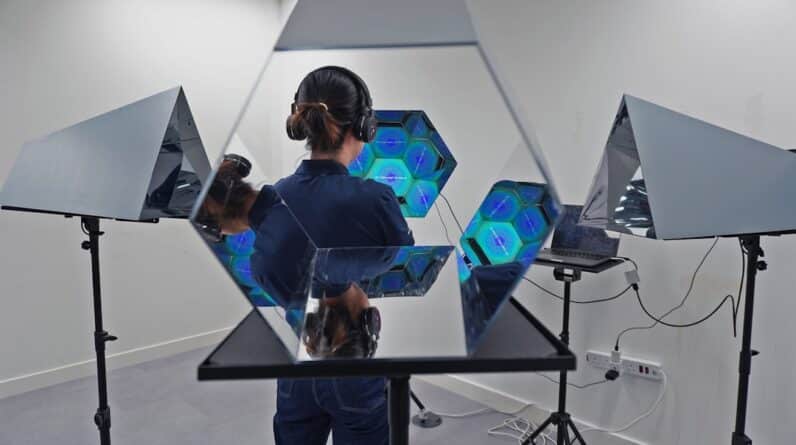
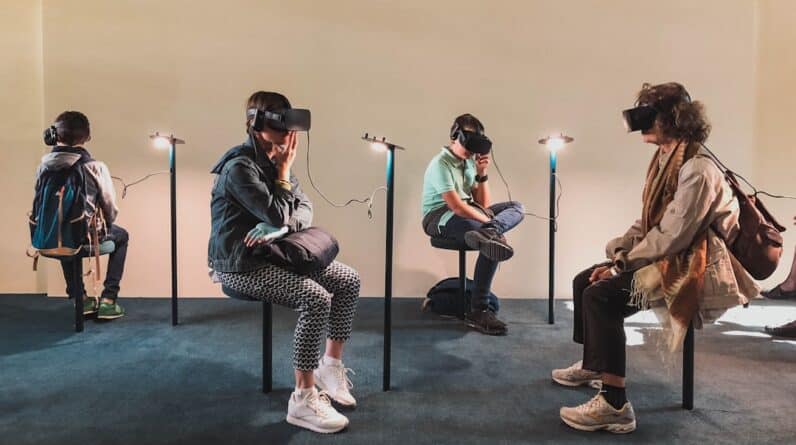
The intersection of technology and art is a rich and dynamic space where innovation thrives. As you navigate this landscape, you will encounter a variety of mediums that blend traditional artistic practices with cutting-edge technology. From virtual reality installations that immerse viewers in interactive experiences to digital canvases that respond to audience input, technology is reshaping how art is experienced and understood.
You may find it exhilarating to witness how artists are leveraging these tools to create immersive environments that challenge your perceptions and invite deeper engagement. In addition to enhancing the viewer’s experience, technology is also influencing the way artists conceptualize their work. You might discover that many contemporary artists are using AI not just as a tool for creation but as a collaborator in their artistic journey.
By integrating machine learning into their practice, they can explore new ideas and push their creative boundaries further than ever before. This collaboration between human and machine invites you to reconsider what it means to be an artist in an age where technology plays an integral role in shaping artistic expression.
The Ethical Implications of AI-generated Art
As you reflect on the rise of AI in the art world, it is essential to consider the ethical implications that accompany this technological shift. One pressing concern is the question of authorship: who owns an artwork created by an AI? When a machine generates a piece based on algorithms trained on existing works, you may wonder whether the credit should go to the programmer, the artist who provided input, or the machine itself.
This ambiguity raises important questions about intellectual property rights and the value we assign to human creativity versus machine-generated outputs. Additionally, there are concerns about the potential for AI-generated art to perpetuate biases present in its training data. If an algorithm learns from a dataset that lacks diversity or representation, it may produce works that reflect those limitations.
As you engage with this issue, you might find yourself questioning how we can ensure that AI serves as a tool for inclusivity rather than exclusion in the artistic realm. Addressing these ethical considerations is crucial as we navigate this new landscape, ensuring that technology enhances rather than undermines our understanding of art and creativity.
The Impact of AI on Traditional Artistic Practices
The integration of AI into the art world has profound implications for traditional artistic practices. As you observe this evolution, you may notice that some artists are embracing AI as a means to augment their skills rather than replace them. For instance, painters might use AI-generated sketches as a starting point for their work, allowing them to explore new compositions while retaining their unique style.
This fusion of traditional techniques with modern technology can lead to innovative outcomes that challenge conventional artistic norms. However, not everyone views this shift positively. Some traditionalists argue that reliance on AI diminishes the value of human craftsmanship and intuition in art-making.
As you consider these differing perspectives, you may find yourself grappling with questions about authenticity and originality in an age where machines can replicate styles and techniques with remarkable precision. The impact of AI on traditional practices is complex; it invites both opportunities for growth and challenges that require careful consideration as artists navigate this new terrain.
The Role of Human Input in AI-generated Art
While AI has made significant strides in generating art autonomously, your exploration of this field will reveal that human input remains a crucial component of the creative process. Artists play an essential role in guiding AI systems, providing them with parameters and context that shape their outputs. This collaboration highlights the importance of human intuition and emotional depth in art-making—qualities that machines cannot replicate entirely.
As you engage with AI-generated works, you may find yourself appreciating the nuances that arise from this partnership between human creativity and machine learning. Moreover, human input extends beyond mere guidance; it encompasses the interpretation and curation of AI-generated art as well. You might discover that many artists view their relationship with AI as a dialogue rather than a one-sided interaction.
By engaging with the outputs produced by algorithms, they can reflect on their own artistic practices and push their creative boundaries further. This dynamic interplay between human and machine fosters a rich environment for experimentation and innovation, allowing you to witness firsthand how collaboration can lead to unexpected and exciting artistic outcomes.
The Future of AI in the Artistic Landscape
As you look ahead to the future of AI in the artistic landscape, it becomes clear that this technology will continue to evolve and shape creative practices in profound ways. You may anticipate seeing even more sophisticated algorithms capable of generating increasingly complex works across various mediums. As these technologies advance, they will likely open up new possibilities for artists, enabling them to explore uncharted territories in their creative endeavors.
The future promises an exciting blend of human ingenuity and machine intelligence, where collaboration becomes central to artistic expression. Furthermore, as society becomes more accustomed to AI-generated art, you might witness a shift in public perception regarding its value and significance. The lines between traditional and digital art forms may blur even further, leading to new genres and movements that challenge established norms.
As an observer or participant in this evolving landscape, you will have the opportunity to engage with diverse artistic expressions that reflect our changing relationship with technology. The future of AI in art is not just about machines creating; it’s about reimagining what art can be in an increasingly interconnected world.
The Debate: Can AI truly be considered an artist?
The question of whether AI can be considered an artist is one that sparks passionate debate among critics and enthusiasts alike. As you ponder this issue, you may find yourself grappling with definitions of artistry that encompass not only technical skill but also emotional depth and intent. While AI can produce visually stunning works based on learned patterns and styles, it lacks consciousness and personal experience—qualities often associated with human artistry.
This distinction raises important questions about what it means to create art and whether machines can ever truly embody the essence of an artist. On the other hand, proponents argue that creativity is not solely defined by human experience but can also emerge from innovative processes involving technology. They contend that if an algorithm can generate works that resonate with audiences or provoke thought, then it deserves recognition as a form of artistry in its own right.
As you engage with this debate, you may find yourself considering broader implications for our understanding of creativity itself—how it evolves over time and adapts to new contexts. Ultimately, whether or not AI can be deemed an artist may depend on your perspective on creativity’s nature and its relationship with technology. In conclusion, as you navigate through these multifaceted discussions surrounding AI’s role in the art world, it becomes evident that this intersection is rich with potential for exploration and innovation.
The rise of AI challenges traditional notions of creativity while simultaneously opening up new avenues for expression and collaboration. Whether through algorithms redefining artistic practices or ethical considerations shaping our understanding of authorship, your engagement with these themes will undoubtedly deepen your appreciation for both art and technology as they continue to evolve together.
AI’s Artistic Vision: When Algorithms Create Masterpieces explores the intersection of artificial intelligence and creativity, showcasing how algorithms can be used to generate stunning works of art. For a related article on how AI is revolutionizing various industries, including retail supply chain management and logistics, check out AI and Retail Supply Chain: Efficient Inventory Management and Logistics. This article delves into how AI is streamlining processes and improving efficiency in the retail sector.
FAQs
What is AI’s role in creating art?
AI, or artificial intelligence, has the ability to create art through algorithms and machine learning. It can analyze patterns, styles, and techniques from existing artworks to generate new and original pieces.
How does AI create art?
AI creates art by using algorithms to analyze and interpret visual data. It can generate new images, paintings, music, and even literature based on the patterns and styles it has learned from existing works.
Can AI’s art be considered as masterpieces?
The art created by AI can be considered as masterpieces in the sense that they are original and can evoke emotional responses from viewers. However, the perception of art as a masterpiece is subjective and varies from person to person.
What are the implications of AI creating art?
The implications of AI creating art are wide-ranging. It raises questions about the role of creativity, the definition of art, and the relationship between human and machine. It also has implications for copyright and intellectual property laws.
What are some examples of AI-created art?
Examples of AI-created art include paintings, sculptures, music compositions, and even poetry. Some well-known examples include “The Next Rembrandt” project and the “Aiva” music composition algorithm.