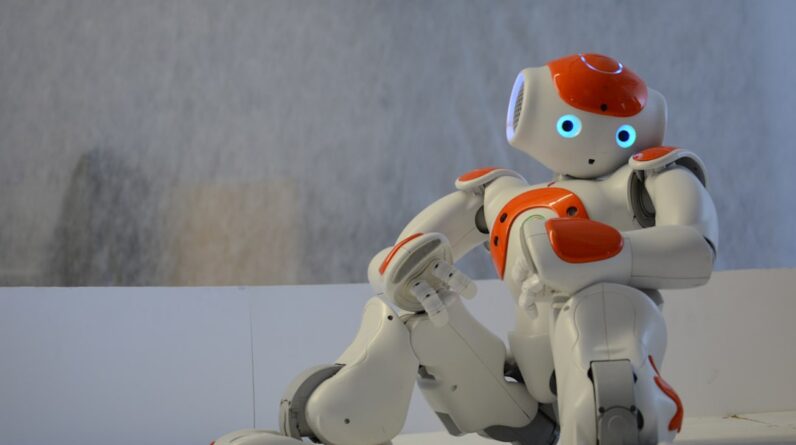
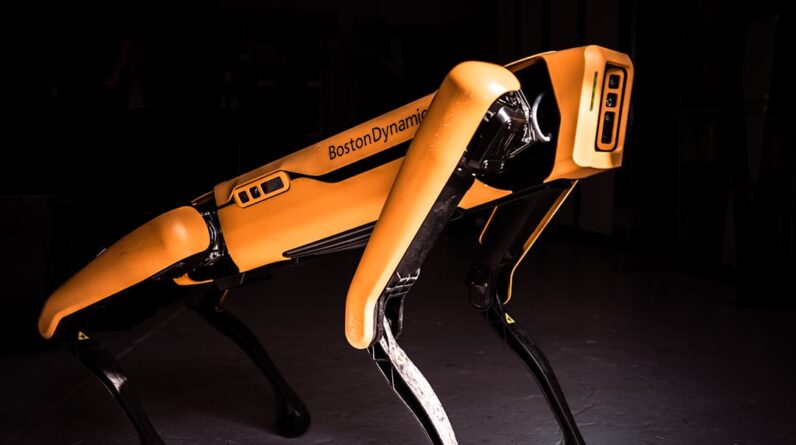
Artificial Intelligence (AI) has emerged as one of the most transformative technologies of our time, reshaping industries, societies, and the very fabric of human interaction. As you delve into the world of AI, you may find yourself captivated by its potential to revolutionize everything from healthcare to transportation. The rapid advancements in machine learning, natural language processing, and robotics have opened doors to possibilities that were once confined to the realm of science fiction.
You might wonder how this technology will influence your life and the lives of future generations. The potential impact of AI on humanity is vast and multifaceted. On one hand, it promises unprecedented efficiency and innovation, enabling you to solve complex problems and make informed decisions with remarkable speed.
On the other hand, it raises critical questions about ethics, safety, and the very essence of what it means to be human. As you explore this duality, you may find yourself contemplating not only the benefits but also the responsibilities that come with harnessing such powerful tools. The journey into AI is not just about technology; it is about understanding how it will shape your world and the values that will guide its development.
Key Takeaways
- AI has the potential to greatly impact humanity, both positively and negatively, in various aspects of life.
- Ethical implications of AI development must be carefully considered to ensure that AI is used in a responsible and beneficial manner.
- Advanced AI poses potential risks and dangers, including the loss of control and unintended consequences, that need to be addressed.
- Regulation and governance play a crucial role in mitigating AI threats and ensuring that AI is developed and used in a responsible and safe manner.
- AI’s impact on employment and the economy is significant and requires careful consideration and planning to mitigate potential negative effects.
The ethical implications of AI development
As you navigate the landscape of AI, you will encounter a myriad of ethical implications that demand careful consideration. One of the foremost concerns is the question of bias in AI algorithms. You may be surprised to learn that AI systems can inadvertently perpetuate existing societal biases if they are trained on flawed data sets.
This raises significant ethical dilemmas regarding fairness and equality. As you reflect on this issue, you might ask yourself how we can ensure that AI serves all members of society equitably, rather than reinforcing discrimination or exclusion. Moreover, the transparency of AI decision-making processes is another ethical challenge that you may find compelling.
When AI systems make decisions that affect your life—such as in hiring practices or loan approvals—it is crucial for you to understand how those decisions are made. The lack of transparency can lead to a loss of trust in these systems, prompting questions about accountability and responsibility. As you consider these ethical implications, you may feel a growing urgency for developers and policymakers to establish guidelines that prioritize ethical considerations in AI design and implementation.
The potential risks and dangers of advanced AI

While the promise of AI is enticing, it is essential for you to acknowledge the potential risks and dangers associated with its advancement. One significant concern is the possibility of autonomous weapons systems that could operate without human intervention. The thought of machines making life-and-death decisions raises profound moral questions about accountability and the value of human life.
As you ponder this scenario, you might find yourself questioning whether we are prepared to relinquish such critical decisions to algorithms. Additionally, the risk of job displacement due to automation is a pressing issue that affects many individuals across various sectors. As AI systems become more capable, there is a legitimate fear that they could replace human workers in numerous fields, leading to widespread unemployment and economic instability.
You may find yourself considering how society can adapt to these changes and what measures can be taken to support those whose livelihoods are threatened by technological advancements. The conversation around these risks is not just theoretical; it has real implications for your future and the future of work.
The role of regulation and governance in mitigating AI threats
In light of the potential risks associated with AI, the role of regulation and governance becomes increasingly critical. As you explore this topic, you may recognize that effective governance can help mitigate threats while fostering innovation. Policymakers face the challenge of creating frameworks that balance the need for oversight with the desire to encourage technological progress.
You might wonder what specific regulations could be implemented to ensure that AI development aligns with societal values and ethical standards. One approach could involve establishing international agreements on AI development and deployment, similar to treaties governing nuclear weapons or climate change. Such agreements could help create a global standard for responsible AI use, ensuring that nations work collaboratively to address shared concerns.
As you consider this possibility, you may feel a sense of hope that through cooperation and dialogue, we can navigate the complexities of AI governance while safeguarding humanity’s interests.
The impact of AI on employment and the economy
The impact of AI on employment and the economy is a topic that resonates deeply with many individuals today. As you observe the rapid integration of AI technologies into various industries, you may find yourself contemplating how these changes will affect your job prospects and career trajectory. While some experts predict significant job losses due to automation, others argue that AI will create new opportunities and roles that we cannot yet envision.
This dichotomy presents a complex landscape for you to navigate as you consider your own professional future. Moreover, the economic implications of AI extend beyond individual job displacement; they encompass broader shifts in productivity and wealth distribution. You might reflect on how AI could lead to increased efficiency in various sectors, potentially driving economic growth.
However, this growth may not be evenly distributed, raising concerns about income inequality and access to opportunities. As you engage with these ideas, it becomes clear that addressing the economic impact of AI requires proactive measures from both businesses and governments to ensure that the benefits are shared equitably across society.
The potential for AI to enhance human capabilities and quality of life

Early Disease Detection and Timely Interventions
Imagine a world where AI-driven medical diagnostics can detect diseases at their earliest stages, allowing for timely interventions that save lives. This vision highlights how AI can empower individuals by providing them with tools that enhance their well-being.
Fostering Inclusivity and Accessibility
Furthermore, AI can facilitate greater accessibility for people with disabilities, enabling them to engage more fully in society. Advancements in natural language processing and computer vision can create assistive technologies that break down barriers and foster inclusivity.
Enriching Lives through Responsible AI Development
As we reflect on these possibilities, it becomes evident that responsible AI development has the potential not only to address pressing challenges but also to enrich our lives and the lives of those around us.
The need for responsible AI development and deployment
As you contemplate the future of AI, the need for responsible development and deployment becomes increasingly apparent. It is crucial for stakeholders—including developers, businesses, governments, and civil society—to collaborate in establishing ethical guidelines that prioritize human welfare. You might consider how fostering a culture of responsibility within the tech industry can lead to innovations that align with societal values rather than merely pursuing profit.
Moreover, public engagement plays a vital role in shaping responsible AI practices. As an informed citizen, your voice matters in discussions about how AI should be developed and used. By advocating for transparency, accountability, and ethical considerations in AI systems, you can contribute to a collective effort aimed at ensuring that technology serves humanity’s best interests.
This sense of agency empowers you to participate actively in shaping a future where AI enhances rather than undermines our shared values.
weighing the benefits and risks of AI for humanity
In conclusion, as you reflect on the multifaceted nature of artificial intelligence, it becomes clear that weighing its benefits against its risks is essential for navigating this transformative era. The potential for innovation and enhancement is immense; however, so too are the ethical dilemmas and societal challenges that accompany such advancements. You may find yourself grappling with questions about how we can harness AI’s capabilities while safeguarding against its dangers.
Ultimately, your engagement with these issues will shape not only your understanding but also the trajectory of AI development itself. By advocating for responsible practices and participating in discussions about governance and ethics, you can play an active role in ensuring that AI serves as a force for good in society. As we stand on the precipice of an AI-driven future, it is your responsibility—and opportunity—to contribute to a narrative that prioritizes humanity’s well-being while embracing the possibilities that lie ahead.
There is a fascinating article on Is Alexa an Artificial Intelligence? that delves into the capabilities and limitations of AI assistants like Alexa. This article provides valuable insights into the development and functionality of AI technology, shedding light on the potential impact it may have on society. It is crucial to understand the nuances of AI systems like Alexa in order to assess the risks and benefits they pose to humanity.
FAQs
What is AI?
AI, or artificial intelligence, refers to the development of computer systems that can perform tasks that typically require human intelligence, such as visual perception, speech recognition, decision-making, and language translation.
Is AI the greatest threat to humanity?
The question of whether AI is the greatest threat to humanity is a matter of ongoing debate and speculation. While AI has the potential to bring about significant benefits, such as improved efficiency and productivity, there are also concerns about its potential negative impacts, including job displacement, ethical considerations, and the potential for misuse.
What are some potential risks associated with AI?
Some potential risks associated with AI include job displacement due to automation, the potential for bias and discrimination in AI decision-making, the misuse of AI for malicious purposes, and the potential for AI to surpass human intelligence and become uncontrollable.
What are some benefits of AI?
AI has the potential to bring about significant benefits, including improved efficiency and productivity, advancements in healthcare and medicine, enhanced decision-making capabilities, and the ability to tackle complex problems in areas such as climate change and resource management.
What measures are being taken to address the potential risks of AI?
Efforts are being made to address the potential risks of AI through the development of ethical guidelines and regulations, the promotion of transparency and accountability in AI systems, and the exploration of ways to ensure that AI is developed and used in a responsible and beneficial manner.