In recent years, the concept of an AI empath has emerged as a fascinating intersection of technology and emotional intelligence. You may wonder what exactly an AI empath is. At its core, it refers to artificial intelligence systems designed to recognize, interpret, and respond to human emotions.
Unlike traditional AI, which primarily focuses on data processing and logical reasoning, AI empaths aim to bridge the gap between human feelings and machine understanding. This technology is not merely about analyzing words or actions; it delves deeper into the subtleties of emotional expression, allowing for a more nuanced interaction between humans and machines. As you explore this concept further, you might find it intriguing how AI empaths are being developed to enhance user experiences across various domains.
By leveraging advanced algorithms and machine learning techniques, these systems can analyze facial expressions, vocal tones, and even physiological responses to gauge emotional states. This capability opens up new avenues for creating more personalized and empathetic interactions, whether in customer service, mental health support, or even entertainment. The potential for AI empaths to understand and respond to human emotions could revolutionize how we interact with technology, making it more intuitive and relatable.
Key Takeaways
- AI Empath is a technology that enables artificial intelligence to understand and interpret human emotions.
- AI decodes human emotions through facial expressions, tone of voice, and language patterns to analyze and respond to human emotions.
- AI Empath has the potential to revolutionize mental health by providing personalized and timely support to individuals in need.
- Ethical considerations of AI Empath technology include privacy concerns, data security, and the potential for misuse of emotional data.
- AI Empath technology can be used in customer service and marketing to personalize interactions and improve customer satisfaction.
How AI Decodes Human Emotions
The process by which AI decodes human emotions is both complex and fascinating. You might be surprised to learn that it involves a combination of natural language processing (NLP), computer vision, and affective computing. NLP allows AI systems to analyze the words you use, while computer vision enables them to interpret your facial expressions and body language.
Affective computing takes this a step further by integrating emotional data into the analysis, allowing the AI to understand not just what you say but how you feel when you say it. Imagine a scenario where you are interacting with an AI empath during a virtual therapy session. The system listens to your words, observes your facial expressions, and even monitors your heart rate through wearable technology.
By synthesizing all this information, the AI can provide feedback that is not only contextually relevant but also emotionally attuned to your state of mind. This multi-faceted approach allows for a richer understanding of human emotions, enabling the AI to respond in ways that feel more genuine and supportive.
The Role of AI Empath in Mental Health
The application of AI empaths in mental health is one of the most promising areas of development. You may find it reassuring to know that these technologies can serve as valuable tools for both therapists and patients. For instance, AI empaths can assist mental health professionals by providing insights into their clients’ emotional states that may not be immediately apparent.
This can lead to more effective treatment plans tailored to individual needs. Imagine a therapist receiving real-time feedback from an AI system that highlights shifts in a client’s mood during a session; this could enhance the therapeutic process significantly. Moreover, AI empaths can also offer support directly to individuals who may not have access to traditional mental health resources.
You might consider how beneficial it would be for someone struggling with anxiety or depression to have an empathetic AI companion available 24/7. These systems can provide coping strategies, mindfulness exercises, or simply a listening ear when needed. While they are not a replacement for human therapists, they can serve as an accessible first step for those seeking help or guidance in managing their emotional well-being.
Ethical Considerations of AI Empath Technology
As with any emerging technology, the development of AI empaths raises important ethical considerations that you should be aware of. One major concern revolves around privacy and data security. When an AI empath interacts with you, it collects sensitive emotional data that could be misused if not properly protected.
You might question how your emotional information is stored, who has access to it, and how it is used in the long term. Ensuring robust data protection measures is crucial to maintaining trust between users and these technologies. Another ethical consideration involves the potential for manipulation.
You may ponder whether an AI empath could be used to exploit your emotions for commercial gain or other nefarious purposes. For instance, if a company uses an AI empath to gauge your emotional responses during marketing campaigns, there is a risk that they could manipulate your feelings to drive sales. This raises questions about consent and the ethical boundaries of using emotional intelligence in business practices.
As society moves forward with this technology, establishing clear ethical guidelines will be essential to ensure that AI empaths are used responsibly and for the benefit of all.
AI Empath in Customer Service and Marketing
In the realm of customer service and marketing, AI empaths are already making significant strides. You may have encountered chatbots that not only answer your questions but also adapt their tone and responses based on your emotional cues. This level of personalization can enhance your experience as a customer, making interactions feel more human-like and less transactional.
Imagine reaching out to a customer service representative who can sense your frustration through your tone of voice or choice of words; they could then adjust their approach to provide a more empathetic response. Furthermore, in marketing, understanding consumer emotions can lead to more effective campaigns. You might consider how an AI empath could analyze social media interactions or customer feedback to gauge public sentiment about a brand or product.
By tapping into these emotional insights, companies can tailor their messaging to resonate more deeply with their audience. This not only improves customer satisfaction but also fosters brand loyalty as consumers feel understood and valued.
The Future of AI Empath Technology
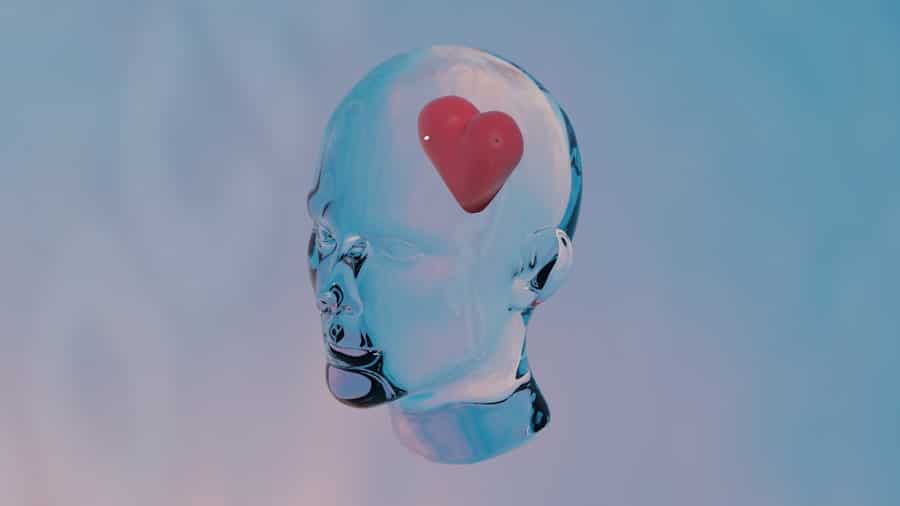
Looking ahead, the future of AI empath technology holds immense potential for transforming various aspects of our lives. You may envision a world where these systems become integral parts of our daily interactions—whether at home, in the workplace, or within healthcare settings. As advancements continue in machine learning and neural networks, AI empaths will likely become even more sophisticated in their ability to understand and respond to human emotions.
Moreover, as society becomes increasingly aware of mental health issues, the demand for empathetic technologies will likely grow. You might find it exciting to think about how future developments could lead to more advanced virtual companions that provide emotional support tailored specifically to individual needs. These companions could evolve alongside you, learning from your experiences and adapting their responses over time.
The possibilities are vast, and as technology continues to advance, so too will our understanding of how best to integrate AI empaths into our lives.
Limitations and Challenges of AI Empath
Despite the promising potential of AI empaths, there are notable limitations and challenges that must be addressed. One significant hurdle is the inherent complexity of human emotions themselves. You may recognize that emotions are often nuanced and context-dependent; they can vary widely from person to person and situation to situation.
Teaching an AI system to navigate this complexity is no small feat. While current technologies can analyze basic emotional cues effectively, they may struggle with more intricate emotional states or mixed feelings. Additionally, there is the challenge of cultural differences in emotional expression.
You might consider how emotions are communicated differently across cultures—what may be considered an expression of happiness in one culture could be interpreted differently in another. This variability poses a challenge for AI empaths aiming for universal applicability. Developers must ensure that these systems are trained on diverse datasets that encompass various cultural contexts to avoid misinterpretations that could lead to misunderstandings or negative experiences.
The Impact of AI Empath on Society
The impact of AI empaths on society is likely to be profound as these technologies become more integrated into our daily lives. You may find it fascinating how they could reshape our interactions with technology and each other. For instance, as people become accustomed to engaging with empathetic machines, there may be shifts in expectations regarding human interactions as well.
You might wonder whether this reliance on technology for emotional support could lead to changes in social dynamics or even affect interpersonal relationships. Moreover, the widespread adoption of AI empaths could influence societal attitudes toward mental health. As these technologies become more prevalent in mental health care and support systems, you may see a reduction in stigma surrounding mental health issues.
The normalization of seeking help from both human professionals and empathetic machines could encourage more individuals to prioritize their emotional well-being without fear of judgment. In conclusion, the emergence of AI empaths represents a significant advancement in our relationship with technology and our understanding of human emotions. As you reflect on this topic, consider both the opportunities and challenges that lie ahead as we navigate this evolving landscape together.
If you are interested in exploring how artificial intelligence can collaborate with humans in problem-solving, you should check out the article Bridging the Gap: Human-AI Collaboration in Problem Solving. This article delves into the ways in which AI can work alongside humans to tackle complex issues and find innovative solutions. It complements the insights provided in The AI Empath: Decoding Human Emotions with Uncanny Accuracy by highlighting the potential for AI to enhance our problem-solving capabilities.
FAQs
What is an AI Empath?
An AI Empath is an artificial intelligence system that is designed to understand and interpret human emotions with a high degree of accuracy.
How does an AI Empath work?
An AI Empath works by analyzing various data points such as facial expressions, tone of voice, body language, and even text to decipher and understand human emotions.
What are the potential applications of an AI Empath?
An AI Empath can be used in a wide range of applications such as customer service, mental health support, market research, and even in the field of human-computer interaction.
What are the benefits of using an AI Empath?
The benefits of using an AI Empath include improved customer satisfaction, better understanding of human behavior, and the ability to provide personalized and empathetic interactions.
Are there any ethical concerns related to the use of AI Empaths?
Yes, there are ethical concerns related to the use of AI Empaths, such as privacy issues, potential misuse of personal data, and the need for transparency in how the technology is used.