Imagine a world where you could step into a machine and traverse the corridors of time, witnessing historical events as they unfolded or peering into the future to see what lies ahead. This concept, often relegated to the realm of science fiction, is becoming increasingly plausible with the advent of artificial intelligence. The AI Time Traveler is not merely a fantastical idea; it represents a convergence of advanced algorithms, data analysis, and historical knowledge that allows us to simulate past events and predict future scenarios.
As you delve into this fascinating topic, you will discover how AI can serve as a bridge between time periods, offering insights that were once thought to be beyond our reach. The potential of AI Time Traveler extends far beyond entertainment or curiosity. It has profound implications for education, research, and decision-making processes across various fields.
By harnessing the power of AI, you can explore the intricacies of history and the complexities of future possibilities. This article will guide you through the various dimensions of AI Time Traveler, examining its capabilities in simulating historical events, predicting future scenarios, and addressing the ethical implications that arise from such powerful technology.
Key Takeaways
- AI Time Traveler is a powerful tool that uses artificial intelligence to simulate historical events and predict future scenarios.
- The ethical implications of AI Time Traveler raise important questions about the use of technology to manipulate historical events and shape the future.
- Despite its potential, AI Time Traveler has limitations and challenges, such as the accuracy of historical data and the unpredictability of future events.
- AI Time Traveler has valuable applications in research and decision making, allowing for the exploration of alternative historical outcomes and the assessment of potential future scenarios.
- The role of AI Time Traveler in shaping the future is significant, as it can provide insights and guidance for decision makers in various fields.
Simulating Historical Events
One of the most captivating applications of AI Time Traveler is its ability to simulate historical events. Imagine being able to witness the signing of the Declaration of Independence or standing in the crowd during Martin Luther King Jr.’s “I Have a Dream” speech. Through sophisticated algorithms and vast databases of historical data, AI can recreate these moments with remarkable accuracy.
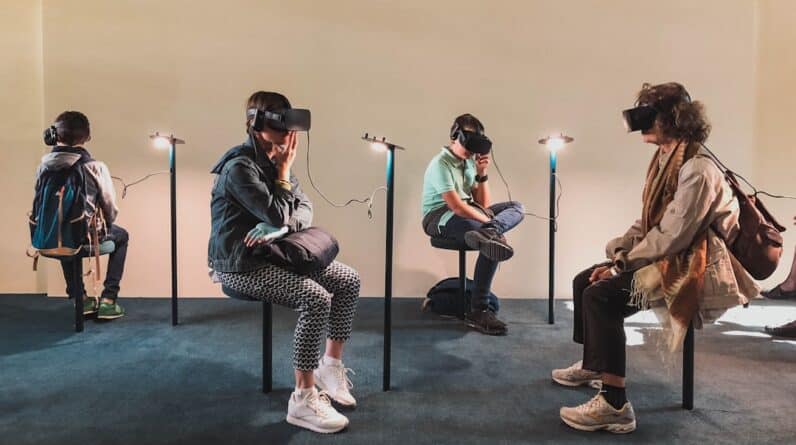
By analyzing texts, images, and other artifacts from the past, AI can generate immersive experiences that allow you to engage with history in a way that textbooks simply cannot provide. These simulations are not just for entertainment; they serve as valuable educational tools. As you interact with these historical recreations, you gain a deeper understanding of the context and significance of events.
For educators, this means an opportunity to inspire students by bringing history to life. Instead of passively reading about events, students can actively participate in them, fostering a more profound connection to their learning. Furthermore, researchers can utilize these simulations to analyze historical patterns and trends, leading to new insights that could reshape our understanding of the past.
Predicting Future Scenarios
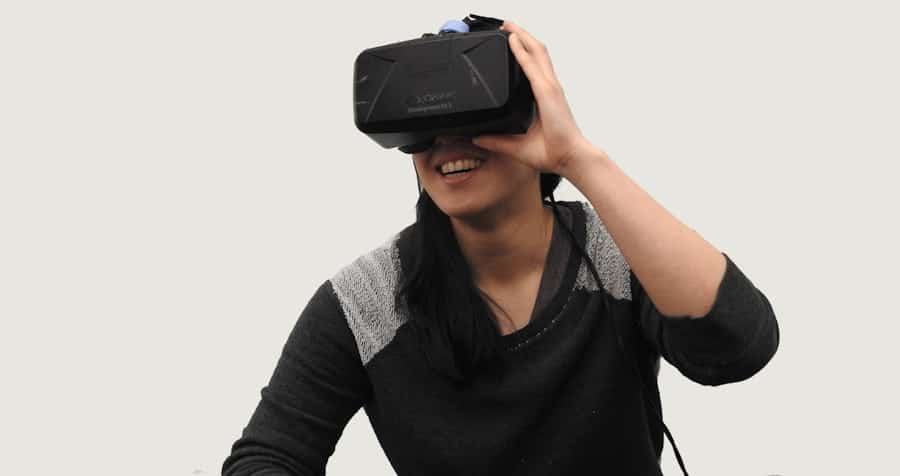
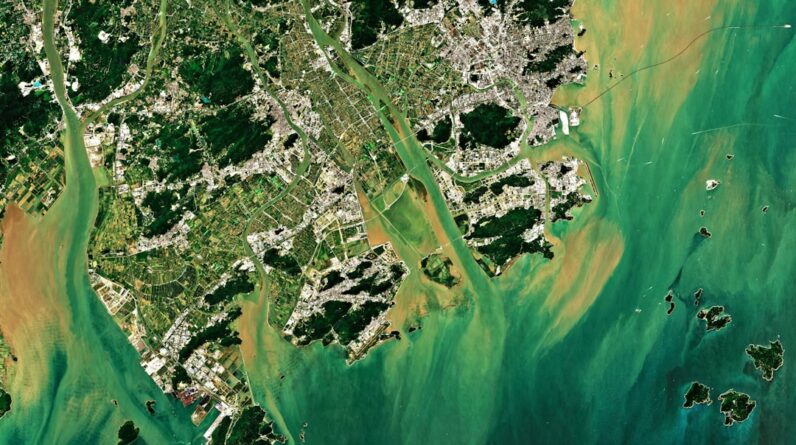
While simulating the past is an exciting prospect, predicting future scenarios is where AI Time Traveler truly shines. By leveraging vast amounts of data from various sources—economic indicators, social media trends, climate models—AI can generate forecasts about potential future events. Imagine being able to visualize how different policies might impact society or how technological advancements could alter daily life in the coming decades.
This capability allows you to explore multiple futures based on different variables and decisions. The implications of this predictive power are immense. In fields such as urban planning, healthcare, and environmental science, decision-makers can use AI-generated scenarios to inform their strategies.
For instance, city planners can simulate the effects of new transportation systems on traffic patterns and pollution levels. Similarly, public health officials can model the spread of diseases under various intervention strategies. By providing a clearer picture of potential outcomes, AI Time Traveler empowers you to make informed choices that could lead to better societal outcomes.
Ethical Implications of AI Time Traveler
As with any powerful technology, the ethical implications of AI Time Traveler warrant careful consideration. The ability to simulate historical events raises questions about accuracy and representation. Who decides which events are worth recreating?
How do we ensure that these simulations are not biased or misleading? As you engage with these historical recreations, it is crucial to remain aware of the narratives being presented and the potential for manipulation. Moreover, predicting future scenarios introduces its own set of ethical dilemmas.
The accuracy of predictions can significantly influence public policy and individual behavior. If an AI model predicts a catastrophic event based on current trends, how should society respond? The responsibility lies not only with the developers of these models but also with those who interpret and act upon their findings.
As you navigate this landscape, it becomes essential to advocate for transparency and accountability in AI systems to ensure that they serve the greater good rather than perpetuating existing inequalities or fears.
Limitations and Challenges of AI Time Traveler
Despite its remarkable potential, AI Time Traveler is not without limitations and challenges. One significant hurdle is the quality and availability of data. Historical records are often incomplete or biased, which can affect the accuracy of simulations.
As you explore these recreations, it is essential to recognize that they may not capture the full complexity of historical events. Additionally, predicting future scenarios relies heavily on current data trends; unforeseen variables can lead to inaccurate forecasts. Another challenge lies in the technological aspects of creating immersive simulations.
While advancements in virtual reality and augmented reality have made it possible to create engaging experiences, there are still technical limitations that can hinder realism. The cost and accessibility of such technologies may also restrict their widespread use in educational settings or public discourse. As you consider these challenges, it becomes clear that ongoing research and development are necessary to enhance the capabilities of AI Time Traveler.
Applications of AI Time Traveler in Research and Decision Making
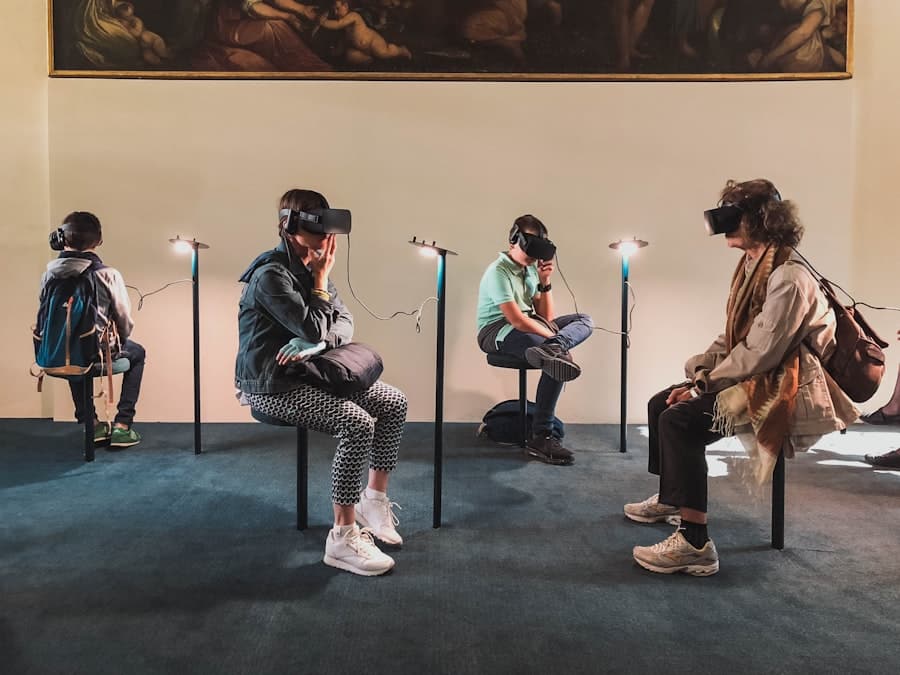
The applications of AI Time Traveler extend far beyond entertainment; they hold significant promise for research and decision-making across various fields. In academia, historians can utilize AI simulations to test hypotheses about historical causation or societal change. By analyzing how different factors influenced events in the past, researchers can gain insights that inform contemporary discussions about social justice, governance, and cultural evolution.
In business and industry, decision-makers can leverage predictive models generated by AI Time Traveler to assess risks and opportunities. For instance, companies can simulate market trends based on consumer behavior data to strategize product launches or marketing campaigns effectively. Similarly, policymakers can use these models to evaluate the potential impact of legislation on economic growth or public health outcomes.
By integrating AI into research and decision-making processes, you can enhance your ability to navigate complex challenges and make informed choices.
The Role of AI Time Traveler in Shaping the Future
As you contemplate the future role of AI Time Traveler, it becomes evident that this technology has the potential to shape not only our understanding of history but also our approach to future challenges. By providing insights into past events and predicting possible outcomes, AI can guide individuals and organizations toward more sustainable practices and equitable solutions. Imagine a world where policymakers rely on data-driven simulations to craft legislation that addresses climate change or social inequality effectively.
Moreover, as society becomes increasingly interconnected through technology, the ability to visualize different futures can foster collaboration across disciplines and borders. By engaging with diverse perspectives through AI-generated scenarios, you can cultivate a more holistic understanding of global issues. This collaborative approach may lead to innovative solutions that transcend traditional boundaries and promote collective well-being.
Conclusion and Future Developments
In conclusion, the concept of AI Time Traveler represents a remarkable intersection of technology and human curiosity about time itself. As you have explored throughout this article, its capabilities in simulating historical events and predicting future scenarios offer unprecedented opportunities for education, research, and decision-making. However, it is essential to remain vigilant about the ethical implications and limitations associated with this powerful tool.
Looking ahead, continued advancements in artificial intelligence will likely enhance the capabilities of AI Time Traveler even further. As researchers develop more sophisticated algorithms and improve data collection methods, you can expect increasingly accurate simulations and predictions that will enrich our understanding of both history and potential futures. Embracing this technology responsibly will be crucial as we navigate the complexities of our world and strive for a better tomorrow.
If you are interested in the applications of AI in various fields, you may also want to check out this article on AI for Wildlife Conservation: Protecting Endangered Species. This article explores how artificial intelligence is being used to protect wildlife and preserve biodiversity. Just like The AI Time Traveler simulates history and predicts the future, AI is also being utilized to make a positive impact on the environment and help protect endangered species.
FAQs
What is time travel simulation in the context of AI?
Time travel simulation in the context of AI refers to the use of artificial intelligence to analyze historical data and simulate possible future scenarios. This involves using algorithms and machine learning to process large amounts of historical information and make predictions about future events.
How does the AI time traveler simulate history?
The AI time traveler simulates history by analyzing historical data such as past events, trends, and patterns. It uses this information to create simulations of past events and their potential outcomes, allowing researchers to gain insights into historical events and their impact on the present and future.
What are the applications of AI time travel simulation?
The applications of AI time travel simulation are wide-ranging and include historical research, policy analysis, risk assessment, and scenario planning. It can be used to better understand historical events, predict future trends, and make informed decisions in various fields such as finance, healthcare, and urban planning.
How accurate are the predictions made by the AI time traveler?
The accuracy of predictions made by the AI time traveler depends on the quality of the historical data and the sophistication of the AI algorithms used. While AI can provide valuable insights and identify potential trends, it is important to note that predictions about the future are inherently uncertain and subject to change based on new information and unforeseen events.
What are the ethical considerations of using AI time travel simulation?
Ethical considerations of using AI time travel simulation include concerns about privacy, bias in historical data, and the potential misuse of predictive insights. It is important for researchers and practitioners to consider the ethical implications of using AI to simulate history and make predictions about the future, and to ensure that the technology is used responsibly and in the public interest.