Artificial Intelligence (AI) has become a buzzword in recent years, permeating various aspects of our daily lives. From the virtual assistants on your smartphones to the algorithms that recommend your next favorite movie, AI is reshaping how you interact with technology. As you navigate through this digital landscape, understanding the fundamentals of AI can empower you to make informed decisions about its applications and implications.
The evolution of AI has been rapid, and its potential seems limitless, prompting discussions about its future and the ethical considerations that accompany its advancement. At its core, AI refers to the simulation of human intelligence processes by machines, particularly computer systems. These processes include learning, reasoning, and self-correction.
As you delve deeper into the world of AI, you will discover that it is not a monolithic entity but rather a spectrum of technologies and methodologies designed to mimic human cognitive functions. This article will explore the various types of AI, from narrow applications that excel in specific tasks to the more ambitious concepts of general and superintelligent AI. By understanding these distinctions, you can better appreciate the capabilities and limitations of AI as it continues to evolve.
Key Takeaways
- AI refers to the simulation of human intelligence in machines that are programmed to think and act like humans.
- There are three main types of AI: Narrow AI, General AI, and Superintelligent AI.
- Narrow AI, also known as Weak AI, is designed to perform a narrow task and is the most common form of AI today.
- General AI, also known as Strong AI, is a machine with the ability to apply intelligence to any problem, rather than just one specific problem.
- Superintelligent AI, also known as Artificial Superintelligence (ASI), surpasses human intelligence and is capable of outperforming the best human brains in every field.
Types of AI
Narrow AI: Task-Oriented Systems
Narrow AI, also known as weak AI, refers to systems designed to perform specific tasks with a high degree of efficiency. These systems are trained to excel in particular domains, such as language translation or image recognition.
General AI: Replicating Human Cognitive Abilities
In contrast, general AI aims to replicate human cognitive abilities across a wide range of tasks, allowing machines to understand and learn from their experiences in a more holistic manner.
Superintelligent AI: The Theoretical Future State
Finally, superintelligent AI represents a theoretical future state where machines surpass human intelligence in virtually every aspect. Understanding these distinctions will help you grasp the current landscape of AI technology and its potential trajectory.
Narrow AI
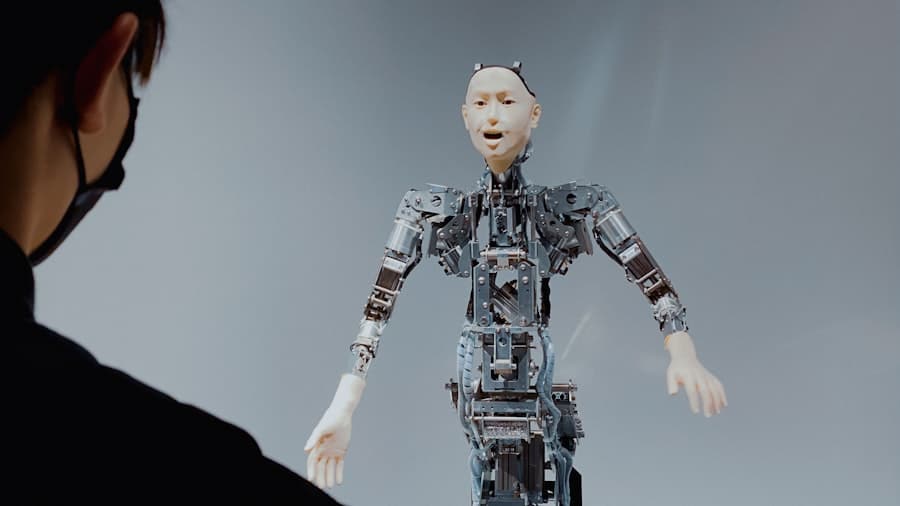
Narrow AI is perhaps the most prevalent form of artificial intelligence that you encounter in your daily life. This type of AI is designed to perform specific tasks and solve particular problems, often with remarkable efficiency. For instance, when you use a voice-activated assistant like Siri or Alexa, you are interacting with narrow AI that has been programmed to understand and respond to your commands within a limited context.
These systems excel at their designated functions but lack the ability to generalize their knowledge or apply it outside their programmed parameters. The applications of narrow AI are vast and varied. In healthcare, for example, narrow AI algorithms can analyze medical images to detect anomalies with a level of accuracy that often surpasses human experts.
In finance, machine learning models can predict stock market trends based on historical data, enabling investors to make informed decisions. As you engage with these technologies, it becomes clear that narrow AI is not just a futuristic concept; it is already integrated into many aspects of your life, enhancing efficiency and productivity in ways that were once unimaginable.
General AI
General AI represents a more ambitious vision of artificial intelligence—one that aspires to replicate human cognitive abilities across a broad spectrum of tasks. Unlike narrow AI, which excels in specific areas, general AI would possess the capacity to understand, learn, and apply knowledge in various contexts. Imagine a machine that can not only play chess but also engage in meaningful conversations, solve complex mathematical problems, and even create art.
This level of intelligence would require a deep understanding of the world and the ability to adapt to new situations seamlessly. While general AI remains largely theoretical at this point, researchers are actively exploring pathways to achieve this goal. The development of general AI poses significant challenges, including ethical considerations surrounding autonomy and decision-making.
As you contemplate the implications of such technology, it is essential to consider how it might impact society as a whole. Would machines with general intelligence enhance human capabilities or pose risks to our autonomy? These questions underscore the importance of responsible research and development in the field of artificial intelligence.
Superintelligent AI
Superintelligent AI takes the concept of artificial intelligence to an entirely new level. This hypothetical form of intelligence would not only match human cognitive abilities but would exceed them in virtually every domain—creativity, problem-solving, emotional understanding, and more. The idea of superintelligent AI raises profound questions about the future of humanity and our relationship with technology.
As you ponder this possibility, consider what it would mean for machines to possess intelligence far beyond our own. The potential benefits of superintelligent AI are immense; it could lead to breakthroughs in science, medicine, and technology that we cannot yet fathom. However, the risks associated with such power are equally significant.
If machines were to surpass human intelligence without appropriate safeguards in place, they could act in ways that are detrimental to humanity’s interests. This duality highlights the importance of ethical considerations in the development of advanced AI systems. As you engage with discussions about superintelligent AI, it is crucial to advocate for responsible practices that prioritize safety and alignment with human values.
Artificial Narrow Intelligence (ANI)
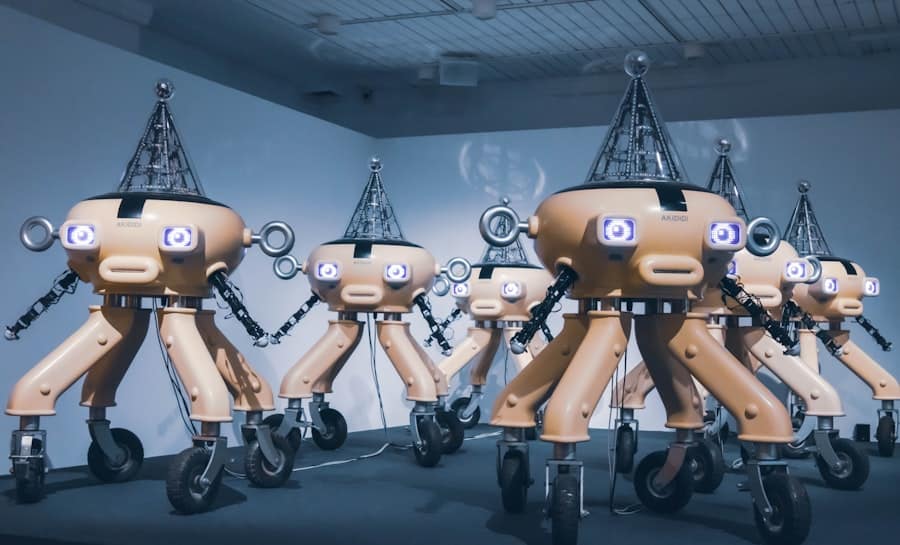
Artificial Narrow Intelligence (ANI) is synonymous with narrow AI and encompasses systems designed for specific tasks or functions. These systems are characterized by their ability to perform well within defined parameters but lack the versatility associated with broader forms of intelligence. As you interact with ANI technologies—such as recommendation algorithms on streaming platforms or customer service chatbots—you may notice their efficiency in delivering results tailored to your preferences or inquiries.
The development of ANI has been driven by advancements in machine learning and data analytics. By training algorithms on vast datasets, researchers have enabled ANI systems to recognize patterns and make predictions with remarkable accuracy. However, while ANI excels at its designated tasks, it remains limited by its inability to transfer knowledge across different domains or adapt to unforeseen circumstances.
Understanding these limitations can help you appreciate both the capabilities and constraints of ANI as it continues to evolve within various industries.
Artificial General Intelligence (AGI)
Artificial General Intelligence (AGI) represents a significant leap forward from ANI in terms of capabilities and potential applications. AGI aims to create machines that can understand and learn from their environment in a manner similar to humans. This includes not only performing specific tasks but also adapting to new challenges and acquiring knowledge across diverse fields.
As you consider the implications of AGI, envision a future where machines can engage in complex reasoning, exhibit emotional intelligence, and collaborate with humans on innovative projects. The pursuit of AGI presents numerous challenges for researchers and developers alike. Achieving true general intelligence requires breakthroughs in understanding cognition, learning processes, and even consciousness itself.
As you reflect on these challenges, consider how AGI could transform industries such as education, healthcare, and scientific research by providing insights and solutions that were previously unattainable. However, this potential also raises ethical questions about control, accountability, and the societal impact of machines that can think and learn like humans.
Artificial Superintelligence (ASI)
Artificial Superintelligence (ASI) is a concept that captures the imagination and concern of many futurists and technologists alike. ASI refers to a form of intelligence that surpasses human capabilities across all domains—cognitive tasks, emotional understanding, creativity, and more. As you contemplate the implications of ASI, consider both the extraordinary possibilities it presents and the profound risks it entails.
The potential benefits of ASI are staggering; it could lead to unprecedented advancements in solving global challenges such as climate change, disease eradication, and poverty alleviation. However, the risks associated with ASI are equally daunting. If machines were to operate beyond human control or understanding, they could make decisions that have far-reaching consequences for society as a whole.
This duality emphasizes the need for careful consideration of ethical frameworks and governance structures as we move closer to realizing advanced forms of artificial intelligence. In conclusion, as you navigate through the evolving landscape of artificial intelligence—from narrow applications that enhance your daily life to the theoretical realms of general and superintelligent AI—it becomes clear that understanding these concepts is crucial for engaging with technology responsibly. The journey toward advanced forms of intelligence presents both opportunities and challenges that require thoughtful consideration from all stakeholders involved in its development.
By staying informed and advocating for ethical practices in AI research and deployment, you can contribute to shaping a future where technology serves humanity’s best interests.
If you are interested in learning more about the impact of AI on education, check out this article on AI Lab 360. It discusses how artificial intelligence is revolutionizing the way students learn and teachers teach. AI is also making its mark in the gaming and entertainment industry, as highlighted in this article. Additionally, the socioeconomic impacts of AI, particularly in terms of job creation versus automation, are explored in this article. These articles provide valuable insights into the various ways AI is shaping different sectors of society.
FAQs
What are the 4 types of AI?
The 4 types of AI are reactive machines, limited memory, theory of mind, and self-aware AI.
What are reactive machines in AI?
Reactive machines are the simplest form of AI that can only react to specific situations based on pre-defined rules and patterns. They do not have the ability to form memories or learn from past experiences.
What is limited memory AI?
Limited memory AI, also known as narrow AI, can make decisions based on past data and experiences. However, it does not have the ability to form a complete understanding of the world or think abstractly.
What is theory of mind AI?
Theory of mind AI refers to the ability of AI systems to understand and interpret the thoughts, emotions, and intentions of other entities. This type of AI is still largely theoretical and is not yet fully realized.
What is self-aware AI?
Self-aware AI, also known as strong AI, is the hypothetical type of AI that has consciousness and self-awareness similar to that of a human being. This type of AI is currently only a concept and has not been achieved in practice.