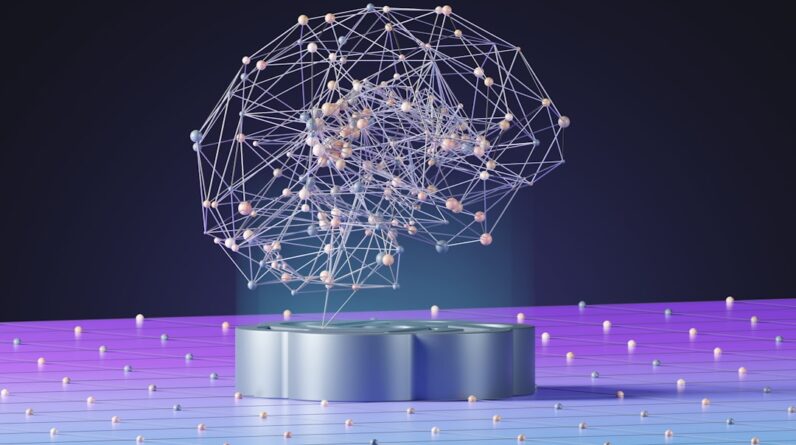
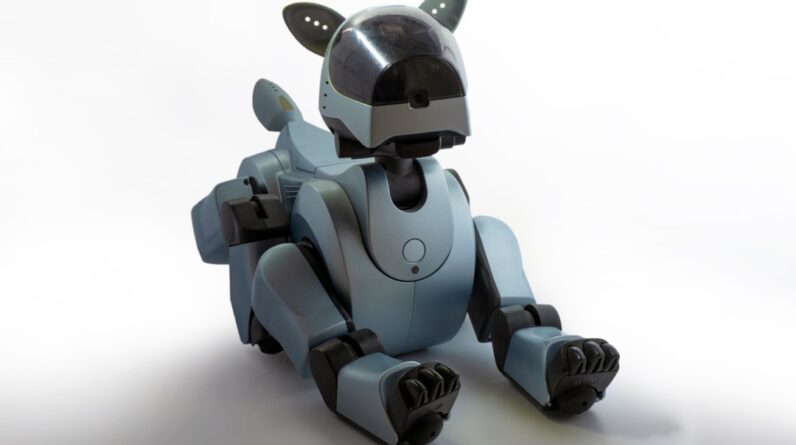
Artificial Intelligence (AI) is a term that encompasses a wide range of technologies and methodologies aimed at creating machines capable of performing tasks that typically require human intelligence. When you think of AI, you might envision robots that can converse, learn, and adapt to new situations. At its core, AI involves the development of algorithms and systems that can process information, recognize patterns, and make decisions based on data.
This definition extends beyond mere automation; it includes the ability to reason, understand natural language, and even exhibit emotional intelligence in some contexts. As you delve deeper into the concept of AI, you will find that it is not a monolithic entity but rather a spectrum of capabilities. From simple rule-based systems that follow predefined instructions to complex neural networks that mimic the human brain’s functioning, AI can take many forms.
The essence of AI lies in its ability to learn from experience and improve over time, making it a powerful tool for solving complex problems across various domains.
Key Takeaways
- Artificial Intelligence (AI) refers to the simulation of human intelligence in machines that are programmed to think and act like humans.
- The history of AI dates back to ancient times, but the modern concept of AI emerged in the 1950s with the development of computer technology.
- There are three main types of AI: narrow or weak AI, general or strong AI, and artificial superintelligence.
- AI has a wide range of applications, including in healthcare, finance, transportation, and entertainment.
- Challenges and ethical considerations in AI include job displacement, bias in algorithms, and the potential for misuse of AI technology.
History of Artificial Intelligence
The journey of artificial intelligence began in the mid-20th century, a time when computer scientists first started to explore the potential of machines to simulate human thought processes. In 1956, the Dartmouth Conference marked a pivotal moment in AI history, as it brought together leading researchers who laid the groundwork for future developments. You might find it fascinating that early AI research focused on symbolic reasoning and problem-solving, with programs designed to play games like chess or solve mathematical equations.
As the decades progressed, the field experienced cycles of optimism and disappointment, often referred to as “AI winters.” These periods were characterized by reduced funding and interest due to unmet expectations. However, breakthroughs in machine learning and data availability in the 21st century reignited interest in AI. You may be surprised to learn that advancements in computing power and the rise of big data have played a crucial role in transforming AI from theoretical concepts into practical applications that permeate everyday life.
Types of Artificial Intelligence
When you explore the different types of artificial intelligence, you will encounter two primary categories: narrow AI and general AI. Narrow AI, also known as weak AI, refers to systems designed to perform specific tasks. These systems excel in their designated areas but lack the ability to generalize their knowledge beyond those tasks.
For instance, virtual assistants like Siri or Alexa are examples of narrow AI; they can understand voice commands and perform functions like setting reminders or playing music but cannot engage in broader conversations or think independently. On the other hand, general AI, or strong AI, represents a more ambitious goal: creating machines that possess human-like cognitive abilities across a wide range of tasks. While this concept remains largely theoretical at present, it sparks your imagination about the possibilities of machines that can reason, learn, and adapt in ways similar to humans.
The pursuit of general AI raises intriguing questions about consciousness and self-awareness, pushing the boundaries of what we consider intelligence.
Applications of Artificial Intelligence
The applications of artificial intelligence are vast and varied, impacting numerous sectors and industries. In healthcare, for example, AI algorithms analyze medical data to assist doctors in diagnosing diseases more accurately and efficiently. You may have heard about AI’s role in drug discovery, where machine learning models predict how different compounds will interact with biological systems, significantly speeding up the research process.
In the realm of business, AI is revolutionizing customer service through chatbots that provide instant support and personalized recommendations based on user behavior. You might also notice how AI-driven analytics tools help companies make data-informed decisions by identifying trends and patterns that would be difficult for humans to discern alone. From autonomous vehicles navigating city streets to smart home devices optimizing energy usage, the applications of AI are reshaping how you interact with technology daily.
Challenges and Ethical Considerations in Artificial Intelligence
As you explore the landscape of artificial intelligence, it becomes evident that with great power comes great responsibility. The rapid advancement of AI technologies raises several challenges and ethical considerations that society must address. One significant concern is bias in AI algorithms.
If the data used to train these systems contains biases—whether racial, gender-based, or socioeconomic—the resulting AI can perpetuate and even amplify these biases in decision-making processes. This issue highlights the importance of transparency and fairness in AI development. Another pressing ethical consideration is privacy.
As AI systems collect vast amounts of personal data to function effectively, there is an ongoing debate about how this data is used and protected. You may find yourself questioning who has access to your information and how it is being utilized. Additionally, the potential for job displacement due to automation raises concerns about economic inequality and workforce adaptation.
As AI continues to evolve, society must grapple with these challenges to ensure that technology serves humanity’s best interests.
The Future of Artificial Intelligence
Looking ahead, the future of artificial intelligence holds both promise and uncertainty. As you consider the trajectory of AI development, you may envision a world where machines enhance human capabilities rather than replace them. The integration of AI into various aspects of life could lead to unprecedented advancements in fields like education, where personalized learning experiences cater to individual student needs.
Imagine an educational system where AI tutors adapt their teaching methods based on each student’s learning style and pace. However, this future also necessitates careful consideration of regulatory frameworks and ethical guidelines to govern AI’s development and deployment. You might wonder how society will balance innovation with accountability as AI technologies become increasingly sophisticated.
The potential for collaboration between humans and machines could redefine industries and create new opportunities for creativity and problem-solving.
Impact of Artificial Intelligence on Society
The impact of artificial intelligence on society is profound and multifaceted. As you navigate this evolving landscape, you will likely notice how AI influences various aspects of daily life—from the way you communicate with friends to how businesses operate. In healthcare, for instance, AI-driven diagnostics can lead to earlier detection of diseases, ultimately saving lives and improving patient outcomes.
In transportation, autonomous vehicles promise to reduce accidents caused by human error while enhancing mobility for those unable to drive. Yet, as you reflect on these advancements, it’s essential to consider the broader societal implications. The digital divide may widen if access to AI technologies remains unequal across different demographics.
You might also ponder how cultural perceptions of intelligence will shift as machines become more capable. The integration of AI into society challenges traditional notions of work, creativity, and even what it means to be human.
The Potential and Limitations of Artificial Intelligence
In conclusion, artificial intelligence represents a remarkable convergence of technology and human ingenuity with the potential to transform our world in ways we are only beginning to understand. As you contemplate its capabilities—from enhancing productivity to solving complex global challenges—you must also acknowledge its limitations. While AI can process vast amounts of data quickly and efficiently, it lacks the emotional depth and ethical reasoning inherent in human decision-making.
As we stand on the brink of an AI-driven future, it is crucial for you and society as a whole to engage in thoughtful discussions about its implications. By fostering collaboration between technologists, ethicists, policymakers, and the public, we can harness the power of artificial intelligence while ensuring it aligns with our values and aspirations. The journey ahead is filled with possibilities; navigating it wisely will determine whether AI becomes a force for good or a source of division.
If you are interested in exploring how artificial intelligence can mimic human emotions, you may want to check out the article Emotion AI: Understanding and Mimicking Human Feelings. This article delves into the fascinating world of emotion AI and how it can enhance our understanding of human emotions.
FAQs
What is Artificial Intelligence (AI)?
Artificial Intelligence (AI) refers to the simulation of human intelligence in machines that are programmed to think and act like humans. It involves the development of computer systems that can perform tasks that typically require human intelligence, such as visual perception, speech recognition, decision-making, and language translation.
How does Artificial Intelligence work?
AI systems work by processing large amounts of data, identifying patterns and trends, and using algorithms to make decisions or take actions. These systems can be trained to improve their performance over time through a process called machine learning.
What are the different types of Artificial Intelligence?
There are three main types of AI: narrow or weak AI, general or strong AI, and artificial superintelligence. Narrow AI is designed to perform a specific task, while general AI is capable of performing any intellectual task that a human can do. Artificial superintelligence refers to AI that surpasses human intelligence in every aspect.
What are some examples of Artificial Intelligence in everyday life?
AI is used in various applications, such as virtual assistants (e.g., Siri, Alexa), recommendation systems (e.g., Netflix, Amazon), autonomous vehicles, medical diagnosis, fraud detection, and language translation. It is also increasingly being integrated into smart home devices, healthcare, finance, and manufacturing.
What are the potential benefits and risks of Artificial Intelligence?
The potential benefits of AI include increased efficiency, improved decision-making, enhanced productivity, and the ability to tackle complex problems. However, there are also concerns about job displacement, ethical implications, privacy issues, and the potential for AI to be used for malicious purposes. Ongoing research and regulation are important for addressing these risks.