Language serves as the backbone of communication, and in the realm of artificial intelligence (AI), it plays a pivotal role in how machines understand and interact with humans. As you delve into the world of AI, you will discover that language is not merely a tool for programming but a fundamental aspect that shapes the way AI systems learn, process information, and respond to user inputs. The intersection of language and AI is a fascinating area that encompasses various disciplines, including linguistics, computer science, and cognitive psychology.
Understanding this relationship is crucial for anyone looking to explore the capabilities and limitations of AI technologies. In the context of AI, language can be viewed through multiple lenses. On one hand, there are the programming languages that developers use to create AI algorithms and models.
On the other hand, there is natural language processing (NLP), which enables machines to comprehend and generate human language. This duality highlights the importance of language in both the development and application of AI systems. As you navigate through this article, you will gain insights into how different programming languages contribute to AI development and how NLP techniques empower machines to engage in meaningful conversations with users.
Key Takeaways
- Language in artificial intelligence (AI) refers to the programming languages and natural language processing used in AI development.
- Popular programming languages for AI development include Python, R, Java, and C++.
- Natural language processing and understanding are crucial components of AI, enabling machines to comprehend and respond to human language.
- Machine learning and AI languages, such as TensorFlow and PyTorch, are essential for building and training AI models.
- Python plays a significant role in AI development due to its simplicity, versatility, and extensive libraries for machine learning and data analysis.
Programming Languages for AI Development
When it comes to developing AI systems, the choice of programming language can significantly impact the efficiency and effectiveness of your projects. Various programming languages have emerged as popular choices for AI development, each offering unique features and capabilities. For instance, languages like Python, Java, and C++ are frequently utilized due to their robust libraries and frameworks that facilitate machine learning and data analysis.
As you explore these languages, you will find that they cater to different aspects of AI development, from algorithm implementation to data manipulation. Python stands out as one of the most favored languages for AI development, primarily due to its simplicity and readability. Its extensive libraries, such as TensorFlow, Keras, and PyTorch, provide powerful tools for building neural networks and conducting deep learning tasks.
However, other languages like Java also hold their ground in the AI landscape. Java’s portability and scalability make it an excellent choice for large-scale applications, particularly in enterprise environments. C++, on the other hand, offers high performance and control over system resources, making it suitable for applications requiring real-time processing or complex computations.
Natural Language Processing and Understanding
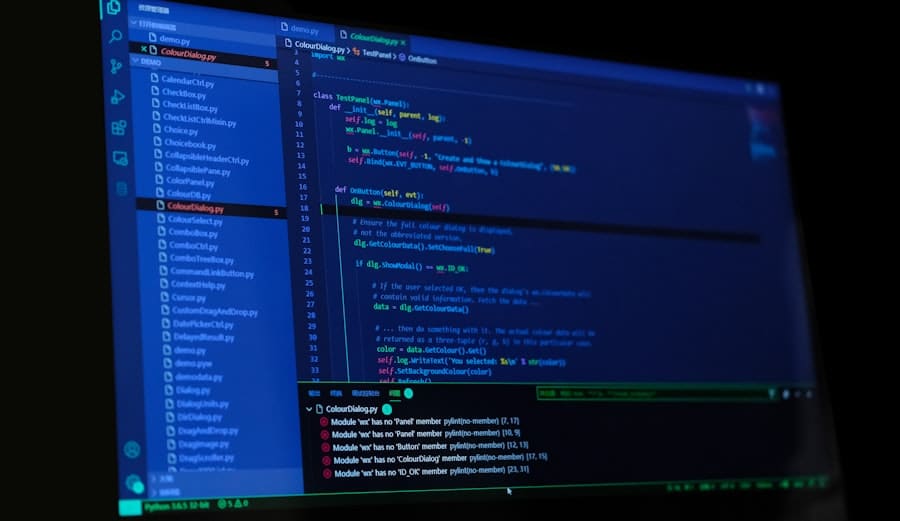
Natural Language Processing (NLP) is a subfield of AI that focuses on enabling machines to understand, interpret, and generate human language. As you delve deeper into NLP, you will encounter various techniques and algorithms designed to bridge the gap between human communication and machine comprehension. This area of study encompasses a wide range of applications, from chatbots and virtual assistants to sentiment analysis and language translation services.
One of the key challenges in NLP is dealing with the inherent ambiguity and complexity of human language. Words can have multiple meanings depending on context, and idiomatic expressions can pose additional hurdles for machines attempting to interpret them accurately. To address these challenges, researchers have developed sophisticated models that leverage machine learning techniques to analyze vast amounts of text data.
By training these models on diverse datasets, machines can learn to recognize patterns in language usage and improve their understanding over time.
Machine Learning and AI Languages
Machine learning is at the heart of many AI applications, enabling systems to learn from data and make predictions or decisions without explicit programming. The languages used in machine learning often share common features that facilitate data manipulation and algorithm implementation. As you explore this domain, you will find that languages like Python are particularly well-suited for machine learning tasks due to their rich ecosystem of libraries designed specifically for this purpose.
In addition to Python, other languages such as R have gained popularity in the data science community for their statistical capabilities. R provides a wide array of packages tailored for data analysis and visualization, making it an excellent choice for researchers and analysts working with complex datasets. Furthermore, languages like Julia are emerging as contenders in the machine learning space due to their high performance and ease of use for numerical computing tasks.
As you consider your options for machine learning development, it’s essential to evaluate the strengths and weaknesses of each language based on your specific project requirements.
The Role of Python in AI Development
Python has become synonymous with AI development for several compelling reasons. Its user-friendly syntax allows developers to write code quickly and efficiently, making it an ideal choice for both beginners and experienced programmers alike. The vast array of libraries available in Python simplifies complex tasks such as data preprocessing, model training, and evaluation.
As you engage with Python in your AI projects, you’ll likely find that its versatility enables you to tackle a wide range of challenges with relative ease. Moreover, Python’s strong community support fosters collaboration and knowledge sharing among developers. With numerous online resources, forums, and tutorials available, you can easily find assistance when encountering obstacles in your projects.
This collaborative environment encourages innovation and experimentation, allowing you to push the boundaries of what is possible with AI technologies. As you immerse yourself in Python’s ecosystem, you’ll discover that it not only enhances your productivity but also empowers you to create sophisticated AI solutions.
Other Languages Used in AI, such as Java and C++

While Python reigns supreme in the realm of AI development, other programming languages like Java and C++ also play significant roles in specific applications. Java’s platform independence makes it a popular choice for building large-scale enterprise applications that require robust performance and scalability. Its object-oriented nature allows developers to create modular code that can be easily maintained and updated over time.
As you explore Java’s capabilities in AI development, you’ll find that it excels in areas such as natural language processing and data mining. C++ is another language worth considering when developing high-performance AI applications. Its ability to provide low-level access to system resources allows developers to optimize their code for speed and efficiency.
This makes C++ particularly suitable for applications requiring real-time processing or complex simulations. While C++ may have a steeper learning curve compared to Python or Java, its performance advantages can be invaluable in certain contexts. As you weigh your options for programming languages in AI development, consider the specific requirements of your project and how each language aligns with those needs.
The Future of Language in Artificial Intelligence
As technology continues to evolve at a rapid pace, the future of language in artificial intelligence holds exciting possibilities. Advances in natural language processing are paving the way for more sophisticated interactions between humans and machines. You may soon find yourself engaging with AI systems that can understand context better than ever before, leading to more meaningful conversations and improved user experiences.
The integration of voice recognition technology is also transforming how we interact with devices, making communication more intuitive. Moreover, as machine learning models become increasingly complex, the demand for programming languages that can handle large datasets efficiently will continue to grow. Emerging languages like Julia may gain traction as they offer high performance while maintaining ease of use for developers.
Additionally, advancements in quantum computing could revolutionize how we approach AI development by enabling faster processing speeds and more efficient algorithms. As you look ahead to the future of language in AI, it’s essential to stay informed about these trends and consider how they may impact your work.
The Importance of Language in AI Development
In conclusion, language plays a crucial role in the development and application of artificial intelligence technologies. From programming languages that facilitate algorithm implementation to natural language processing techniques that enable machines to understand human communication, language is at the heart of AI innovation. As you embark on your journey into this dynamic field, recognizing the significance of language will empower you to make informed decisions about your projects.
The choice of programming language can influence not only the efficiency of your development process but also the capabilities of your AI systems. By understanding the strengths and weaknesses of various languages like Python, Java, and C++, you can select the most appropriate tools for your specific needs. Furthermore, as advancements continue to reshape the landscape of AI development, staying abreast of emerging trends will ensure that you remain at the forefront of this exciting field.
Ultimately, embracing the importance of language in AI will enable you to contribute meaningfully to its evolution and harness its potential for transformative impact across various industries.
If you are interested in learning more about the main problem of artificial intelligence, you should check out the article What is the Main Problem of Artificial Intelligence?. This article delves into the challenges and limitations that AI faces in its development and implementation. It provides valuable insights into the current state of AI technology and the obstacles that need to be overcome for further progress.
FAQs
What is the primary language used for artificial intelligence?
The primary language used for artificial intelligence is Python. It is widely used for AI development due to its simplicity, readability, and extensive libraries for machine learning and data analysis.
Are there other languages used for artificial intelligence?
Yes, there are other languages used for artificial intelligence, such as R, Java, C++, and Lisp. Each language has its own strengths and is used for specific AI applications.
Why is Python the preferred language for artificial intelligence?
Python is the preferred language for artificial intelligence due to its simplicity, readability, and extensive libraries such as TensorFlow, Keras, and scikit-learn, which are widely used for machine learning and data analysis.
Can artificial intelligence be developed using languages other than Python?
Yes, artificial intelligence can be developed using languages other than Python. Languages such as R, Java, C++, and Lisp are also used for AI development, depending on the specific requirements of the project.
What are the factors to consider when choosing a language for artificial intelligence development?
When choosing a language for artificial intelligence development, factors to consider include the specific requirements of the project, the availability of libraries and frameworks for machine learning and data analysis, and the expertise of the development team in a particular language.