As you delve into the fascinating world of archaeology, you may find yourself captivated by the stories of ancient civilizations and the artifacts they left behind. However, the field is undergoing a significant transformation, thanks to the integration of artificial intelligence (AI) into archaeological research. AI archaeology is not merely a buzzword; it represents a paradigm shift in how archaeologists approach their work, enabling them to analyze vast amounts of data and uncover insights that were previously unimaginable.
This innovative intersection of technology and history is reshaping our understanding of the past and opening new avenues for exploration. The advent of AI in archaeology is akin to discovering a new tool that enhances your ability to unearth hidden treasures. With machine learning algorithms and advanced data analytics, researchers can sift through mountains of information, identifying patterns and making connections that would take humans years to discern.
This technological revolution is not just about efficiency; it’s about expanding the horizons of what you can achieve in archaeological research. As you explore this topic further, you will discover how AI is not only streamlining processes but also enriching the narratives we tell about our shared human history.
Key Takeaways
- AI is revolutionizing archaeological research by enabling the analysis of large datasets and the identification of patterns that were previously impossible to detect.
- Machine learning plays a crucial role in analyzing ancient artifacts by helping to classify and interpret data, leading to new insights and discoveries.
- Remote sensing technology is instrumental in uncovering lost civilizations by allowing archaeologists to survey large areas and identify potential sites for further exploration.
- 3D scanning and virtual reality are being used in archaeological exploration to create immersive experiences and preserve artifacts digitally for future generations.
- Ethical considerations in AI archaeology include issues of data privacy, cultural sensitivity, and the responsible use of technology in archaeological research.
How AI is Revolutionizing Archaeological Research
In recent years, AI has emerged as a game-changer in archaeological research, fundamentally altering how you approach the study of ancient cultures. Traditional methods often relied on manual excavation and painstaking analysis, which could be time-consuming and limited in scope. However, with AI, you can now harness the power of algorithms to analyze data at an unprecedented scale.
This means that vast datasets—ranging from satellite imagery to historical texts—can be processed quickly, allowing for more comprehensive insights into past civilizations. One of the most significant advantages of AI in archaeology is its ability to predict where artifacts might be located. By analyzing existing data and identifying patterns, AI can help you determine potential excavation sites that may have been overlooked.
This predictive capability not only saves time and resources but also increases the likelihood of discovering significant archaeological finds. As you embrace these new methodologies, you will find that AI empowers you to make informed decisions about where to dig and what to study, ultimately enhancing your research outcomes.
The Role of Machine Learning in Analyzing Ancient Artifacts
Machine learning, a subset of AI, plays a pivotal role in the analysis of ancient artifacts. As you engage with this technology, you will discover how it can assist in classifying and interpreting objects that have been unearthed from archaeological sites. For instance, machine learning algorithms can be trained to recognize specific features in pottery or tools, allowing for more accurate categorization based on style, age, or cultural significance.
This automated classification process not only speeds up analysis but also reduces human error, leading to more reliable conclusions. Moreover, machine learning can help you uncover relationships between different artifacts and their contexts. By analyzing data from various sources—such as excavation records, historical documents, and even social media discussions—these algorithms can identify correlations that might not be immediately apparent.
This holistic approach enables you to construct a more nuanced understanding of how ancient societies functioned and interacted with their environments. As you explore the potential of machine learning in your archaeological endeavors, you will find that it opens up new avenues for research and interpretation.
Uncovering Lost Civilizations with Remote Sensing Technology
Remote sensing technology has revolutionized the way you can explore archaeological sites without disturbing the ground. By utilizing satellite imagery and aerial surveys, you can identify potential sites of interest from above, allowing for a non-invasive approach to discovery. This technology enables you to visualize landscapes and structures that may have been obscured by vegetation or erosion over time.
As you harness remote sensing tools, you will find that they provide a broader context for your research, revealing patterns in settlement distribution and land use that were previously hidden. The application of remote sensing technology extends beyond mere site identification; it also aids in understanding the environmental factors that influenced ancient civilizations. By analyzing changes in land use over time, you can gain insights into how societies adapted to their surroundings and responded to challenges such as climate change or resource scarcity.
This comprehensive perspective allows you to piece together the intricate tapestry of human history, revealing how interconnected our past truly is. As you engage with these technologies, you will find yourself at the forefront of a new era in archaeological exploration.
The Use of 3D Scanning and Virtual Reality in Archaeological Exploration
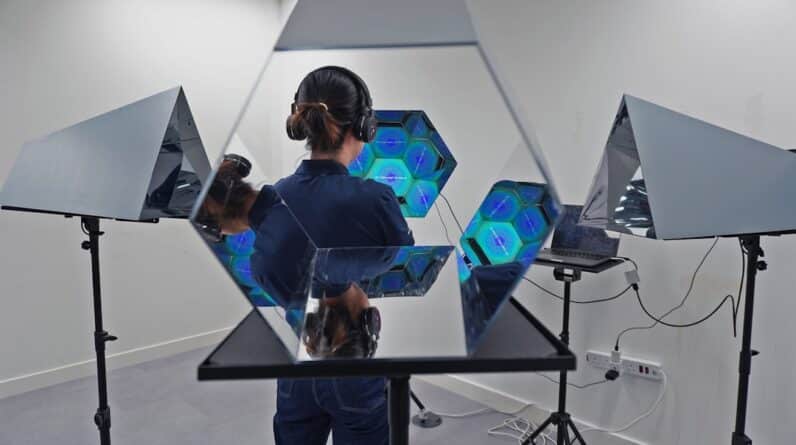
The advent of 3D scanning technology has opened up exciting possibilities for archaeological exploration. As you utilize this technology, you can create detailed digital models of artifacts and sites, preserving them for future study and public engagement. These 3D representations allow for a level of detail that traditional photography cannot capture, enabling you to examine objects from every angle and even simulate their original contexts.
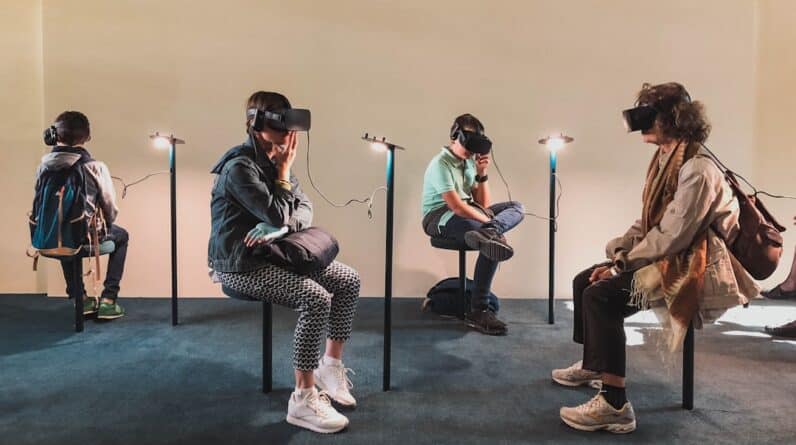
This capability is particularly valuable for fragile artifacts that cannot be handled frequently or are at risk of deterioration. In addition to 3D scanning, virtual reality (VR) offers an immersive experience that can transform how you interact with archaeological findings. Imagine stepping into a virtual reconstruction of an ancient city or walking through a digitally recreated temple.
VR allows you to experience history in a way that textbooks cannot convey, fostering a deeper connection to the past. As you explore these technologies, you will find that they not only enhance your research but also engage the public in meaningful ways, making archaeology accessible to a broader audience.
Ethical Considerations in AI Archaeology

As with any technological advancement, the integration of AI into archaeology raises important ethical considerations that you must navigate carefully. One significant concern is the potential for data misuse or misinterpretation. With vast amounts of information being processed by algorithms, there is a risk that findings could be taken out of context or used to support biased narratives about ancient cultures.
It is crucial for you to approach your research with a critical eye, ensuring that AI tools are used responsibly and ethically. Another ethical consideration involves the impact of technology on local communities and indigenous peoples. As AI-driven research uncovers new sites or artifacts, it is essential to engage with local stakeholders and respect their cultural heritage.
You must consider how your work affects these communities and strive to involve them in the research process whenever possible. By fostering collaboration and open dialogue, you can ensure that your archaeological endeavors contribute positively to the preservation of cultural heritage rather than detracting from it.
Case Studies: Successful Applications of AI in Archaeological Discoveries
To illustrate the transformative power of AI in archaeology, consider several case studies where this technology has led to remarkable discoveries. One notable example involves the use of machine learning algorithms to analyze satellite imagery in Egypt’s Nile Valley. Researchers were able to identify previously unknown burial sites and settlements by training algorithms to recognize patterns indicative of human activity.
This groundbreaking work not only expanded our understanding of ancient Egyptian civilization but also demonstrated the potential for AI to uncover lost histories. Another compelling case study comes from the analysis of ancient pottery shards using machine learning techniques. In this instance, researchers developed an algorithm capable of classifying pottery based on its stylistic features and chemical composition.
By applying this technology across multiple archaeological sites, they were able to trace trade routes and cultural exchanges between different civilizations over centuries. These findings underscore how AI can enhance our understanding of interconnectedness among ancient societies while providing valuable insights into their economic practices.
The Future of AI Archaeology: Potential Impact and Challenges
As you look toward the future of AI archaeology, it becomes clear that this field holds immense potential for further discoveries and advancements. The continued development of AI technologies promises to enhance your ability to analyze data, uncover hidden patterns, and engage with ancient cultures in innovative ways. However, this future also presents challenges that must be addressed thoughtfully.
One significant challenge lies in ensuring equitable access to AI tools and resources across different regions and institutions. As technology advances rapidly, there is a risk that disparities may widen between well-funded research institutions and those with limited resources. It is essential for the archaeological community to advocate for inclusive practices that democratize access to these technologies so that all researchers can benefit from their capabilities.
In conclusion, as you navigate the evolving landscape of AI archaeology, remember that this intersection of technology and history offers exciting opportunities for discovery while also demanding ethical responsibility. By embracing these advancements thoughtfully, you can contribute to a richer understanding of our shared past while ensuring that future generations inherit a legacy grounded in respect for cultural heritage.
In a related article titled Machines with Imagination: The Rise of Generative Adversarial Networks (GANs), the focus shifts to the innovative technology of GANs and how they are revolutionizing the field of artificial intelligence. Just like The AI Archaeologist is using modern tech to uncover ancient secrets, GANs are pushing the boundaries of what machines can create and imagine. Both articles showcase the incredible potential of AI to transform various industries and fields of study.
FAQs
What is an AI archaeologist?
An AI archaeologist is a combination of artificial intelligence and archaeological expertise used to analyze and interpret archaeological data.
How does an AI archaeologist work?
An AI archaeologist uses advanced algorithms and machine learning to analyze large datasets of archaeological information, such as satellite imagery, LiDAR scans, and historical records, to identify potential archaeological sites and patterns.
What are the benefits of using AI in archaeology?
Using AI in archaeology can help archaeologists identify potential sites more efficiently, analyze data on a larger scale, and make new discoveries that may have been overlooked using traditional methods.
What are some examples of AI being used in archaeology?
AI has been used to analyze satellite imagery to identify potential archaeological sites in remote areas, analyze LiDAR scans to uncover hidden structures in dense forests, and interpret ancient texts and inscriptions.
What are the limitations of AI in archaeology?
AI in archaeology is limited by the quality and quantity of available data, as well as the need for human expertise to interpret the results and make informed decisions about excavation and preservation.