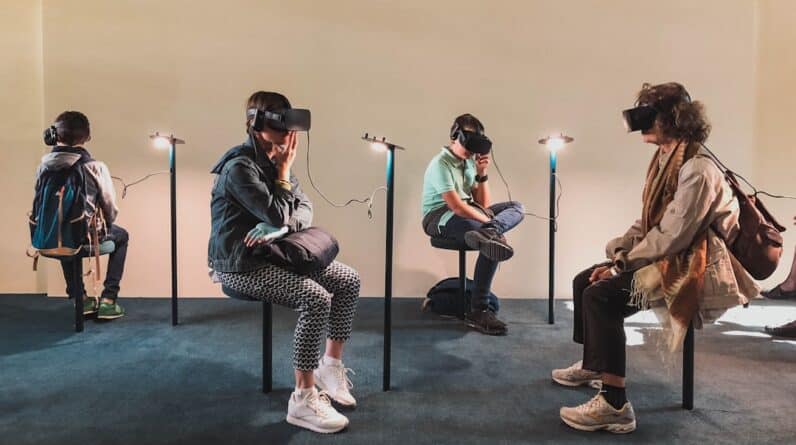
Imagine stepping into a time machine, a device that allows you to traverse the corridors of history, witnessing events as they unfolded. While this may sound like the stuff of science fiction, advancements in artificial intelligence (AI) are bringing us closer to this dream. AI’s potential to reconstruct historical events and contexts is revolutionizing how you perceive the past.
By leveraging vast amounts of data, machine learning algorithms can analyze patterns, predict outcomes, and even recreate scenarios that have long since faded from memory. This article delves into the fascinating intersection of AI and history, exploring how technology is reshaping our understanding of the past. As you embark on this journey through AI’s time machine, you’ll discover the pivotal role that machine learning plays in reconstructing history.
The ability to sift through mountains of data and extract meaningful insights is transforming historical research. No longer are historians limited to traditional methods; instead, they can harness the power of AI to uncover hidden narratives and provide a more nuanced understanding of historical events. This exploration will not only highlight the capabilities of AI but also address the challenges and ethical considerations that accompany its use in historical reconstruction.
Key Takeaways
- AI’s time machine uses machine learning to reconstruct historical events and gain a deeper understanding of the past.
- Machine learning plays a crucial role in analyzing and interpreting historical data to reconstruct events and timelines.
- AI is applied in historical reconstruction through data analysis, pattern recognition, and predictive modeling.
- Challenges and limitations of AI in historical reconstruction include data accuracy, bias, and the inability to capture human emotions and intentions.
- Ethical considerations in using AI for historical reconstruction include data privacy, cultural sensitivity, and the potential for historical revisionism.
The Role of Machine Learning in Reconstructing History
Machine learning, a subset of AI, is at the forefront of this historical renaissance. By employing algorithms that learn from data, machine learning enables you to analyze historical records in ways that were previously unimaginable. For instance, consider how these algorithms can process thousands of documents, images, and artifacts in mere seconds, identifying patterns and connections that might take a human researcher years to uncover.
This capability allows historians to reconstruct timelines, understand social dynamics, and even visualize historical events with remarkable accuracy. Moreover, machine learning can enhance your understanding of historical narratives by providing predictive insights. By analyzing trends and correlations within historical data, these algorithms can suggest how certain events may have unfolded or how different factors influenced outcomes.
This predictive power not only enriches your comprehension of history but also invites you to consider alternative scenarios and “what if” questions that challenge conventional narratives. As you engage with these insights, you may find yourself rethinking established historical accounts and appreciating the complexity of human experiences throughout time.
Applications of AI in Historical Reconstruction
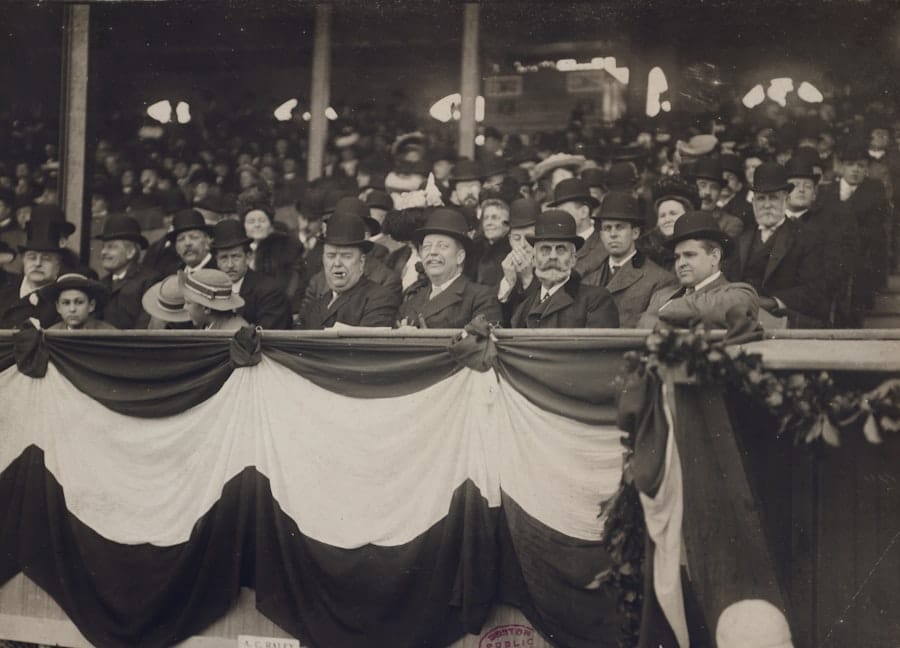
The applications of AI in historical reconstruction are as diverse as they are groundbreaking. One prominent area is the digitization and analysis of ancient texts. Imagine being able to read long-lost manuscripts or decipher inscriptions that have remained illegible for centuries.
AI-driven optical character recognition (OCR) technology can convert these texts into searchable formats, allowing you to explore their contents with ease. This not only preserves cultural heritage but also opens up new avenues for research and interpretation. Another fascinating application lies in the realm of archaeology.
AI algorithms can analyze satellite imagery and ground-penetrating radar data to identify potential archaeological sites that may have been overlooked by traditional methods. By predicting where artifacts or structures might be buried, AI assists archaeologists in their quest to uncover the past. As you consider these advancements, it becomes clear that AI is not merely a tool for historians; it is a partner in the pursuit of knowledge, enabling you to explore history in ways that were once thought impossible.
Challenges and Limitations of AI in Reconstructing History
Despite its transformative potential, the use of AI in reconstructing history is not without challenges. One significant limitation is the quality and availability of data. Historical records can be incomplete, biased, or even contradictory, which poses a challenge for machine learning algorithms that rely on accurate data for training.
As you delve deeper into this issue, you’ll recognize that the very nature of historical documentation—often fragmented and subjective—can lead to skewed interpretations when analyzed through an AI lens. Additionally, there is the risk of over-reliance on technology at the expense of human insight. While AI can process data at incredible speeds, it lacks the contextual understanding that comes from human experience and intuition.
As you navigate this landscape, it’s essential to strike a balance between leveraging AI’s capabilities and maintaining a critical perspective on its findings. The integration of human expertise with machine learning insights will ultimately yield a more comprehensive understanding of history.
Ethical Considerations in Using AI for Historical Reconstruction
As you explore the ethical dimensions of using AI for historical reconstruction, several key considerations emerge. One pressing concern is the potential for bias in AI algorithms. If the data used to train these systems reflects historical prejudices or omissions, the resulting analyses may perpetuate these biases rather than challenge them.
This raises important questions about whose narratives are being prioritized and how marginalized voices can be included in the historical discourse. Moreover, there is the issue of ownership and representation. As AI technologies become more prevalent in historical research, it is crucial to consider who controls the data and how it is used.
You may find yourself questioning whether communities whose histories are being reconstructed have a say in how their stories are told. Engaging with these ethical considerations will not only enhance your understanding of AI’s role in history but also encourage a more inclusive approach to historical research.
Case Studies: Successful Applications of AI in Reconstructing Historical Events
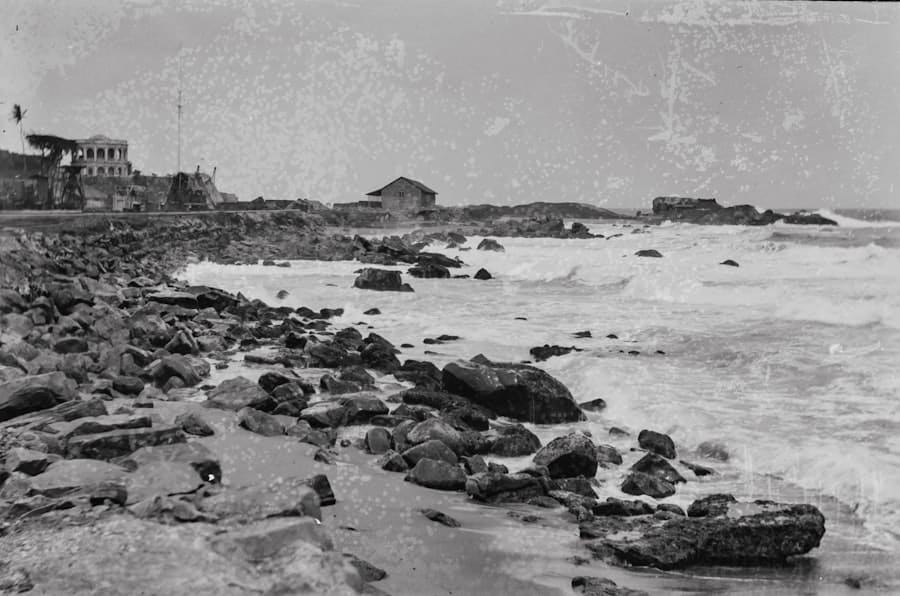
To illustrate the transformative impact of AI on historical reconstruction, consider several compelling case studies that showcase its successful applications. One notable example is the use of AI in analyzing World War II archives. Researchers have employed machine learning algorithms to sift through thousands of documents, photographs, and testimonies from veterans.
By identifying patterns and connections within this vast dataset, historians have been able to reconstruct lesser-known narratives about the war’s impact on various communities, shedding light on experiences that were previously overlooked. Another fascinating case study involves the reconstruction of ancient civilizations through predictive modeling. By analyzing archaeological data alongside environmental factors such as climate change and resource availability, researchers have utilized AI to simulate how societies like the Maya or Indus Valley civilization may have evolved over time.
These simulations provide valuable insights into how these cultures adapted to their environments and offer lessons for contemporary societies facing similar challenges.
Future Implications of AI’s Time Machine in Understanding History
As you contemplate the future implications of AI’s time machine for understanding history, several exciting possibilities emerge. The continued advancement of machine learning technologies will likely lead to even more sophisticated tools for analyzing historical data. Imagine being able to interact with virtual reconstructions of historical events or environments, allowing you to immerse yourself in different time periods as if you were truly there.
This level of engagement could revolutionize education and public history initiatives, making history more accessible and engaging for diverse audiences. Furthermore, as interdisciplinary collaboration between historians, data scientists, and ethicists becomes more common, you can expect a richer dialogue around how history is interpreted and presented. The integration of diverse perspectives will not only enhance your understanding but also ensure that marginalized voices are included in the narrative.
As you look ahead, it becomes clear that AI has the potential to democratize historical knowledge, empowering individuals from all backgrounds to engage with their pasts in meaningful ways.
The Impact of AI on Historical Research and Understanding
In conclusion, the impact of AI on historical research and understanding is profound and multifaceted. As you reflect on this journey through AI’s time machine, it’s evident that technology is reshaping how you perceive history—transforming it from a static account into a dynamic narrative filled with possibilities. The role of machine learning in reconstructing history cannot be overstated; it offers unprecedented opportunities for discovery while also presenting challenges that require careful consideration.
As you move forward in your exploration of history through the lens of AI, remember that this technology is not a replacement for human insight but rather a powerful ally in your quest for knowledge. By embracing both the capabilities and limitations of AI, you can contribute to a more nuanced understanding of our shared past—one that honors diverse perspectives and invites ongoing dialogue about what history means for us today and in the future.
AI’s Time Machine: Reconstructing History with Machine Learning explores the fascinating intersection of artificial intelligence and historical research. This article delves into how machine learning algorithms can analyze vast amounts of data to piece together historical events and timelines with unprecedented accuracy. For further insights into the ethical implications of AI technology, check out AI and Society: Navigating the Complex Relationship. This thought-provoking article discusses the impact of AI on various aspects of society and raises important questions about the future of technology.
FAQs
What is machine learning?
Machine learning is a subset of artificial intelligence that involves the development of algorithms and statistical models that enable computers to improve their performance on a specific task through experience and data, without being explicitly programmed.
How does machine learning reconstruct history?
Machine learning can reconstruct history by analyzing large amounts of historical data, such as texts, images, and artifacts, to identify patterns, trends, and relationships. This can help researchers and historians gain new insights into historical events and phenomena.
What are some examples of using machine learning to reconstruct history?
Some examples of using machine learning to reconstruct history include analyzing ancient texts to decipher lost languages, using image recognition to identify and categorize historical artifacts, and analyzing historical documents to uncover hidden connections and insights.
What are the benefits of using machine learning to reconstruct history?
The benefits of using machine learning to reconstruct history include the ability to uncover new insights and perspectives on historical events, the potential to fill in gaps in historical records, and the opportunity to preserve and digitize historical information for future generations.
What are the limitations of using machine learning to reconstruct history?
Limitations of using machine learning to reconstruct history include the potential for bias in the algorithms and data used, the need for careful interpretation of results, and the challenges of working with incomplete or ambiguous historical data.