As you step into the world of filmmaking, you may find yourself captivated by the intricate dance of creativity and technology that defines this art form. In recent years, artificial intelligence (AI) has emerged as a transformative force within the industry, reshaping how films are conceived, produced, and experienced. From scriptwriting to post-production, AI is not merely a tool; it is becoming an integral partner in the filmmaking process.
This evolution invites you to explore the myriad ways AI is influencing the cinematic landscape, offering both opportunities and challenges that filmmakers must navigate. The integration of AI into filmmaking is not just a passing trend; it represents a paradigm shift that could redefine storytelling itself. As you delve deeper into this topic, you will discover how AI technologies are enhancing creativity, improving efficiency, and even altering the very nature of narrative construction.
The potential for AI to revolutionize filmmaking is immense, and understanding its implications is essential for anyone involved in the industry today.
Key Takeaways
- AI is revolutionizing the film industry by enhancing various aspects of film making, from pre-production to post-production.
- AI plays a crucial role in pre-production by analyzing scripts, predicting audience preferences, and optimizing production schedules and budgets.
- In production, AI is used to enhance visual effects, create realistic CGI, and improve the overall quality of the film.
- AI streamlines the post-production process by automating editing tasks, enhancing sound design, and reducing the time and cost of post-production.
- AI is impacting storytelling and scriptwriting by analyzing audience data, predicting trends, and generating creative ideas, but it also raises ethical considerations and challenges.
The Role of AI in Pre-Production
In the pre-production phase, where ideas begin to take shape, AI tools are proving invaluable. You might be surprised to learn that AI can assist in script analysis, helping writers identify trends and themes that resonate with audiences. By analyzing vast amounts of data from previous films, AI can provide insights into what elements make a story successful.
This data-driven approach allows you to refine your script, ensuring it aligns with audience preferences while maintaining your unique voice as a storyteller. Moreover, AI can streamline the casting process by analyzing actor performances and audience reactions to previous roles. Imagine having access to a system that evaluates potential cast members based on their past performances and compatibility with your project’s vision.
This not only saves time but also enhances the likelihood of assembling a cast that can bring your story to life in the most compelling way possible. As you embrace these AI tools, you may find that your pre-production process becomes more efficient and focused, allowing you to dedicate more time to the creative aspects of filmmaking.
AI in Production: Enhancing Visual Effects

When it comes to production, AI is making waves in the realm of visual effects (VFX). You may have noticed that modern films often feature stunning visuals that push the boundaries of imagination. Behind these breathtaking scenes lies sophisticated AI technology that can generate realistic effects with remarkable speed and precision.
For instance, machine learning algorithms can analyze existing footage and create new visual elements that seamlessly blend with live-action shots, saving time and resources during production. Additionally, AI can assist in real-time rendering, allowing filmmakers to visualize complex scenes as they shoot. This capability enables you to make informed decisions on set, adjusting lighting or effects on the fly to achieve the desired look.
The ability to see how VFX will integrate with live-action footage in real-time can significantly enhance your creative process, leading to more innovative storytelling techniques. As you harness these advancements, you may find that your vision for a film becomes more attainable than ever before.
AI in Post-Production: Streamlining Editing and Sound Design
Post-production is where the magic truly happens, and AI is playing a pivotal role in streamlining this phase of filmmaking. As you sift through hours of footage, AI-powered editing software can assist in identifying the best takes and suggesting cuts based on pacing and emotional impact. This not only accelerates the editing process but also allows you to focus on crafting a cohesive narrative rather than getting bogged down in technical details.
Sound design is another area where AI is making significant contributions. You may find that AI tools can analyze audio tracks and suggest enhancements or corrections, ensuring that every sound element aligns perfectly with your film’s vision. From dialogue editing to sound effects creation, AI can help you achieve a polished final product without sacrificing creativity or quality.
By embracing these technologies, you can elevate your film’s overall production value while maintaining your artistic integrity.
The Impact of AI on Storytelling and Scriptwriting
As you explore the intersection of AI and storytelling, it becomes clear that this technology is not just about efficiency; it also has profound implications for narrative construction. AI can analyze successful scripts and identify patterns that resonate with audiences, providing valuable insights for writers like yourself. This data-driven approach can inspire new ideas and help you craft stories that are both innovative and commercially viable.
However, the rise of AI in scriptwriting also raises questions about originality and creativity. While AI can generate ideas or even entire scripts based on existing data, it lacks the human touch that makes storytelling so powerful. As you navigate this landscape, it’s essential to strike a balance between leveraging AI’s capabilities and preserving your unique voice as a creator.
The challenge lies in using AI as a tool for inspiration rather than a replacement for human creativity.
Ethical Considerations and Challenges of AI in Film Making

With great power comes great responsibility, and the integration of AI into filmmaking brings forth a host of ethical considerations. As you embrace these technologies, it’s crucial to reflect on issues such as copyright ownership and the potential for bias in AI-generated content. For instance, if an AI system generates a script or visual effects based on existing works, who owns the rights to that creation?
These questions are becoming increasingly relevant as filmmakers like yourself navigate the evolving landscape of intellectual property. Moreover, there is the concern of bias in AI algorithms. If the data used to train these systems reflects societal biases, there is a risk that the content generated will perpetuate stereotypes or exclude diverse voices.
As a filmmaker committed to inclusivity and representation, it’s essential to be aware of these challenges and advocate for ethical practices in AI development. By addressing these issues head-on, you can contribute to a more equitable future for the film industry.
Future Trends and Innovations in AI Film Making
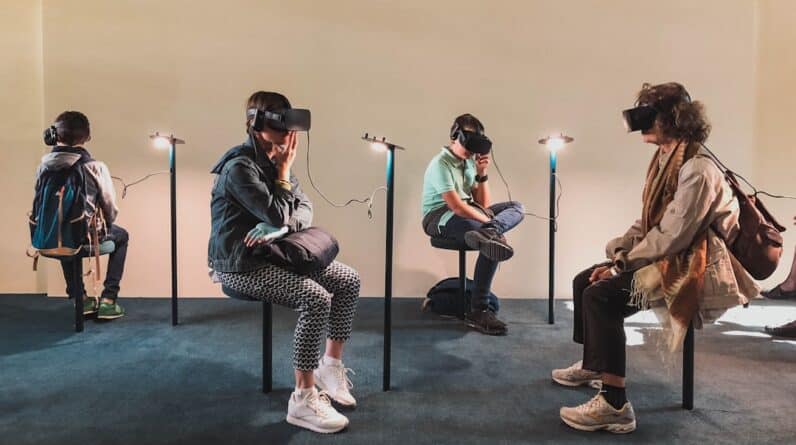
Looking ahead, the future of AI in filmmaking is brimming with possibilities. You may find yourself excited by emerging trends such as virtual reality (VR) and augmented reality (AR), which are increasingly being integrated with AI technologies to create immersive storytelling experiences. Imagine crafting narratives that allow audiences to interact with characters and environments in real-time—this level of engagement could redefine how stories are told and experienced.
Additionally, advancements in natural language processing (NLP) are paving the way for more sophisticated scriptwriting tools that can understand context and nuance better than ever before. As these technologies evolve, they may enable you to collaborate with AI in ways that enhance your creative process while still allowing your unique voice to shine through. The potential for innovation is limitless, and as you embrace these advancements, you may find new avenues for storytelling that were previously unimaginable.
The Potential of AI to Transform the Film Industry
In conclusion, as you reflect on the role of AI in filmmaking, it becomes evident that this technology holds immense potential to transform the industry. From pre-production planning to post-production refinement, AI is enhancing creativity and efficiency at every stage of the filmmaking process. While challenges such as ethical considerations and biases must be addressed, the opportunities for innovation are equally significant.
As you continue your journey in filmmaking, consider how you can harness the power of AI while remaining true to your artistic vision. By embracing these advancements thoughtfully and responsibly, you can contribute to a future where technology and creativity coexist harmoniously—ultimately enriching the cinematic experience for audiences around the world. The film industry stands on the brink of a new era, one where your creativity can flourish alongside cutting-edge technology, paving the way for stories that resonate deeply with viewers for generations to come.
Crafting the Future: AI in Film Making explores the innovative ways artificial intelligence is revolutionizing the film industry. For further insight into the capabilities of AI, readers may be interested in the article Unleashing the Power of Machine Learning: A Journey into AI’s Super Skills. This article delves into the advanced technologies and skills that AI possesses, shedding light on its potential to transform various industries beyond just filmmaking.
FAQs
What is AI in film making?
AI in film making refers to the use of artificial intelligence technology to enhance various aspects of the filmmaking process, such as scriptwriting, casting, editing, and special effects.
How is AI being used in film making?
AI is being used in film making to automate repetitive tasks, analyze data to predict audience preferences, create realistic visual effects, and even generate original scripts and storylines.
What are the benefits of using AI in film making?
The benefits of using AI in film making include increased efficiency, cost savings, improved accuracy in predicting audience preferences, and the ability to create more realistic and immersive visual effects.
Are there any concerns about using AI in film making?
Some concerns about using AI in film making include potential job displacement for human workers, ethical considerations related to the use of AI-generated content, and the potential for AI to perpetuate biases in storytelling.
What are some examples of AI being used in film making?
Examples of AI being used in film making include the use of machine learning algorithms to analyze audience data and predict box office success, the use of deep learning techniques to create lifelike visual effects, and the use of natural language processing to generate and analyze scripts.