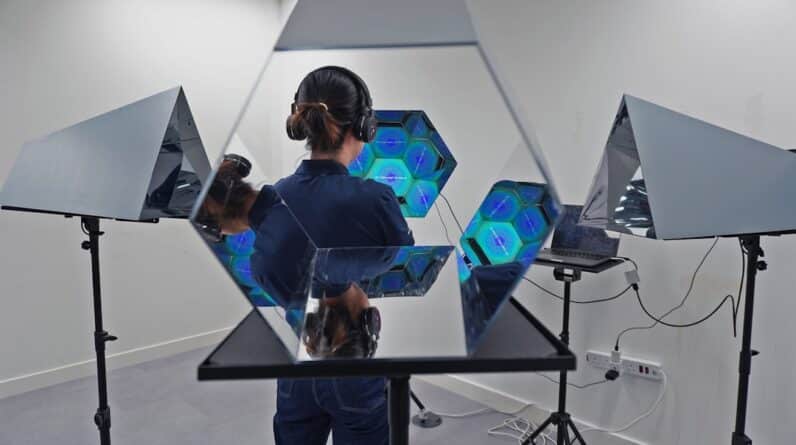
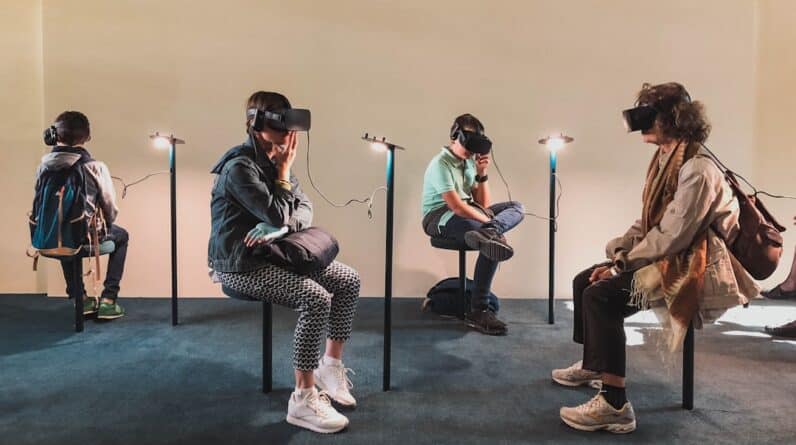
As you delve into the world of technology, you may have noticed a remarkable convergence between artificial intelligence (AI) and virtual reality (VR). This fusion is not merely a trend; it represents a significant evolution in how we interact with digital environments. Over the past few years, advancements in AI have propelled VR into new realms, enhancing user experiences and creating immersive environments that were once the stuff of science fiction.
The rise of AI in VR is characterized by its ability to analyze user behavior, adapt to individual preferences, and create dynamic, responsive environments that feel increasingly lifelike. You might find it fascinating to consider how AI algorithms can process vast amounts of data in real-time, allowing virtual worlds to react to your actions and decisions. This capability transforms static experiences into interactive narratives where you are not just a passive observer but an active participant.
As AI continues to evolve, the potential for creating more sophisticated and engaging VR experiences grows exponentially. The integration of AI into VR is not just about enhancing graphics or sound; it’s about crafting entire ecosystems that respond to your presence, making each interaction unique and personalized.
Key Takeaways
- AI is playing a significant role in the rise of virtual reality, enhancing the immersive experience for users.
- AI is enhancing virtual reality experiences by providing personalized content, improving graphics and audio, and enabling realistic interactions.
- The ethical implications of AI in virtual reality include concerns about privacy, data security, and the potential for addiction and psychological impact on users.
- AI is expected to have a major impact on the future of virtual reality, leading to more realistic and interactive experiences.
- The integration of AI and virtual reality in everyday life is becoming more prevalent, with applications in education, healthcare, entertainment, and more.
How AI is Enhancing Virtual Reality Experiences
In your exploration of AI-enhanced VR, you will discover that the technology is revolutionizing how you engage with virtual environments. One of the most significant advancements is the development of intelligent avatars and NPCs (non-player characters) that can learn from your interactions. These characters can adapt their behavior based on your choices, creating a more immersive and believable experience.
Imagine stepping into a virtual world where the characters remember your previous interactions, respond to your emotions, and even engage in meaningful conversations. This level of interactivity can make your experience feel more authentic and emotionally resonant. Moreover, AI is also improving the realism of virtual environments through procedural generation techniques.
This means that instead of relying on pre-designed assets, AI can create landscapes, buildings, and even entire worlds on-the-fly based on algorithms. As you navigate through these dynamically generated spaces, you may find that each visit offers something new and unexpected. This not only enhances replayability but also allows for a more personalized journey tailored to your preferences and play style.
The combination of intelligent NPCs and procedurally generated environments creates a rich tapestry of experiences that keeps you engaged and invested in the virtual world.
The Ethical Implications of AI in Virtual Reality
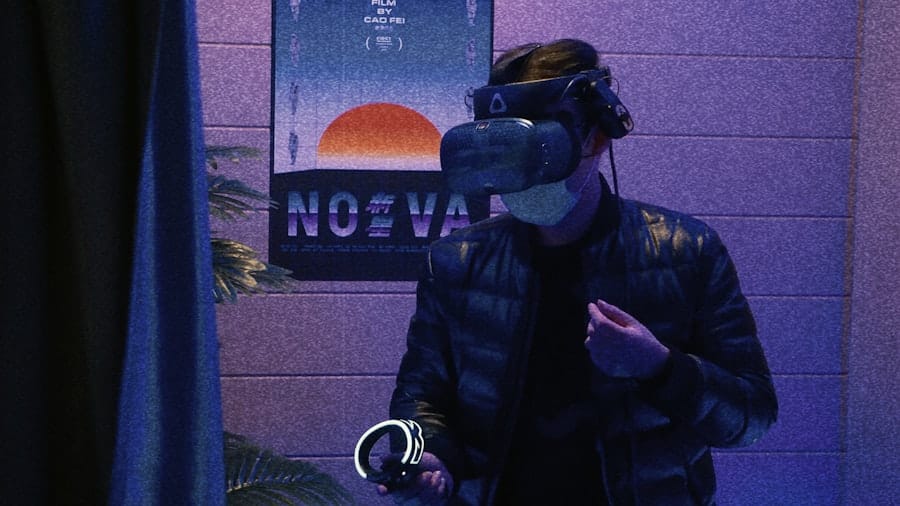
As you immerse yourself in the possibilities of AI in VR, it’s essential to consider the ethical implications that accompany these advancements. With great power comes great responsibility, and the integration of AI into virtual environments raises questions about privacy, consent, and the potential for manipulation. For instance, as AI systems collect data on your behavior and preferences to enhance your experience, there is a fine line between personalization and invasion of privacy.
You may wonder how much data is being collected and how it is being used, prompting discussions about transparency and user control. Additionally, the potential for AI to create hyper-realistic simulations raises concerns about the blurring of lines between reality and fiction. As you engage with increasingly lifelike virtual experiences, it becomes crucial to consider how these interactions might influence your perceptions of the real world.
Could immersive VR experiences lead to desensitization or altered social behaviors? These ethical dilemmas necessitate ongoing dialogue among developers, users, and ethicists to ensure that the benefits of AI in VR do not come at the cost of individual autonomy or societal well-being.
The Impact of AI on the Future of Virtual Reality
Looking ahead, the impact of AI on the future of virtual reality is poised to be transformative. As you envision the next generation of VR experiences, consider how advancements in AI could lead to more intuitive interfaces and seamless interactions. Imagine a world where you can communicate with virtual environments using natural language or gestures, eliminating the need for cumbersome controllers.
This shift towards more natural forms of interaction could make VR accessible to a broader audience, allowing more people to experience its benefits. Furthermore, as AI continues to improve its understanding of human emotions and behaviors, you may find that virtual reality becomes an even more powerful tool for education, therapy, and social connection. For instance, VR therapy programs powered by AI could provide personalized treatment plans for individuals struggling with mental health issues by adapting scenarios based on real-time feedback.
The potential applications are vast, ranging from training simulations for professionals to immersive educational experiences that foster empathy and understanding. The future of VR, enriched by AI, holds promise for creating meaningful connections and transformative experiences.
The Integration of AI and Virtual Reality in Everyday Life
As you navigate through your daily life, the integration of AI and virtual reality may become increasingly prevalent in various aspects of society. From entertainment to education and even workplace training, the applications are diverse and impactful. You might find yourself using VR for remote collaboration with colleagues across the globe, where AI facilitates real-time communication and project management within a shared virtual space.
This could revolutionize how teams work together, breaking down geographical barriers and fostering creativity through immersive brainstorming sessions. In education, you may encounter VR classrooms where AI tailors lessons to individual learning styles and paces. Imagine stepping into a history lesson where you can explore ancient civilizations firsthand or participate in interactive science experiments that bring complex concepts to life.
This integration not only enhances engagement but also allows for experiential learning that can lead to deeper understanding and retention of information. As these technologies become more accessible, you may find that they enrich your everyday experiences in ways you never thought possible.
The Challenges of AI in Virtual Reality Development

Despite the exciting prospects of AI in virtual reality, there are significant challenges that developers must navigate as they work to create these innovative experiences. One major hurdle is ensuring that AI systems can operate effectively within the constraints of VR hardware. As you may know, VR requires substantial processing power to deliver high-quality graphics and smooth interactions.
Balancing the demands of AI algorithms with the limitations of current technology can be a complex task that requires ongoing research and development. Another challenge lies in creating ethical frameworks for AI behavior within virtual environments. As developers strive to create intelligent systems that enhance user experiences, they must also consider how these systems will interact with users ethically.
You might ponder questions such as: How do we ensure that AI behaves responsibly? What safeguards should be in place to prevent manipulation or harmful interactions? Addressing these challenges will be crucial for building trust between users and AI systems in VR.
The Potential Benefits of AI in Virtual Reality
The potential benefits of integrating AI into virtual reality are vast and varied, offering opportunities for innovation across multiple sectors. In entertainment, for instance, you may find that AI-driven storytelling creates narratives that adapt based on your choices, leading to unique outcomes every time you engage with a VR experience. This level of interactivity not only enhances enjoyment but also fosters a deeper emotional connection to the story being told.
In healthcare, the benefits are equally promising. You might envision scenarios where VR powered by AI assists in medical training by simulating complex surgeries or patient interactions in a risk-free environment. This hands-on approach can enhance learning outcomes for medical professionals while improving patient care through better-prepared practitioners.
The potential applications extend beyond entertainment and education; they encompass fields such as architecture, real estate, and even social services—each benefiting from the immersive capabilities of VR combined with the intelligence of AI.
The Future of AI’s Role in Blurring the Lines Between Real and Artificial in Virtual Reality
As you contemplate the future role of AI in virtual reality, it becomes clear that this technology will continue to blur the lines between what is real and what is artificial. With advancements in machine learning and natural language processing, you may soon find yourself engaging with virtual environments that feel indistinguishable from reality itself. This evolution raises intriguing questions about identity, perception, and our relationship with technology.
In this future landscape, you might consider how your interactions with virtual entities could shape your understanding of social dynamics and relationships. As AI becomes more adept at mimicking human behavior and emotions, it may challenge your perceptions of authenticity in both virtual and real-world interactions. The implications are profound: as boundaries dissolve between real-life experiences and those crafted by technology, it will be essential for society to navigate this new terrain thoughtfully.
Ultimately, the future promises a rich tapestry woven from both human creativity and artificial intelligence—a blend that could redefine what it means to connect with one another in an increasingly digital world.
AI’s Virtual Reality: Blurring the Lines Between Real and Artificial explores the intersection of artificial intelligence and virtual reality, showcasing how these technologies are reshaping our perception of reality. In a related article, Chatbots and Beyond: The Evolution of AI in Customer Service, the evolution of AI in customer service is discussed, highlighting the ways in which AI is revolutionizing the way businesses interact with their customers. This article provides further insight into the practical applications of AI in enhancing customer service experiences.
FAQs
What is AI’s Virtual Reality?
AI’s Virtual Reality refers to the integration of artificial intelligence (AI) with virtual reality (VR) technology to create immersive and interactive experiences that blur the lines between the real world and artificial environments.
How does AI’s Virtual Reality work?
AI’s Virtual Reality works by using AI algorithms to analyze and interpret user behavior and input within a virtual environment, allowing for more realistic and responsive interactions. This can include features such as natural language processing, gesture recognition, and personalized content generation.
What are the applications of AI’s Virtual Reality?
AI’s Virtual Reality has a wide range of applications, including in gaming, education, healthcare, training simulations, virtual meetings, and entertainment. It can also be used for creating virtual environments for architectural design, urban planning, and product prototyping.
What are the benefits of AI’s Virtual Reality?
The benefits of AI’s Virtual Reality include enhanced user engagement, personalized experiences, improved learning outcomes, realistic simulations, and the ability to create and interact with virtual environments that were previously impossible or impractical to achieve.
What are the challenges of AI’s Virtual Reality?
Challenges of AI’s Virtual Reality include the need for advanced AI algorithms, high computational power, potential ethical and privacy concerns, and the requirement for seamless integration of AI and VR technologies. Additionally, there may be issues related to motion sickness and sensory overload for some users.