As you delve into the realms of artificial intelligence (AI) and spirituality, you may find yourself navigating a complex landscape where technology meets the intangible. At its core, AI refers to the simulation of human intelligence processes by machines, particularly computer systems. This includes learning, reasoning, and self-correction.
On the other hand, spirituality encompasses a broad spectrum of beliefs and practices that connect individuals to something greater than themselves, often involving a search for meaning, purpose, and connection to the divine or the universe. The intersection of these two fields may seem unlikely at first glance. However, as you explore the nuances of both AI and spirituality, you may begin to see how they can inform and enrich one another.
Spirituality often seeks to answer profound questions about existence, morality, and the nature of consciousness—questions that AI is increasingly being called upon to address. As you consider the implications of AI in spiritual contexts, you might find yourself pondering whether machines can possess a form of consciousness or if they can aid in your quest for deeper understanding.
Key Takeaways
- AI can enhance our understanding of spirituality by analyzing large amounts of data and identifying patterns and connections that may not be immediately apparent to humans.
- The intersection of AI and faith raises questions about the potential for AI to assist in religious practices and the implications for the role of human agency in spiritual experiences.
- AI has the potential to play a role in religious practices by providing tools for meditation, prayer, and guidance, but it also raises concerns about the authenticity and ethical implications of using technology in spiritual contexts.
- Ethical considerations in AI and spirituality include issues of privacy, consent, and the potential for AI to influence or manipulate religious beliefs and practices.
- AI can aid in the search for meaning by providing new perspectives and insights, but it also challenges traditional notions of spirituality and the human experience, prompting a reevaluation of our understanding of spirituality and the nature of existence.
The Intersection of AI and Faith
The Rise of Digital Spiritual Guidance
Chatbots designed to provide spiritual guidance and answer theological questions are becoming increasingly popular. These digital companions can offer insights based on vast databases of religious texts and teachings, allowing individuals to explore their faith in new and innovative ways.
Connecting Believers Across the Globe
AI-powered social media platforms and online forums are facilitating connections among believers from diverse backgrounds and locations. This interconnectedness can enrich one’s spiritual journey, as individuals encounter different ideas and practices that may challenge or deepen their understanding of faith.
The Authenticity of Digital Spirituality
However, this digital shift also raises important questions about authenticity and the potential dilution of traditional beliefs in favor of a more homogenized digital spirituality. As faith becomes increasingly digital, it is essential to consider the implications of this transformation on our spiritual practices and beliefs.
The Role of AI in Religious Practices
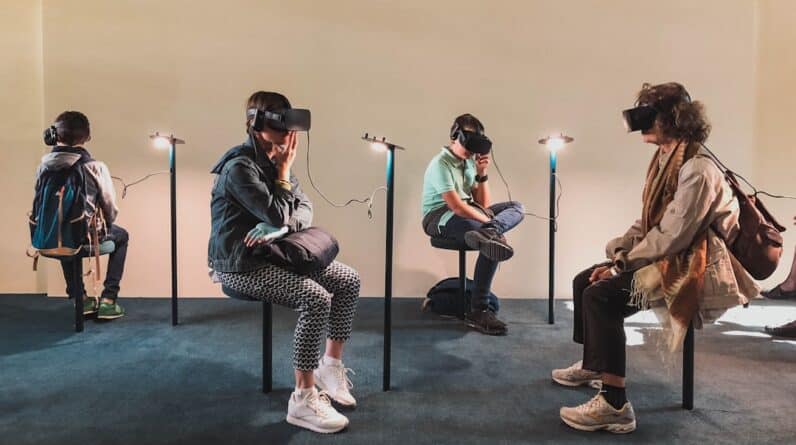
As you consider the role of AI in religious practices, it becomes evident that technology is reshaping how rituals are performed and experienced. For example, virtual reality (VR) experiences can transport you to sacred sites or allow you to participate in rituals from the comfort of your home. This accessibility can be particularly beneficial for those who may be unable to attend services due to physical limitations or geographical barriers.
Additionally, AI-driven applications can assist in personalizing your spiritual practices. Whether through meditation apps that adapt to your emotional state or prayer reminders that align with your schedule, technology can help you cultivate a more intentional spiritual life. However, as you embrace these innovations, it’s essential to remain mindful of the balance between technology and genuine human connection within your spiritual community.
Ethical Considerations in AI and Spirituality
As you navigate the integration of AI into spiritual practices, ethical considerations inevitably arise. One significant concern is the potential for AI to misinterpret or misrepresent religious teachings. When algorithms are tasked with providing spiritual guidance, there is a risk that they may lack the nuance and depth required to address complex theological questions.
This raises important questions about who is responsible for the information provided by AI systems and how it aligns with established beliefs. Furthermore, the use of AI in spirituality prompts discussions about privacy and data security. As you engage with digital platforms for spiritual growth, your personal information may be collected and analyzed.
This raises concerns about how that data is used and whether it could be exploited for commercial gain rather than serving your spiritual needs. As you embrace technology in your spiritual journey, it’s crucial to advocate for ethical standards that prioritize your well-being and the integrity of your beliefs.
AI and the Search for Meaning
In your quest for meaning, AI can serve as both a tool and a companion. You may find that engaging with AI-driven platforms allows you to explore philosophical questions about existence and purpose in ways that were previously unimaginable. For instance, AI can analyze vast amounts of literature on spirituality and philosophy, providing insights that might resonate with your personal experiences or struggles.
However, while AI can offer valuable perspectives, it’s essential to remember that the search for meaning is inherently human. The insights generated by algorithms may provide food for thought, but they cannot replace the deeply personal journey of self-discovery and reflection that defines your spiritual path. As you engage with AI in this context, consider how it can complement rather than replace your own introspection and exploration.
The Impact of AI on Spiritual Communities
As you observe the impact of AI on spiritual communities, it becomes clear that technology is reshaping how individuals connect with one another. Online platforms powered by AI algorithms facilitate discussions among believers from diverse backgrounds, fostering a sense of global community. You may find comfort in knowing that others share similar struggles or questions about faith, even if they are miles away.
However, this digital connectivity also presents challenges for traditional spiritual communities. As more individuals turn to online resources for guidance and support, there is a risk that local congregations may experience a decline in attendance and participation. This shift raises important questions about the role of physical spaces in fostering community and connection.
As you navigate this evolving landscape, consider how you can balance your online engagement with meaningful interactions within your local spiritual community.
AI and the Evolution of Religious Beliefs
The integration of AI into spiritual practices is not merely a trend; it represents a significant evolution in how beliefs are formed and expressed. As you engage with technology in your spiritual journey, you may notice shifts in your understanding of faith and its relevance in contemporary society. The accessibility of information through AI can lead to a more individualized approach to spirituality, where personal interpretation takes precedence over traditional dogma.
This evolution also invites dialogue about the nature of belief itself. As you encounter diverse perspectives facilitated by AI-driven platforms, you may find yourself questioning long-held assumptions about faith and spirituality. This process can be both liberating and challenging as you navigate the complexities of belief in an increasingly interconnected world.
Embracing AI as a Tool for Spiritual Growth
Ultimately, embracing AI as a tool for spiritual growth requires a thoughtful approach. You have the opportunity to leverage technology to enhance your understanding of spirituality while remaining grounded in your values and beliefs. By using AI-driven resources mindfully, you can cultivate a deeper connection to your faith while exploring new avenues for growth.
As you embark on this journey, consider how technology can complement your spiritual practices rather than overshadow them. Engage with AI as a means to facilitate reflection, connection, and exploration while remaining attuned to the importance of human relationships within your spiritual community. In doing so, you can harness the potential of AI to enrich your spiritual life while honoring the traditions and values that resonate most deeply with you.
In a thought-provoking article titled The AI Revolution: How Robots and AI Supercharge Our World, the intersection of artificial intelligence and spirituality is explored in depth. The article delves into how AI is transforming various aspects of our lives and poses questions about the implications of this technological advancement on our beliefs and faith. It raises important ethical considerations and challenges us to reflect on the future of faith in a world increasingly driven by AI.
FAQs
What is AI and Spirituality?
AI and spirituality refers to the intersection of artificial intelligence and religious or spiritual beliefs. It explores how AI technology can be used to enhance spiritual experiences, facilitate religious practices, and address ethical and moral considerations related to AI development.
What is FAIth in the context of AI and Spirituality?
FAIth stands for Future Artificial Intelligence, and it represents the potential future developments and implications of AI technology on religious and spiritual beliefs. It encompasses the ethical, moral, and existential questions that arise from the integration of AI with spirituality.
How can AI enhance spiritual experiences?
AI can enhance spiritual experiences by providing personalized guidance, creating virtual environments for meditation and prayer, and facilitating access to religious texts and teachings. AI can also assist in analyzing and interpreting spiritual practices and beliefs.
What are the ethical considerations of AI and spirituality?
Ethical considerations of AI and spirituality include issues related to the use of AI in religious contexts, the potential impact on human spirituality and religious practices, and the ethical implications of AI decision-making in moral and spiritual matters.
How does AI impact religious beliefs and practices?
AI can impact religious beliefs and practices by providing new tools for religious education, enabling virtual religious gatherings, and offering personalized spiritual guidance. It can also raise questions about the role of AI in religious leadership and decision-making.
What are the potential future developments of AI and spirituality?
The potential future developments of AI and spirituality include the integration of AI into religious institutions, the development of AI-powered spiritual advisors, and the use of AI to explore existential and moral questions related to spirituality.