As you delve into the fascinating intersection of artificial intelligence (AI) and anthropology, you may find yourself pondering the profound implications of technology on human culture. AI, a field that encompasses machine learning, natural language processing, and robotics, has rapidly evolved over the past few decades. It has begun to permeate various aspects of daily life, influencing how you communicate, work, and even think.
Anthropology, the study of human societies and cultures, provides a unique lens through which to examine these changes. By exploring the relationship between AI and anthropology, you can gain insights into how technology shapes human behavior and cultural practices. In this exploration, you will discover that AI is not merely a tool but a transformative force that can redefine social norms and cultural expressions.
As you navigate this complex landscape, you will encounter questions about identity, agency, and the very essence of what it means to be human in an increasingly automated world. The interplay between AI and anthropology invites you to reflect on your own experiences and the broader implications for society as a whole. By understanding this relationship, you can better appreciate the nuances of human culture in the age of technology.
Key Takeaways
- AI is revolutionizing the way we understand human culture and society, and anthropologists are at the forefront of this interdisciplinary exploration.
- The impact of AI on human culture is profound, influencing everything from communication and social interaction to art and entertainment.
- Anthropology plays a crucial role in understanding AI by providing insights into how technology is shaping human behavior, beliefs, and values.
- Ethical considerations in AI and human culture are essential, as the use of AI can raise concerns about privacy, bias, and the preservation of cultural diversity.
- AI has the potential to enhance anthropological research by providing new tools for data analysis, visualization, and the preservation of human cultural heritage.
The Impact of AI on Human Culture
As you observe the world around you, it becomes evident that AI is reshaping cultural practices in profound ways. From social media algorithms that dictate what content you see to virtual assistants that manage your daily tasks, AI is embedded in your everyday life. This technology influences not only individual behavior but also collective cultural trends.
For instance, the rise of influencer culture can be traced back to algorithms that prioritize certain types of content, creating a new form of celebrity that is both accessible and ephemeral. You may find yourself questioning how these changes affect your perceptions of authenticity and value in cultural expressions. Moreover, AI’s impact extends beyond individual interactions; it also shapes societal norms and expectations.
As you engage with AI-driven platforms, you may notice shifts in communication styles and social dynamics. The way you interact with others online can differ significantly from face-to-face conversations, leading to new forms of social etiquette. This evolution raises important questions about the nature of relationships in a digital age.
Are your connections becoming more superficial, or are they simply transforming into something new? By examining these cultural shifts through an anthropological lens, you can gain a deeper understanding of how technology influences human behavior and societal structures.
The Role of Anthropology in Understanding AI
Anthropology offers valuable tools for analyzing the complexities of AI’s integration into human culture. As you engage with this discipline, you will find that anthropologists employ ethnographic methods to study how people interact with technology in their daily lives. By observing and participating in these interactions, anthropologists can uncover the meanings and values that individuals ascribe to AI.
This qualitative approach allows for a nuanced understanding of how technology is experienced across different cultures and contexts. Furthermore, anthropology encourages you to consider the broader implications of AI on social structures and power dynamics. As you explore this field, you may encounter discussions about who controls AI technologies and how these systems perpetuate or challenge existing inequalities.
By examining the cultural narratives surrounding AI, anthropologists can shed light on the ways in which technology reflects and reinforces societal values. This critical perspective enables you to engage with AI not just as a technological phenomenon but as a cultural artifact that shapes and is shaped by human experiences.
Ethical Considerations in AI and Human Culture
As you navigate the landscape of AI and its impact on culture, ethical considerations become paramount. The integration of AI into various aspects of life raises questions about privacy, surveillance, and consent. You may find yourself grappling with the implications of data collection practices that track your online behavior and preferences.
The ethical dilemmas surrounding AI are not merely theoretical; they have real-world consequences that affect individuals and communities alike. Moreover, the potential for bias in AI algorithms poses significant ethical challenges. As you engage with AI systems, it is crucial to recognize that these technologies are created by humans who may inadvertently embed their own biases into the algorithms.
This can lead to discriminatory outcomes that disproportionately affect marginalized groups. By critically examining these issues through an anthropological lens, you can contribute to conversations about responsible AI development and advocate for more equitable practices in technology design.
AI and the Preservation of Human Cultural Heritage
In an era where cultural heritage is at risk from globalization and technological change, AI presents both challenges and opportunities for preservation efforts. As you explore this topic, you may discover how AI technologies are being employed to document and protect cultural artifacts, languages, and traditions. For instance, machine learning algorithms can analyze vast amounts of data to identify patterns in historical texts or artworks, aiding researchers in their efforts to preserve cultural heritage.
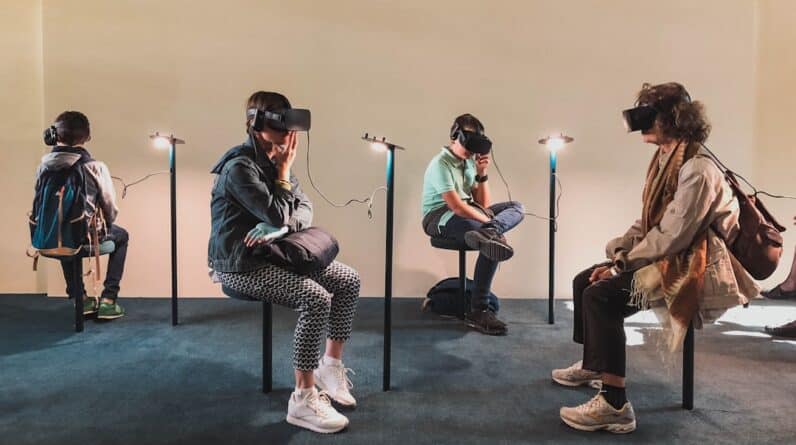
Additionally, AI can facilitate access to cultural resources for diverse audiences. Virtual reality experiences powered by AI allow you to immerse yourself in historical sites or cultural practices that may be geographically distant or endangered. This democratization of access can foster greater appreciation for cultural diversity and encourage cross-cultural dialogue.
However, as you engage with these technologies, it is essential to consider the ethical implications of representation and ownership in digital spaces. Who gets to tell the stories of cultural heritage, and how are these narratives shaped by technology?
The Future of Human-Computer Interaction in Anthropology
The Rise of Conversational Agents and Virtual Assistants
The emergence of conversational agents and virtual assistants has revolutionized the way we interact with technology, blurring the lines between human and machine communication. This shift has significant implications for how we relate to machines and each other.
The Future of HCI: Emerging Technologies and New Possibilities
Looking ahead, the future of HCI presents exciting possibilities for anthropological research. Emerging technologies such as augmented reality and brain-computer interfaces are poised to reshape our interactions with both machines and other people. Anthropologists are well-positioned to investigate these changes by examining how new forms of interaction influence social relationships, identity formation, and cultural practices.
Understanding Humanity in a Digital World
By engaging with these questions, we can contribute to a deeper understanding of what it means to be human in an increasingly digital world. As we navigate this rapidly changing landscape, anthropological research can provide valuable insights into the complex relationships between humans, machines, and technology.
AI and the Evolution of Human Social Norms
The integration of AI into daily life has significant implications for the evolution of social norms. As you navigate this landscape, you may notice shifts in behaviors that reflect changing attitudes toward technology. For example, the normalization of remote work facilitated by AI-driven communication tools has altered traditional workplace dynamics.
You might find yourself adapting to new expectations around availability and productivity that challenge conventional notions of work-life balance. Moreover, as AI systems become more integrated into decision-making processes—ranging from hiring practices to law enforcement—you may observe changes in societal attitudes toward authority and accountability. The reliance on algorithms raises questions about transparency and fairness in decision-making processes.
By examining these shifts through an anthropological lens, you can gain insights into how technology influences social norms and values over time.
The Potential for AI to Enhance Anthropological Research
As you reflect on the potential for AI to enhance anthropological research, it becomes clear that this technology offers innovative tools for data collection and analysis. For instance, natural language processing can help researchers analyze large volumes of text data from interviews or social media platforms, revealing patterns that might otherwise go unnoticed. This capability allows anthropologists to gain deeper insights into cultural trends and social dynamics.
Additionally, AI can facilitate cross-disciplinary collaboration by enabling researchers from different fields to share data and methodologies more effectively. As you engage with these advancements, consider how they might transform traditional anthropological practices while also raising new ethical questions about data ownership and representation. By embracing the potential of AI while remaining mindful of its challenges, you can contribute to a more nuanced understanding of human culture in an increasingly interconnected world.
In conclusion, your exploration of the relationship between AI and anthropology reveals a rich tapestry of interactions that shape human culture today. By examining these dynamics through an anthropological lens, you can gain valuable insights into the complexities of technology’s impact on society while also considering the ethical implications that arise from this integration. As you continue your journey through this evolving landscape, remember that your engagement with these issues is crucial for fostering a more equitable and culturally aware future.
AI and Anthropology: the Future of Human Culture is a fascinating topic that explores the intersection of artificial intelligence and the study of human societies. In a related article, AI and Archaeology: Reimagining Historical Research and Preservation, the potential of AI in revolutionizing the field of archaeology is discussed. This article delves into how AI can assist in the analysis and preservation of historical artifacts, offering new insights into our past and shaping the future of human culture.
FAQs
What is the relationship between AI and Anthropology?
AI and Anthropology have a complex relationship, as AI technologies can be used to study and analyze human culture and behavior, while also potentially impacting human culture in the future.
How can AI be used in Anthropology?
AI can be used in Anthropology to analyze large datasets of cultural and social information, identify patterns and trends in human behavior, and even simulate and predict future cultural changes.
What are the potential impacts of AI on human culture?
The potential impacts of AI on human culture are still being studied and debated. Some believe that AI could lead to significant changes in how humans interact and create culture, while others argue that human culture will continue to evolve in its own unique ways.
What are some ethical considerations when using AI in Anthropology?
Ethical considerations when using AI in Anthropology include issues of privacy, consent, and the potential for bias in AI algorithms when studying human culture and behavior.
What are some current research areas at the intersection of AI and Anthropology?
Current research areas at the intersection of AI and Anthropology include using AI to analyze ancient artifacts and texts, studying the impact of AI on contemporary human culture, and exploring the potential for AI to assist in preserving and documenting endangered cultural practices.