As you step into the world of agriculture, you may find yourself surrounded by a landscape that is rapidly evolving. The integration of artificial intelligence (AI) into farming practices is transforming the way you approach crop production, livestock management, and resource allocation. This technological revolution is not just a trend; it represents a fundamental shift in how you can optimize agricultural processes, enhance productivity, and ensure sustainability.
With the global population projected to reach nearly 10 billion by 2050, the demand for food is escalating, and AI offers innovative solutions to meet these challenges head-on. In this context, AI serves as a powerful tool that can analyze vast amounts of data, predict outcomes, and automate tasks that were once labor-intensive. As you delve deeper into the intricacies of AI in agriculture, you will discover how machine learning algorithms, data analytics, and robotics are reshaping traditional farming methods.
The potential for increased efficiency and reduced environmental impact is immense, making it essential for you to understand the implications of these advancements on your farming practices.
Key Takeaways
- AI in agriculture refers to the use of advanced technology to improve farming practices and crop cultivation.
- AI plays a crucial role in farming by providing real-time data analysis, predictive modeling, and automation of tasks.
- AI enhances crop cultivation by optimizing irrigation, monitoring soil health, and predicting crop diseases and pest infestations.
- The benefits of AI farming include increased productivity, reduced resource wastage, and improved decision-making for farmers.
- Challenges and limitations of AI in agriculture include high initial investment, data privacy concerns, and the need for specialized technical skills.
The Role of AI in Farming
When you think about the role of AI in farming, consider how it can streamline operations and enhance decision-making processes. AI technologies can analyze data from various sources, including weather patterns, soil conditions, and crop health, allowing you to make informed choices that can significantly impact your yield. For instance, predictive analytics can help you determine the optimal time for planting and harvesting, ensuring that you maximize your output while minimizing waste.
Moreover, AI can assist in precision agriculture, where technology is used to monitor and manage field variability in crops. By employing sensors and drones equipped with AI capabilities, you can gather real-time data about your fields. This information enables you to apply fertilizers and pesticides more efficiently, targeting specific areas that require attention rather than treating entire fields uniformly.
As a result, you not only save resources but also contribute to a more sustainable agricultural practice.
How AI Enhances Crop Cultivation
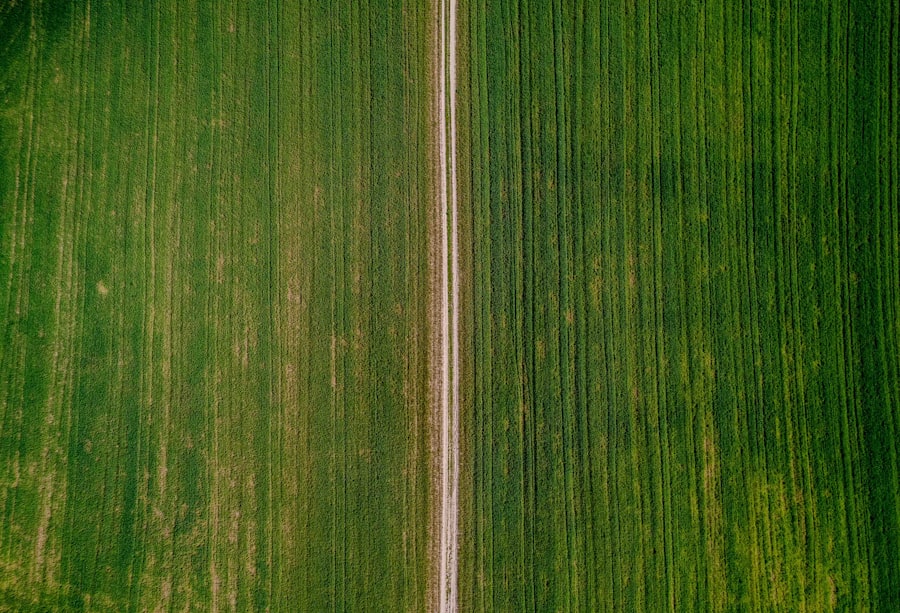
As you explore the ways AI enhances crop cultivation, you’ll find that its applications are diverse and impactful. One of the most significant advancements is the use of AI-driven imaging technologies. These systems can analyze images captured by drones or satellites to assess crop health and identify potential issues such as pest infestations or nutrient deficiencies.
By detecting these problems early on, you can take corrective measures before they escalate, ultimately safeguarding your harvest. Additionally, AI can optimize irrigation practices through smart systems that monitor soil moisture levels and weather forecasts. By automating irrigation based on real-time data, you can ensure that your crops receive the right amount of water at the right time.
This not only conserves water but also promotes healthier plant growth. As you implement these technologies, you’ll likely notice an improvement in both the quality and quantity of your crops.
The Benefits of AI Farming
The benefits of incorporating AI into your farming practices are manifold. First and foremost, increased efficiency is a significant advantage. By automating routine tasks and utilizing data-driven insights, you can save time and labor costs while focusing on more strategic aspects of your operation.
This efficiency translates into higher productivity levels, allowing you to produce more food with fewer resources. Furthermore, AI contributes to sustainability in agriculture. With the ability to monitor environmental conditions and optimize resource usage, you can reduce waste and minimize your ecological footprint.
For instance, precision agriculture techniques powered by AI can lead to lower pesticide and fertilizer application rates, which not only benefits your bottom line but also protects local ecosystems. As you embrace these technologies, you’ll find that they align with the growing consumer demand for sustainable farming practices.
Challenges and Limitations of AI in Agriculture
Despite the numerous advantages that AI brings to agriculture, there are challenges and limitations that you must consider. One significant hurdle is the initial investment required for implementing AI technologies. The cost of purchasing equipment, software, and training personnel can be substantial, particularly for small-scale farmers.
This financial barrier may deter some from adopting these innovations, leading to a digital divide within the agricultural community. Additionally, there are concerns regarding data privacy and security. As you collect and analyze vast amounts of data related to your farming practices, safeguarding this information becomes paramount.
Cybersecurity threats pose risks not only to your operation but also to the broader agricultural sector. Ensuring that your data is protected while still leveraging its potential for insights is a delicate balance that requires careful consideration.
Case Studies of Successful AI Farming
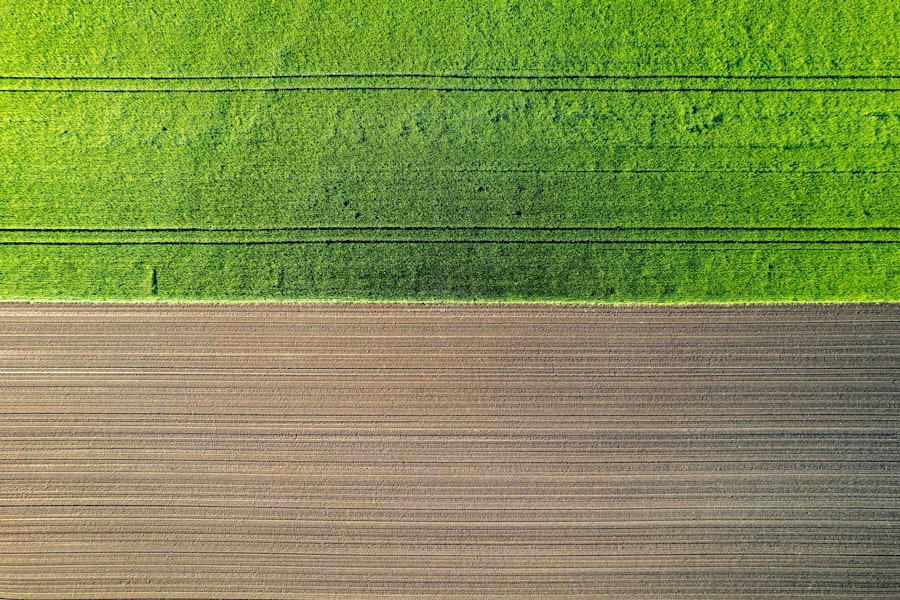
To illustrate the transformative power of AI in agriculture, consider several case studies that highlight successful implementations of these technologies. One notable example is a large-scale farm in California that adopted AI-driven analytics to optimize its irrigation system. By utilizing sensors and machine learning algorithms, the farm was able to reduce water usage by 30% while increasing crop yields by 15%.
This success story demonstrates how data-driven decision-making can lead to both economic and environmental benefits. Another compelling case involves a startup that developed an AI-powered platform for smallholder farmers in Africa. This platform provides real-time weather forecasts, market prices, and pest management advice tailored to individual farmers’ needs.
By empowering smallholders with access to critical information, the platform has helped increase crop productivity and improve livelihoods in rural communities. These examples underscore the potential for AI to revolutionize farming practices across diverse contexts.
The Future of AI in Crop Cultivation
As you look toward the future of AI in crop cultivation, it’s clear that this technology will continue to evolve and expand its influence on agriculture. Innovations such as autonomous tractors and robotic harvesters are already making waves in the industry, promising to further enhance efficiency and reduce labor costs. As these technologies become more accessible, you’ll likely see a shift toward fully automated farms where human intervention is minimized.
Moreover, advancements in machine learning will enable even more sophisticated predictive analytics. Imagine being able to forecast not just weather patterns but also market trends based on historical data and consumer behavior. This level of insight could revolutionize how you plan your planting schedules and marketing strategies.
As AI continues to develop, it will undoubtedly play an increasingly central role in shaping the future of agriculture.
The Impact of AI on the Future of Farming
In conclusion, the impact of AI on the future of farming is profound and far-reaching. As you navigate this new landscape, it’s essential to recognize both the opportunities and challenges that come with integrating technology into your agricultural practices. The potential for increased efficiency, sustainability, and productivity is immense; however, addressing issues such as cost barriers and data security will be crucial for widespread adoption.
Ultimately, embracing AI in agriculture represents not just a technological shift but a paradigm change in how you approach farming as a whole. By leveraging these advancements thoughtfully and strategically, you can position yourself at the forefront of a new era in agriculture—one that prioritizes innovation while ensuring food security for generations to come. As you embark on this journey into the future of farming, remember that the integration of AI is not merely about technology; it’s about cultivating a sustainable world for all.
In a related article on AI Lab 360, the intersection of physical and digital worlds is explored in “Robotics and AI: When Physical Meets Digital.” This article delves into how robotics and artificial intelligence are coming together to revolutionize various industries, including agriculture. To learn more about how technology is shaping the future of farming, check out this article.
FAQs
What is an AI farmer?
An AI farmer refers to the use of artificial intelligence (AI) and advanced technology in agriculture to optimize farming processes and improve crop yields.
How does AI technology benefit farming?
AI technology benefits farming by enabling farmers to make data-driven decisions, optimize resource allocation, monitor crop health, and automate various tasks such as planting, irrigation, and harvesting.
What are some examples of AI applications in farming?
Some examples of AI applications in farming include precision agriculture, autonomous tractors and drones, predictive analytics for weather and crop yield forecasting, and robotic systems for planting and harvesting.
What are the potential challenges of implementing AI in farming?
Challenges of implementing AI in farming include the initial cost of technology adoption, data privacy and security concerns, the need for specialized training for farmers, and potential job displacement due to automation.
How does AI technology contribute to sustainable farming practices?
AI technology contributes to sustainable farming practices by enabling efficient use of resources such as water and fertilizers, reducing chemical usage through targeted application, and minimizing environmental impact through precision farming techniques.