In recent years, you may have noticed a significant transformation in the landscape of financial markets, largely driven by the rise of artificial intelligence (AI). This technological revolution has not only changed how transactions are executed but has also redefined the very nature of trading and investment strategies. As you delve deeper into this phenomenon, you will find that AI’s integration into finance is not merely a trend; it represents a fundamental shift in how data is analyzed, decisions are made, and risks are managed.
The adoption of AI in financial markets has been fueled by the exponential growth of data. With vast amounts of information generated every second, traditional methods of analysis have become inadequate. You might be surprised to learn that AI algorithms can process and analyze this data at lightning speed, identifying patterns and trends that would be impossible for human analysts to discern.
This capability has led to a surge in algorithmic trading, where machines execute trades based on pre-defined criteria, often outperforming human traders in terms of speed and efficiency.
Key Takeaways
- AI is increasingly being used in financial markets to analyze data, make predictions, and execute trades at high speeds.
- AI predicts market trends by analyzing large volumes of data, identifying patterns, and making predictions based on historical and real-time market data.
- AI plays a crucial role in investment strategies by providing insights, identifying opportunities, and optimizing portfolio management.
- The impact of AI on investment management includes improved decision-making, reduced human error, and increased efficiency in trading and risk management.
- AI has the potential to make millions in the financial markets by leveraging advanced algorithms, machine learning, and predictive analytics to capitalize on market opportunities.
How AI Predicts Market Trends
As you explore the mechanisms behind AI’s predictive capabilities, you’ll discover that machine learning algorithms play a pivotal role. These algorithms are designed to learn from historical data, allowing them to identify correlations and trends that inform future market movements. By analyzing vast datasets, including economic indicators, social media sentiment, and even geopolitical events, AI can generate insights that help you anticipate market shifts with remarkable accuracy.
Moreover, AI’s ability to adapt and improve over time is one of its most compelling features. As new data becomes available, these algorithms refine their predictions, continuously enhancing their performance. This dynamic learning process means that you can rely on AI not just for immediate insights but also for long-term forecasting.
The implications for investors are profound; with AI’s predictive prowess, you can make more informed decisions, potentially increasing your returns while minimizing risks.
The Role of AI in Investment Strategies
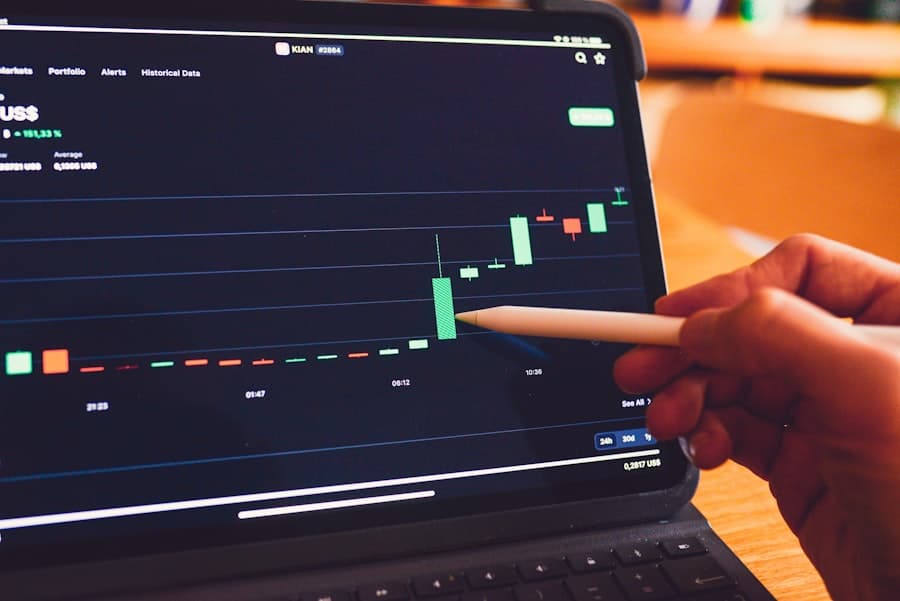
When it comes to crafting investment strategies, AI has emerged as an invaluable tool for both individual and institutional investors. You may find that AI-driven platforms can analyze your risk tolerance, investment goals, and market conditions to create personalized portfolios tailored to your needs. This level of customization was once the domain of high-net-worth individuals but is now accessible to a broader audience thanks to advancements in technology.
Additionally, AI can optimize trading strategies by backtesting various scenarios and identifying the most effective approaches. For instance, if you’re considering a particular stock or asset class, AI can simulate how different strategies would have performed under various market conditions. This analytical capability allows you to refine your approach and make data-driven decisions rather than relying solely on intuition or gut feelings.
The Impact of AI on Investment Management
The integration of AI into investment management has led to a paradigm shift in how portfolios are constructed and managed. You may notice that traditional asset management firms are increasingly adopting AI technologies to enhance their services. By leveraging machine learning algorithms, these firms can analyze market trends and client preferences more effectively, leading to improved investment outcomes.
Furthermore, AI’s ability to monitor market conditions in real-time means that portfolio managers can react swiftly to changes. If you’re invested in a diversified portfolio, AI can help you rebalance your assets based on current market dynamics, ensuring that your investments remain aligned with your financial goals. This proactive approach not only enhances performance but also provides you with peace of mind knowing that your investments are being managed with cutting-edge technology.
AI’s Ability to Make Millions in the Financial Markets
One of the most alluring aspects of AI in finance is its potential to generate substantial profits. You might be intrigued by stories of hedge funds and trading firms that have harnessed AI to achieve remarkable returns. These success stories often involve sophisticated algorithms that analyze market data at an unprecedented scale, allowing them to capitalize on fleeting opportunities that human traders might miss.
However, it’s essential to recognize that while AI can indeed make millions in the financial markets, it is not without its challenges. The competitive landscape is fierce, and firms that fail to innovate risk being left behind. As you consider the potential for profit through AI-driven trading strategies, it’s crucial to remain aware of the inherent risks involved and to approach these opportunities with a balanced perspective.
The Ethical and Regulatory Considerations of AI in Finance
As you navigate the world of AI in finance, it’s important to consider the ethical and regulatory implications that accompany this technology. The rapid adoption of AI raises questions about transparency, accountability, and fairness in financial markets. You may wonder how algorithms make decisions and whether they inadvertently perpetuate biases present in historical data.
Regulatory bodies are beginning to take notice of these concerns, prompting discussions about the need for guidelines governing the use of AI in finance. As an investor or stakeholder in this space, you should be aware of ongoing developments in regulation and how they may impact the use of AI technologies. Striking a balance between innovation and ethical considerations will be crucial as the financial industry continues to evolve.
The Future of AI in Financial Wizardry
Looking ahead, the future of AI in finance appears promising yet complex. You may envision a world where AI not only enhances trading strategies but also revolutionizes customer service through chatbots and personalized financial advice. As technology continues to advance, you can expect even more sophisticated applications of AI that will reshape how you interact with financial institutions.
Moreover, as AI becomes more integrated into financial systems, collaboration between humans and machines will likely become the norm. You might find yourself working alongside AI tools that augment your decision-making capabilities rather than replacing them entirely. This symbiotic relationship could lead to more informed investors who leverage technology to achieve their financial goals.
The Potential Risks and Rewards of AI in Financial Markets
As you weigh the potential risks and rewards associated with AI in financial markets, it’s essential to adopt a nuanced perspective. On one hand, the rewards are enticing: increased efficiency, enhanced predictive capabilities, and the potential for higher returns on investment. However, you must also consider the risks involved, including market volatility driven by algorithmic trading and the possibility of systemic failures if algorithms malfunction.
Ultimately, your approach to investing in an AI-driven landscape should be informed by a thorough understanding of both its advantages and pitfalls. By staying informed about technological advancements and regulatory developments, you can position yourself to navigate this evolving landscape effectively. Embracing the opportunities presented by AI while remaining vigilant about its challenges will empower you to make sound investment decisions in an increasingly complex financial world.
AI’s Financial Wizardry: Predicting Markets and Making Millions discusses the incredible potential of artificial intelligence in the financial sector. For a related article, check out AI and Finance: How Artificial Intelligence is Revolutionizing the Financial Industry. This article delves into the various ways AI is being used in finance, from algorithmic trading to fraud detection, showcasing the wide-ranging impact of this technology on the industry.
FAQs
What is AI’s role in predicting financial markets?
AI, or artificial intelligence, plays a significant role in predicting financial markets by analyzing large amounts of data, identifying patterns, and making predictions based on historical trends and current market conditions.
How does AI make predictions in financial markets?
AI uses machine learning algorithms to analyze historical market data, news, social media sentiment, and other relevant information to make predictions about future market movements. It can identify patterns and correlations that may not be apparent to human analysts.
What are the benefits of using AI for predicting financial markets?
Some benefits of using AI for predicting financial markets include the ability to process and analyze large amounts of data quickly, identify patterns and trends that may not be obvious to human analysts, and make predictions based on data-driven insights.
Are there any limitations to AI’s ability to predict financial markets?
While AI can be a powerful tool for predicting financial markets, it is not infallible. Market conditions can change rapidly, and unexpected events can impact market movements in ways that may not be predictable based on historical data alone.
How are AI predictions used in making financial decisions?
AI predictions are used by financial professionals and investors to inform their decision-making processes. They can be used to identify potential investment opportunities, assess risk, and make informed decisions about buying, selling, or holding assets.
Can AI be used to make millions in financial markets?
While AI has the potential to generate significant returns in financial markets, there are no guarantees of success. Market conditions are complex and unpredictable, and there are risks involved in any investment strategy, including those informed by AI predictions.