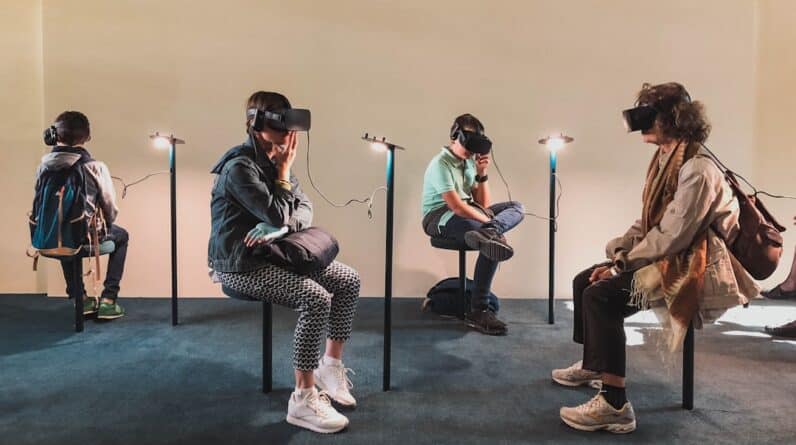
Artificial Intelligence (AI) is a term that has gained significant traction in recent years, permeating various aspects of our daily lives. At its core, AI refers to the simulation of human intelligence processes by machines, particularly computer systems. These processes include learning, reasoning, problem-solving, perception, and language understanding.
As you delve deeper into the world of AI, you will discover that it encompasses a wide range of technologies, from simple algorithms to complex neural networks that mimic the human brain’s functioning. As you explore this fascinating field, you will encounter various subcategories of AI, such as machine learning, natural language processing, and robotics. Machine learning, for instance, allows systems to learn from data and improve their performance over time without being explicitly programmed.
Natural language processing enables machines to understand and respond to human language in a way that feels intuitive and natural. By grasping these foundational concepts, you can better appreciate the potential and limitations of AI as it continues to evolve and integrate into your everyday experiences.
Key Takeaways
- AI is the simulation of human intelligence processes by machines, including learning, reasoning, and self-correction.
- AI and human intelligence differ in their ability to understand context, emotions, and make moral judgments.
- Testing AI intelligence involves evaluating its ability to understand language, solve problems, and learn from new information.
- AI’s ability to learn and adapt is demonstrated through machine learning algorithms and neural networks.
- Ethical and moral implications of AI intelligence include concerns about privacy, bias, and the impact on employment and society.
The Difference Between AI and Human Intelligence
When comparing AI to human intelligence, it is essential to recognize the fundamental differences that set them apart. Human intelligence is characterized by emotional depth, creativity, and the ability to understand context in a way that machines currently cannot replicate. You possess the ability to think critically, make decisions based on a combination of logic and emotion, and adapt your thought processes based on personal experiences.
In contrast, AI operates primarily on data-driven algorithms and lacks the emotional nuances that inform human decision-making. Moreover, while AI can process vast amounts of information at incredible speeds, it does so without the subjective understanding that humans bring to their interactions. For instance, when you engage in a conversation, your ability to read body language and tone allows you to grasp underlying emotions and intentions.
AI, on the other hand, relies on patterns in data and predefined rules to generate responses. This distinction highlights the limitations of AI in replicating the richness of human thought and interaction, even as it excels in specific tasks that require speed and accuracy.
Testing the Intelligence of AI
Evaluating the intelligence of AI systems is a complex endeavor that often involves various testing methodologies. One of the most well-known tests is the Turing Test, proposed by British mathematician Alan Turing in 1950. In this test, a human evaluator interacts with both a machine and a human without knowing which is which.
If the evaluator cannot reliably distinguish between the two based on their responses, the machine is said to have passed the test. As you consider this approach, you may find it intriguing how it challenges our understanding of intelligence itself. However, passing the Turing Test does not necessarily equate to true intelligence or understanding.
Many AI systems can generate human-like responses without possessing genuine comprehension or awareness. This raises questions about what it means for a machine to be “intelligent.” As you explore alternative methods for assessing AI intelligence, you may encounter benchmarks that focus on specific tasks or capabilities, such as problem-solving skills or creativity in generating novel ideas. These assessments can provide valuable insights into the strengths and weaknesses of AI systems while highlighting the ongoing debate about the nature of intelligence itself.
AI’s Ability to Learn and Adapt
One of the most remarkable features of AI is its ability to learn and adapt over time. Through techniques such as machine learning and deep learning, AI systems can analyze vast datasets to identify patterns and make predictions based on new information. As you observe this process in action, you may find it fascinating how these systems can improve their performance without direct human intervention.
For example, recommendation algorithms used by streaming services learn from your viewing habits to suggest content tailored to your preferences. This capacity for adaptation extends beyond mere data analysis; it also encompasses the ability to refine algorithms based on feedback. When you interact with an AI system—whether it’s a virtual assistant or a customer service chatbot—your input can help shape its future responses.
This iterative learning process allows AI to become more effective over time, enhancing its utility in various applications. However, as you consider these advancements, it’s essential to remain aware of the potential challenges associated with AI’s learning capabilities, including biases present in training data that can lead to skewed outcomes.
Ethical and Moral Implications of AI Intelligence
As AI continues to advance and integrate into society, ethical and moral implications become increasingly significant. You may find yourself grappling with questions about accountability when AI systems make decisions that impact people’s lives. For instance, consider scenarios where autonomous vehicles must make split-second decisions in emergency situations—who is responsible for the outcome?
The developers? The manufacturers? Or perhaps even the users?
These dilemmas highlight the need for clear ethical guidelines surrounding AI development and deployment. Moreover, as AI systems become more capable of making decisions traditionally reserved for humans, concerns about privacy and surveillance arise. You might ponder how much personal data is collected by these systems and how it is used.
The potential for misuse or exploitation of this information raises critical questions about consent and individual rights in an increasingly digital world. As you navigate these complex issues, it becomes clear that fostering a responsible approach to AI development is essential for ensuring that technology serves humanity’s best interests rather than undermining them.
AI’s Limitations in Problem-Solving
Despite its impressive capabilities, AI has inherent limitations when it comes to problem-solving. While machines excel at processing large datasets and identifying patterns, they often struggle with tasks requiring common sense reasoning or contextual understanding. For example, if you were to ask an AI system to solve a riddle or interpret a metaphor, it might falter due to its reliance on literal interpretations rather than grasping underlying meanings.
This limitation underscores the importance of human intuition and creativity in addressing complex problems. Additionally, AI systems can be vulnerable to adversarial attacks—deliberate attempts to manipulate their decision-making processes by introducing misleading data or scenarios. As you consider this vulnerability, it becomes evident that while AI can enhance problem-solving capabilities in many areas, it cannot replace human judgment entirely.
The collaboration between humans and machines remains crucial for tackling multifaceted challenges effectively, as each brings unique strengths to the table.
The Future of AI and Intelligence
Looking ahead, the future of AI holds immense potential for transforming various industries and aspects of daily life. As you envision this future landscape, consider how advancements in AI could lead to breakthroughs in healthcare, education, transportation, and beyond. For instance, personalized medicine powered by AI could revolutionize treatment plans based on individual genetic profiles, while intelligent tutoring systems could tailor educational experiences to meet each student’s needs.
However, with these advancements come challenges that must be addressed proactively. You may find yourself contemplating issues related to job displacement as automation becomes more prevalent in various sectors. While AI has the potential to create new opportunities and enhance productivity, it also raises concerns about workforce adaptation and retraining programs necessary for those affected by technological changes.
As you reflect on these possibilities, it becomes clear that fostering collaboration between humans and machines will be essential for navigating this evolving landscape responsibly.
The Role of AI in Society
As AI continues to permeate society, its role will undoubtedly expand across multiple domains. You might observe how businesses leverage AI for data analysis and decision-making processes, leading to increased efficiency and innovation. In healthcare settings, AI-driven diagnostic tools can assist medical professionals in identifying diseases earlier than ever before.
Furthermore, in everyday life, virtual assistants are becoming integral companions that help manage schedules and streamline tasks. However, as you embrace these advancements, it’s crucial to remain vigilant about the implications they carry for society as a whole. Issues such as digital divide—where access to technology is unevenly distributed—must be addressed to ensure equitable benefits from AI innovations.
Additionally, fostering public discourse around ethical considerations will be vital for shaping policies that govern AI’s integration into society responsibly. By engaging with these discussions and advocating for inclusive practices, you can contribute to a future where AI serves as a force for good in enhancing human experiences rather than exacerbating existing inequalities.
In a recent article on unleashing the power of machine learning, the discussion of AI’s capabilities and potential for high IQ is further explored. The article delves into the super skills of AI and how it continues to evolve and surpass human intelligence in certain tasks. It raises questions about the future of AI and its impact on society as it becomes more advanced. This article provides valuable insights into the ongoing debate about whether AI truly possesses a high IQ.
FAQs
What is AI?
AI, or artificial intelligence, refers to the simulation of human intelligence in machines that are programmed to think and act like humans. This includes tasks such as learning, problem-solving, and decision-making.
What is IQ?
IQ, or intelligence quotient, is a measure of a person’s cognitive abilities in relation to others. It is typically assessed through standardized tests that evaluate reasoning, problem-solving, and other cognitive skills.
Does AI have a high IQ?
AI does not have a traditional IQ in the same way that humans do. While AI systems can perform complex tasks and solve problems, their intelligence is different from human intelligence and cannot be directly compared using traditional IQ measures.
How is AI’s intelligence measured?
AI’s intelligence is typically measured through its ability to perform specific tasks, such as playing chess, recognizing speech, or driving a car. These abilities are evaluated based on the accuracy and efficiency of the AI system’s performance.
Can AI outperform humans in certain tasks?
Yes, AI can outperform humans in certain specific tasks, such as complex calculations, data analysis, and pattern recognition. However, AI’s abilities are limited to the tasks it has been programmed or trained to do, and it does not possess the same general intelligence as humans.