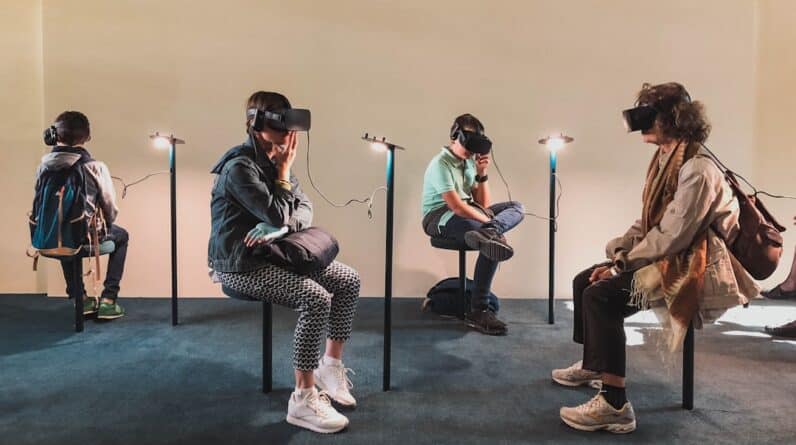
Artificial Intelligence (AI) has emerged as one of the most transformative technologies of our time, reshaping various aspects of daily life and industry. As you navigate through this digital age, you may find yourself interacting with AI in ways that were once the realm of science fiction. From virtual assistants like Siri and Alexa to sophisticated algorithms that power recommendation systems on platforms like Netflix and Amazon, AI is becoming increasingly integrated into your everyday experiences.
This technology is not just a tool; it is a catalyst for change, driving innovation and efficiency across multiple sectors. The concept of AI encompasses a wide range of technologies, including machine learning, natural language processing, and robotics. These advancements enable machines to perform tasks that typically require human intelligence, such as understanding language, recognizing patterns, and making decisions.
As you delve deeper into the world of AI, you will discover its potential to revolutionize industries, enhance productivity, and even improve quality of life. However, with these advancements come challenges and questions about the implications of AI on society, ethics, and the future of work.
Key Takeaways
- Artificial Intelligence (AI) is a rapidly advancing technology that aims to mimic human intelligence and perform tasks such as problem-solving, learning, and decision-making.
- AI has the potential to automate routine tasks, leading to concerns about job displacement and the need for retraining and upskilling of the workforce.
- In healthcare, AI can improve diagnostics, personalized treatment plans, and drug discovery, but it also raises concerns about patient privacy and the potential for bias in decision-making.
- Ethical and privacy concerns surrounding AI include issues such as data security, algorithmic bias, and the potential misuse of AI for surveillance and control.
- AI has the potential to revolutionize education by personalizing learning experiences, but it also raises concerns about the impact on human interaction and the need for digital literacy skills.
Impact on Employment and the Workforce
The Efficiency of Automation
While it is true that AI can perform repetitive tasks more efficiently than humans, it is essential to recognize that this technology also creates new opportunities.
New Opportunities and Shifts in Roles
For instance, as machines take over mundane tasks, you may find that your role shifts towards more complex and creative endeavors that require human insight and emotional intelligence. Moreover, the integration of AI into the workplace can lead to enhanced productivity and efficiency.
A Dynamic Work Environment
This shift can result in a more dynamic work environment where employees are empowered to focus on strategic initiatives rather than being bogged down by routine tasks. However, this transition requires a commitment to reskilling and upskilling the workforce to ensure that you and your colleagues are equipped to thrive in an AI-enhanced landscape.
Influence on Healthcare and Medicine

The influence of AI on healthcare and medicine is profound and multifaceted. As you explore this field, you may be amazed by how AI technologies are revolutionizing patient care, diagnostics, and treatment plans. For instance, machine learning algorithms can analyze vast amounts of medical data to identify patterns that may elude even the most experienced healthcare professionals.
This capability allows for earlier detection of diseases and more personalized treatment options tailored to individual patients’ needs. In addition to diagnostics, AI is also playing a crucial role in drug discovery and development. You might find it fascinating that researchers are leveraging AI to predict how different compounds will interact with biological systems, significantly speeding up the process of bringing new medications to market.
This not only enhances the efficiency of pharmaceutical research but also holds the promise of more effective treatments for various conditions. As you consider the implications of AI in healthcare, it becomes clear that this technology has the potential to save lives and improve overall health outcomes.
Ethical and Privacy Concerns
As you engage with the advancements brought about by AI, it is crucial to address the ethical and privacy concerns that accompany this technology. One of the primary issues revolves around data privacy. With AI systems relying heavily on vast amounts of data to function effectively, there is an inherent risk of personal information being misused or inadequately protected.
You may find yourself questioning how your data is collected, stored, and utilized by various platforms and organizations. Moreover, ethical considerations extend beyond data privacy to include issues such as bias in AI algorithms. If you think about it, AI systems learn from historical data, which can inadvertently perpetuate existing biases present in that data.
This raises concerns about fairness and equity in decision-making processes across various sectors, including hiring practices, law enforcement, and lending. As you navigate this complex landscape, it becomes evident that establishing ethical guidelines and regulatory frameworks is essential to ensure that AI serves humanity positively and equitably.
Role in Education and Learning
The role of AI in education and learning is rapidly evolving, offering innovative solutions to enhance teaching methods and learning experiences. As you consider your own educational journey or that of others around you, you may recognize how AI-powered tools can provide personalized learning experiences tailored to individual needs. For instance, adaptive learning platforms can analyze your progress and adjust content accordingly, ensuring that you grasp concepts at your own pace.
Furthermore, AI can assist educators by automating administrative tasks such as grading assignments or managing schedules. This allows teachers to focus more on engaging with students and fostering a supportive learning environment. You might also encounter virtual tutors powered by AI that can provide additional support outside the classroom, helping students reinforce their understanding of challenging subjects.
As you reflect on these advancements, it becomes clear that AI has the potential to democratize education by making quality learning resources accessible to a broader audience.
Effects on Social Interactions and Relationships
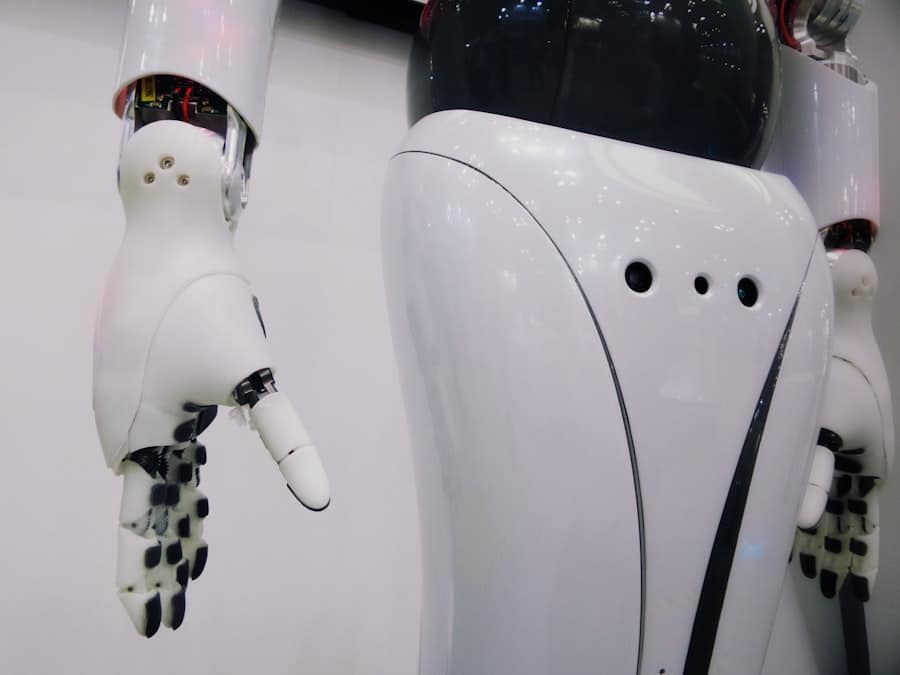
The rise of AI has also significantly impacted social interactions and relationships in both positive and negative ways. On one hand, you may find that AI-driven communication tools facilitate connections with others across vast distances. Social media platforms utilize algorithms to curate content tailored to your interests, allowing you to engage with like-minded individuals and communities.
This interconnectedness can foster a sense of belonging and support among people who share similar passions or experiences. However, there are also concerns about how AI influences interpersonal relationships. As you engage with technology more frequently, you might notice a shift in how people communicate face-to-face.
The prevalence of virtual interactions can lead to a decline in meaningful connections as individuals become more reliant on digital communication methods. Additionally, the rise of deepfake technology raises questions about authenticity in online interactions, potentially eroding trust among individuals. As you navigate these changes in social dynamics, it is essential to strike a balance between embracing technological advancements while nurturing genuine human connections.
Implications for National Security and Defense
The implications of AI for national security and defense are profound and multifaceted. As you consider the role of technology in safeguarding nations, it becomes evident that AI can enhance military capabilities through improved surveillance, data analysis, and decision-making processes. For instance, AI-powered drones can conduct reconnaissance missions with greater efficiency than traditional methods, providing real-time intelligence to military personnel.
However, the integration of AI into defense systems also raises ethical concerns regarding autonomous weapons and their potential use in warfare. You may find yourself pondering the moral implications of machines making life-and-death decisions without human intervention. Additionally, the potential for cyber warfare powered by AI poses significant risks to national security as adversaries leverage advanced technologies to disrupt critical infrastructure or steal sensitive information.
As you reflect on these challenges, it becomes clear that establishing international norms and regulations surrounding the use of AI in defense is crucial for maintaining global stability.
Future Outlook and Potential Risks
Looking ahead, the future outlook for AI is both promising and fraught with potential risks. As you consider the trajectory of this technology, it is essential to recognize that while AI has the potential to drive innovation and improve quality of life, it also presents challenges that must be addressed proactively. The rapid pace of technological advancement means that society must adapt quickly to keep up with changes in the workforce, healthcare systems, education models, and social dynamics.
One significant risk lies in the potential for job displacement as automation continues to advance. You may find yourself contemplating how society will respond to these changes—whether through reskilling initiatives or social safety nets designed to support those affected by job loss. Additionally, as AI systems become more complex and autonomous, ensuring accountability for their actions will be paramount.
The question of who is responsible when an AI system makes a mistake or causes harm remains unresolved. In conclusion, as you navigate the evolving landscape shaped by artificial intelligence, it is crucial to remain informed about its implications across various sectors. By understanding both the benefits and challenges posed by this technology, you can contribute to discussions about its ethical use and advocate for policies that promote equitable access while safeguarding individual rights.
The future of AI holds immense potential; however, it is up to you—and society as a whole—to ensure that this technology serves humanity positively and responsibly.
Artificial intelligence has the potential to greatly impact human interactions and experiences. One related article that delves into this topic is AI in Customer Service: Improving Support and Satisfaction. This article explores how AI is revolutionizing customer service by providing more efficient and personalized support, ultimately enhancing customer satisfaction. As AI continues to advance, its influence on human interactions will only continue to grow.
FAQs
What is artificial intelligence (AI)?
Artificial intelligence (AI) refers to the simulation of human intelligence in machines that are programmed to think and act like humans. This includes tasks such as learning, problem-solving, and decision-making.
How does artificial intelligence affect humans?
Artificial intelligence has the potential to greatly impact humans in various ways, including improving efficiency in industries, creating new job opportunities, and enhancing healthcare and education systems. However, it also raises concerns about job displacement, privacy, and ethical considerations.
What are the benefits of artificial intelligence for humans?
Some of the benefits of artificial intelligence for humans include increased productivity, improved decision-making, personalized experiences, and advancements in healthcare and scientific research.
What are the potential risks of artificial intelligence for humans?
Potential risks of artificial intelligence for humans include job displacement due to automation, privacy concerns related to data collection and surveillance, and the potential for AI systems to exhibit biased or unethical behavior.
How is artificial intelligence currently being used in society?
Artificial intelligence is currently being used in various industries and applications, including healthcare (diagnosis and treatment planning), finance (fraud detection and risk assessment), transportation (autonomous vehicles), and customer service (chatbots and virtual assistants).
What ethical considerations are associated with artificial intelligence?
Ethical considerations related to artificial intelligence include issues of bias and fairness in AI systems, privacy concerns regarding data collection and surveillance, and the potential for AI to be used for malicious purposes such as autonomous weapons.