In recent years, the wine industry has witnessed a remarkable transformation, largely driven by advancements in artificial intelligence (AI). As you explore the world of wine, you may have noticed how technology is reshaping traditional practices, from vineyard management to consumer experiences. The integration of AI into this age-old industry is not merely a trend; it represents a significant shift in how wine is produced, marketed, and enjoyed.
With the ability to analyze vast amounts of data, AI is helping winemakers make informed decisions that enhance quality and efficiency. The rise of AI in the wine industry can be attributed to several factors. First, the increasing complexity of consumer preferences has made it essential for producers to understand their audience better.
AI tools can analyze consumer behavior, preferences, and trends, allowing wineries to tailor their offerings accordingly. Additionally, the growing demand for personalized experiences has prompted the adoption of AI technologies that can recommend wines based on individual tastes. As you delve deeper into this fascinating intersection of tradition and technology, you’ll discover how AI is not just a tool but a partner in the evolution of wine.
Key Takeaways
- AI is revolutionizing the wine industry by providing innovative solutions for wine selection and pairing.
- AI sommeliers work by analyzing vast amounts of data to make personalized wine recommendations based on individual preferences.
- The science behind AI wine pairing involves algorithms that consider factors such as flavor profiles, food composition, and personal taste preferences.
- Using AI sommeliers can benefit consumers by providing more accurate and personalized wine recommendations, saving time and enhancing dining experiences.
- The future of AI sommeliers holds potential for further advancements in wine selection and pairing, but also presents challenges and limitations that need to be addressed.
How AI Sommeliers Work
Personalized Wine Recommendations
AI sommeliers operate on sophisticated algorithms that process extensive datasets to provide wine recommendations tailored to individual preferences. When you engage with an AI sommelier, it typically begins by gathering information about your tastes, dietary restrictions, and the specific meal you plan to enjoy. This data is then cross-referenced with a vast database of wines, which includes details about flavor profiles, aromas, and even historical pairing successes.
Continuous Improvement through Machine Learning
The technology behind AI sommeliers often involves machine learning, where the system continuously improves its recommendations based on user feedback and new data. As you interact with an AI sommelier over time, it learns from your choices and refines its suggestions accordingly.
Exploring New Wines and Broadening Your Palate
This dynamic learning process allows the AI to adapt to changing trends and preferences, ensuring that its recommendations remain relevant and exciting. By leveraging this technology, you can explore new wines that you might not have considered otherwise, broadening your palate and enriching your culinary adventures.
The Science Behind AI Wine Pairing
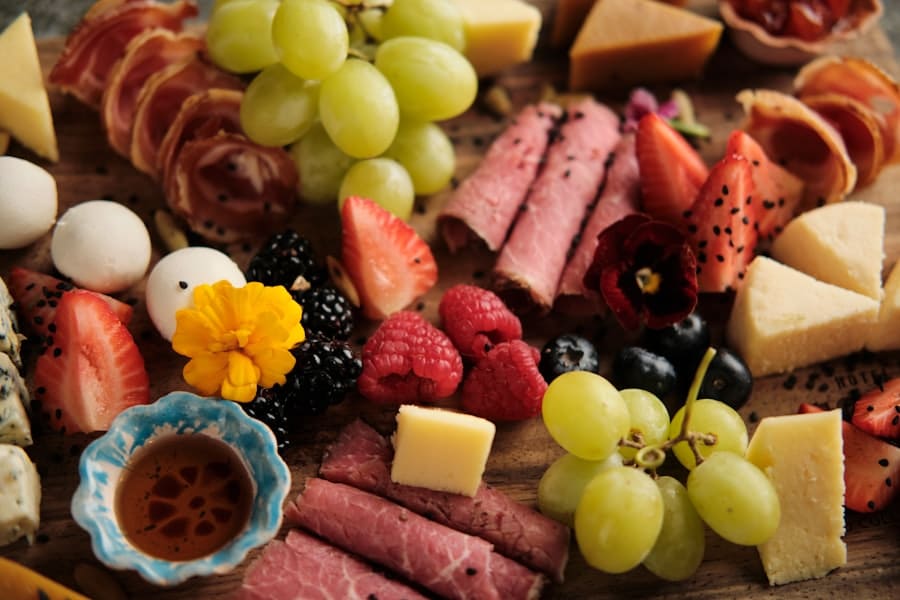
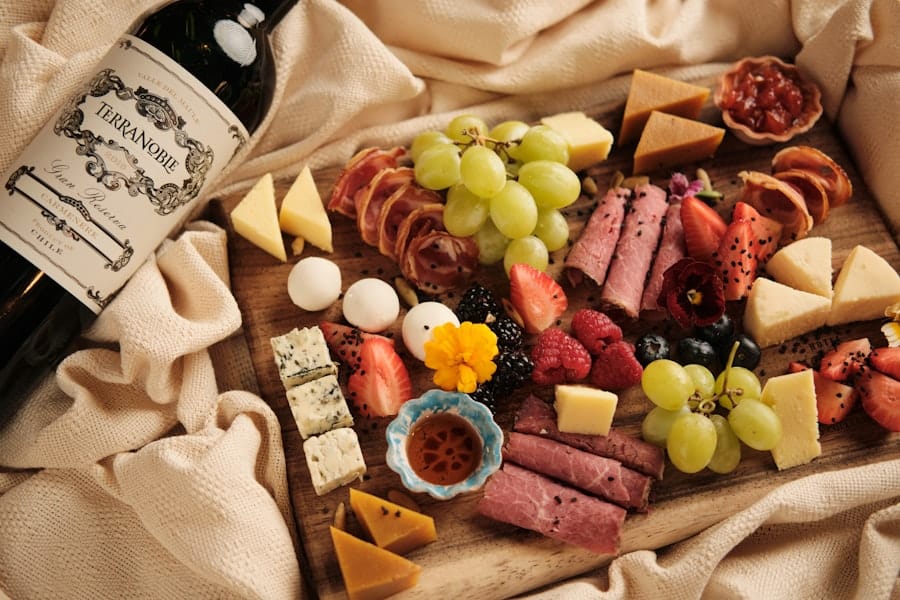
At the heart of AI wine pairing lies a complex interplay of science and art. When you think about what makes a great wine pairing, it often involves understanding the nuances of flavor profiles, acidity levels, and even the texture of both food and wine. AI sommeliers utilize algorithms that analyze these elements in detail.
They consider factors such as the primary ingredients in a dish, cooking methods, and even cultural influences on flavor preferences. This scientific approach allows for more precise pairings than traditional methods. Moreover, AI systems can draw upon extensive databases that include not only wine characteristics but also historical pairing data from culinary experts.
By analyzing successful pairings from various cuisines and regions, AI can identify patterns that may not be immediately apparent to human sommeliers. This data-driven approach enables you to discover unexpected yet delightful combinations that elevate your dining experience. As you experiment with these pairings, you may find that AI sommeliers can introduce you to wines that perfectly complement your favorite dishes in ways you never imagined.
Benefits of Using AI Sommeliers
One of the most significant benefits of using AI sommeliers is their ability to provide personalized recommendations at scale. Unlike traditional sommeliers who may have limited time or resources to cater to every guest’s unique preferences, AI can analyze countless variables simultaneously. This means that whether you’re dining alone or hosting a large gathering, you can receive tailored suggestions that enhance your meal without the pressure of making a choice on your own.
Additionally, AI sommeliers can help demystify the world of wine for those who may feel intimidated by it. If you’re new to wine or unsure about what to choose, an AI sommelier can guide you through the selection process with ease. By breaking down complex terminology and offering straightforward recommendations based on your tastes, these digital assistants make wine more accessible to everyone.
This democratization of wine knowledge encourages exploration and experimentation, allowing you to develop your palate without feeling overwhelmed.
The Future of AI Sommeliers
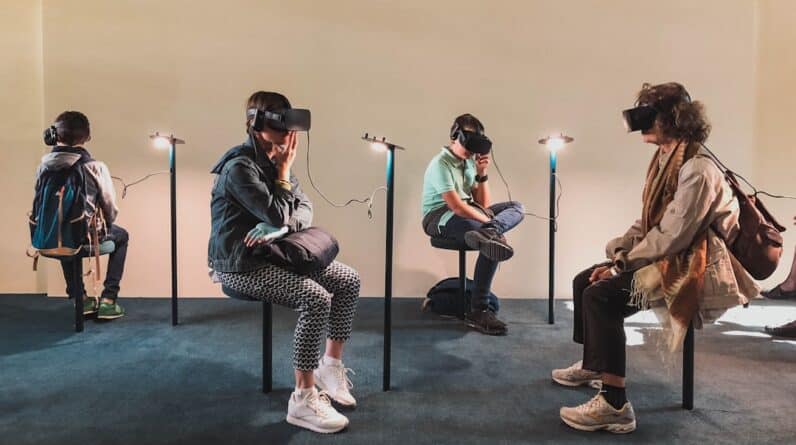
As technology continues to evolve, the future of AI sommeliers looks promising. You can expect these digital assistants to become even more sophisticated in their recommendations as they integrate with other technologies like augmented reality (AR) and virtual reality (VR). Imagine dining at a restaurant where an AR interface allows you to visualize wine pairings with your meal or even see how different wines are produced in real-time.
This immersive experience could revolutionize how you interact with wine. Moreover, as sustainability becomes increasingly important in the wine industry, AI can play a crucial role in promoting eco-friendly practices. By analyzing data related to climate conditions, soil health, and grape varieties, AI can help winemakers make informed decisions that minimize environmental impact while maximizing quality.
As you look ahead, it’s clear that AI sommeliers will not only enhance your dining experiences but also contribute to a more sustainable future for the wine industry.
Challenges and Limitations of AI Sommeliers
Despite their many advantages, AI sommeliers are not without challenges and limitations. One significant hurdle is the reliance on data quality and availability. If the datasets used to train these algorithms are incomplete or biased, the recommendations may not accurately reflect the diversity of wines available or consumer preferences.
As a user, you may find that some suggestions feel off-mark or fail to resonate with your tastes due to these limitations. Another challenge lies in the emotional aspect of wine appreciation. Wine is often associated with personal experiences, memories, and cultural significance—elements that are difficult for an algorithm to quantify.
While AI can provide data-driven recommendations, it may lack the nuanced understanding that a human sommelier brings to the table. As you navigate this landscape, it’s essential to recognize that while AI can enhance your experience, it may not fully replace the human touch that makes wine tasting so special.
When comparing human sommeliers to their AI counterparts, several key differences emerge. Human sommeliers possess an innate ability to read emotions and body language, allowing them to tailor their recommendations based on subtle cues from diners. They can engage in meaningful conversations about wine history, terroir, and personal anecdotes that enrich the overall experience.
If you’re seeking a connection or storytelling aspect during your dining experience, a human sommelier may provide that warmth and depth that an algorithm cannot replicate. On the other hand, AI sommeliers excel in processing vast amounts of information quickly and efficiently. They can analyze thousands of wines and food pairings in seconds, providing you with personalized recommendations based on comprehensive data analysis.
While they may lack emotional intelligence, their ability to adapt and learn from user interactions makes them valuable tools for enhancing your wine journey. Ultimately, both human and AI sommeliers have unique strengths that can complement each other in creating memorable dining experiences.
Tips for Using AI Sommeliers to Enhance Dining Experiences
To make the most out of your interactions with AI sommeliers, consider a few practical tips that can enhance your dining experiences. First, be as specific as possible when providing information about your preferences. The more details you share—such as flavor profiles you enjoy or specific dishes you’re planning to serve—the better the recommendations will be tailored to your tastes.
Additionally, don’t hesitate to experiment with different types of cuisine and wines suggested by the AI sommelier. You might discover new favorites that challenge your palate and expand your appreciation for diverse flavors. Keep an open mind and be willing to step outside your comfort zone; after all, part of the joy of wine is exploration.
Lastly, consider using AI sommeliers as a starting point rather than an endpoint in your wine journey. Use their recommendations as a foundation for further research or discussions with friends or family about what you’ve learned. Engaging with others about your experiences can deepen your understanding and appreciation for wine while fostering connections over shared meals.
In conclusion, as you navigate the evolving landscape of the wine industry shaped by artificial intelligence, you’ll find that AI sommeliers offer exciting opportunities for personalization and exploration. While they come with their own set of challenges and limitations, their potential to enhance your dining experiences is undeniable. Embrace this technological advancement as a way to enrich your appreciation for wine while still cherishing the human connections that make each bottle special.
If you are interested in the intersection of AI and data, you may want to check out the article AI and Data: The Power of Big Data and Artificial Intelligence. This article explores how AI is revolutionizing the way we collect, analyze, and utilize data in various industries. Just like The AI Sommelier is transforming the wine industry, AI and data are reshaping the way we approach information and decision-making processes.
FAQs
What is an AI sommelier?
An AI sommelier is a computer program or application that uses artificial intelligence to recommend wine pairings for different cuisines or dishes.
How does an AI sommelier work?
An AI sommelier works by analyzing a vast amount of data on wines, cuisines, and flavor profiles. It uses machine learning algorithms to make recommendations based on this data, taking into account factors such as the flavors in the dish, the characteristics of the wine, and the preferences of the user.
What are the benefits of using an AI sommelier?
Using an AI sommelier can help people make more informed and personalized wine pairing choices. It can also introduce users to new and interesting wine selections that they may not have considered before.
Are AI sommeliers accurate in their recommendations?
AI sommeliers can be quite accurate in their recommendations, especially when they have access to a large and diverse dataset. However, personal taste can vary, so it’s important to consider the recommendations as a starting point rather than a definitive answer.
Are there any limitations to using an AI sommelier?
One limitation of using an AI sommelier is that it may not take into account the specific preferences or nuances of individual users. Additionally, the recommendations may not always align with the availability of certain wines in a given market.