In the realm of education, artificial intelligence (AI) has been a game-changer, revolutionizing the way students learn and teachers instruct. The integration of AI in education has brought about personalized learning, tailoring educational experiences to individual students’ needs and abilities. Additionally, classroom automation has streamlined administrative tasks, giving teachers more time to focus on instruction. This article explores the incredible potential of AI in education and how it is reshaping the future of learning.

The Role of AI in Education
Artificial Intelligence (AI) has revolutionized various industries, and its impact on education is no exception. AI is transforming the traditional education system by enabling personalized learning and automating administrative tasks in the classroom. By tailoring instruction to individual students, addressing their unique learning needs, and automating administrative tasks, AI is enhancing the teaching and learning experience in education.
Enhancing Teaching and Learning
One of the most significant ways AI is enhancing teaching and learning is through personalized learning. With AI-powered tools and platforms, educators can tailor instruction to meet the specific needs of each student. AI algorithms analyze data on student performance, learning styles, and preferences to create personalized learning experiences. This approach allows students to learn at their own pace, filling in knowledge gaps and reinforcing concepts that they struggle with.

Addressing Individual Learning Needs
AI in education also addresses the diverse learning needs of students. Every student possesses a unique learning style, and AI can adapt to these styles to provide tailored instruction. For visual learners, AI can present information through interactive visualizations or videos. Auditory learners can benefit from AI-generated audio lessons and podcasts. Kinesthetic learners can engage with AI simulations and virtual reality experiences that allow them to interact with the content. By adapting to different learning styles, AI ensures that all students have equal opportunities to succeed.
Providing Immediate Feedback
Another advantage of AI in education is its ability to provide immediate feedback to students. Traditionally, students had to wait for teachers to review their assignments or exams and provide feedback. With AI, students receive instant feedback on their work, allowing them to identify and correct mistakes in real-time. This immediate feedback not only helps students improve their understanding and performance but also promotes a growth mindset by encouraging them to learn from their mistakes.

Monitoring Student Progress
AI-powered tools and platforms can also monitor students’ progress in real-time. By collecting and analyzing data on students’ performance, behavior, and engagement, AI systems can identify areas where students may be struggling or excelling. This information allows educators to intervene promptly and provide targeted support to students who need it the most. By monitoring student progress, AI ensures that no student falls behind and that all students have the opportunity to thrive academically.
Benefits of Personalized Learning
Personalized learning, enabled by AI, brings various benefits to students and educators alike. One of the primary benefits is improved student engagement. Personalized learning taps into students’ unique interests, preferences, and learning styles, making learning more enjoyable and meaningful for them. As a result, students become more engaged in their education, actively participating in the learning process and taking ownership of their learning journey.
Furthermore, personalized learning using AI has been shown to enhance student outcomes. By tailoring instruction to individual students, AI ensures that each student receives the support and guidance they need to succeed. This individualized approach leads to improvements in academic performance, as students are more likely to understand and retain the content. By promoting mastery of concepts, personalized learning with AI helps students achieve their full potential.
Challenges in Implementing AI for Personalized Learning
While AI presents significant opportunities for personalized learning, there are also challenges that need to be addressed. One of the main concerns is data privacy and security. AI systems collect and analyze vast amounts of student data, including personal information and learning progress. Ensuring that this data is securely stored and only used for educational purposes is crucial to protect student privacy.
Ethical considerations also come into play when implementing AI in education. As AI algorithms make decisions and recommendations based on data, it is essential to ensure fairness, transparency, and accountability. Bias in AI algorithms can perpetuate inequalities and disadvantage certain student groups. To avoid such issues, educators and AI developers must collaborate to develop and refine AI systems that are ethically and socially responsible.
Another challenge is providing adequate teacher training and support for AI integration. Educators need to be equipped with the necessary skills and knowledge to effectively incorporate AI-powered tools into their teaching practices. Professional development opportunities, workshops, and collaboration between educators and AI developers can help address this challenge and ensure educators feel confident and competent in using AI in the classroom.
AI-powered Classroom Automation
In addition to personalized learning, AI is also revolutionizing the classroom through automation. AI-powered systems can automate administrative tasks, individualize instruction with smart content, and streamline grading and assessment processes. By automating time-consuming tasks, educators can focus their energy on providing quality instruction and personalized support to students.

Automating Administrative Tasks
AI can take over repetitive administrative tasks, such as attendance tracking, organizing assignments, and scheduling. By automating these tasks, educators save valuable time, allowing them to devote more attention to instructional activities. AI systems can generate reports, analyze data, and provide insights that can help educators make informed decisions about student progress and instructional strategies.
Individualizing Instruction with Smart Content
AI can revolutionize the way content is delivered in the classroom by individualizing instruction. Intelligent tutoring systems, powered by AI, can adapt instructional material to match students’ abilities, prior knowledge, and learning styles. These systems can analyze student responses to questions, identify areas of difficulty, and provide immediate remediation or enrichment. By delivering personalized content, AI ensures that each student receives targeted instruction that meets their unique needs.
Efficient Grading and Assessment
Grading and assessment are essential aspects of the education process, but they can be time-consuming for educators. AI-powered grading systems can automate the process, providing efficient and accurate evaluations of student work. These systems use algorithms to assess multiple-choice answers, essays, and other assignments. By automating grading, AI frees up valuable time for teachers, allowing them to provide more timely and individualized feedback to students.
Advantages of Classroom Automation
Classroom automation through AI brings numerous advantages to educators and students. The most significant advantage is the time savings for teachers. By automating administrative tasks, teachers can reclaim valuable time that can be dedicated to instructional planning, individual student support, and professional development. This increased efficiency allows educators to focus on what matters most – providing quality education to their students.
Another advantage of classroom automation is improved resource allocation. With AI systems handling administrative tasks, schools can allocate resources more effectively. Whether it’s financial resources, instructional materials, or staff, AI helps schools optimize resource allocation based on individual student needs and educational goals. This ensures that resources are allocated where they are most needed to support student learning and achievement.
Streamlined Communication
Communication between educators, students, and parents is crucial for effective education. AI-powered tools can streamline communication channels, enabling efficient and timely exchange of information. Virtual learning platforms, chatbots, and AI-powered messaging systems can facilitate communication, providing a seamless experience for all stakeholders. This improved communication and collaboration foster stronger relationships, leading to better support for student learning and academic success.
Potential Drawbacks of Classroom Automation
While classroom automation through AI offers significant benefits, there are potential drawbacks that need to be considered. One of the concerns is the loss of human interaction. As more administrative tasks and instruction are automated, the amount of personal interaction between educators and students may be reduced. Human connection and personalized attention are crucial for fostering meaningful and supportive learning environments. It is important to strike a balance between automation and human interaction to ensure students’ emotional and social needs are met.
Another potential drawback is the dependence on technology. As AI systems become integrated into classrooms, there is a risk of over-reliance on technology. Technical glitches, system failures, and lack of access to technology can disrupt the learning process. It is crucial to have contingency plans and alternative methods of instruction to mitigate the impact of technology failures and ensure equitable access to education for all students.
Equity and access are also concerns with classroom automation. Not all schools and students have equal access to technology and AI-powered tools. The digital divide among schools and students can exacerbate existing inequalities in the education system. To harness the benefits of AI in education equitably, policies and initiatives must be in place to ensure access to technology and training for all students, regardless of their socioeconomic background.
Successful Examples of AI in Education
AI is already making a significant impact in education, and there are successful examples of its implementation. Adaptive learning platforms, such as Khan Academy and DreamBox, use AI algorithms to personalize instruction based on students’ individual needs and learning styles. These platforms provide adaptive assessments, personalized recommendations, and real-time feedback to enhance student learning outcomes.
Intelligent tutoring systems, like Carnegie Learning and Knewton, provide individualized instruction tailored to students’ unique abilities and learning patterns. These systems analyze student performance, adapt content, and provide immediate feedback to guide students towards mastery of concepts. By emulating one-on-one tutoring, intelligent tutoring systems offer personalized support to students, even in a large classroom setting.
Automated grading systems, such as Turnitin and Gradescope, streamline the grading and assessment process. These systems use AI algorithms to evaluate student work, providing efficient and consistent grading. Automated grading systems alleviate the burden on educators, allowing for faster feedback and more time for targeted instruction.
AI-driven Education Tools and Platforms
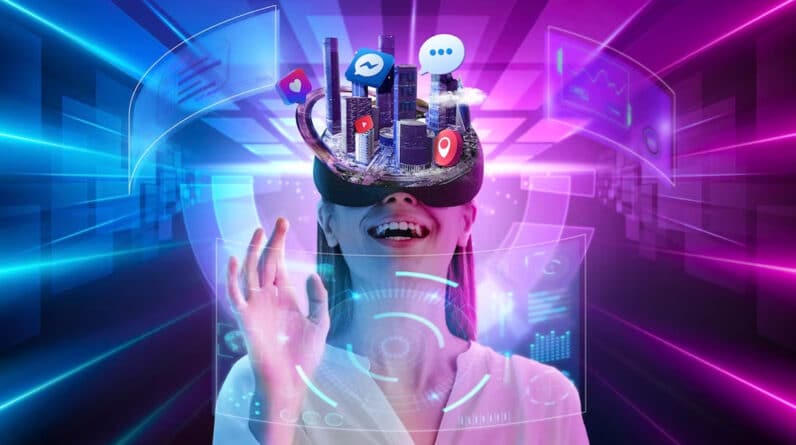
AI-driven education tools and platforms continue to emerge, providing innovative ways to enhance teaching and learning. Virtual reality (VR) and AI simulations create immersive and interactive learning experiences. VR allows students to explore and manipulate 3D environments, enhancing their understanding of complex concepts in subjects like science and history. AI simulations simulate real-world scenarios, allowing students to practice problem-solving and critical thinking skills.
Chatbots are another AI-driven tool used in education. These virtual assistants provide instant support and guidance to students, answering questions, providing explanations, and offering resources. Chatbots can be integrated into learning platforms or accessible through messaging apps, providing round-the-clock support to students.
Data analytics is also transforming education through AI. By analyzing vast amounts of student data, AI systems can identify patterns, trends, and areas for improvement. This data-driven approach helps educators make data-informed decisions, adapt instructional strategies, and personalize learning experiences.
Preparing Educators for AI Integration
To fully harness the potential of AI in education, it is crucial to prepare educators for AI integration. Ensuring digital literacy among educators is a fundamental step. Educators must understand AI technologies, their capabilities, and their limitations. Digital literacy training should equip educators with the skills to effectively incorporate AI-powered tools into their teaching practices and to navigate ethical considerations.
Providing ongoing professional development opportunities is also essential. Educators need continuous support and training to stay abreast of the latest advancements in AI and their application in education. Workshops, webinars, and collaborative learning communities can empower educators to explore and implement AI-powered tools and strategies effectively.
Collaboration between educators and AI developers is crucial for successful AI integration in education. Educators can provide valuable insights into the needs and challenges of the classroom, helping developers create AI systems that align with educational goals. Regular feedback and collaboration between these two groups ensure that AI technologies meet the unique requirements of the education context and foster positive learning outcomes.
In conclusion, AI is revolutionizing education by enhancing teaching and learning through personalized instruction and automating administrative tasks. Personalized learning with AI tailors instruction to individual students, addresses diverse learning needs, provides immediate feedback, and monitors student progress. The benefits of personalized learning include improved student engagement, enhanced student outcomes, and increased retention and mastery. However, challenges such as data privacy and security concerns, ethical considerations, and teacher training need to be addressed.
AI-powered classroom automation automates administrative tasks, individualizes instruction with smart content, and streamlines grading and assessment. The advantages of classroom automation include time savings for teachers, improved resource allocation, and streamlined communication. However, potential drawbacks such as loss of human interaction, dependence on technology, and equity and access must be considered.
Successful examples of AI in education include adaptive learning platforms, intelligent tutoring systems, and automated grading systems. AI-driven education tools and platforms, such as virtual reality and AI simulations, chatbots for student support, and data analytics, continue to shape the future of education. Preparing educators for AI integration involves ensuring digital literacy, providing professional development opportunities, and fostering collaboration between educators and AI developers. With careful implementation and consideration, AI has the potential to revolutionize education and provide enhanced learning experiences for all students.