Imagine a world where cutting-edge technology is being used to safeguard the world’s most vulnerable species. Artificial Intelligence (AI) is revolutionizing the field of wildlife conservation by providing innovative solutions to protect endangered animals and their habitats. From identifying individual animals to monitoring illegal activities, AI is helping to create a brighter future for our planet’s biodiversity. This article explores the fascinating ways in which AI is being applied in the field of wildlife conservation and the incredible impact it is making to ensure the survival of endangered species.

The Importance of Wildlife Conservation
Wildlife conservation plays a crucial role in preserving the delicate balance of nature and ensuring the survival of endangered species. Biodiversity is the variety of life forms found on Earth, including plants, animals, and microorganisms. It is the foundation of healthy ecosystems and supports essential ecological processes such as nutrient cycling, pollination, and seed dispersal. Protecting biodiversity is not just about saving individual species, but also about safeguarding the intricate relationships between different species and their habitats.
However, wildlife faces numerous threats that put their existence at risk. Habitat destruction, climate change, pollution, and invasive species are some of the primary culprits. As these threats intensify, it becomes increasingly important for conservation efforts to evolve and adopt innovative strategies to protect and restore endangered species.
Introducing AI in Wildlife Conservation
Artificial Intelligence (AI) presents a powerful tool in the fight against species extinction. AI refers to the development of computer systems that can perform tasks that would typically require human intelligence, such as learning, problem-solving, and decision-making. By harnessing the capabilities of AI, wildlife conservationists can gather data, analyze patterns, and detect threats more efficiently and effectively than ever before. This has the potential to revolutionize the field of conservation and significantly contribute to safeguarding endangered species.
Monitoring Endangered Species with AI
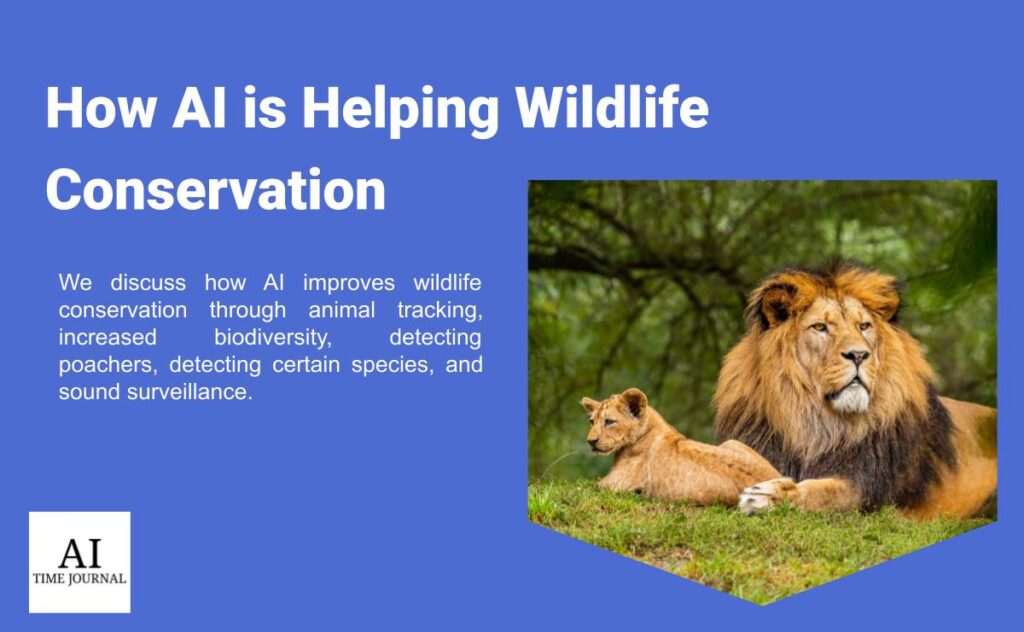
Monitoring the populations and behaviors of endangered species is crucial for their protection and management. AI technology offers several innovative techniques for gathering this essential data.
Remote Sensing
Remote sensing involves the use of satellite imagery and other aerial techniques to collect data on wildlife populations and their habitats. AI can be used to analyze these vast amounts of data quickly and accurately, providing valuable insights into species distributions, habitat quality, and changes over time. This information allows conservationists to make informed decisions and implement targeted conservation strategies.
Camera Traps
Camera traps have become increasingly popular in wildlife conservation as an effective non-invasive method for monitoring animals in their natural habitats. AI-powered image recognition algorithms can automatically analyze camera trap images, identify species, and estimate population densities. This technology saves considerable time and resources compared to manual identification and allows for real-time monitoring of elusive and endangered species.
Bioacoustic Monitoring
Another valuable technique for monitoring endangered species is bioacoustic monitoring, which involves recording and analyzing animal sounds. AI algorithms can detect and classify animal vocalizations in audio recordings, allowing researchers to monitor species presence, behavior, and even estimate population sizes. This technology is particularly useful for studying elusive or nocturnal species that are challenging to track visually.
AI-Enabled Data Analysis
Gathering data is only the first step; effective analysis is essential for identifying trends, patterns, and threats to endangered species. AI enables advanced data analysis techniques that can extract valuable insights from complex ecological data.
Image Recognition
Image recognition algorithms can analyze large datasets of photographs or satellite images and automatically identify and classify species or other objects of interest. By quickly sorting through vast amounts of visual data, AI can provide valuable information about species distributions, changes in habitat quality, and the impacts of human activities on wildlife populations.
Object Tracking
Object tracking algorithms use AI to follow and monitor individual animals or groups of animals in video recordings. This technology allows researchers to gather data on animal movements, behavior, and interactions over extended periods. By understanding how animals navigate their habitats and interact with other species, conservationists can develop more effective strategies for protecting endangered species and their ecosystems.
Pattern Recognition
AI algorithms are exceptionally adept at recognizing patterns in complex datasets. By applying pattern recognition techniques, conservationists can identify key indicators of habitat loss, pollution, or other threats to endangered species. This information enables targeted conservation interventions and helps evaluate the effectiveness of conservation efforts over time.

Preventing Wildlife Crimes with AI
Illegal poaching and wildlife trafficking are major threats to many endangered species. AI has the potential to play a crucial role in preventing and combating these crimes.
Illegal Poaching
AI can assist in detecting and preventing illegal poaching activities. Drones equipped with AI-powered image recognition can patrol protected areas and identify potential poachers, vehicles, or weapons. Real-time monitoring and automated alerts enable rapid responses, allowing rangers to apprehend poachers before they harm endangered species.
Illegal Wildlife Trafficking
AI technology can also be used to combat illegal wildlife trafficking. By analyzing social media platforms, online marketplaces, and other digital platforms, AI algorithms can identify and flag suspicious activities related to the illegal trade of endangered species. This information can then be shared with law enforcement agencies, enabling them to take swift action against traffickers and disrupt their networks.
AI-Assisted Animal Behavior Studies
Understanding animal behavior is crucial for effective conservation strategies. AI can provide valuable insights into the behaviors and movements of endangered species.
Understanding Animal Behavior
AI algorithms can process large amounts of behavioral data collected from animal tracking devices, camera traps, or bioacoustic recordings. By analyzing this data, researchers can gain a deeper understanding of how endangered species interact with their environments and other species. This knowledge helps identify critical behaviors for survival and informs conservation efforts aimed at preserving natural habitats and promoting species coexistence.
Migration Patterns
Many species undertake long-distance migrations, a behavior that is essential for their survival but also increasingly threatened by habitat fragmentation and climate change. AI can analyze migration patterns by analyzing movement data from tracking devices. By understanding the timing, routes, and stopover sites of migratory species, conservationists can identify and protect critical habitats along migration routes, minimizing the risks they face during these arduous journeys.
Breeding Habits
AI technology can also contribute to the study of breeding habits in endangered species. By analyzing patterns in breeding behaviors, such as courtship displays or timing of mating, researchers can better understand the reproductive dynamics of endangered species. This knowledge is crucial for identifying factors that may limit successful breeding and guiding conservation efforts to ensure the long-term survival and genetic diversity of endangered populations.

AI in Habitat Restoration and Management
Preserving and restoring habitats is critical for the survival of endangered species. AI can facilitate habitat mapping, monitoring, and restoration efforts.
Mapping and Monitoring Habitats
AI-powered satellite imagery analysis and remote sensing techniques can efficiently map and monitor habitats over large areas. By identifying areas of habitat loss or degradation, conservationists can direct their resources towards protecting and restoring these crucial ecosystems. AI can also play a role in identifying suitable locations for habitat restoration or reintroduction efforts, maximizing the success of these interventions.
Reintroducing Endangered Species
Species reintroduction programs aim to reestablish populations of endangered species in their historical ranges. AI can assist in identifying suitable locations for reintroduction by analyzing ecological data, species distribution models, and habitat suitability assessments. This technology helps ensure that reintroduced populations have the best chance of surviving and thriving, contributing to the long-term recovery of endangered species.
Challenges and Limitations of AI in Conservation
While AI offers significant potential in wildlife conservation, it also faces challenges and limitations that need to be addressed.
Accuracy and Reliability
AI algorithms are only as good as the data they are trained on. Ensuring accurate and reliable data is crucial for obtaining meaningful results. Additionally, biases present in training data can lead to inaccurate or biased outcomes. Developing robust datasets and continuously refining AI models are necessary to ensure accurate and reliable results in conservation applications.
Ethical Concerns
AI raises ethical concerns, particularly in the context of wildlife conservation. Questions arise around privacy, data security, and the potential for AI to intrude upon the lives of wildlife. Conservationists must be mindful of ensuring that AI applications prioritize the welfare and well-being of animals and respect their natural behaviors and habitats.

Collaboration between AI and Conservation Communities
To unlock the full potential of AI in wildlife conservation, collaboration between the AI and conservation communities is essential.
Partnerships and Alliances
Collaborative partnerships between AI developers, conservation organizations, academic institutions, and government agencies can create a powerful synergy. By joining forces, these stakeholders can pool their expertise, resources, and technologies, accelerating progress and increasing the impact of AI in conservation efforts.
Data Sharing and Integration
Efficient data sharing and integration are crucial for maximizing the benefits of AI in wildlife conservation. By sharing data from various sources, such as remote sensing, camera traps, and bioacoustic monitoring, conservationists can obtain a more comprehensive understanding of ecosystems and species dynamics. AI can then be used to integrate and analyze these diverse datasets, providing valuable insights for conservation planning and decision-making.
Future Perspectives: Advancements in AI and Conservation
The potential for AI in wildlife conservation is vast, and ongoing advancements continue to push the boundaries of what can be achieved.
Real-Time Monitoring Technology
Advancements in AI and sensor technologies enable real-time monitoring of wildlife populations, habitats, and threats. Real-time data collection and analysis allow for rapid responses to emerging threats, enabling conservationists to take proactive measures to protect endangered species.
Predictive Analytics
AI algorithms can learn from historical data to predict future trends and vulnerabilities in wildlife populations and ecosystems. By analyzing complex relationships and patterns, AI can help predict the impacts of climate change, habitat loss, or other threats on endangered species. This knowledge allows conservationists to prioritize conservation efforts and implement proactive measures to mitigate these threats.
In conclusion, the integration of AI in wildlife conservation holds immense potential for protecting endangered species and their habitats. From monitoring endangered species and analyzing data to combatting wildlife crimes and understanding animal behavior, AI enables conservationists to make informed decisions and implement targeted strategies. Collaboration between the AI and conservation communities is essential to harness the full power of AI and ensure its ethical and responsible application. The future of AI in wildlife conservation is promising, with advancements in real-time monitoring technology and predictive analytics offering new avenues for safeguarding endangered species and preserving biodiversity. By embracing AI, we can enhance our conservation efforts and work towards a sustainable future for all living beings on our planet.