As you navigate the complexities of the modern world, the intersection of artificial intelligence (AI) and climate change emerges as a critical area of focus. Climate change, driven by human activities, poses one of the most significant challenges of our time, threatening ecosystems, economies, and communities globally. The urgency to address this crisis has never been more pronounced, and innovative solutions are essential.
Enter AI, a transformative technology that holds the potential to revolutionize how we understand and combat climate change. AI encompasses a range of technologies that enable machines to learn from data, recognize patterns, and make decisions with minimal human intervention. Its application in climate science is not just a theoretical concept; it is becoming a practical reality.
By harnessing vast amounts of data and employing sophisticated algorithms, AI can provide insights that were previously unattainable. This article will explore the multifaceted role of AI in addressing climate change, examining its applications, potential impacts, ethical considerations, and the challenges that lie ahead.
Key Takeaways
- AI has the potential to play a significant role in addressing climate change by providing innovative solutions and insights.
- AI can be used for monitoring and predicting climate change through data analysis and modeling, leading to more accurate and timely predictions.
- AI applications in renewable energy and sustainable practices can help optimize energy usage and reduce environmental impact.
- The potential impact of AI on climate change mitigation is significant, but ethical and social implications must be carefully considered.
- While AI offers promising solutions for addressing climate change, there are also challenges and limitations that need to be addressed for effective implementation.
The Role of AI in Addressing Climate Change
In your quest to understand how AI can contribute to climate change solutions, it is essential to recognize its multifarious roles. One of the most significant ways AI can assist is through data analysis. Climate change generates an overwhelming amount of data from various sources, including satellite imagery, weather stations, and ocean buoys.
AI algorithms can process this data at unprecedented speeds, identifying trends and anomalies that human analysts might overlook. This capability allows for more accurate climate modeling and forecasting, which is crucial for effective policy-making and resource allocation. Moreover, AI can enhance decision-making processes across various sectors.
For instance, in agriculture, AI-driven tools can optimize water usage and crop yields while minimizing environmental impact. In urban planning, AI can help design smart cities that reduce carbon footprints through efficient energy use and transportation systems. By integrating AI into these sectors, you can see how it not only aids in mitigating climate change but also promotes sustainable development practices that benefit society as a whole.
AI Solutions for Monitoring and Predicting Climate Change

As you delve deeper into the specific applications of AI in climate monitoring and prediction, you will find that its capabilities are both diverse and impactful. One of the most promising areas is remote sensing, where AI algorithms analyze satellite images to monitor deforestation, ice melt, and other environmental changes in real-time. This technology allows scientists to track the effects of climate change more accurately and respond swiftly to emerging threats.
Predictive analytics is another vital application of AI in climate science. By utilizing machine learning models trained on historical climate data, researchers can forecast future climate scenarios with greater precision. These predictions are invaluable for governments and organizations as they develop strategies to adapt to changing conditions.
For example, AI can help predict extreme weather events, enabling communities to prepare for disasters more effectively. The ability to anticipate such events can save lives and reduce economic losses, underscoring the importance of AI in proactive climate management.
AI Applications in Renewable Energy and Sustainable Practices
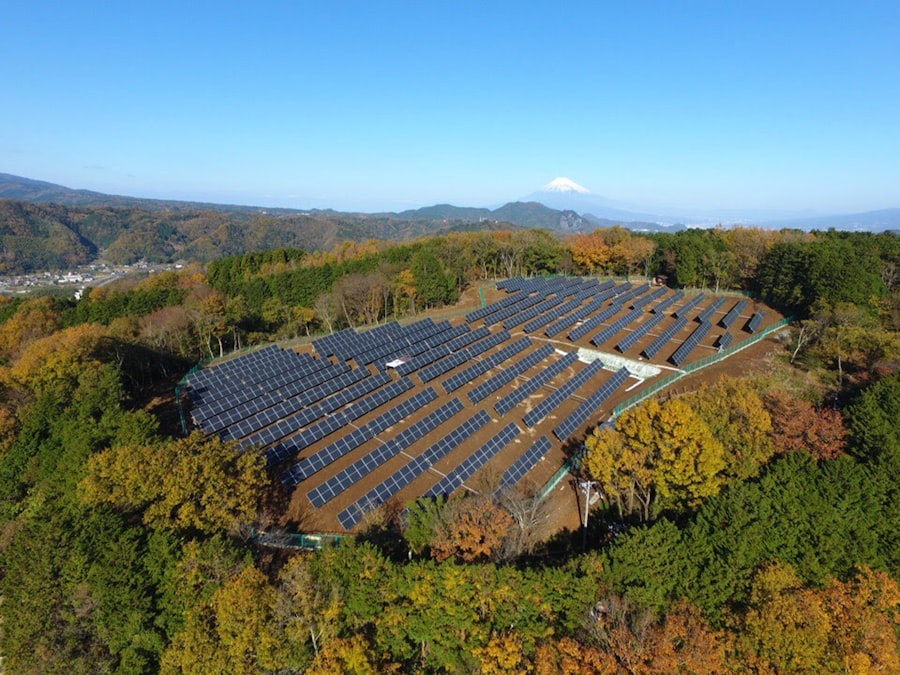
In your exploration of renewable energy solutions, you will discover that AI plays a pivotal role in optimizing energy production and consumption. For instance, AI algorithms can analyze energy usage patterns in real-time, allowing for more efficient distribution of resources. This capability is particularly beneficial for integrating renewable energy sources like solar and wind into existing power grids.
By predicting energy demand and supply fluctuations, AI can help balance the grid, ensuring a stable energy supply while minimizing reliance on fossil fuels. Furthermore, AI can enhance the efficiency of renewable energy technologies themselves. In solar energy production, machine learning models can optimize panel placement and maintenance schedules based on weather patterns and performance data.
In wind energy, AI can predict wind patterns to maximize turbine efficiency. These advancements not only increase the viability of renewable energy sources but also contribute to a more sustainable future by reducing greenhouse gas emissions.
The Potential Impact of AI on Climate Change Mitigation
As you consider the broader implications of AI on climate change mitigation, it becomes clear that its potential impact is profound. By improving efficiency across various sectors—energy, transportation, agriculture—AI can significantly reduce carbon emissions. For instance, in transportation, AI-driven systems can optimize routes for delivery trucks or public transit, reducing fuel consumption and emissions.
Similarly, in manufacturing, AI can streamline processes to minimize waste and energy use. Moreover, the integration of AI into climate policy development can lead to more informed decision-making. Policymakers equipped with accurate data analysis and predictive modeling can create targeted interventions that address specific climate challenges.
This strategic approach not only enhances the effectiveness of climate initiatives but also fosters collaboration among stakeholders by providing a clearer understanding of the issues at hand.
Ethical and Social Implications of AI in Climate Change Solutions
While the benefits of AI in combating climate change are substantial, it is crucial to consider the ethical and social implications that accompany its deployment. As you reflect on these issues, you may recognize that the use of AI raises questions about equity and access. For instance, not all communities have equal access to advanced technologies or the data necessary to leverage AI effectively.
This disparity could exacerbate existing inequalities if certain regions or populations are left behind in the transition to a more sustainable future. Additionally, there are concerns about data privacy and surveillance associated with AI technologies. The collection and analysis of vast amounts of environmental data may infringe on individual privacy rights if not managed responsibly.
It is essential for stakeholders—governments, businesses, and civil society—to establish ethical guidelines that prioritize transparency and accountability in AI applications related to climate change.
Challenges and Limitations of AI in Addressing Climate Change
As you navigate the landscape of AI solutions for climate change, it is important to acknowledge the challenges and limitations that exist. One significant hurdle is the quality and availability of data. While AI thrives on data-driven insights, many regions lack comprehensive datasets necessary for effective analysis.
Inaccurate or incomplete data can lead to flawed predictions and misguided interventions. Moreover, there is a risk of over-reliance on technology at the expense of traditional knowledge and practices. While AI offers powerful tools for understanding climate dynamics, it should complement—not replace—local knowledge systems that have evolved over generations.
Balancing technological innovation with indigenous wisdom is crucial for developing holistic solutions that resonate with communities affected by climate change.
The Future of AI and Climate Change: Opportunities and Considerations
Looking ahead, the future of AI in addressing climate change presents both opportunities and considerations that warrant your attention. As technology continues to evolve, there is immense potential for new applications that could further enhance our understanding and response to climate challenges. Innovations such as quantum computing may unlock even more sophisticated modeling capabilities, allowing for deeper insights into complex climate systems.
However, as you contemplate these advancements, it is essential to remain vigilant about the ethical implications and societal impacts of deploying AI at scale. Ensuring equitable access to technology and fostering inclusive decision-making processes will be vital in shaping a sustainable future where all communities benefit from AI-driven solutions. In conclusion, as you reflect on the role of AI in addressing climate change, it becomes evident that this technology holds transformative potential.
From monitoring environmental changes to optimizing renewable energy systems, AI offers innovative pathways toward a more sustainable future. However, navigating the ethical landscape and addressing inherent challenges will be crucial as we harness this powerful tool in our fight against climate change. The journey ahead requires collaboration among stakeholders across sectors to ensure that AI serves as a force for good in creating a resilient planet for generations to come.
In a related article discussing the potential of AI to revolutionize our world, The AI Revolution: How Robots and AI Supercharge Our World explores the ways in which artificial intelligence can be harnessed to address pressing global challenges such as climate change. By leveraging the power of AI, we may be able to develop innovative solutions that can help save the planet and create a more sustainable future.
FAQs
What is AI?
AI, or artificial intelligence, refers to the simulation of human intelligence in machines that are programmed to think and act like humans. This includes tasks such as learning, problem-solving, and decision-making.
How can AI help in addressing climate change?
AI can help in addressing climate change by analyzing large amounts of data to identify patterns and trends, optimizing energy usage, improving weather forecasting, and developing more efficient and sustainable technologies.
Can AI help in reducing greenhouse gas emissions?
Yes, AI can help in reducing greenhouse gas emissions by optimizing energy usage, improving the efficiency of industrial processes, and developing cleaner and more sustainable technologies for transportation and energy production.
What are some examples of AI being used to address climate change?
Some examples of AI being used to address climate change include using machine learning algorithms to optimize energy usage in buildings, developing AI-powered weather forecasting models, and using AI to improve the efficiency of renewable energy technologies.
Are there any challenges in using AI to address climate change?
Some challenges in using AI to address climate change include the need for large amounts of high-quality data, the potential for bias in AI algorithms, and the ethical implications of using AI in environmental decision-making.