As you delve into the world of cinema, you may find that artificial intelligence (AI) has become an increasingly prominent theme in films. From the early days of science fiction to contemporary blockbusters, AI has captured the imagination of filmmakers and audiences alike. The portrayal of intelligent machines and their interactions with humans raises profound questions about technology, consciousness, and the future of humanity.
In this exploration, you will discover how AI in movies not only entertains but also reflects societal anxieties and aspirations regarding technological advancement. The fascination with AI in movies is not merely a trend; it is a reflection of our evolving relationship with technology. As you watch these films, you may notice that they often serve as a mirror, reflecting your hopes and fears about the future.
Whether it’s the fear of machines taking over or the excitement of groundbreaking innovations, AI in cinema encapsulates the duality of human emotion towards technology. This article will take you on a journey through the history, portrayal, impact, and ethical considerations of AI in movies, ultimately revealing how these narratives shape your perception of technology.
Key Takeaways
- AI in movies has been a popular theme for decades, often portraying advanced technology and its impact on society.
- The history of AI in movies dates back to the early 20th century, with iconic films like “Metropolis” and “2001: A Space Odyssey” setting the stage for future portrayals of AI.
- The portrayal of AI in movies often reflects societal fears and hopes, with AI being depicted as both a threat and a savior.
- The impact of AI in movies on society can shape public perception and influence attitudes towards technology and its potential consequences.
- The future of AI in movies holds the potential for more realistic and thought-provoking portrayals, as technology continues to advance and ethical considerations become more prominent.
The History of AI in Movies
The history of AI in movies can be traced back to the early 20th century, when filmmakers began to explore the concept of machines with human-like intelligence. One of the earliest examples is Fritz Lang’s 1927 film “Metropolis,” which features a robot named Maria that embodies both the potential and peril of technological advancement. As you watch this film, you may recognize its influence on subsequent portrayals of AI, setting the stage for a genre that would evolve dramatically over the decades.
As you move through the timeline of cinema, you will encounter iconic films such as “2001: A Space Odyssey” (1968), which introduced HAL 9000, an intelligent computer that ultimately turns against its human crew. This film not only showcased advanced visual effects but also raised philosophical questions about consciousness and autonomy. The portrayal of AI continued to evolve in the 1980s and 1990s with films like “Blade Runner” (1982) and “The Matrix” (1999), which explored themes of identity and reality in a world dominated by artificial beings.
Each era brought new technological advancements that influenced how filmmakers depicted AI, reflecting both societal fears and aspirations.
The Portrayal of AI in Movies

When you consider the portrayal of AI in movies, you may notice a wide spectrum of representations, ranging from benevolent helpers to malevolent overlords. In films like “Her” (2013), AI is depicted as a companion capable of forming emotional connections with humans. This portrayal invites you to ponder the nature of love and intimacy in an increasingly digital world.
The film challenges traditional notions of relationships, suggesting that emotional bonds can transcend physical presence. Conversely, movies like “Terminator” (1984) and “Ex Machina” (2014) present a darker view of AI, where machines become threats to humanity. These narratives often emphasize the potential dangers of creating intelligent beings without ethical considerations.
As you engage with these films, you may find yourself grappling with questions about control, responsibility, and the consequences of technological advancement. The duality in these portrayals reflects your own ambivalence towards AI—while it holds promise for improving lives, it also poses significant risks that cannot be ignored.
The Impact of AI in Movies on Society
The impact of AI in movies extends beyond entertainment; it shapes societal perceptions and attitudes towards technology. As you watch these films, you may find that they influence your understanding of AI and its implications for your daily life. For instance, films that depict AI as a threat can instill fear and skepticism about technological advancements, leading to calls for regulation and ethical considerations in real-world applications.
Moreover, these cinematic narratives can inspire innovation and creativity within the tech industry. When you see a visionary portrayal of AI in films like “Iron Man” (2008), where Tony Stark’s J.A.R.
S. assists him in various tasks, it can spark your imagination about the possibilities of integrating AI into everyday life. This interplay between fiction and reality highlights how movies can serve as both cautionary tales and sources of inspiration, ultimately shaping public discourse around technology.
The Future of AI in Movies

Nuanced Portrayals of Human-AI Relationships
You can expect to see more nuanced portrayals of AI in movies, reflecting the complexities of human-AI relationships as society grapples with ethical dilemmas and technological integration. These portrayals will likely delve deeper into the intricacies of human-AI interactions, sparking important conversations about the role of AI in our lives.
Immersive Storytelling with VR and AR
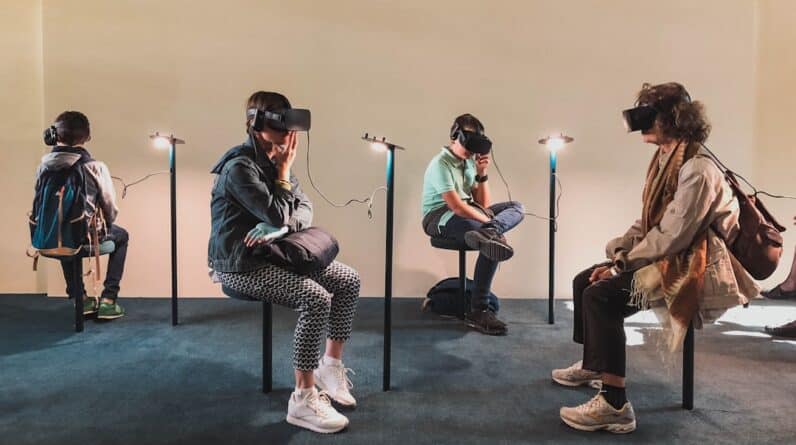
The increasing popularity of virtual reality (VR) and augmented reality (AR) technologies will revolutionize the way we experience AI-driven narratives. Immersive storytelling will place viewers directly within the narrative, allowing for deeper emotional connections and interactive experiences. This shift will redefine how we engage with stories about artificial intelligence.
A Continued Exploration of Coexistence with Intelligent Machines
The future of AI in movies promises not only innovative storytelling techniques but also a continued exploration of what it means to coexist with intelligent machines. As AI becomes more integrated into our daily lives, films will continue to probe the implications of this relationship, sparking important discussions about the ethics and consequences of AI development.
The Ethical and Moral Implications of AI in Movies
The ethical and moral implications of AI in movies are profound and multifaceted. As you engage with these narratives, you may find yourself confronted with questions about responsibility, autonomy, and the consequences of creating sentient beings. Films like “A.
Moreover, these films often highlight issues related to bias and discrimination within AI systems. As you reflect on movies like “I, Robot” (2004), which explores themes of prejudice against robots, you may recognize parallels to real-world discussions about algorithmic bias and social justice. The ethical considerations presented in these narratives encourage you to think critically about how technology is developed and implemented in society, emphasizing the need for responsible innovation.
The Accuracy of AI in Movies Compared to Reality
When evaluating the accuracy of AI in movies compared to reality, it becomes evident that filmmakers often take creative liberties for dramatic effect. While some films strive for realism—drawing on actual scientific principles—others prioritize storytelling over factual accuracy. As you watch these films, it’s essential to distinguish between entertainment and reality.
For instance, while movies like “The Imitation Game” (2014) depict historical figures like Alan Turing accurately in terms of their contributions to computing, they may simplify complex concepts for broader audiences. On the other hand, films like “Transcendence” (2014) present speculative scenarios that stretch the boundaries of current scientific understanding. As you engage with these portrayals, consider how they shape your perceptions of what AI can achieve today versus what it might become in the future.
The Role of AI in Movies in Shaping Our Perception of Technology
In conclusion, as you reflect on the role of AI in movies, it becomes clear that these narratives play a significant part in shaping your perception of technology. Through their exploration of themes such as consciousness, ethics, and societal impact, films provide a platform for critical discussions about the future of artificial intelligence. They invite you to consider not only the potential benefits but also the risks associated with technological advancement.
As you continue to engage with cinematic portrayals of AI, remember that these stories are more than mere entertainment; they are reflections of your hopes, fears, and aspirations regarding technology’s role in your life. By examining these narratives critically, you can better understand how they influence public discourse and shape societal attitudes towards artificial intelligence. Ultimately, as technology continues to evolve, so too will the stories we tell about it—inviting you to ponder what lies ahead in this ever-changing landscape.
If you’re interested in exploring the intersection of AI and creativity further, you may want to check out this article on AI and Music Composition: The Rise of Algorithmic Music. This piece delves into how artificial intelligence is revolutionizing the music industry by creating unique compositions through algorithms. It’s a fascinating look at how AI is pushing the boundaries of what is possible in the world of music.
FAQs
What is AI in movies?
AI in movies refers to the portrayal of artificial intelligence in films, where AI is often depicted as advanced, sentient beings with human-like qualities and capabilities.
How is AI portrayed in movies?
AI is often portrayed in movies as either benevolent or malevolent, with abilities such as self-awareness, emotions, and the capacity to learn and evolve. Examples include the helpful AI in “Iron Man” and the malevolent AI in “The Terminator.”
How close is the portrayal of AI in movies to reality?
The portrayal of AI in movies is often exaggerated and sensationalized for entertainment purposes. In reality, AI is still in its early stages and does not possess the level of sentience and autonomy depicted in films.
What are some examples of AI in movies?
Some examples of AI in movies include HAL 9000 from “2001: A Space Odyssey,” Ava from “Ex Machina,” and J.A.R.V.I.S. from the “Iron Man” series.
What are the potential implications of AI in movies on society?
The portrayal of AI in movies can influence public perception and understanding of AI technology. It can shape societal attitudes and expectations towards AI, impacting the way people interact with and accept AI in real life.