As you step into the world of technology, you cannot help but notice the rapid advancements in artificial intelligence (AI) and robotics. These two fields, once considered the realm of science fiction, have become integral parts of our daily lives. From virtual assistants that help you manage your schedule to robots that perform complex surgeries, AI and robotics are reshaping how you interact with the world.
The synergy between these two domains is not just a trend; it represents a fundamental shift in how tasks are performed, decisions are made, and problems are solved. The integration of AI into robotics has led to machines that can learn from their environments, adapt to new situations, and even make decisions based on data analysis. This evolution has opened up a plethora of possibilities, allowing robots to perform tasks that were once thought to be exclusively human.
As you delve deeper into this fascinating intersection, you will discover how AI and robotics are not only enhancing efficiency but also redefining the boundaries of what machines can achieve.
Key Takeaways
- AI and robotics have revolutionized various industries and are poised to continue shaping the future of technology and society.
- The evolution of AI and robotics has seen significant advancements in machine learning, natural language processing, and autonomous systems.
- AI and robotics have diverse applications in healthcare, manufacturing, transportation, and entertainment, among others, improving efficiency and productivity.
- Advantages of AI and robotics include increased precision, automation of repetitive tasks, and enhanced safety, while disadvantages include job displacement and ethical concerns.
- Ethical and social implications of AI and robotics raise questions about privacy, bias, and the impact on employment, requiring careful consideration and regulation for responsible development and use.
The Evolution of AI and Robotics
The journey of AI and robotics began decades ago, rooted in the desire to create machines that could mimic human intelligence and physical capabilities. Early developments in AI focused on rule-based systems and simple algorithms, while robotics was primarily concerned with mechanical design and automation. As you explore this evolution, you will find that the convergence of these two fields has been marked by significant milestones, each contributing to the sophisticated systems we see today.
In the 21st century, breakthroughs in machine learning and neural networks have propelled AI to new heights. These advancements have enabled robots to process vast amounts of data, recognize patterns, and improve their performance over time. You may recall the introduction of self-driving cars, which rely heavily on AI algorithms to navigate complex environments.
This is just one example of how the evolution of AI and robotics has led to innovations that were once unimaginable. As you reflect on this progress, consider how far we have come and the exciting possibilities that lie ahead.
Applications of AI and Robotics
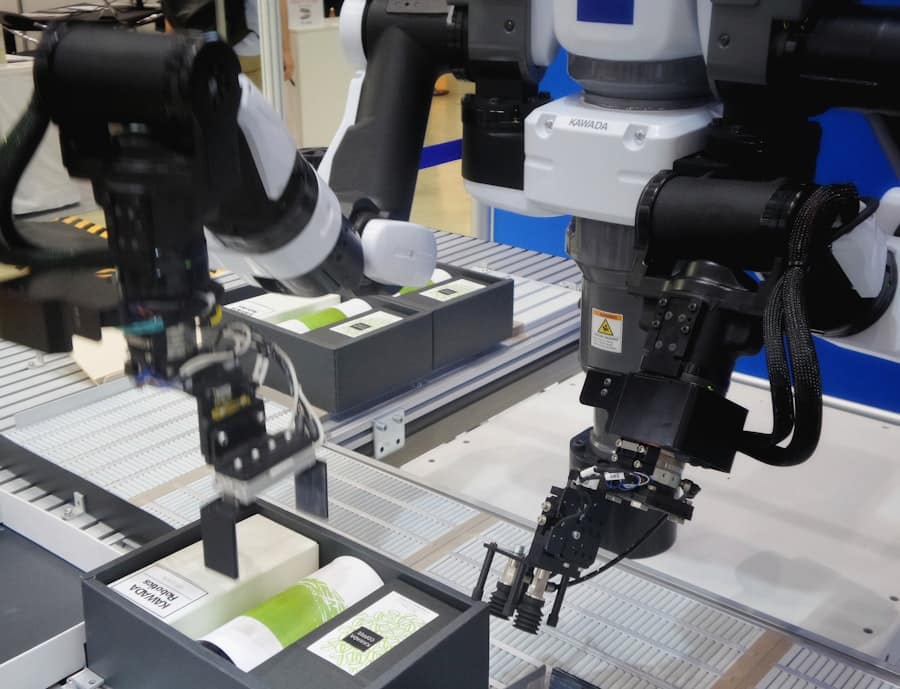
The applications of AI and robotics are as diverse as they are transformative. In healthcare, for instance, robotic surgical systems equipped with AI capabilities allow for minimally invasive procedures, resulting in quicker recovery times for patients. As you think about the implications of these technologies, it becomes clear that they are not just enhancing medical practices but also saving lives.
Furthermore, AI-driven diagnostic tools can analyze medical images with remarkable accuracy, assisting doctors in making informed decisions. In the industrial sector, automation powered by AI and robotics has revolutionized manufacturing processes. Robots can now perform repetitive tasks with precision and speed, leading to increased productivity and reduced costs.
As you consider the impact on the workforce, it is essential to recognize that while some jobs may be displaced, new opportunities are also being created in areas such as robot maintenance and programming. The integration of AI and robotics is not merely about replacing human labor; it is about augmenting human capabilities and enabling workers to focus on more complex and creative tasks.
Advantages and Disadvantages of AI and Robotics
As you navigate the landscape of AI and robotics, it is crucial to weigh both the advantages and disadvantages these technologies present. On one hand, the benefits are substantial. Increased efficiency, enhanced accuracy, and the ability to perform tasks in hazardous environments are just a few of the advantages that come with automation.
For instance, robots can work tirelessly in factories or explore dangerous terrains where human presence would be risky. This not only improves safety but also allows for exploration and innovation in fields like space travel and deep-sea exploration. However, there are also significant drawbacks to consider.
The rise of AI and robotics raises concerns about job displacement as machines take over tasks traditionally performed by humans. You may find yourself pondering the ethical implications of relying on machines for decision-making processes that affect people’s lives. Additionally, there is the risk of over-dependence on technology, which could lead to vulnerabilities in critical systems.
As you reflect on these pros and cons, it becomes evident that a balanced approach is necessary to harness the full potential of AI and robotics while mitigating their risks.
Ethical and Social Implications of AI and Robotics
The ethical considerations surrounding AI and robotics are complex and multifaceted. As you engage with these technologies, questions about accountability, privacy, and bias come to the forefront. For instance, when an autonomous vehicle is involved in an accident, who is responsible?
Is it the manufacturer, the software developer, or the owner? These dilemmas highlight the need for clear regulations and guidelines as society navigates this uncharted territory. Moreover, social implications cannot be overlooked.
The integration of AI into everyday life has the potential to exacerbate existing inequalities if access to technology is not equitable. You may find yourself questioning how marginalized communities can benefit from advancements in AI and robotics when they often lack access to such resources. As you contemplate these issues, it becomes clear that fostering an inclusive dialogue around technology is essential for ensuring that its benefits are shared by all members of society.
The Future of AI and Robotics
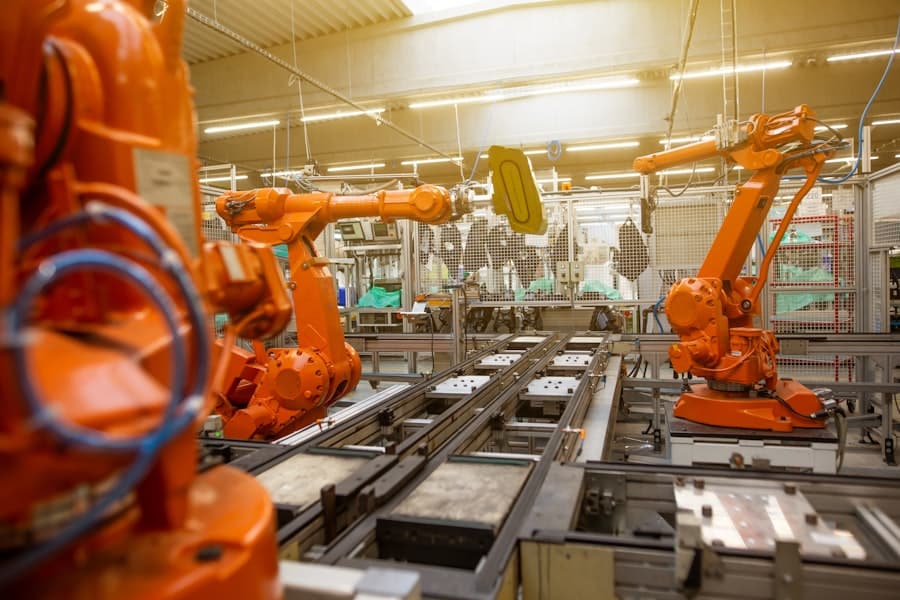
Looking ahead, the future of AI and robotics is filled with promise and potential challenges. As you envision what lies ahead, consider how advancements in quantum computing could further enhance AI capabilities, leading to even more sophisticated robots capable of performing complex tasks with ease. The prospect of collaborative robots—machines designed to work alongside humans—could redefine workplaces across various industries, fostering a new era of human-robot interaction.
However, with great potential comes great responsibility. As you think about the future landscape shaped by AI and robotics, it is vital to advocate for ethical practices in development and deployment. Ensuring transparency in algorithms, promoting diversity in tech teams, and establishing robust regulatory frameworks will be crucial in guiding this evolution responsibly.
Your role as a participant in this dialogue can help shape a future where technology serves humanity rather than undermines it.
Collaboration and Integration in AI and Robotics
Collaboration between humans and machines is at the heart of successful integration in AI and robotics. As you consider this partnership, think about how your unique skills complement those of intelligent systems. While machines excel at processing data quickly and performing repetitive tasks with precision, humans bring creativity, emotional intelligence, and critical thinking to the table.
This synergy can lead to innovative solutions that neither could achieve alone. In various sectors—be it healthcare, manufacturing, or education—collaborative robots (cobots) are being designed to work alongside humans seamlessly. These machines can assist with heavy lifting or provide real-time data analysis while allowing you to focus on more strategic aspects of your work.
As you engage with these technologies, remember that fostering a culture of collaboration will be essential for maximizing their potential while ensuring that human input remains invaluable.
The Potential of a Synergistic Partnership
In conclusion, as you reflect on the journey through AI and robotics, it becomes evident that these technologies hold immense potential for transforming our world. The evolution from simple automation to intelligent systems capable of learning and adapting has opened up new horizons for innovation across various fields. However, with this potential comes a responsibility to navigate ethical considerations thoughtfully and ensure equitable access for all.
The future lies in embracing a synergistic partnership between humans and machines—one where each complements the other’s strengths while addressing weaknesses. By fostering collaboration, advocating for ethical practices, and remaining vigilant about the social implications of these technologies, you can contribute to a future where AI and robotics enhance human life rather than replace it. Together, we can harness the power of these advancements to create a better world for generations to come.
AI and Robotics: A Synergistic Partnership is a fascinating article that delves into the collaboration between artificial intelligence and robotics to create innovative solutions for various industries. For further insights into the intersection of AI and technology, check out this article on AI and cybersecurity. It explores how AI is being used to enhance cybersecurity measures and protect against evolving threats in the digital landscape.
FAQs
What is AI and Robotics?
AI, or artificial intelligence, refers to the simulation of human intelligence in machines that are programmed to think and act like humans. Robotics, on the other hand, is the branch of technology that deals with the design, construction, operation, and application of robots.
How do AI and Robotics work together?
AI and robotics work together in a synergistic partnership where AI provides the intelligence and decision-making capabilities to robots, while robotics provides the physical platform for AI to interact with the world.
What are the applications of AI and Robotics?
AI and robotics have a wide range of applications across various industries, including manufacturing, healthcare, agriculture, transportation, and entertainment. They are used for tasks such as automation, precision control, and human-robot interaction.
What are the benefits of the partnership between AI and Robotics?
The partnership between AI and robotics allows for the development of more advanced and capable robots that can perform complex tasks with greater efficiency and accuracy. This can lead to increased productivity, improved safety, and enhanced quality of life for humans.
What are the potential risks of AI and Robotics?
Some potential risks of AI and robotics include job displacement, ethical concerns related to autonomous decision-making, and the potential for misuse or unintended consequences of advanced AI and robotic systems. It is important to consider these risks and develop appropriate safeguards and regulations.