In today’s fast-paced world, the need for effective solutions to combat climate change and preserve our fragile environment has never been more urgent. Enter the remarkable advancements in Artificial Intelligence (AI) that offer us a glimmer of hope. With AI technology, scientists and researchers are now able to predict climate changes with greater accuracy, empowering us to take proactive measures. Furthermore, AI is revolutionizing conservation efforts by providing invaluable insights into the natural world, enabling us to protect and preserve our precious ecosystems like never before.
Understanding the Importance of AI in Environmental Conservation
The role of AI in predicting climate changes
AI technology, specifically machine learning, plays a vital role in predicting climate changes. By analyzing large amounts of climate data, AI algorithms can identify patterns and trends that enable scientists to make more accurate predictions. This is crucial in understanding the impacts of climate change on our planet and developing effective strategies to mitigate its consequences.
The impact of AI on nature conservation
In addition to predicting climate changes, AI also has a significant impact on nature conservation efforts. Through various AI technologies, such as remote sensing and satellite imagery, tracking and monitoring endangered species, and managing invasive species, we are able to gather important data and make informed decisions to protect and preserve our natural ecosystems.
The potential benefits of leveraging AI in environmental initiatives
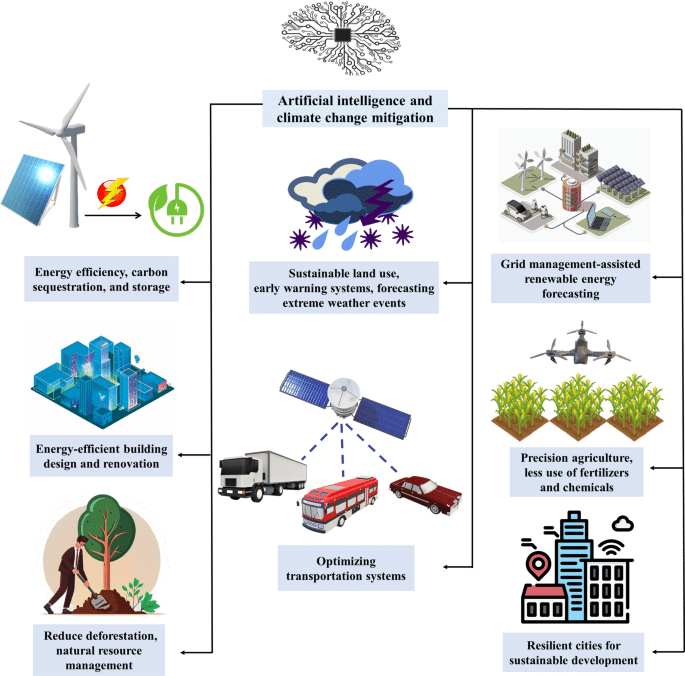
Leveraging AI in environmental initiatives brings about numerous benefits. It allows for efficient resource management, enhances environmental monitoring and surveillance, promotes sustainable farming practices, improves energy efficiency, optimizes water management and conservation, overcomes challenges and ethical considerations, and empowers individuals and organizations with powerful AI tools. The potential of AI in combating climate change and conserving nature is immense, and we must embrace and utilize these technologies to create a sustainable future.
Predicting Climate Changes with AI
Utilizing machine learning to analyze climate data
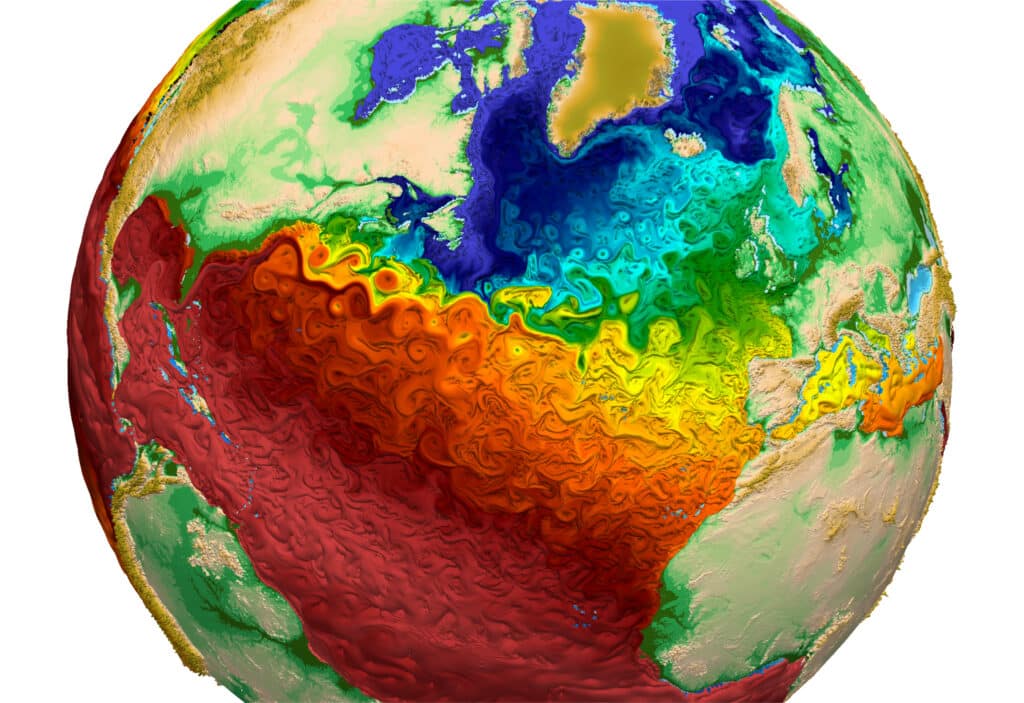
Machine learning algorithms are capable of analyzing vast amounts of climate data, including temperature records, precipitation patterns, atmospheric compositions, and ocean currents. By identifying correlations and patterns within this data, AI can provide valuable insights into climate change trends and help predict future changes more accurately.
Monitoring and predicting extreme weather events
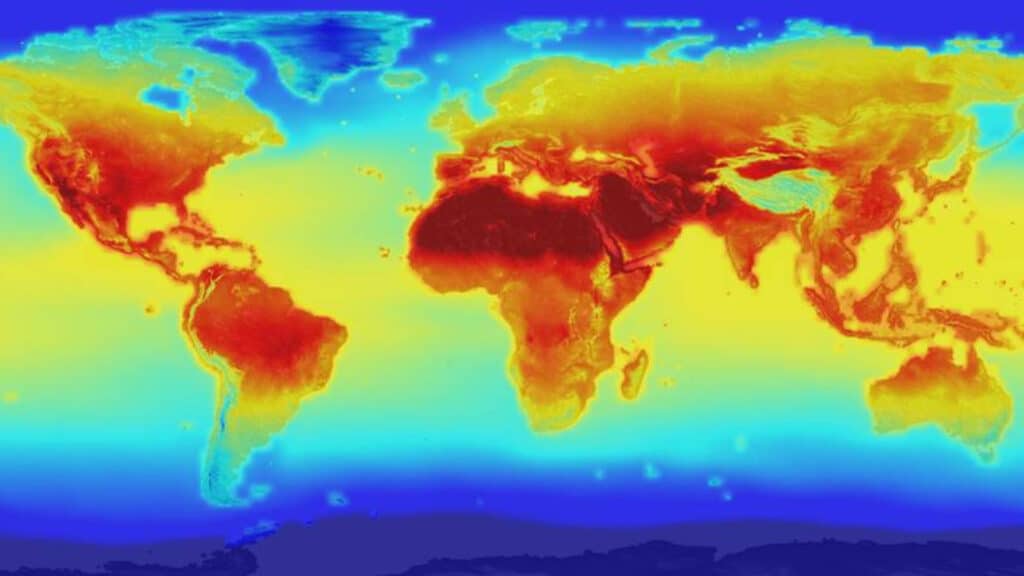
One of the most significant consequences of climate change is the increased frequency and intensity of extreme weather events. AI technologies can collect and analyze data from various sources, such as weather satellites and weather stations, to monitor and predict these events. This information is crucial for disaster preparedness and response, allowing us to mitigate the impacts of hurricanes, droughts, floods, and storms.
Assessing the effects of human activities on climate
Human activities, such as deforestation, industrial emissions, and greenhouse gas emissions, significantly contribute to climate change. AI can help assess the effects of these activities on climate by analyzing relevant data and identifying correlations. This knowledge is crucial for developing effective policies and strategies to reduce our impact on the environment and adapt to changes already occurring.
Identifying climate change patterns and trends
Through AI-powered analysis of climate data, scientists can identify patterns and trends related to climate change. This understanding is fundamental for improving our predictions and developing strategies to address the challenges posed by climate change. By identifying long-term trends, AI can help us prioritize our conservation efforts and mitigate the impacts of climate change on different ecosystems.
AI Technologies for Nature Conservation
Remote sensing and satellite imagery
Remote sensing and satellite imagery provide a wealth of information about our planet’s ecosystems. AI algorithms can analyze this data to monitor changes in land cover, vegetation health, and habitat distribution. By mapping these changes, scientists can identify areas that need conservation efforts and develop strategies for their protection.
Tracking and monitoring endangered species
AI technologies can assist in tracking and monitoring endangered species, providing valuable data for conservation efforts. Through techniques like image recognition and acoustic monitoring, AI algorithms can analyze data from cameras, audio recordings, and GPS tags. This helps identify population trends, monitor migration patterns, and detect poaching activities to protect endangered species effectively.
Identifying and managing invasive species
Invasive species pose a significant threat to native ecosystems and biodiversity. AI can aid in identifying and managing invasive species by analyzing data from remote sensing, citizen science observations, and ecological surveys. By detecting and monitoring the spread of invasive species, AI can help develop targeted management strategies to mitigate their impacts and preserve native biodiversity.
Efficient resource management through AI
AI technologies can optimize resource management in various environmental initiatives. By analyzing data on resource usage and environmental conditions, AI algorithms can provide insights into efficient resource allocation. This includes optimizing water usage in agriculture, reducing energy consumption, and implementing sustainable practices to ensure the responsible use of our resources.
Enhancing Environmental Monitoring and Surveillance
Automated monitoring of pollutants
AI technologies can automate the monitoring of pollutants in air, water, and soil, ensuring timely detection and response to potential threats. By analyzing sensor data and historical records, AI algorithms can identify abnormal levels of pollutants and trigger alerts for immediate intervention. This real-time monitoring helps protect ecosystems and human health by preventing the spread of pollutants.
Detecting deforestation and illegal logging
Deforestation and illegal logging have devastating effects on forests and biodiversity. AI can analyze satellite imagery and remote sensing data to detect patterns of deforestation and identify illegal logging activities. By providing accurate and timely information, AI can assist authorities in enforcing regulations and implementing measures to counteract these destructive practices.
Monitoring and managing air and water quality
AI technologies can monitor and manage air and water quality by analyzing data from various sources, such as weather stations, pollution monitoring stations, and citizen reports. By continuously collecting and analyzing this data, AI algorithms can identify pollution hotspots, monitor the effectiveness of emission reduction measures, and enable policymakers to implement targeted strategies for improving air and water quality.
Early warning systems for natural disasters
AI can significantly contribute to early warning systems for natural disasters, such as hurricanes, earthquakes, and tsunamis. By analyzing real-time data from sensors, satellites, and social media, AI algorithms can detect potential disasters and issue timely warnings to at-risk communities. This advanced warning system saves lives and minimizes the impact of natural disasters on both human and natural environments.
AI in Forest and Wildlife Conservation
Analyzing satellite data for forest protection
Satellite data provides a wealth of information on forest cover, deforestation rates, and forest health. AI algorithms can analyze this data to identify areas at risk of deforestation, detect illegal logging, and monitor the health of forest ecosystems. By providing accurate and up-to-date information, AI helps conservation organizations and policymakers make informed decisions to protect forests and wildlife.
Identifying and combatting wildlife trafficking
Wildlife trafficking is a lucrative criminal activity that threatens endangered species and undermines conservation efforts. AI can help in identifying and combating wildlife trafficking by analyzing data from various sources, such as customs records, social media, and wildlife surveillance cameras. By detecting patterns, identifying smuggling routes, and assisting law enforcement agencies, AI technologies play a crucial role in protecting wildlife from the illegal wildlife trade.
Predicting the impact of climate change on biodiversity
Climate change poses a significant threat to biodiversity, affecting ecosystems and species survival. AI can analyze climate data and biodiversity records to predict the impact of climate change on different habitats and species. By understanding these impacts in advance, conservation organizations can develop strategies to protect vulnerable species and preserve biodiversity in the face of climate change.
Preventing animal-human conflicts through AI
In many regions, conflicts arise between humans and wildlife, leading to the loss of lives and damage to property. AI can assist in preventing these conflicts by analyzing data from sensors, cameras, and human-wildlife interaction records. By identifying patterns and understanding the behaviors of both humans and wildlife, AI can help develop strategies to minimize conflicts, protect wildlife, and ensure the safety of communities.
Smart Agriculture and Sustainable Farming Practices
Optimizing crop yield through AI-powered analytics
AI-powered analytics can optimize crop yield by analyzing various factors, such as weather patterns, soil conditions, and crop health. By integrating data from sensors, drones, and agricultural machinery, AI algorithms can provide insights into optimal planting times, irrigation schedules, and fertilizer applications. This helps farmers maximize their crop yield while minimizing their environmental impact.
Precision farming techniques for resource efficiency
Precision farming techniques rely on AI technologies to monitor and manage agricultural practices at a granular level. By analyzing data from sensors, drones, and satellite imagery, AI algorithms can provide farmers with real-time information about soil moisture, nutrient levels, and crop health. This enables precise application of resources, reducing waste and improving resource efficiency in agriculture.
Monitoring soil health and reducing chemical inputs
AI can monitor soil health by analyzing data from soil sensors, historical records, and environmental conditions. By detecting nutrient deficiencies, soil erosion, and contamination, AI algorithms can suggest appropriate interventions and reduce the excessive use of chemical inputs. This sustainable approach promotes healthy soil ecosystems while minimizing the negative impacts of conventional agricultural practices.
AI-assisted pest and disease management
Pest and disease management in agriculture can be improved through AI-assisted approaches. By analyzing data from sensors, cameras, and disease models, AI algorithms can detect early signs of pest infestations and plant diseases. This enables farmers to implement targeted interventions, such as precision spraying or biological control, reducing the need for widespread pesticide applications and minimizing environmental impacts.
Improving Energy Efficiency and Renewable Sources
Using AI for energy demand forecasting
AI algorithms can analyze historical energy usage data, weather patterns, and demographic information to forecast future energy demand. This helps energy providers optimize energy generation and distribution, reducing waste and improving overall energy efficiency. By accurately predicting energy demand, AI enables better planning and implementation of renewable energy sources to meet the growing energy needs sustainably.
Optimizing energy grids for maximum efficiency
AI can optimize energy grids by analyzing data from smart meters, sensors, and weather forecasts. By detecting demand fluctuations, identifying areas of grid congestion, and predicting potential power outages, AI algorithms enable energy providers to manage the grid more efficiently. This reduces energy losses, improves the stability of the grid, and facilitates the integration of renewable energy sources into the existing infrastructure.
Enhancing the integration of renewable energy
The integration of renewable energy sources into the existing energy infrastructure requires careful planning and management. AI can analyze data on weather conditions, energy demand, and energy storage to optimize the integration of renewable energy sources. By providing accurate predictions and insights, AI technologies enable energy providers to make informed decisions about the deployment and management of renewable energy systems.
Smart homes and buildings through AI automation
AI-powered automation can improve energy efficiency in homes and buildings. By analyzing data from smart devices, energy meters, and occupancy sensors, AI algorithms can optimize energy usage, adjust temperature settings, and manage lighting systems. This reduces energy waste, lowers carbon emissions, and enables individuals and organizations to contribute to a more sustainable future through their daily activities.
AI in Water Management and Conservation
Monitoring and managing water resources
AI technologies can monitor and manage water resources by analyzing data from various sources, such as weather forecasts, river flow sensors, and groundwater monitoring stations. By continuously monitoring water availability and quality, AI algorithms can assist in making informed decisions about water allocation, usage restrictions, and conservation strategies. This helps ensure the sustainable management of water resources, particularly in regions facing water scarcity.
Detecting and preventing water pollution
Water pollution poses a significant threat to ecosystems, human health, and aquatic biodiversity. AI can analyze data from water quality sensors, satellite imagery, and public reports to detect and prevent water pollution. By identifying sources of contamination, monitoring pollution hotspots, and providing early warnings, AI technologies contribute to safeguarding our freshwater resources and preserving aquatic ecosystems.
Forecasting droughts and managing water scarcity
AI algorithms can analyze climate data, soil moisture sensors, and historical records to forecast droughts and manage water scarcity. By predicting potential drought events and monitoring water availability, AI technologies enable policymakers to implement effective water conservation measures, such as water rationing and efficient irrigation practices. This improves water resource management and minimizes the impacts of drought on agriculture, ecosystems, and communities.
AI-driven irrigation systems for efficient water usage
Water usage efficiency in agriculture can be significantly improved through AI-driven irrigation systems. By analyzing data from soil sensors, weather forecasts, and crop water requirements, AI algorithms can optimize irrigation scheduling and reduce water waste. This sustainable approach not only conserves water resources but also ensures that crops receive the right amount of water for their optimal growth, improving agricultural productivity.
Overcoming Challenges and Ethical Considerations
Ensuring data privacy and security
The use of AI technologies in environmental conservation requires careful consideration of data privacy and security issues. Safeguarding sensitive data, such as GPS coordinates of endangered species or personal information gathered through citizen science initiatives, is essential to maintain public trust and protect individuals’ privacy. It is crucial to implement robust data protection measures and adhere to ethical standards when collecting, storing, and analyzing data in environmental AI initiatives.
Addressing algorithmic biases in environmental AI
AI algorithms can inadvertently perpetuate biases, which may have unintended consequences in environmental conservation. For example, biased data used for predicting species distributions may lead to incorrect conservation decisions. It is crucial to address these algorithmic biases by ensuring diversity and fairness in data collection, model training, and validation. Continuous monitoring and evaluation of AI systems can help identify and mitigate potential biases, ensuring that they contribute to unbiased and equitable environmental conservation efforts.
Promoting responsible and transparent AI usage
Responsible and transparent usage of AI technologies is paramount in environmental conservation. Organizations and researchers must adhere to ethical guidelines and principles when developing and deploying AI systems. This includes transparency in data sources and algorithms used, allowing for independent verification and collaboration. By promoting responsible and transparent AI usage, we can foster public trust, facilitate scientific collaboration, and ensure the ethical and responsible application of AI in environmental initiatives.
Involving local communities in AI initiatives
The involvement of local communities is crucial in the development and implementation of AI initiatives for environmental conservation. Engaging local communities not only ensures their participation but also fosters a sense of ownership and empowerment. By involving communities in the data collection process, sharing the benefits of AI-based solutions, and considering their knowledge and perspectives, we can create more effective and inclusive AI initiatives that address local environmental challenges.
The Future of AI in Environmental Conservation
Advancements and innovations in environmental AI
The future of AI in environmental conservation holds immense potential for advancements and innovations. Continued research and development in AI technologies, such as deep learning and reinforcement learning, will lead to more accurate and efficient algorithms for environmental analysis and prediction. Furthermore, the integration of AI with other emerging technologies, such as blockchain and the Internet of Things (IoT), will create new opportunities for data sharing, collaboration, and real-time monitoring in environmental conservation.
Collaborative efforts for global environmental conservation
Global environmental conservation requires collaborative efforts from various stakeholders, including governments, NGOs, researchers, and local communities. AI can facilitate these collaborations by providing a platform for data sharing, knowledge exchange, and coordinated decision-making. By pooling resources, expertise, and data, stakeholders can work together more effectively to address environmental challenges, protect biodiversity, and combat climate change on a global scale.
The potential impact of AI on combating climate change
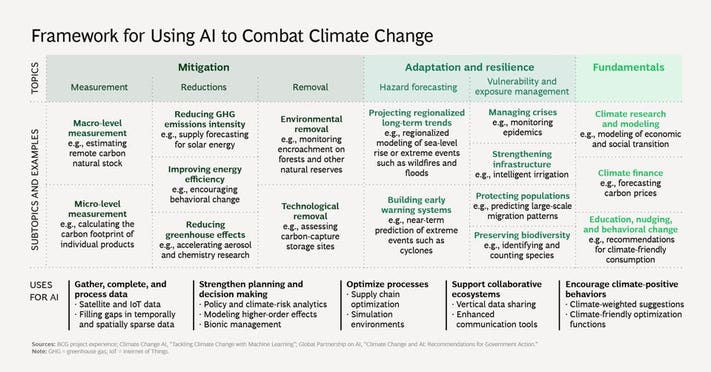
The potential impact of AI on combating climate change is significant. Through improved predictions, efficient resource management, and targeted interventions, AI technologies can help reduce greenhouse gas emissions, increase climate resilience, and promote sustainable practices. AI-powered solutions, such as smart grids, precision farming, and renewable energy integration, can contribute to a greener and more sustainable future. By leveraging the power of AI, we can achieve our climate targets and create a better world for future generations.
Empowering individuals and organizations with AI tools
AI technologies have the potential to empower individuals and organizations in their environmental conservation efforts. By providing access to AI tools, such as data analysis platforms and predictive models, we can democratize environmental knowledge and enable informed decision-making at all levels. This empowerment fosters a sense of responsibility and ownership, encouraging individuals and organizations to actively contribute to environmental conservation and make a positive impact in their communities.
In conclusion, AI has a transformative potential in environmental conservation. Through predicting climate changes, enhancing monitoring and surveillance, improving resource management, and facilitating sustainable practices, AI can help us address the urgent environmental challenges we face today. By embracing AI technologies, collaborating across sectors, and ensuring responsible and ethical usage, we can harness the power of AI to create a sustainable future for our planet and all its inhabitants.