In today’s rapidly advancing world of technology, Artificial Intelligence (AI) has become a powerful tool in addressing various humanitarian issues. From tackling climate change to improving access to education, AI is being harnessed for social good to make a positive impact on society. Through its ability to analyze vast amounts of data and provide valuable insights, AI has the potential to revolutionize the way we approach and solve complex global challenges. This article explores some of the ways in which AI is being utilized to address humanitarian issues, highlighting the immense potential it holds in creating a better and more inclusive world for all.
AI for Social Good: Using Artificial Intelligence to Address Humanitarian Issues
As technology continues to advance at an unprecedented rate, it has opened up new possibilities for addressing various humanitarian issues that exist in our world today. One of the most exciting and promising developments in this regard is the application of Artificial Intelligence (AI) for social good. AI has the potential to revolutionize the way we approach and solve problems related to disaster management and response, healthcare and disease control, poverty alleviation and sustainable development, environmental conservation and climate change, as well as human rights and social justice.

Overview of AI for Social Good
AI for social good encompasses the use of AI technologies to tackle pressing social and humanitarian challenges. It leverages the power of machine learning, data analytics, and other AI techniques to develop innovative solutions that improve the well-being and quality of life for individuals and communities around the globe. The goal is to harness AI’s capabilities for the greater good of humanity, addressing fundamental issues and making a positive impact on society.

Applications of AI in Humanitarian Issues
- Disaster Management and Response
Disasters, both natural and man-made, have devastating consequences on human lives and infrastructure. By leveraging AI, we can enhance our disaster management and response efforts in several ways.
1.1 Early Warning Systems
AI can be utilized to develop early warning systems that detect and analyze various signals to predict potential disasters, such as earthquakes, floods, and hurricanes. By analyzing historical data and real-time information, AI algorithms can help issue timely warnings, allowing communities to evacuate and take necessary precautions, ultimately saving lives.
1.2 Predictive Analysis
AI’s ability to analyze vast amounts of data quickly can be invaluable in predicting the scope and impact of disasters. By analyzing historical data and incorporating real-time information, AI can aid in identifying vulnerable areas, estimating the magnitude of a disaster, and assisting in resource allocation for effective response planning.
1.3 Rapid Response and Resource Allocation
During disaster situations, time is of the essence. AI can play a crucial role in coordinating rescue efforts and allocating resources efficiently. Advanced algorithms can optimize the deployment of emergency services, prioritize response actions, and manage logistics, resulting in faster and more effective relief operations.
- Healthcare and Disease Control
AI offers transformative possibilities in the healthcare sector, particularly in disease diagnosis, drug discovery, and public health monitoring.
2.1 Diagnosis and Medical Imaging
AI-powered diagnostic systems can analyze medical data, including images, to detect and identify diseases with higher accuracy and speed. Machine learning algorithms can learn from vast amounts of medical data to identify patterns and aid healthcare professionals in making more precise diagnoses. This can lead to earlier detection of diseases, enabling timely interventions and potentially saving lives.
2.2 Drug Discovery and Development
The process of discovering and developing new drugs can be time-consuming and costly. AI can accelerate this process by analyzing vast amounts of biological data and identifying potential drug candidates with higher efficiency. By leveraging machine learning algorithms, researchers can identify patterns in genetic data, predict drug-protein interactions, and explore new treatment options more effectively.
2.3 Public Health Monitoring
AI systems can monitor public health data from various sources, including social media, to detect and track disease outbreaks in real-time. By analyzing patterns and identifying anomalies, AI can provide early warning signals, enabling authorities to take proactive measures in containment and prevention. This can be especially beneficial in ensuring effective responses to emerging infectious diseases.
- Poverty Alleviation and Sustainable Development
AI has the potential to address the root causes of poverty and inequality by supporting efforts for financial inclusion, agriculture and food security, as well as education and skill development.
3.1 Financial Inclusion
AI-powered technologies can enable financial institutions to extend their services to underserved populations, particularly in developing countries. By leveraging algorithms to analyze alternative data sources and assess creditworthiness, AI can facilitate access to financial services, enabling individuals to build savings, access credit, and participate in economic activities.
3.2 Agriculture and Food Security
AI can aid in optimizing agricultural practices, increasing crop yields, and ensuring food security. By analyzing data related to soil conditions, weather patterns, and crop health, AI algorithms can provide recommendations for optimum planting times, irrigation schedules, and pest control strategies. This can help farmers make informed decisions, increase productivity, and ultimately reduce hunger and poverty.
3.3 Education and Skill Development
AI-based education platforms can personalize learning experiences, adapt to individual students’ needs, and bridge educational gaps. By analyzing students’ performance data, AI algorithms can identify areas for improvement and provide tailored learning materials, enhancing educational outcomes and promoting equal access to quality education.
- Environmental Conservation and Climate Change
AI can significantly contribute to preserving and protecting our environment, mitigating the impact of climate change, and conserving endangered species.
4.1 Wildlife Conservation
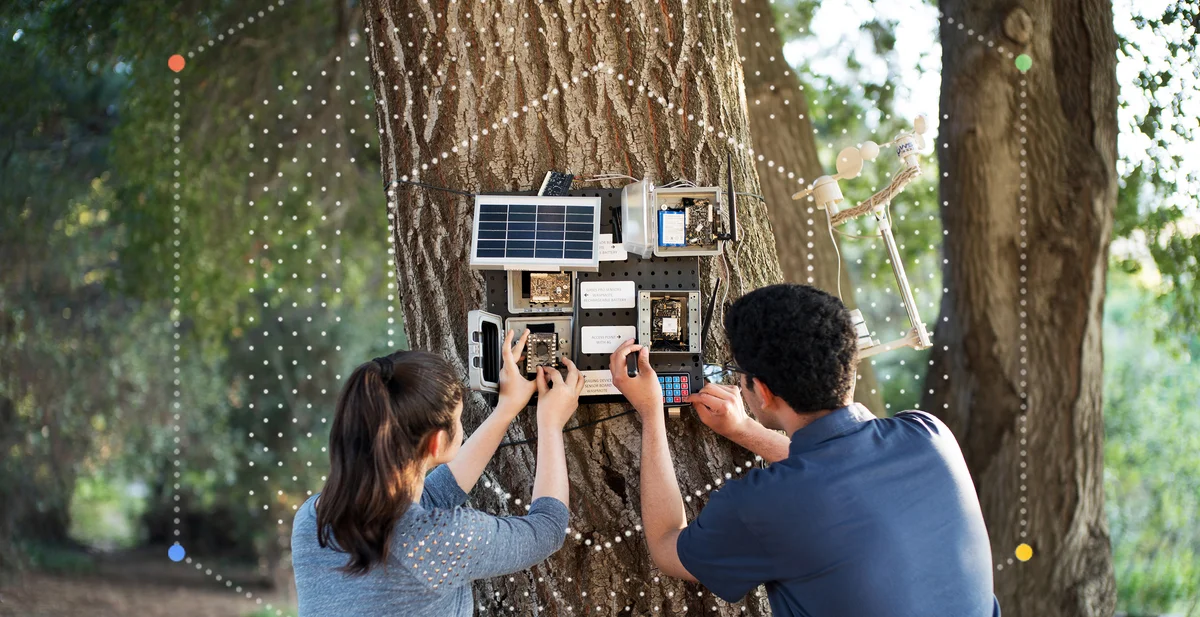
AI can aid in the identification and tracking of endangered species by analyzing images and sounds captured by remote sensors. By utilizing advanced computer vision and pattern recognition techniques, AI algorithms can detect and monitor wildlife populations, aiding conservation efforts and supporting initiatives to protect biodiversity.
4.2 Environmental Monitoring
AI-powered systems can analyze vast amounts of environmental data, such as satellite imagery and sensor readings, to monitor and assess the health of ecosystems, air quality, and water resources. By providing real-time information and early detection of environmental changes, AI can assist in proactive decision-making and the implementation of effective conservation strategies.
4.3 Climate Change Modelling and Prediction
AI techniques can model and predict the impacts of climate change by analyzing historical climate data, satellite imagery, and other relevant indicators. By understanding patterns and trends, AI can help in developing proactive strategies to mitigate climate change, adapt to environmental changes, and protect vulnerable communities and ecosystems.
- Human Rights and Social Justice
AI can be instrumental in promoting human rights, combating human trafficking, and supporting social service delivery systems.
5.1 Legal Aid and Access to Justice
AI can assist in providing legal aid and access to justice, particularly for individuals who face financial or geographical constraints. AI-powered chatbots and virtual assistants can provide basic legal information, help with legal documentation, and guide individuals through legal processes, making justice more accessible and inclusive.
5.2 Combating Human Trafficking
AI tools and algorithms can analyze vast amounts of data to detect patterns and identify potential cases of human trafficking. By analyzing online advertisements, social media activity, and other digital footprints, AI can aid law enforcement agencies and organizations in identifying trafficking networks, rescuing victims, and improving prevention efforts.
5.3 Social Services and Support Systems
AI can enhance the delivery of social services and support systems by analyzing individual needs, prioritizing service allocation, and optimizing resource utilization. By understanding patterns and trends in social data, AI algorithms can aid in identifying at-risk populations and developing targeted interventions, improving the overall well-being and inclusivity of social welfare programs.
Challenges and Ethical Considerations
While AI for social good holds immense potential, it also presents several challenges and ethical considerations. These include concerns around privacy and data protection, algorithmic bias, transparency, accountability, and the potential displacement of human labor. It is essential to address these challenges proactively, ensure robust regulations and safeguards, and promote transparency and responsible AI practices to maximize the positive impact of AI for social good.

Future Prospects and Opportunities
The future of AI for social good looks promising, with continued advancements in AI technology, data availability, and interdisciplinary collaborations. By leveraging these developments, we can expect even more impactful AI applications in addressing humanitarian issues. The potential for AI to transform disaster response, healthcare delivery, poverty alleviation, environmental conservation, and human rights remains vast, presenting exciting opportunities for researchers, policymakers, and organizations working towards a more equitable and sustainable world.

Conclusion
AI for social good has the potential to revolutionize our approach to addressing humanitarian issues, offering innovative solutions and transformative impact across various domains. By harnessing the power of AI, we can enhance disaster management and response, improve healthcare and disease control, alleviate poverty and promote sustainable development, preserve the environment, and safeguard human rights. While challenges and ethical considerations exist, proactive measures can ensure responsible and inclusive AI practices. The future of AI for social good looks promising, with immense opportunities to make a positive impact on society and improve the well-being of individuals and communities worldwide.