As you step into the world of cinema, you may find yourself captivated by the seamless blend of storytelling, visuals, and sound that brings films to life. In recent years, artificial intelligence (AI) has emerged as a transformative force in this realm, reshaping how films are made and experienced. The integration of AI technologies into the filmmaking process is not merely a trend; it represents a fundamental shift in the industry.
From pre-production to post-production, AI is influencing every aspect of filmmaking, offering new tools and techniques that enhance creativity and efficiency. The rise of AI in cinema is a reflection of broader technological advancements that have permeated various sectors. As filmmakers seek innovative ways to engage audiences and streamline production processes, AI provides solutions that were once unimaginable.
Whether it’s through sophisticated algorithms that analyze audience preferences or machine learning models that assist in visual effects, AI is becoming an indispensable ally for filmmakers. As you delve deeper into this topic, you’ll discover how AI is not only changing the mechanics of filmmaking but also redefining the very essence of storytelling.
Key Takeaways
- AI is revolutionizing the film industry by enhancing filmmaking techniques and storytelling.
- AI is being used in scriptwriting to analyze data and create more engaging and marketable stories.
- AI is transforming visual effects and animation by automating processes and creating more realistic and immersive experiences.
- AI is being utilized in casting and character development to analyze audience preferences and create more relatable characters.
- AI is streamlining film editing and post-production processes, saving time and resources for filmmakers.
The Impact of AI on Filmmaking Techniques
When you consider the traditional techniques of filmmaking, you might envision a collaborative effort among directors, cinematographers, and editors working tirelessly to create a cohesive narrative. However, with the advent of AI, these techniques are evolving. AI-powered tools are now capable of analyzing vast amounts of data to predict trends and audience preferences, allowing filmmakers to make informed decisions about their projects.
This data-driven approach can lead to more targeted marketing strategies and ultimately, greater box office success. Moreover, AI is revolutionizing the way films are shot and edited. For instance, AI-driven cameras can automatically adjust settings based on lighting conditions and scene composition, ensuring optimal results without the need for constant human intervention.
This not only saves time but also allows filmmakers to focus on the creative aspects of their work. In post-production, AI algorithms can assist in editing by identifying the best takes and suggesting cuts based on pacing and emotional impact. As you explore these advancements, you’ll see how AI is not just a tool but a collaborator that enhances the artistry of filmmaking.
The Use of AI in Scriptwriting and Storytelling
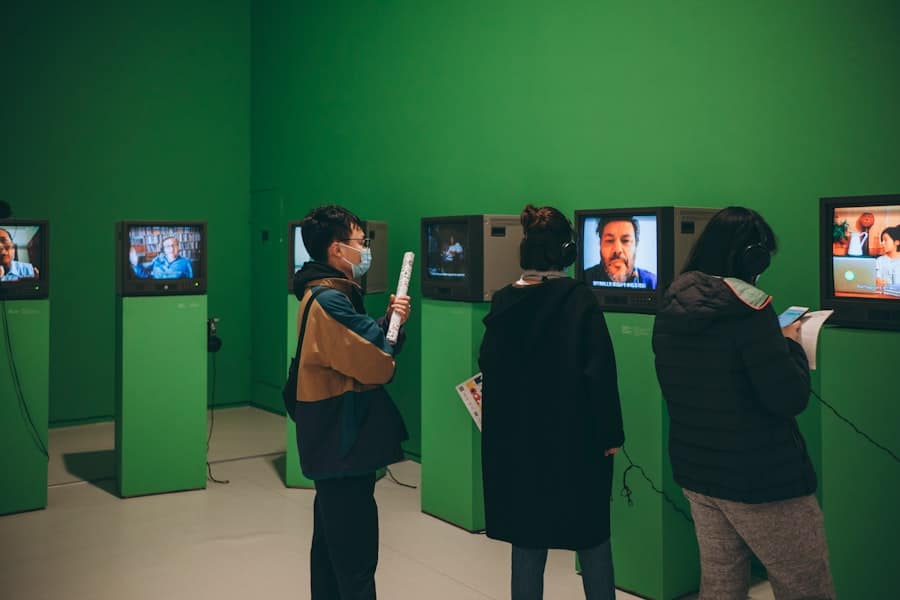
Scriptwriting has long been regarded as one of the most challenging aspects of filmmaking. Crafting a compelling narrative requires not only creativity but also an understanding of structure, character development, and audience engagement. Enter AI, which is beginning to play a significant role in this process.
With natural language processing capabilities, AI can analyze existing scripts and identify patterns that resonate with audiences. This analysis can inform writers about what elements are likely to succeed or fail, providing valuable insights that can shape their narratives. Additionally, AI can assist in generating ideas and even drafting scripts.
While some may argue that this diminishes the human touch in storytelling, others see it as an opportunity for collaboration. Imagine sitting down with an AI that can suggest plot twists or character arcs based on your initial concepts. This partnership can lead to innovative storytelling approaches that push the boundaries of traditional narratives.
As you consider the implications of AI in scriptwriting, you’ll recognize its potential to inspire creativity while also raising questions about authorship and originality.
AI in Visual Effects and Animation
Visual effects (VFX) and animation have always been at the forefront of technological innovation in cinema. With the introduction of AI, these fields are experiencing unprecedented advancements that enhance both efficiency and creativity. For instance, machine learning algorithms can analyze footage to create realistic simulations of natural phenomena like fire or water, significantly reducing the time and resources required for manual animation.
This allows artists to focus on more complex tasks that require human intuition and creativity. Furthermore, AI is transforming the animation process itself. Traditional animation techniques often involve labor-intensive frame-by-frame work, but AI can automate many aspects of this process.
By using deep learning models, animators can generate lifelike movements based on motion capture data or even create entirely new characters with unique personalities. As you explore these developments, you’ll see how AI is not only streamlining production but also expanding the creative possibilities for filmmakers and animators alike.
AI in Casting and Character Development
Casting is a critical component of filmmaking that can make or break a project. The right actors bring characters to life and contribute significantly to a film’s success. With AI’s ability to analyze performance data and audience reactions, casting directors now have access to tools that can help them make more informed decisions.
By evaluating past performances and audience demographics, AI can suggest actors who are likely to resonate with specific roles, thereby increasing the chances of a film’s success. In addition to casting, AI is also influencing character development. By analyzing scripts and audience feedback, AI can provide insights into which character traits are most appealing or relatable to viewers.
This data-driven approach allows writers and directors to craft more nuanced characters that align with audience expectations while still pushing creative boundaries. As you consider the implications of AI in casting and character development, you’ll recognize its potential to enhance storytelling while also raising questions about the role of human intuition in these processes.
AI in Film Editing and Post-Production
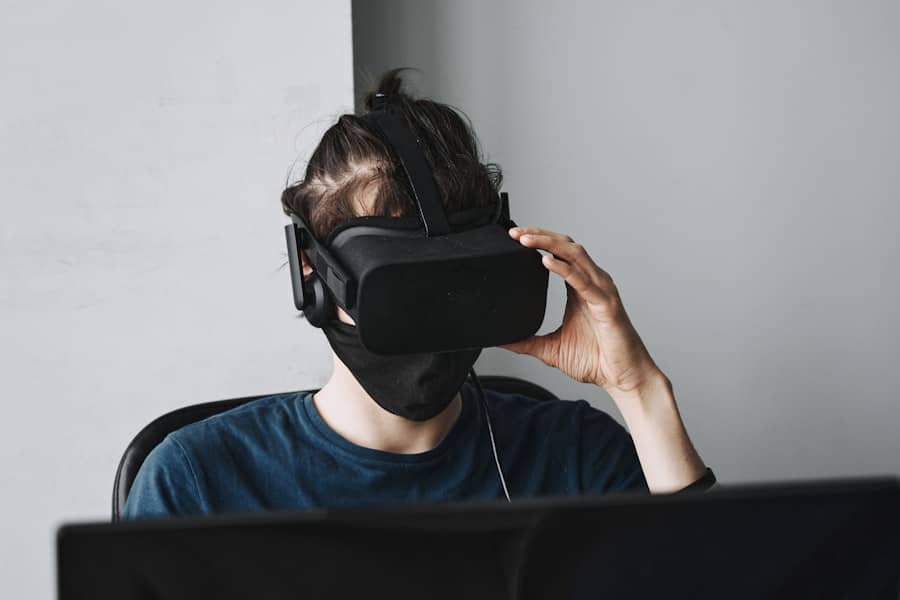
The editing phase of filmmaking is where the story truly comes together, and AI is making significant strides in this area as well. Traditionally, editing has been a meticulous process requiring hours of footage review and decision-making by skilled editors. However, with the advent of AI-powered editing software, this process is becoming more efficient.
These tools can analyze footage for pacing, emotional beats, and continuity errors, allowing editors to focus on refining the narrative rather than getting bogged down in technical details. Moreover, AI can assist in color grading and sound design during post-production. By analyzing visual elements and audio tracks, AI algorithms can suggest enhancements that align with the film’s overall tone and style.
This not only speeds up the post-production process but also ensures a polished final product that resonates with audiences. As you delve into the role of AI in film editing and post-production, you’ll see how it empowers editors to elevate their craft while maintaining artistic integrity.
The Future of AI in Cinema
As you look ahead to the future of cinema, it’s clear that AI will continue to play an increasingly prominent role in shaping the industry. The potential applications are vast, from personalized viewing experiences driven by AI algorithms to fully immersive virtual reality films created with minimal human intervention. As technology continues to evolve, filmmakers will have access to tools that allow them to push creative boundaries further than ever before.
However, this future also raises important questions about the nature of creativity and authorship in filmmaking. As AI becomes more integrated into the creative process, how will we define what it means to be an artist? Will human intuition still hold value in a world where machines can generate compelling narratives?
These questions will undoubtedly spark debates within the industry as filmmakers navigate the balance between leveraging technology and preserving the essence of storytelling.
Ethical and Social Implications of AI in Filmmaking
While the integration of AI into filmmaking offers numerous benefits, it also presents ethical and social implications that cannot be overlooked. One major concern is the potential for job displacement as automation takes over tasks traditionally performed by humans. As filmmakers increasingly rely on AI for various aspects of production, there is a fear that skilled professionals may find themselves sidelined or replaced by machines.
Additionally, issues related to bias in AI algorithms must be addressed. If these systems are trained on historical data that reflects societal biases, they may perpetuate stereotypes or exclude diverse voices from storytelling. As you reflect on these ethical considerations, it’s essential to advocate for responsible use of AI in filmmaking—ensuring that technology serves as a tool for empowerment rather than a means of exclusion.
In conclusion, as you explore the intersection of artificial intelligence and cinema, you’ll discover a landscape rich with possibilities and challenges. From enhancing filmmaking techniques to reshaping storytelling methods, AI is undeniably transforming the industry. However, as you navigate this evolving terrain, it’s crucial to remain mindful of the ethical implications and strive for a future where technology complements human creativity rather than replaces it.
The journey ahead promises to be as exciting as it is complex—one that invites you to engage with both innovation and introspection as cinema continues to evolve in the age of artificial intelligence.
In a recent article on AI and Mental Health: Transforming Diagnosis and Treatment, the impact of artificial intelligence on the healthcare industry is explored. Just as AI is revolutionizing the way films are made, it is also transforming the way mental health professionals diagnose and treat patients. The article discusses how AI technologies can analyze vast amounts of data to provide more accurate diagnoses and personalized treatment plans for individuals struggling with mental health issues. This demonstrates the diverse range of applications for artificial intelligence beyond just filmmaking.
FAQs
What is the role of artificial intelligence in filmmaking?
Artificial intelligence plays a significant role in filmmaking by assisting in various aspects such as scriptwriting, casting, production scheduling, visual effects, and audience analysis.
How does AI contribute to scriptwriting in cinema?
AI contributes to scriptwriting by analyzing large amounts of data to identify popular themes, plot structures, and dialogue patterns, which can help writers in creating compelling and marketable scripts.
What role does AI play in casting for films?
AI helps in casting for films by analyzing the characteristics and performances of actors to match them with suitable roles, as well as predicting audience preferences for specific casting choices.
How does AI impact production scheduling in filmmaking?
AI impacts production scheduling by analyzing various factors such as location availability, crew schedules, and weather conditions to optimize the production timeline and minimize costs.
What is the significance of AI in visual effects for cinema?
AI is significant in visual effects for cinema as it can automate and enhance the process of creating realistic and immersive visual effects, such as CGI characters and environments.
How does AI contribute to audience analysis in the film industry?
AI contributes to audience analysis by analyzing social media, box office data, and viewer preferences to predict audience behavior and tailor marketing strategies for films.