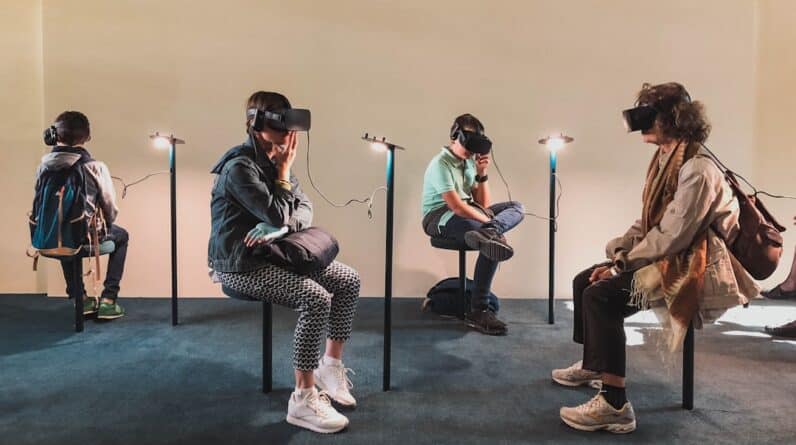
As you navigate the evolving landscape of education, it becomes increasingly clear that artificial intelligence (AI) is playing a pivotal role in shaping education policy. Policymakers are beginning to recognize the potential of AI to enhance educational outcomes, streamline administrative processes, and provide personalized learning experiences. By integrating AI into education policy, you can foster an environment that not only embraces technological advancements but also prioritizes the needs of students and educators alike.
This shift requires a comprehensive understanding of how AI can be effectively utilized to address existing challenges within the education system. In your exploration of AI’s role in education policy, consider how it can inform decision-making processes. Data-driven insights generated by AI can help identify trends in student performance, allowing for targeted interventions that support at-risk learners.
Furthermore, AI can assist in resource allocation, ensuring that schools receive the necessary funding and support to implement innovative programs. As you engage with policymakers, it is essential to advocate for a framework that encourages the responsible use of AI while maintaining a focus on equity and accessibility for all students.
Key Takeaways
- AI can help in creating more effective and efficient education policies by analyzing large amounts of data and identifying trends and patterns.
- AI has the potential to personalize learning experiences, provide real-time feedback, and assist in creating more engaging and interactive learning environments.
- Integrating AI in education presents opportunities for improving student outcomes, but also comes with challenges such as the need for teacher training and potential biases in AI algorithms.
- Ethical and privacy considerations are crucial when implementing AI in education, including issues related to data security, student privacy, and algorithmic bias.
- The future of personalized learning with AI holds promise for tailoring education to individual student needs, but it also requires careful consideration of equity and access to ensure that all students benefit from AI-driven education initiatives.
The Impact of AI on Teaching and Learning
As you delve deeper into the impact of AI on teaching and learning, you will discover that it has the potential to revolutionize traditional educational practices. AI-powered tools can provide educators with valuable insights into student performance, enabling them to tailor their instruction to meet individual needs. For instance, adaptive learning platforms can analyze a student’s strengths and weaknesses, offering personalized resources and activities that promote mastery of concepts.
This level of customization not only enhances student engagement but also fosters a deeper understanding of the material. Moreover, AI can facilitate collaboration between students and teachers in ways that were previously unimaginable. Virtual assistants and chatbots can provide immediate feedback on assignments, allowing students to learn from their mistakes in real-time.
This instant support can help reduce anxiety around assessments and encourage a growth mindset. As you consider the implications of AI in the classroom, it is crucial to recognize that while technology can enhance learning experiences, it should complement, rather than replace, the invaluable human connection between educators and students.
Opportunities and Challenges of Integrating AI in Education
Integrating AI into education presents a myriad of opportunities that can transform the learning experience for both students and educators. One significant advantage is the ability to automate administrative tasks, freeing up valuable time for teachers to focus on instruction and student engagement. By streamlining grading processes and managing classroom logistics, AI allows educators to dedicate more energy to fostering meaningful relationships with their students.
This shift can lead to improved classroom dynamics and ultimately enhance student outcomes. However, as you explore these opportunities, it is essential to acknowledge the challenges that accompany the integration of AI in education. One major concern is the potential for over-reliance on technology, which could diminish the role of educators in the learning process.
Additionally, there are concerns about the digital divide, as not all students have equal access to the necessary technology and resources. As you advocate for the integration of AI in education, it is vital to address these challenges head-on and work towards solutions that ensure equitable access for all learners.
Ethical and Privacy Considerations in AI-Driven Education
As you engage with the ethical and privacy considerations surrounding AI-driven education, it becomes evident that these issues are paramount in fostering trust among students, parents, and educators. The collection and analysis of student data raise significant concerns about privacy and consent. It is crucial to establish clear guidelines regarding data usage and ensure that students’ personal information is protected from misuse.
As you navigate this complex landscape, advocating for transparency in data practices will be essential in building confidence in AI technologies. Furthermore, ethical considerations extend beyond data privacy; they also encompass issues of bias and fairness in AI algorithms. If not carefully monitored, AI systems may inadvertently perpetuate existing inequalities within the education system.
As you explore these challenges, it is important to advocate for diverse representation in the development of AI tools and algorithms. By ensuring that a variety of perspectives are considered, you can help mitigate bias and promote equitable outcomes for all students.
The Future of Personalized Learning with AI
The future of personalized learning is bright with the integration of AI technologies. As you envision this future, consider how AI can create tailored educational experiences that cater to individual learning styles and paces. Imagine a classroom where each student receives customized resources based on their unique needs, allowing them to progress at their own speed while still being challenged appropriately.
This level of personalization not only enhances student engagement but also fosters a sense of ownership over their learning journey. Moreover, as you look ahead, think about how AI can facilitate lifelong learning beyond traditional educational settings. With the rise of online learning platforms powered by AI algorithms, individuals can access personalized courses and resources tailored to their interests and career goals.
This shift towards continuous learning will empower individuals to adapt to an ever-changing job market while fostering a culture of curiosity and exploration. As you advocate for personalized learning through AI, consider how this approach can transform not only K-12 education but also higher education and professional development.
Policy Recommendations for AI in Education
As you contemplate policy recommendations for integrating AI into education, it is essential to prioritize collaboration among stakeholders at all levels. Policymakers should work closely with educators, technologists, and researchers to develop comprehensive frameworks that guide the responsible use of AI in educational settings. These frameworks should emphasize transparency, accountability, and ethical considerations while promoting innovation and creativity in teaching practices.
Additionally, consider advocating for funding initiatives that support research on effective AI applications in education. By investing in pilot programs and studies that explore the impact of AI on student outcomes, policymakers can make informed decisions about scaling successful initiatives across schools and districts. As you engage with policymakers, emphasize the importance of ongoing professional development for educators to ensure they are equipped with the skills necessary to leverage AI effectively in their classrooms.
Equity and Access in AI-Driven Education
Equity and access are critical components of any discussion surrounding AI-driven education. As you explore this topic, it is vital to recognize that not all students have equal access to technology or resources necessary for effective learning. The digital divide remains a significant barrier for many learners, particularly those from marginalized communities.
As you advocate for equitable access to AI tools and resources, consider how policies can be designed to bridge this gap and ensure that all students have the opportunity to benefit from technological advancements. Moreover, think about how community partnerships can play a role in promoting equity in AI-driven education. Collaborating with local organizations, businesses, and government agencies can help provide resources and support for underserved schools.
By fostering these partnerships, you can create a more inclusive educational environment where all students have access to the tools they need to succeed in an increasingly digital world.
Collaborating with Industry and Government for AI in Education
Collaboration between industry leaders and government entities is essential for harnessing the full potential of AI in education. As you consider this collaboration, think about how partnerships can drive innovation while ensuring that educational policies remain responsive to the needs of students and educators. Engaging with technology companies can provide valuable insights into emerging trends and best practices while also fostering a culture of continuous improvement within educational institutions.
Furthermore, as you advocate for collaboration between industry and government, emphasize the importance of aligning educational goals with workforce needs. By working together to develop curricula that incorporate relevant skills and knowledge areas, you can help prepare students for success in an ever-evolving job market. This alignment will not only benefit students but also contribute to a more robust economy by ensuring that graduates possess the skills necessary to thrive in their chosen fields.
In conclusion, as you navigate the complexities of integrating AI into education policy and practice, it is essential to remain focused on fostering equitable access, ethical considerations, and collaboration among stakeholders. By advocating for responsible use of technology while prioritizing personalized learning experiences, you can help shape a future where all students have the opportunity to succeed in an increasingly digital world.
In a recent article discussing the future of learning in relation to AI and education policy, it is important to consider the impact of AI on the aging population. According to AILab360, AI has the potential to enhance elderly care and promote independence among older adults. As we explore the best age to learn AI, it is crucial to also address how AI can support the educational needs of individuals across all age groups, including seniors. By understanding the intersection of AI, education policy, and aging populations, we can create a more inclusive and effective learning environment for all.
FAQs
What is AI and Education Policy?
AI and Education Policy refers to the intersection of artificial intelligence (AI) technology and the policies and regulations that govern education systems. It involves the use of AI to improve learning outcomes, enhance teaching methods, and shape education policies.
How does AI impact education policy?
AI has the potential to revolutionize education policy by enabling personalized learning, automating administrative tasks, and providing insights for policy decision-making. It can also help in identifying at-risk students, improving teacher effectiveness, and optimizing resource allocation.
What are the benefits of integrating AI into education policy?
Integrating AI into education policy can lead to improved student outcomes, increased efficiency in education systems, and more equitable access to quality education. It can also help in addressing individual learning needs, reducing administrative burdens, and fostering innovation in teaching and learning.
What are the challenges of AI in education policy?
Challenges of AI in education policy include concerns about data privacy and security, potential biases in AI algorithms, and the need for adequate training and support for educators. There are also ethical considerations related to the use of AI in education and the potential impact on employment in the education sector.
What is the future of learning with AI and education policy?
The future of learning with AI and education policy is likely to involve more personalized and adaptive learning experiences, increased use of data-driven decision-making, and the integration of AI tools and technologies in education systems. It may also lead to new models of teaching and learning, as well as changes in the roles of educators and education policymakers.