In the realm of content creation, the integration of artificial intelligence (AI) has sparked a revolutionary shift. With the emergence of automated writing and design tools driven by AI capabilities, the possibilities for creating engaging and captivating content have multiplied. This article dives into the world of AI in content creation, exploring the ways in which automated tools are transforming the creative process and empowering individuals and businesses to produce high-quality content.

What is AI in content creation?
AI in content creation refers to the use of artificial intelligence technology to generate, create, and enhance various types of content. This includes written content such as articles, blog posts, and social media captions, as well as visual content like images, graphics, videos, and animations. By leveraging AI algorithms and machine learning models, businesses and content creators are able to automate and streamline the content creation process, saving time and resources while achieving high-quality results.
Definition of AI in content creation
AI in content creation involves the application of artificial intelligence techniques to assist or replace human involvement in the creation, production, and distribution of content. This technology encompasses a range of AI-powered tools and platforms that can automate various aspects of content creation, including writing, design, data analysis, and personalization. By harnessing the power of AI, businesses and marketers can optimize their content strategies, reach wider audiences, and deliver more engaging and relevant experiences.
Evolution of AI in content creation
The evolution of AI in content creation can be traced back to the emergence of natural language processing (NLP) and machine learning technologies. These advancements have enabled the development of sophisticated algorithms capable of understanding and generating human-like text, paving the way for automated writing tools. Over time, AI has been integrated into design tools and content management systems, facilitating the creation of visual content and enabling personalized user experiences. The rapid progress in AI technology continues to revolutionize content creation processes, making it faster, more efficient, and increasingly tailored to individual needs.
Benefits of AI in content creation
AI brings numerous benefits to content creation by revolutionizing traditional workflows and enabling new possibilities. Firstly, AI-powered tools can significantly reduce the time and effort required to create content. Automated writing tools can generate high-quality articles or social media posts in minutes, freeing up valuable time for content creators to focus on strategic planning or more creative tasks. Additionally, AI can help optimize content for better performance. Machine learning algorithms can analyze large amounts of data to identify patterns and preferences, allowing marketers to tailor content to specific audiences and achieve higher engagement rates. Furthermore, AI enables content personalization at scale, enhancing user experiences and increasing customer satisfaction. By leveraging AI’s ability to process and understand user data, businesses can deliver personalized content and recommendations to each individual, fostering stronger connections and driving conversions. Finally, AI can enhance creativity by offering collaboration opportunities between human creators and intelligent algorithms. Machine learning models can provide inspiration, generate ideas, and offer insights for content creation, serving as valuable creative partners. Overall, AI in content creation brings efficiency, personalization, and creativity to the forefront, empowering businesses to deliver exceptional content experiences to their target audiences.
Automated writing tools
Automated writing tools, also known as AI writing assistants or content generation tools, utilize artificial intelligence and natural language processing algorithms to automate the process of generating written content. These tools can create text-based content such as articles, blog posts, product descriptions, or social media captions, providing users with a quick and efficient way to generate high-quality content.
Definition of automated writing tools
Automated writing tools refer to AI-powered software applications that can mimic human writing ability to generate coherent, grammatically correct, and contextually appropriate text. These tools use machine learning algorithms to analyze vast amounts of data, including existing written content and historical data, to generate new content based on specific prompts or topics. By utilizing advanced language models, these tools can produce content that closely resembles human-written text.
How automated writing tools work
Automated writing tools typically work by applying machine learning techniques to large databases of text, enabling them to learn patterns and structures of well-written content. These tools use this knowledge to generate text based on user input or specific prompts. Through a process known as natural language generation (NLG), automated writing tools can create content by analyzing the context, understanding the topic, and generating text that aligns with the desired style or purpose. These tools often offer options for customization, allowing users to adjust the tone, style, or word choice to match their brand or specific requirements.
Benefits of automated writing tools
Automated writing tools offer several benefits to businesses and content creators. Firstly, these tools save time and resources by automating the process of content generation. Instead of spending hours or days crafting written content, AI-powered tools can generate it in a matter of minutes, significantly increasing productivity and efficiency. Additionally, these tools ensure consistency and quality in content creation. With predefined style guides and the ability to learn from existing content, automated writing tools can generate consistent, on-brand content that reflects a consistent tone and messaging. Furthermore, these tools can help overcome writer’s block, providing inspiration and generating new ideas based on user input or specific topics. Lastly, automated writing tools ensure scalability in content creation. Businesses can generate large volumes of content quickly, allowing them to create multiple variations for different audiences, platforms, or regions. Overall, automated writing tools empower businesses and content creators to streamline their content generation processes, deliver high-quality content at scale, and focus on more strategic or creative tasks.

Automated design tools
Automated design tools leverage artificial intelligence and machine learning to automate various aspects of the design process, allowing designers and marketers to create visually appealing content more efficiently. These tools use algorithms to generate graphics, images, videos, and animations, simplifying the design process and enabling the creation of eye-catching visual content.
Definition of automated design tools
Automated design tools refer to AI-powered software applications that use machine learning algorithms to automate or augment various design tasks. These tools can generate graphics, resize images, create visual effects, or even automate the entire design process based on predefined templates or user input. By leveraging AI, designers and marketers can create visually appealing content without extensive design knowledge or manual effort.
How automated design tools work
Automated design tools utilize machine learning algorithms to analyze vast amounts of visual data and learn the principles of design. These tools can understand color palettes, compositions, and visual styles, allowing them to generate designs that adhere to specific aesthetics. Some automated design tools offer pre-built templates or design elements, while others provide customization options to match specific brand guidelines. By inputting text, images, and preferences, users can generate design options within minutes, saving time and effort. These tools often employ techniques such as computer vision and image recognition to identify objects, extract relevant features, and create visually appealing compositions.
Benefits of automated design tools
Automated design tools offer numerous benefits to designers and marketers. Firstly, these tools significantly speed up the design process. By automating repetitive or time-consuming tasks, designers can focus on ideation and strategic decision-making. This allows businesses to produce more visual content within shorter time frames, supporting agile marketing strategies. Secondly, automated design tools enable consistency in branding and design. By providing access to predefined templates or design guidelines, these tools ensure that visual content aligns with the brand’s identity and style. This consistency strengthens brand recognition and fosters trust among audiences. Additionally, automated design tools can democratize design by reducing the barrier to entry. Not everyone has the expertise or access to expensive design software, but automated design tools empower individuals with limited design knowledge to create professional-looking visuals. Lastly, these tools offer scalability in design. With the ability to generate multiple design options quickly, businesses can create variations for different platforms, campaigns, or target audiences. Overall, automated design tools revolutionize the design process, bring efficiency and consistency, and empower businesses and individuals to create visually impactful content.
AI-generated content
AI-generated content refers to any content, whether written or visual, that is created or enhanced using artificial intelligence and machine learning algorithms. With the ability to analyze vast amounts of data and learn from patterns, AI algorithms can generate text, images, videos, and animations that resemble human-created content.
Types of AI-generated content
AI-generated content encompasses various types, including text-based content, visual content, and even multimedia content. In terms of text-based content, AI algorithms can generate articles, blog posts, social media captions, product descriptions, or even entire books. These algorithms analyze patterns from vast amounts of existing text to understand the style, tone, and context needed to create human-like content. In the realm of visual content, AI-generated graphics, images, videos, and animations are becoming increasingly common. AI algorithms can generate visuals from scratch or enhance existing assets by applying filters, effects, or other adjustments automatically. This enables content creators to quickly generate eye-catching visuals without extensive design expertise. Furthermore, multimedia content, such as podcasts or videos, can benefit from AI-generated transcriptions, subtitles, or even voiceovers, adding additional layers of automation and personalization.
Use cases for AI-generated content
AI-generated content finds applications across various industries and content formats. In journalism and news reporting, AI algorithms can analyze large amounts of data to generate news articles or summarize complex information automatically. This can speed up the reporting process and provide up-to-date information to readers. In advertising and marketing, AI-generated content allows businesses to create personalized campaigns by tailoring content to specific audiences. Machine learning algorithms can learn from user behavior, preferences, or purchase history to generate content that resonates with individual consumers. AI-generated content is also valuable in e-commerce, where product descriptions and recommendations can be automatically generated based on user browsing behavior, ratings, or reviews. Additionally, AI-generated content is used in social media marketing, enabling businesses to generate engaging captions or even auto-generating image or video content based on social media trends or user preferences. The applications of AI-generated content are vast and continue to grow as the technology advances.
Challenges and limitations of AI-generated content
While AI-generated content offers significant benefits, there are also challenges and limitations to consider. One major concern is the lack of creativity or originality in AI-generated content. AI algorithms analyze existing data and patterns, which can lead to content that replicates existing works without introducing new ideas. Additionally, AI-generated content may lack the human touch and emotional connection that comes from human-created content. Another challenge is the potential for biased or inaccurate content. AI algorithms learn from data, and if the data contains biases or inaccuracies, the generated content may perpetuate those biases or inaccuracies. For example, AI-generated news articles may unintentionally reflect biased viewpoints or misinformation if the training data includes biases. Lastly, the legal and ethical implications of AI-generated content are still evolving. Issues such as copyright infringement, plagiarism, and ownership rights can arise with AI-generated content, requiring careful consideration and regulation.

AI in content marketing
AI plays a crucial role in content marketing by enhancing various aspects of the content creation, distribution, and analysis process. From generating targeted content to analyzing user behavior, AI tools empower marketers to optimize their content strategies, reach wider audiences, and drive better results.
Role of AI in content marketing
AI has a significant impact on content marketing at every stage of the customer journey. In the planning and ideation phase, AI tools can assist marketers by generating content ideas based on keyword research, market trends, or user preferences. By analyzing vast amounts of data, AI algorithms can identify content gaps, recommend topics, or suggest relevant keywords, ensuring that marketers create content that resonates with their target audience. During the content creation phase, AI-powered writing and design tools streamline the production process, enabling marketers to create high-quality content at scale. These tools automate the generation of written or visual content, saving time and resources, and allowing marketers to focus on strategy and creativity. In the distribution phase, AI provides valuable insights for optimizing content performance. By analyzing user data and behavior, AI algorithms can identify the best times to publish, recommend distribution channels, or personalize content to specific segments. Finally, in the analysis phase, AI-powered analytics tools can provide in-depth insights into content performance metrics, audience engagement, and conversion rates. This allows marketers to evaluate the effectiveness of their content strategies, make data-driven decisions, and continuously improve their campaigns.
AI tools for content marketing
There are various AI tools available for content marketing that cater to different needs and objectives. AI-powered content generators, such as automated writing tools, provide marketers with the ability to generate text-based content quickly and efficiently. These tools leverage advanced language models and machine learning algorithms to generate high-quality articles, blog posts, or social media captions. AI analytics tools assist marketers in understanding and optimizing content performance. These tools use machine learning algorithms to analyze vast amounts of data, providing insights into audience behavior, engagement metrics, and conversion rates. This allows marketers to identify trends, personalize content, and make data-driven decisions to improve their content strategies. AI-powered chatbots and virtual assistants offer an interactive and personalized experience for customers. These tools utilize natural language processing and machine learning to understand user queries, provide recommendations, or assist with customer service. By leveraging AI, content marketers can automate responses, enhance user experiences, and scale customer support efforts.
Benefits and challenges of AI in content marketing
AI brings significant benefits to content marketing, including increased efficiency, personalization, and data-driven decision-making. By automating content creation processes, AI-powered tools save time and resources, allowing marketers to focus on strategy and creativity. Personalization is another key benefit, as AI algorithms can analyze user data to provide personalized recommendations, content, or experiences. This enhances user engagement, fosters stronger connections, and increases conversion rates. Lastly, AI enables data-driven decision-making, as it can analyze vast amounts of data to provide insights, identify trends, and optimize content strategies. However, there are also challenges to consider. The implementation and adoption of AI tools require technical expertise and resources. Companies need to invest in AI infrastructure, training, and integration with existing systems. Additionally, the ethical considerations surrounding AI-generated content, such as bias or data privacy, require careful attention and regulation. Marketers must ensure that AI tools align with ethical standards and respect user privacy.
Ethical considerations
As AI in content creation becomes more prevalent, it poses ethical considerations that need to be addressed. These considerations range from biases in AI-generated content to legal and copyright implications, as well as the role of human input and oversight in the AI-driven content creation process.
Bias in AI-generated content
One of the major ethical considerations in AI-generated content is the potential for biases. AI algorithms learn from existing data, and if the data contains biases, the generated content may reflect those biases as well. For example, if an AI algorithm is trained on a dataset that contains gender or racial biases, the generated content may inadvertently perpetuate those biases. This can have significant societal implications and reinforce inequality or discrimination. It is crucial for organizations to actively mitigate biases by carefully curating and diversifying training data and implementing bias detection mechanisms. Regular monitoring and evaluation of AI-generated content can help identify and address biases early on.
Legal and copyright implications
The use of AI in content creation raises legal and copyright implications that must be considered. AI algorithms may generate content that inadvertently infringes on copyrights, plagiarizes existing works, or violates intellectual property rights. Organizations must ensure that AI-generated content complies with applicable copyright laws and licensing agreements. Additionally, attribution and ownership rights can become complex when AI algorithms are used to create content. It is important to establish clear guidelines and policies regarding ownership and attribution of AI-generated content, ensuring that intellectual property rights are respected and protected.
Human input and oversight in AI content creation
While AI algorithms can automate various aspects of content creation, human input and oversight remain crucial. Human creators bring unique judgment, creativity, and emotional intelligence to the content creation process that AI algorithms cannot replicate. It is essential to strike a balance between AI automation and human involvement to ensure that AI-generated content aligns with brand values, quality standards, and ethical considerations. Human oversight is also vital to review and verify the output of AI algorithms, detect and address biases or inaccuracies, and make final decisions regarding content publication or distribution. By maintaining a collaborative approach and involving human creators throughout the AI-driven content creation process, organizations can ensure the ethical use of AI and deliver high-quality content.

Future of AI in content creation
The future of AI in content creation holds immense potential for advancements, challenges, and impact on creative industries. As AI technology continues to evolve, new trends emerge, transforming content creation processes and enhancing the capabilities of AI-generated content.
Emerging trends in AI content creation
One of the emerging trends in AI content creation is the development of more advanced natural language generation (NLG) models. These models aim to generate even more human-like text by improving language understanding, coherence, and context. Additionally, AI algorithms are being trained to generate not only descriptive content but also persuasive or emotionally engaging content. This opens doors for AI-generated content that can evoke specific emotions or influence reader behavior. Another emerging trend is the integration of AI in real-time content creation. By leveraging real-time data and machine learning algorithms, AI can generate content tailored to current events, user behavior, or market trends. This allows for highly dynamic and personalized content experiences. Furthermore, AI is being used to enhance content creation collaboration. Intelligent algorithms can analyze multiple content sources, recommend complementary content ideas, or facilitate collaboration between human creators. This seamless collaboration between AI and human creators fosters innovation, creativity, and more efficient workflows.
Impact on creative industries
The impact of AI in content creation on creative industries is multifaceted. On one hand, AI has the potential to enhance creativity and streamline creative processes. By automating repetitive or time-consuming tasks, AI allows creatives to focus on ideation, strategy, and innovation. This can lead to more diverse and impactful content production. On the other hand, there is a concern that AI may replace human creators in certain areas. While AI can generate content efficiently, it lacks the depth of human creativity, emotional intelligence, and storytelling capabilities. Human creators bring a unique perspective and artistry to the content creation process, ensuring originality and authenticity. Therefore, the integration of AI in creative industries should prioritize collaboration and augmentation rather than complete automation.
Potential advancements and challenges
The future advancements in AI content creation are likely to focus on improving the quality, personalization, and efficiency of AI-generated content. Advancements in natural language generation and visual recognition algorithms will lead to more accurate and contextually appropriate content generation. AI tools will become more user-friendly and customizable, allowing marketers and creators to fine-tune the output to match their unique needs and branding. Challenges associated with biases and ethical considerations will drive the development of AI technologies that are more impartial, transparent, and respectful of diverse perspectives. Additionally, challenges related to legal and copyright implications will require the establishment of comprehensive guidelines and regulations to protect intellectual property rights and ensure fair use of AI-generated content.
Integration with existing workflows
The integration of AI tools in content creation workflows is a key aspect of harnessing the benefits of AI technology. To fully leverage the power of AI, organizations need to embrace a collaborative approach, blending AI automation with human creativity and expertise.
Adoption of AI tools in content creation workflows
The adoption of AI tools in content creation workflows requires a comprehensive understanding of existing processes, goals, and challenges. Organizations need to identify specific areas where AI can add value and streamline workflows, such as content generation, analysis, or distribution. It is crucial to choose AI tools that align with organizational needs, technical capabilities, and scalability. Integration of AI should be gradual, allowing for learning, adjustment, and improvement over time. This may involve training employees on AI tools, optimizing workflows, or redesigning certain processes to take full advantage of AI automation.
Collaboration between AI and human creators
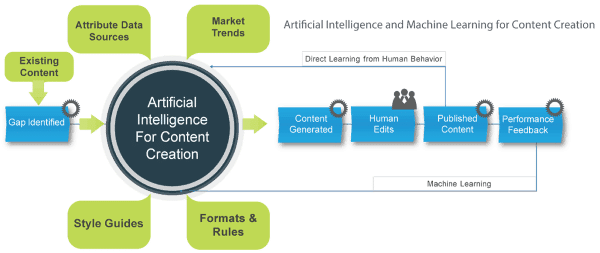
Successful integration of AI in content creation workflows involves fostering collaboration between AI and human creators. This collaborative approach acknowledges the unique skills and perspectives that human creators bring to the table while harnessing the efficiency and scalability offered by AI tools. Human creatives can provide the necessary context, expertise, and emotional intelligence that AI algorithms lack. They can also offer critical judgment, review AI-generated content, and make strategic decisions based on their experience and understanding of the brand. By involving human creators throughout the AI-driven content creation process, organizations can ensure a harmonious blend of automation and human touch.
Overall impact on productivity and efficiency
The integration of AI tools in content creation workflows can have a significant impact on productivity and efficiency. By automating repetitive or time-consuming tasks, AI frees up human creators’ time, allowing them to focus on more strategic or creative aspects of their role. This can lead to increased productivity, faster turnaround times, and the ability to generate higher volumes of content. Additionally, AI-powered tools can optimize content creation processes by analyzing user data, preferences, or behavioral patterns. This enables content creators to deliver personalized, relevant content at scale, maximizing efficiency and audience engagement. The overall impact on productivity and efficiency depends on the careful selection and integration of AI tools, as well as the collaboration and skillset of the human creators within the workflow.
User experience and customization
AI in content creation has the potential to enhance user experiences and customization by providing personalized, relevant, and engaging content at scale. However, it is important to strike a balance between automation and creative control to ensure that customization aligns with user expectations and preferences.
Personalization of AI-generated content
AI-generated content allows for personalization at scale by leveraging user data, preferences, or behavioral patterns. Machine learning algorithms can analyze this data to understand individual preferences, recommend relevant content, or dynamically personalize content based on user interactions. Personalization enhances user experiences by delivering tailored content that resonates with individual needs, interests, or purchase history. However, it is important to strike a balance between personalization and privacy. Users must have control over their data and consent to sharing their information, ensuring that personalization efforts are respectful and transparent.
Balancing automation with creative control
While automation can significantly enhance content creation workflows, it is important to maintain creative control and human input. AI tools can automate various aspects of content creation, but human creators bring the artistry, emotional intelligence, and judgment that AI algorithms lack. By leveraging AI as a creative partner rather than a replacement, organizations can strike a balance between automation and creative control. Human creators can review, customize, and add their unique touch to AI-generated content, ensuring its alignment with brand values, style, and emotional resonance. This collaborative approach results in content that combines the efficiency and scalability of AI automation with the authenticity and creativity of human creators.
Enhancing user experience through AI
AI in content creation has the potential to significantly enhance user experiences by delivering personalized, relevant, and engaging content. By leveraging AI tools, organizations can understand user preferences, offer recommendations, and dynamically personalize content based on individual needs. This enhances user engagement, fosters stronger connections, and increases customer satisfaction. AI can also contribute to seamless user experiences by automating and improving customer service through AI-powered chatbots and virtual assistants. By providing instant, personalized support, AI enhances user experiences and empowers businesses to scale their customer support efforts. Moreover, AI algorithms can analyze user behavior and feedback to continuously improve and optimize content, ensuring that users receive the most relevant and valuable experiences.
AI in visual content creation
AI in content creation extends beyond written content to visual elements, including images, graphics, videos, and animations. AI-powered algorithms can generate, enhance, or adjust visual content, revolutionizing the field of visual design and opening up new possibilities.
AI-generated images and graphics
AI-generated images and graphics utilize machine learning algorithms to generate visuals from scratch or enhance existing assets. AI algorithms analyze large datasets of images to learn patterns, identify objects, and understand visual styles. This knowledge allows algorithms to generate new visuals that resemble human-created content or apply filters, effects, or adjustments automatically. AI-generated images and graphics offer endless creative possibilities and can be used in various applications, from advertising and marketing to website design and branding.
Video and animation with AI
AI’s impact on video and animation creation is rapidly growing. AI algorithms can analyze videos to understand the context, detect objects, and extract key frames or scenes. This allows for automatic video editing, summarization, or creation of highlight reels. AI can also generate animations based on predefined parameters or existing animations, simplifying the animation process and reducing manual effort. The combination of AI-powered video and animation tools with human creativity opens up new possibilities for storytelling, visual effects, and immersive experiences.
Applications in UI/UX design
AI has significant applications in user interface (UI) and user experience (UX) design. AI algorithms can analyze user behavior, preferences, and interactions to optimize UI/UX design elements, such as layout, navigation, or visual hierarchy. This enables designers to create more intuitive and user-friendly interfaces tailored to specific audiences or devices. AI can also generate design recommendations, identify potential usability issues, or perform user testing at scale. By leveraging AI in UI/UX design, organizations can enhance the user experience, reduce friction, and drive higher engagement and conversion rates.
In conclusion, AI in content creation offers a range of possibilities for businesses and content creators. From automated writing and design tools to AI-generated content and personalized user experiences, the integration of AI technologies revolutionizes traditional workflows, enhances creativity, and increases efficiency. While challenges such as biases, ethical considerations, and legal implications exist, organizations can navigate these challenges through careful implementation, collaboration between AI and human creators, and ongoing monitoring. The future of AI in content creation holds immense potential for advancements, impacting creative industries, and transforming the way content is generated, distributed, and consumed. By embracing this technology and finding the right balance between automation and human creativity, organizations can create exceptional content experiences, engage audiences on a deeper level, and achieve their content marketing goals.