In the exciting realm of humanitarian aid, artificial intelligence (AI) has emerged as a powerful tool to assist in disaster relief efforts. By harnessing the capabilities of AI technology, humanitarian organizations are able to enhance their response and recovery efforts, leading to more efficient and effective outcomes for those affected by disasters. This article explores the various ways in which AI is being used in the field of humanitarian aid, highlighting its potential to revolutionize disaster relief operations and improve the lives of individuals in vulnerable communities.
1. Introduction
AI in Humanitarian Aid: Using Technology to Assist Disaster Relief
1.1 Overview of AI in humanitarian aid
In recent years, the role of artificial intelligence (AI) in humanitarian aid has been steadily increasing. AI is being used to tackle some of the biggest challenges faced during disaster relief efforts, from data collection and analysis to predicting and monitoring disasters. By harnessing the power of AI, humanitarian organizations are able to respond more effectively and efficiently, ultimately saving lives and mitigating the impact of disasters.
1.2 Importance of technology in disaster relief
Technology plays a crucial role in disaster relief efforts. It enables responders to gather and analyze critical data in real-time, facilitating informed decision-making. Additionally, technology aids in resource allocation, communication, and coordination, allowing for a faster and more efficient response to disasters. AI, in particular, has the potential to revolutionize disaster relief by providing innovative solutions and improving the overall effectiveness of humanitarian aid efforts.
2. Role of AI in Disaster Relief
Artificial intelligence is revolutionizing disaster relief efforts in various ways. Here are some key areas where AI is making a significant impact:
2.1 Data collection and analysis
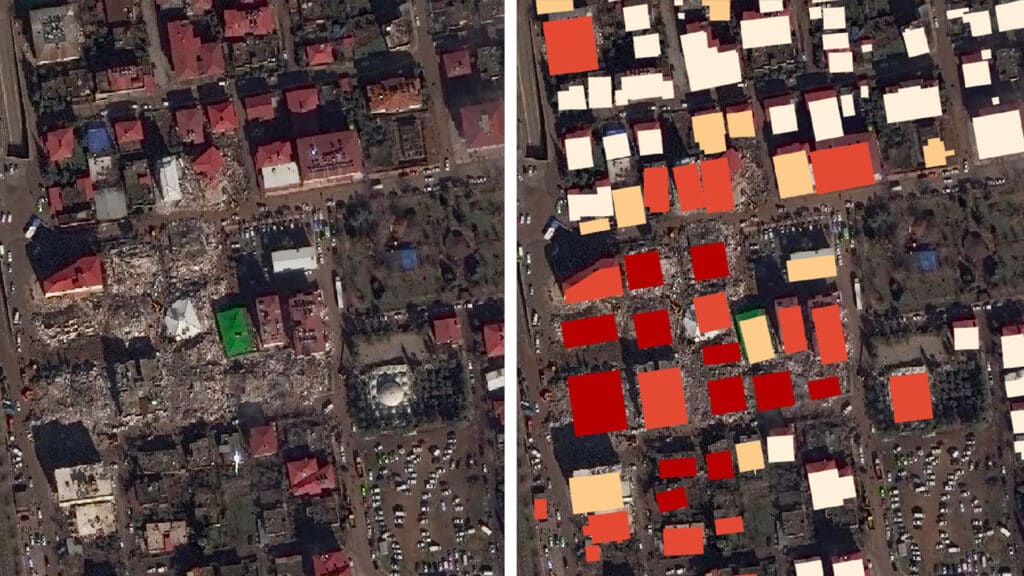
AI-powered tools are capable of collecting and analyzing vast amounts of data from multiple sources, including satellite imagery, social media feeds, and sensor networks. This data can provide valuable insights into the affected areas, helping responders better understand the situation on the ground and make informed decisions about where to allocate resources.
2.2 Predicting and monitoring disasters
AI algorithms can analyze historical data and patterns to predict future disasters with increased accuracy. By utilizing machine learning techniques, AI can identify potential disaster hotspots and issue early warnings, allowing authorities to take proactive measures. Additionally, AI can monitor ongoing disasters in real-time, providing continuous updates and enabling timely responses.
2.3 Efficient resource allocation
One of the biggest challenges in disaster relief is allocating resources effectively. AI algorithms can optimize the distribution of resources based on various factors such as population density, infrastructure availability, and real-time data on needs and priorities. By automating this process, AI streamlines resource allocation and ensures that aid reaches those who need it the most.
2.4 Facilitating communication and coordination
During disaster relief operations, efficient communication and coordination are crucial. AI-powered tools can assist in establishing reliable communication networks, even in areas with limited infrastructure. Chatbots and natural language processing can provide instant information and assistance to affected populations, while IoT devices can facilitate real-time data exchange between responders.

3. AI-powered Tools and Technologies in Humanitarian Aid
The use of AI in humanitarian aid encompasses a wide range of tools and technologies. Here are some notable examples:
3.1 Drones for search and rescue operations
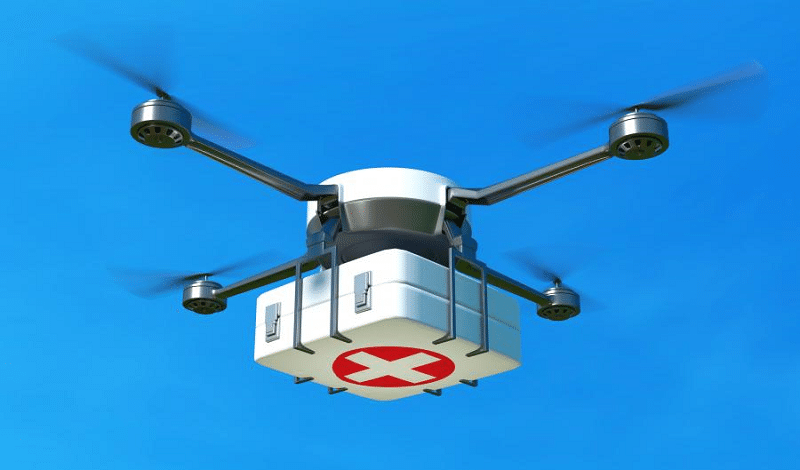
Drones equipped with AI technology can be used in search and rescue operations, significantly improving response times and increasing the chances of locating survivors. These drones can autonomously navigate disaster areas, identify signs of life, and transmit real-time video and data to responders on the ground.
3.2 Facial recognition for missing persons identification
AI-powered facial recognition systems can aid in identifying missing persons during disasters. By comparing images of missing individuals against databases of known individuals, these systems can help reunite families and expedite the search and rescue process.
3.3 Natural language processing for real-time translation
The ability to communicate effectively with affected populations is crucial in disaster relief efforts. Natural language processing technologies can facilitate real-time translation, breaking down language barriers and enabling better communication between responders and those in need. This technology can be especially valuable in multilingual regions or when dealing with diverse populations.
3.4 Chatbots for instant information and assistance
Chatbots powered by AI algorithms can provide instant information and assistance to affected populations. These chatbots can answer frequently asked questions, provide updates on relief efforts, and connect individuals with the appropriate resources and support services. They can be accessed through various platforms, including SMS, social media, and dedicated mobile applications.
3.5 Internet of Things (IoT) in disaster management
The IoT refers to the network of interconnected devices that can exchange data in real-time. In disaster management, IoT devices can play a crucial role in collecting and sharing critical information. For example, smart sensors placed in disaster-prone areas can monitor environmental conditions, such as temperature, humidity, and seismic activity. This data can help predict and monitor disasters, enhancing preparedness and response efforts.
4. Benefits of AI in Humanitarian Aid
The integration of AI in humanitarian aid brings forth numerous benefits:
4.1 Rapid response and decision-making
By leveraging AI, humanitarian organizations can respond rapidly and make well-informed decisions. The ability to collect, analyze, and interpret vast amounts of data in real-time allows for timely and effective actions, ultimately saving lives and reducing the impact of disasters.
4.2 Enhanced situational awareness
AI-powered tools provide valuable insights into the affected areas, helping responders gain a better understanding of the situation on the ground. This enhanced situational awareness enables more targeted and efficient response efforts, ensuring that resources are allocated where they are needed the most.
4.3 Improved efficiency and accuracy
AI algorithms can automate various tasks, freeing up time and resources for responders to focus on critical activities. From resource allocation to data analysis, AI can handle these processes with speed and accuracy, improving overall efficiency in disaster relief operations.
4.4 Cost-effective solutions
AI technologies can offer cost-effective solutions in humanitarian aid. By automating numerous processes, organizations can optimize their resource utilization and reduce operational costs. Additionally, AI-powered tools often have lower maintenance requirements, making them a viable option for resource-constrained environments.

5. Challenges and Limitations of AI in Disaster Relief
While AI holds great promise in disaster relief efforts, there are several challenges and limitations that need to be addressed:
5.1 Ethical and privacy concerns
AI technologies raise ethical and privacy concerns, particularly when it comes to data collection and facial recognition. Clear guidelines and safeguards must be established to ensure that these technologies are used responsibly and ethically, respecting individuals’ privacy rights and protecting vulnerable populations.
5.2 Lack of access to technology in vulnerable areas
Many disaster-prone regions lack access to basic technology infrastructure. Without reliable internet connectivity and power supply, the deployment of AI-powered tools becomes challenging. Efforts should be made to bridge this digital divide and ensure that vulnerable areas are not left behind in benefiting from AI advancements.
5.3 Dependence on reliable connectivity
AI systems heavily rely on reliable connectivity for data exchange and real-time communication. In areas with limited or disrupted connectivity, the effectiveness of AI-powered tools may be compromised. Alternative solutions, such as offline functionality or decentralized networks, should be explored to overcome this limitation.
5.4 Integration and interoperability issues
The integration of AI technologies into existing disaster relief frameworks can be complex. Interoperability between different systems and platforms is essential to ensure seamless data sharing and coordination. Standardization efforts should be undertaken to promote compatibility and interoperability among AI-powered tools.
6. Case Studies on AI-assisted Humanitarian Aid
Several organizations have already embraced AI in their humanitarian efforts, leading to notable advancements in disaster relief:
6.1 Microsoft’s AI for Earth initiative
Microsoft’s AI for Earth initiative utilizes AI technologies to address environmental challenges, including disaster response and recovery. The initiative focuses on leveraging AI and machine learning to analyze and interpret environmental data, enabling better prediction and preparedness for disasters.
6.2 IBM’s Project Debater in disaster response
IBM’s Project Debater, an AI-driven debating system, has been employed in disaster response efforts. By analyzing vast amounts of data and providing evidence-based arguments, Project Debater can assist decision-makers in making informed choices during critical situations.
6.3 World Food Programme’s use of AI for food security
The World Food Programme (WFP) has integrated AI into its food security initiatives. By utilizing AI algorithms, the WFP can analyze weather patterns, agricultural data, and market trends to predict food shortages and optimize distribution strategies, ultimately reducing hunger and improving food security in vulnerable areas.
7. Future Directions and Potential Applications
The future of AI in humanitarian aid holds immense potential. Here are some areas that present exciting opportunities for further exploration:
7.1 AI-powered early warning systems
By harnessing AI’s predictive capabilities and combining them with advanced sensor networks, early warning systems can be developed to provide timely alerts for various types of disasters. These systems can help communities prepare and respond effectively, mitigating the impact of disasters.
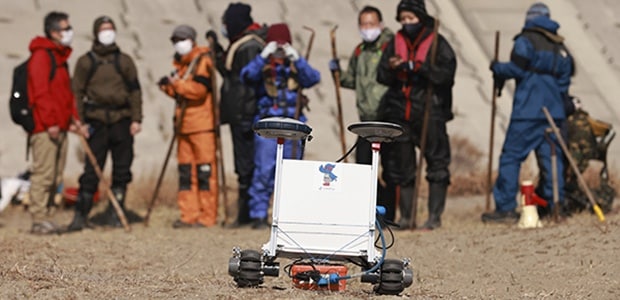
7.2 Robotics and AI in post-disaster recovery
Robots equipped with AI technology can play a significant role in post-disaster recovery efforts. From rubble removal to infrastructure repair, autonomous robots can carry out tasks that are hazardous or physically demanding for humans, speeding up the recovery process.
7.3 AI-assisted healthcare in humanitarian settings
AI has the potential to revolutionize healthcare delivery in humanitarian settings. From telemedicine and remote diagnostics to AI-powered decision support systems for medical practitioners, the integration of AI in healthcare can improve access to quality healthcare services in underserved populations.
8. Ethical Considerations in AI-powered Humanitarian Aid
As AI becomes increasingly integrated into humanitarian aid, ethical considerations become paramount. Here are some key aspects that need to be addressed:
8.1 Ensuring fairness and equity
AI algorithms must be developed and trained with fairness and equity in mind. Bias in data or algorithmic decision-making can perpetuate existing inequalities, exacerbating the vulnerabilities faced by marginalized populations. Careful attention should be given to ensure that AI technologies do not discriminate or reinforce existing biases.
8.2 Addressing biases in AI algorithms
Effective measures should be taken to identify and address biases in AI algorithms. Bias can arise from the data used to train AI models, resulting in skewed or discriminatory outcomes. Regular audits and ongoing monitoring can help mitigate these biases and ensure that AI systems are fair and inclusive.
8.3 Protecting vulnerable populations
The use of AI in humanitarian aid requires the protection of vulnerable populations. Measures should be in place to safeguard individuals’ privacy, particularly when collecting or analyzing personal data. Transparency and accountability are crucial to build trust and ensure that AI technologies are used in the best interests of those in need.
9. Collaborations and Partnerships
The successful integration of AI in humanitarian aid requires collaborations and partnerships among various stakeholders:
9.1 Government agencies and NGOs
Government agencies and NGOs play a vital role in disaster relief efforts. Collaborations between these organizations can foster knowledge sharing, resource pooling, and the development of comprehensive AI-powered solutions.
9.2 Tech companies and humanitarian organizations
Tech companies possess the necessary expertise and resources to develop AI technologies. Partnering with humanitarian organizations allows them to apply these technologies in real-world scenarios and address the specific challenges faced during disaster relief operations.
9.3 Academia and research institutions
Academic institutions and research organizations have a crucial role to play in advancing the field of AI in humanitarian aid. By conducting research, sharing knowledge, and training future professionals, academia can contribute to the development of innovative AI solutions tailored to the needs of disaster-affected populations.
10. Conclusion
AI holds immense potential in revolutionizing the field of humanitarian aid. From data collection and analysis to resource allocation and communication, AI-powered tools and technologies are making a significant impact in disaster relief efforts. While challenges and ethical considerations exist, collaborations and partnerships among various stakeholders can help address these issues. By harnessing the power of AI responsibly and inclusively, we can enhance the effectiveness of humanitarian aid and create a more resilient world.