As you step into the world of retail, you may notice a significant transformation taking place, largely driven by artificial intelligence (AI). This technology is not just a buzzword; it is reshaping how businesses operate and how consumers shop. From the moment you enter a store or browse an online platform, AI is working behind the scenes to enhance your experience.
The integration of AI in retail is revolutionizing traditional practices, making shopping more efficient, personalized, and enjoyable. The retail landscape has evolved dramatically over the past few years, and AI is at the forefront of this change. With advancements in machine learning, data analytics, and natural language processing, retailers are now equipped to understand consumer behavior like never before.
This understanding allows them to tailor their offerings to meet your needs and preferences, creating a more engaging shopping experience. As you explore this article, you will discover how AI is not only changing the way you shop but also how retailers manage their operations and connect with you.
Key Takeaways
- AI is revolutionizing the retail industry by enhancing the shopping experience, improving inventory management, and transforming marketing and advertising strategies.
- AI is changing the shopping experience by enabling personalized recommendations, virtual assistants, and seamless checkout processes, leading to increased customer satisfaction and loyalty.
- Personalized recommendations and customer service powered by AI algorithms are helping retailers understand and cater to individual customer preferences, leading to higher sales and customer retention.
- AI is optimizing inventory management and supply chains by predicting demand, reducing stockouts, and streamlining logistics, ultimately leading to cost savings and improved efficiency.
- AI is transforming retail marketing and advertising by enabling targeted and personalized campaigns, improving customer engagement, and driving sales both online and in-store.
How AI is Changing the Shopping Experience
Imagine walking into a store where every product seems to be curated just for you. This is the reality that AI is creating in retail. By analyzing vast amounts of data, AI can predict trends and understand consumer preferences, allowing retailers to stock items that are more likely to appeal to you.
This means that when you visit a store or an online platform, you are greeted with products that resonate with your tastes and needs, making your shopping experience more enjoyable and efficient. Moreover, AI enhances the shopping experience through virtual assistants and chatbots. These tools are designed to provide real-time assistance, answering your questions and guiding you through the purchasing process.
Whether you need help finding a specific item or want recommendations based on your previous purchases, AI-powered assistants are there to help. This level of support not only saves you time but also makes the shopping process feel more personalized and engaging.
Personalized Recommendations and Customer Service
One of the most significant ways AI is impacting retail is through personalized recommendations. As you browse online stores or apps, algorithms analyze your past purchases, browsing history, and even your interactions with customer service. This data allows retailers to suggest products that align with your preferences, making it easier for you to discover new items that you might love.
The result is a shopping experience that feels tailored specifically for you, increasing the likelihood of making a purchase. In addition to personalized recommendations, AI is transforming customer service in retail. Traditional customer service often involves long wait times and generic responses.
However, with AI-driven chatbots and virtual assistants, you can receive immediate assistance at any time of day. These tools can handle a wide range of inquiries, from tracking orders to processing returns, all while providing a level of service that feels personal. As a result, your interactions with retailers become smoother and more satisfying, fostering loyalty and encouraging repeat business.
Inventory Management and Supply Chain Optimization
AI’s influence extends beyond customer-facing applications; it also plays a crucial role in inventory management and supply chain optimization. Retailers face the constant challenge of maintaining the right stock levels to meet consumer demand without overstocking or running out of popular items. AI algorithms analyze sales data, market trends, and even external factors like weather patterns to forecast demand accurately.
This predictive capability allows retailers to optimize their inventory levels, ensuring that you find what you’re looking for when you shop. Furthermore, AI enhances supply chain efficiency by streamlining logistics and reducing operational costs. By analyzing data from various sources, AI can identify bottlenecks in the supply chain and suggest improvements.
For instance, if a particular product is selling faster than anticipated in your region, AI can recommend adjustments in shipping routes or inventory distribution to ensure that stores are adequately stocked. This not only benefits retailers but also enhances your shopping experience by ensuring that products are readily available when you want them.
AI in Retail Marketing and Advertising
In the realm of marketing and advertising, AI is revolutionizing how retailers connect with consumers like you. Traditional marketing methods often rely on broad demographics and generalized messaging. However, with AI’s ability to analyze consumer behavior and preferences, retailers can create highly targeted marketing campaigns that resonate with specific audiences.
This means that when you receive advertisements or promotions, they are more likely to align with your interests and needs. Moreover, AI enables dynamic pricing strategies that adjust in real-time based on demand fluctuations and competitor pricing. As a consumer, this means you may benefit from personalized discounts or promotions tailored to your shopping habits.
For example, if you’ve shown interest in a particular product but haven’t made a purchase yet, retailers can offer you a special discount to encourage you to buy. This level of personalization not only enhances your shopping experience but also fosters a sense of connection between you and the brand.
The Impact of AI on Brick-and-Mortar Stores
While much of the conversation around AI in retail focuses on e-commerce, brick-and-mortar stores are also experiencing significant changes due to this technology. In physical stores, AI can enhance the shopping experience through smart shelves and interactive displays that provide real-time information about products. As you navigate the aisles, these technologies can offer personalized recommendations based on your preferences or even alert staff when assistance is needed.
Additionally, AI can help retailers analyze foot traffic patterns within stores. By understanding how customers like you move through a space, retailers can optimize store layouts and product placements to enhance visibility and accessibility. This means that when you visit a store, it is designed not only for aesthetics but also for functionality—making it easier for you to find what you’re looking for while discovering new products along the way.
The Future of AI in Retail
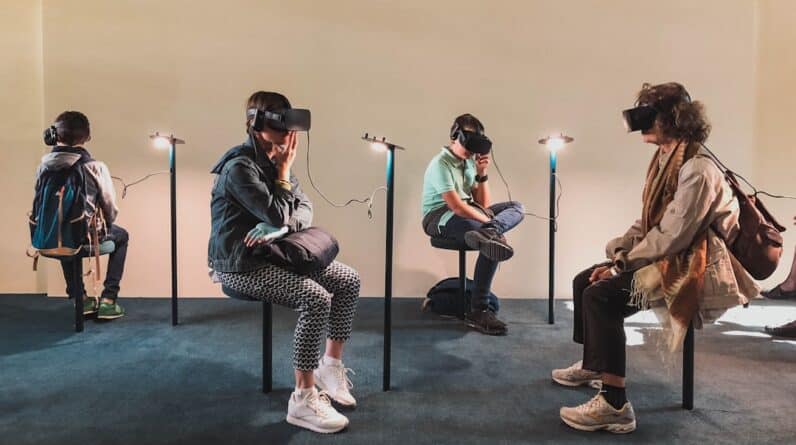
As you look ahead to the future of retail, it’s clear that AI will continue to play an increasingly vital role in shaping the industry. Innovations such as augmented reality (AR) and virtual reality (VR) are on the horizon, promising to create immersive shopping experiences that blend the digital and physical worlds. Imagine trying on clothes virtually or visualizing how furniture would look in your home before making a purchase—these possibilities are becoming more attainable thanks to advancements in AI technology.
Moreover, as AI continues to evolve, its ability to analyze data will become even more sophisticated. Retailers will be able to anticipate trends before they emerge, allowing them to stay ahead of the competition while providing you with products that meet your evolving needs. The integration of AI into retail will not only enhance your shopping experience but also drive innovation across the entire industry.
Ethical and Privacy Considerations in AI Retail Technology
While the benefits of AI in retail are substantial, it’s essential to consider the ethical implications and privacy concerns associated with this technology. As retailers collect vast amounts of data about your shopping habits and preferences, questions arise regarding how this information is used and protected. You may wonder whether your data is being shared with third parties or if it’s being used responsibly.
To address these concerns, retailers must prioritize transparency and ethical practices in their use of AI technology. This includes implementing robust data protection measures and ensuring that consumers like you have control over their personal information. As a shopper in this evolving landscape, it’s crucial to stay informed about how your data is being utilized and advocate for practices that prioritize your privacy while still benefiting from the personalized experiences that AI offers.
In conclusion, as you navigate the ever-changing world of retail, it’s evident that artificial intelligence is playing a transformative role in shaping your shopping experiences. From personalized recommendations to optimized inventory management and innovative marketing strategies, AI is enhancing every aspect of retail. While there are ethical considerations to address, the future holds exciting possibilities for both consumers and retailers alike as they embrace this technology together.
If you are interested in learning more about AI in retail and how it is shaping the future of shopping, you may want to check out this article on teaching AI: the challenges and rewards of educating machines. This article delves into the complexities of teaching AI and the impact it has on various industries, including retail. It provides valuable insights into the advancements in AI technology and how it is revolutionizing the way we shop.
FAQs
What is AI in retail?
AI in retail refers to the use of artificial intelligence technology in the retail industry to improve and personalize the shopping experience for customers, optimize inventory management, and enhance overall operational efficiency.
How is AI used in retail?
AI is used in retail for various purposes, including customer service chatbots, personalized product recommendations, demand forecasting, inventory management, and fraud detection. AI technology can also be used to analyze customer data and behavior to improve marketing strategies and enhance the overall shopping experience.
What are the benefits of AI in retail?
The benefits of AI in retail include improved customer experience, increased operational efficiency, better inventory management, personalized marketing, and enhanced fraud detection. AI technology can also help retailers make data-driven decisions and adapt to changing market trends more effectively.
What are some examples of AI in retail?
Some examples of AI in retail include virtual assistants for customer service, personalized product recommendations based on customer behavior, predictive analytics for demand forecasting, and automated inventory management systems. AI technology is also used for facial recognition in stores and online chatbots for customer support.
What is the future of AI in retail?
The future of AI in retail is expected to involve even more advanced technologies, such as computer vision for in-store analytics, predictive analytics for personalized pricing, and the use of AI-powered robots for tasks like inventory management and customer assistance. AI is also expected to play a larger role in creating seamless omnichannel shopping experiences for customers.