In the realm of technology and artificial intelligence (AI), the challenges and rewards of teaching machines are becoming increasingly evident. From self-driving cars to virtual assistants, AI is transforming our daily lives, but behind these advancements lie complex processes of education and training. As researchers and engineers strive to teach machines to think and learn, they encounter numerous obstacles and triumphs along the way. This article explores the fascinating world of teaching AI, delving into the hurdles faced and the exciting possibilities that lie ahead.
Challenges of Teaching AI
1. Lack of Human-like Cognitive Abilities
Teaching AI systems can be challenging due to their lack of human-like cognitive abilities. While these systems excel at processing large amounts of data and performing complex calculations, they often struggle with tasks that humans find effortless, such as understanding natural language or recognizing subtle nuances in communication. This makes teaching AI to interact with humans in a meaningful way a considerable hurdle.
2. The Black Box Problem
Another challenge in teaching AI is the black box problem. AI models, particularly those based on deep learning algorithms, can be highly complex and difficult to interpret. They derive insights and make decisions based on patterns in the training data, but it is often unclear why certain choices are made. This lack of transparency can be problematic, especially when the decisions made by AI systems impact crucial areas like healthcare or finance.
3. Data Bias
Data bias is a significant challenge in AI education. Machine learning algorithms are designed to learn from data, and if the data used for training is biased, the AI system may replicate and amplify those biases in its decision-making process. This can perpetuate inequality and discrimination. Ensuring that the training data is diverse, inclusive, and representative of the real-world population is essential to avoid unintended biases in AI systems.
4. Ethical Considerations
Teaching AI also involves ethical considerations. AI systems can influence and shape people’s lives in profound ways, leading to concerns about privacy, security, and the potential for misuse. Educators and researchers need to address these ethical concerns and ensure that AI technologies are developed and implemented responsibly, with built-in safeguards and mechanisms for accountability.
Rewards of Educating Machines
1. Enhancing Efficiency and Productivity
One of the primary rewards of educating machines is the ability to enhance efficiency and productivity in various fields. AI systems can automate repetitive and mundane tasks, allowing humans to focus on more critical and creative endeavors. By offloading tedious tasks to AI, businesses and industries can streamline their operations, save time, and improve overall productivity.
2. Improving Lives and Society
Educating machines can also lead to significant improvements in people’s lives and society as a whole. AI-powered technologies can assist individuals with disabilities, enabling them to live more independently and have better access to information and services. Moreover, AI has the potential to address societal challenges such as healthcare, transportation, and environmental sustainability, providing innovative solutions that can positively impact millions of lives.
3. Advancing Scientific Discovery
AI education also has rewards in the realm of scientific discovery. With the ability to analyze vast amounts of data and identify patterns, AI systems can assist scientists in making breakthroughs and accelerating the pace of research. From drug discovery to climate modeling, AI-powered tools and algorithms can provide valuable insights that propel scientific advancements and unlock new possibilities.
The Role of Machine Learning in AI Education
1. Introduction to Machine Learning
Machine learning forms the backbone of AI education. It is a subset of AI that focuses on developing algorithms and models that enable machines to learn from data and make decisions without explicit programming. Teaching AI systems to learn from data opens up possibilities for problem-solving, pattern recognition, and intelligent decision-making.
2. Supervised Learning
Supervised learning is a machine learning technique where AI systems are trained on labeled data. In this approach, the AI system learns from input-output pairs, allowing it to generalize and make predictions or classifications on unseen data accurately. Supervised learning is widely used in applications such as image recognition, speech recognition, and natural language processing.
3. Unsupervised Learning
Unsupervised learning is another machine learning technique used in AI education. In this approach, AI systems are trained on unlabeled data and tasked with finding patterns or structures within the data on their own. Unsupervised learning is beneficial for tasks such as clustering, anomaly detection, and dimensionality reduction.
4. Reinforcement Learning
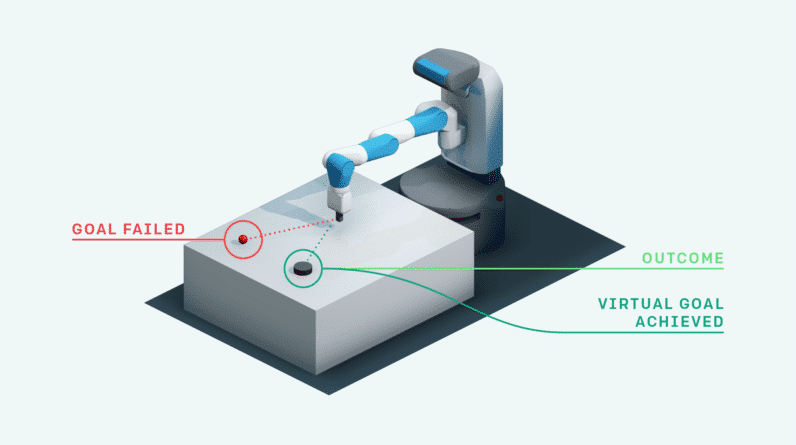
Reinforcement learning is a type of machine learning where the AI system learns through trial and error. The system interacts with an environment and receives rewards or penalties based on its actions. It learns to optimize its behavior to maximize rewards over time. Reinforcement learning has applications in robotics, game playing, and autonomous systems.
Teaching AI: Methods and Approaches
1. Rule-based Systems
Rule-based systems involve explicitly encoding a set of rules and conditions for AI systems to follow. These rules dictate how the system behaves and make decisions based on predefined logical conditions. While rule-based systems can be effective in certain domains with clear-cut rules, they often struggle with complex or dynamic situations that require a more flexible approach.
2. Inductive Learning
Inductive learning involves inferring patterns and rules from specific examples. AI systems are exposed to a set of training examples and generalize from those examples to make predictions or decisions on unseen data. Inductive learning is particularly useful when the underlying rules or patterns are not explicitly known.
3. Neural Networks
Neural networks are a prominent approach in teaching AI. Inspired by the structure and function of the human brain, neural networks are composed of interconnected processing units called neurons. These networks can learn complex patterns and relationships from data, making them effective in a wide range of applications such as image recognition, natural language processing, and recommendation systems.
4. Genetic Algorithms
Genetic algorithms draw inspiration from the process of natural selection. They involve creating a population of potential solutions that undergo evolutionary processes such as mutation and crossover. Genetic algorithms are well-suited for optimization problems and have been successfully applied in areas like engineering design, scheduling, and financial modeling.
5. Bayesian Networks
Bayesian networks utilize probabilistic relationships between variables to model complex systems. They are particularly useful in scenarios where uncertainty and dependencies exist. Bayesian networks can represent causal relationships and enable AI systems to reason under uncertainty, making them valuable in applications like medical diagnosis, fault detection, and risk assessment.
Training Data and its Significance
1. Data Collection and Annotation
Training AI models requires collecting and curating relevant data. Data collection involves gathering information from various sources, such as databases, online repositories, or sensor readings. Additionally, data annotation is essential for training supervised learning models, where human experts label the data with appropriate annotations or classifications.
2. Quality and Quantity of Training Data
The quality and quantity of training data play a crucial role in the success of AI education. High-quality, diverse, and representative data helps AI systems learn robust and generalizable patterns. Insufficient or biased data can lead to poor performance or unintended biases in AI systems. Ethical considerations should also be taken into account, particularly when dealing with sensitive data like personal information or healthcare records.
3. Potential Biases in Training Data
Training data can contain biases that are inherited by AI systems during the learning process. Biases can occur due to human data collection or annotation processes or reflect existing societal biases present in the data. Careful examination and mitigation of these biases are necessary to ensure fair and unbiased AI systems.
4. Data Augmentation Techniques
Data augmentation techniques are used to enrich training data and improve AI performance. By synthetically generating additional data through techniques like image rotation, translation, or adding noise, AI models can learn from a more diverse set of examples. Data augmentation can help overcome limited training data and improve AI system robustness.
Evaluation and Validation of AI Models
1. Metrics and Evaluation Criteria
Evaluating and validating AI models require defining appropriate metrics and evaluation criteria. These metrics assess how well the AI system performs its intended task. For example, in image classification, metrics like accuracy, precision, and recall can be used to measure performance. It is important to select metrics that align with the specific goals and requirements of the AI application.
2. Cross-validation Methods
Cross-validation is a technique used to assess the generalization capability of AI models. It involves partitioning the data into multiple subsets and performing training and evaluation iteratively. Cross-validation helps estimate the model’s performance on unseen data and provides insights into its robustness.
3. Challenges in Model Validation
Validating AI models can be challenging due to the dynamic nature of data, evolving user needs, or changing environmental factors. AI models may perform well during initial evaluation but struggle to maintain performance over time. Continuous monitoring, updates, and retraining are essential to validate AI models’ effectiveness in real-world scenarios.
The Impact of AI on Education
1. Improving Educational Institutions
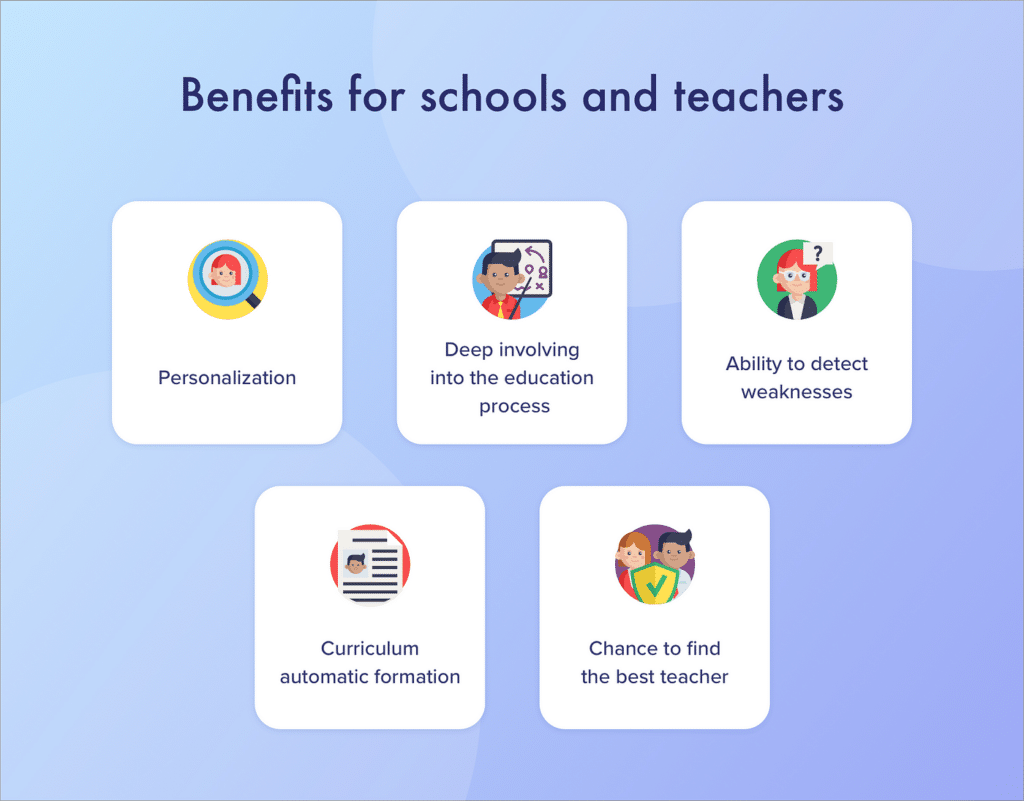
AI has the potential to revolutionize education by enhancing administrative processes, supporting personalized learning, and improving student outcomes. AI-powered systems can automate administrative tasks like grading, scheduling, and resource allocation, freeing up educators’ time for more meaningful interactions with students.
2. Personalized Learning
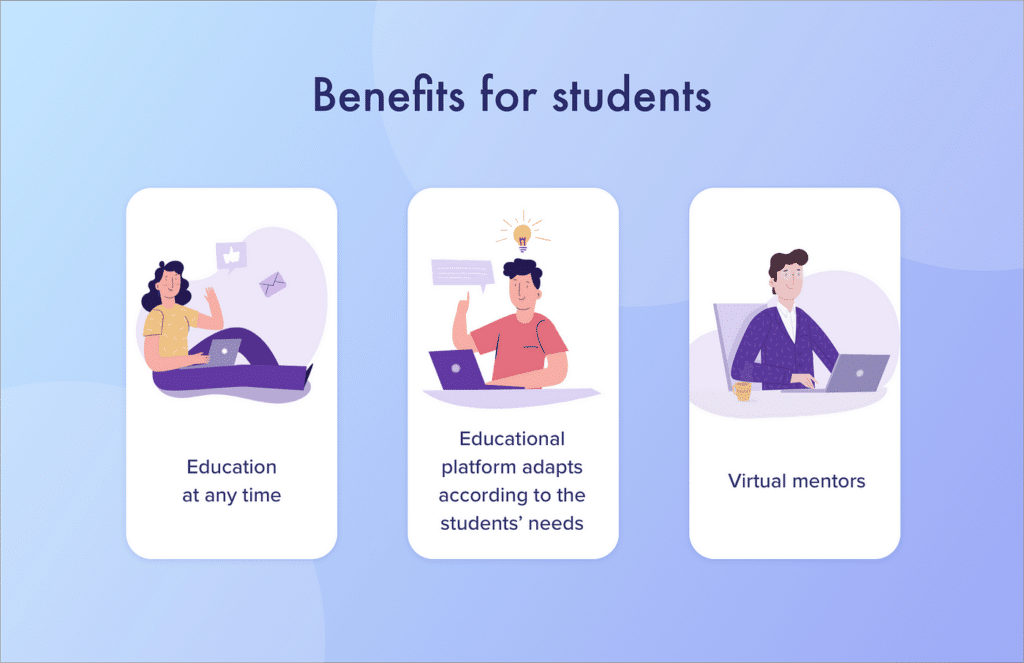
AI enables personalized learning experiences tailored to individual students’ needs and preferences. Adaptive learning platforms can assess students’ strengths and weaknesses, identify learning gaps, and provide personalized recommendations and feedback. This personalized approach empowers students to learn at their own pace and maximizes their learning outcomes.
3. Automated Grading and Feedback
AI can automate the grading process, providing timely and consistent feedback to students. This reduces the burden on educators and allows them to focus on providing targeted interventions and support. AI-powered grading systems can also identify common misconceptions or learning difficulties, enabling educators to address them effectively.
4. AI Tutoring Systems
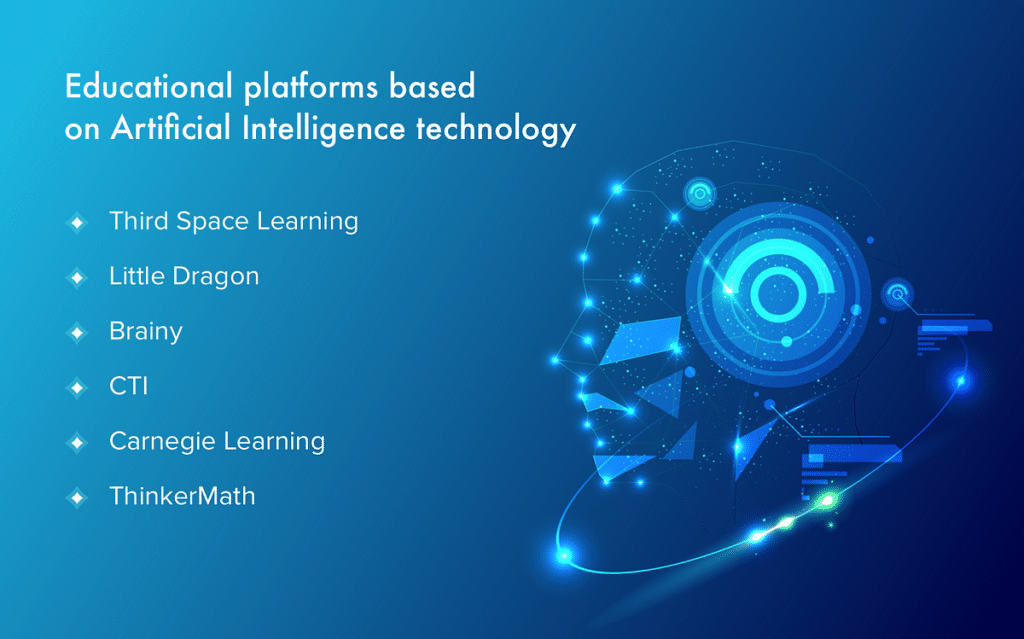
AI tutoring systems offer personalized instruction and support to students. These systems can adapt to students’ learning styles, provide explanations, answer questions, and offer practice opportunities. AI tutors can provide individualized attention, guidance, and scaffolding, ensuring that students receive tailored support throughout their learning journey.
Ethical Considerations in AI Education
1. Privacy and Security Concerns
AI education raises privacy and security concerns. Collecting and processing personal data for educational purposes should align with privacy regulations and ethical guidelines. Safeguards should be in place to protect sensitive information, ensure data encryption, and obtain appropriate consent from individuals involved.
2. Bias and Fairness in Educational Applications
Ensuring fairness and mitigating biases in AI educational applications is crucial. AI systems should not discriminate against individuals based on factors such as race, gender, or socioeconomic background. Regular audits, bias assessments, and guidelines for bias mitigation should be implemented to prevent discrimination and promote equal opportunities in education.
3. Transparency and Explainability of AI Models
The transparency and explainability of AI models are essential for trust and accountability. Educators and developers should strive to make AI models and their decisions interpretable to understand the reasoning behind their outputs. Providing explanations and insights into AI systems’ decision-making processes helps identify potential biases, errors, or ethical concerns.

The Future of Teaching AI
1. Integration of AI in Curricula
As AI becomes increasingly prevalent, there will be a need to integrate AI education into curricula at all levels. Educators should be equipped with the necessary knowledge and skills to teach AI concepts, ethics, and applications. Preparing the next generation for the AI-driven future requires a comprehensive understanding of its opportunities, challenges, and implications.
2. Collaboration between Educators and AI
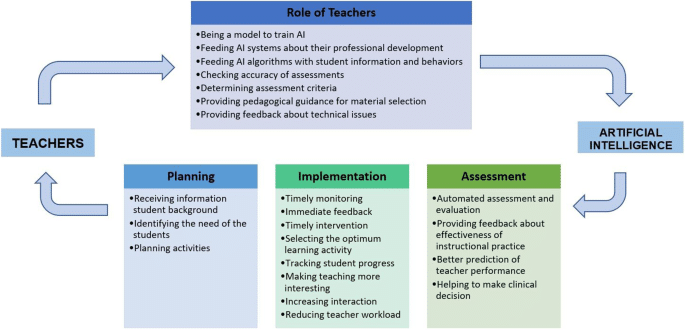
The future of teaching AI lies in collaboration between educators and AI systems. AI can augment and support educators by providing insights, resources, and personalized learning experiences. Educators, on the other hand, have the expertise to guide AI systems, interpret their outputs, and ensure ethical and responsible implementation.
3. Lifelong Learning with AI
Lifelong learning is critical in the age of AI. As AI technologies evolve, individuals need to continuously update their skills and knowledge. AI can facilitate personalized and adaptive lifelong learning, tailoring educational experiences to individuals’ evolving needs and preferences. Embracing AI as a lifelong learning partner can empower individuals to thrive in a rapidly changing technological landscape.
In conclusion, teaching AI systems presents both challenges and rewards. The lack of human-like cognitive abilities, the black box problem, data bias, and ethical considerations pose significant challenges in AI education. However, the rewards of educating machines, such as enhancing efficiency and productivity, improving lives and society, and advancing scientific discovery, make the effort worthwhile. The role of machine learning in AI education, teaching methodologies and approaches, training data significance, evaluation and validation of AI models, ethical considerations, the impact of AI on education, and the future of teaching AI are all critical aspects that need to be carefully addressed to ensure responsible and effective AI education. With thoughtful considerations and ethical practices, teaching AI has the potential to transform education and empower individuals in a rapidly evolving digital world.