As you navigate the complexities of the modern world, the intersection of artificial intelligence (AI) and climate change emerges as a critical area of focus. Climate change, driven by human activities, poses one of the most significant challenges of our time, threatening ecosystems, economies, and communities worldwide. In this context, AI offers innovative solutions that can enhance our understanding of climate dynamics and improve our responses to environmental challenges.
By harnessing vast amounts of data and employing sophisticated algorithms, AI has the potential to revolutionize how we approach climate change mitigation and adaptation. The urgency of addressing climate change cannot be overstated. With rising global temperatures, increasing frequency of extreme weather events, and shifting ecological patterns, the need for effective strategies has never been more pressing.
AI stands at the forefront of this battle, providing tools that can analyze complex climate data, optimize energy systems, and even inform policy decisions. As you delve deeper into this topic, you will discover how AI is not just a technological advancement but a vital ally in the fight against climate change.
Key Takeaways
- AI has the potential to revolutionize the fight against climate change by providing innovative solutions across various sectors.
- AI can analyze climate data more efficiently and accurately, leading to better understanding and prediction of climate patterns and trends.
- In renewable energy, AI can optimize energy production and distribution, leading to increased efficiency and reduced environmental impact.
- AI in agriculture and land use can help optimize resource usage, improve crop yields, and reduce deforestation and land degradation.
- AI can assist in climate change adaptation by providing early warning systems, risk assessments, and decision support tools for vulnerable communities.
AI in Climate Data Analysis
One of the most significant contributions of AI to climate change efforts lies in its ability to analyze vast datasets with remarkable speed and accuracy. Traditional methods of climate data analysis often struggle to keep pace with the sheer volume of information generated by satellites, sensors, and climate models. However, AI algorithms can process this data efficiently, identifying patterns and trends that may not be immediately apparent to human researchers.
This capability allows for more accurate climate predictions and a better understanding of the factors driving climate change. As you explore the realm of AI in climate data analysis, consider how machine learning techniques are employed to enhance climate models. These models can simulate various scenarios based on different levels of greenhouse gas emissions, helping scientists predict future climate conditions.
By integrating AI into these models, researchers can refine their predictions and develop more effective strategies for mitigation. Furthermore, AI can assist in real-time monitoring of environmental changes, enabling quicker responses to emerging threats such as natural disasters or shifts in biodiversity.
AI in Renewable Energy

The transition to renewable energy sources is crucial for reducing greenhouse gas emissions and combating climate change. Here, AI plays a transformative role by optimizing energy production and consumption. For instance, machine learning algorithms can analyze historical energy usage patterns to forecast demand more accurately.
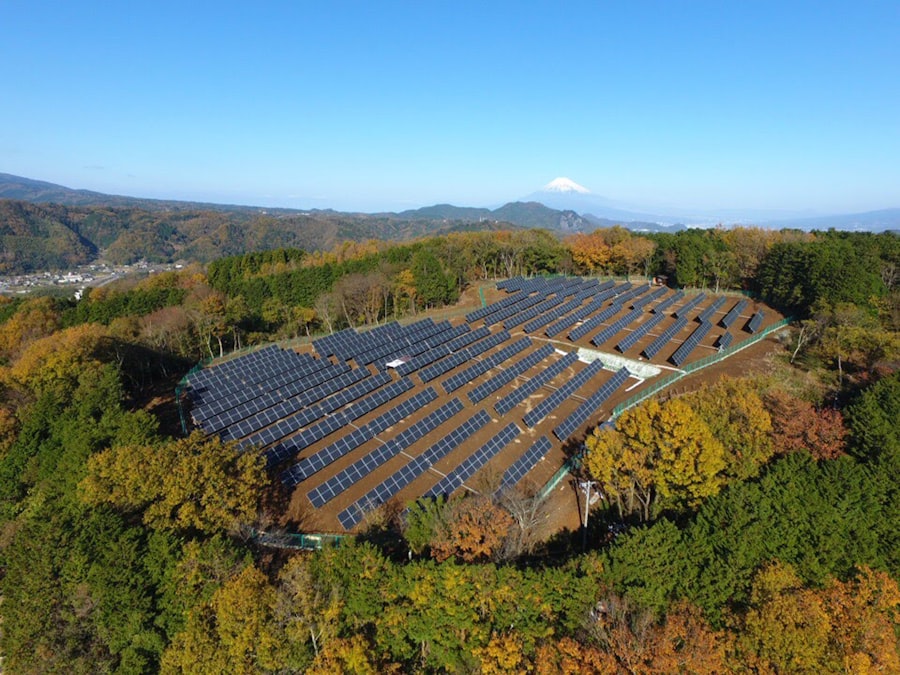
This predictive capability allows energy providers to adjust their output from renewable sources like solar and wind, ensuring a more reliable energy supply while minimizing waste. Moreover, AI can enhance the efficiency of renewable energy systems themselves. In solar energy, for example, AI can optimize the placement of solar panels based on geographic and climatic conditions, maximizing energy capture.
In wind energy, predictive maintenance powered by AI can identify potential equipment failures before they occur, reducing downtime and maintenance costs. As you consider the implications of these advancements, it becomes clear that AI is not merely a tool for efficiency; it is a catalyst for a sustainable energy future.
AI in Agriculture and Land Use
Agriculture is another critical sector where AI can make a significant impact in addressing climate change. As global populations grow and arable land becomes scarcer, optimizing land use and agricultural practices is essential for food security and environmental sustainability. AI technologies can analyze soil health, weather patterns, and crop performance to provide farmers with actionable insights that enhance productivity while minimizing environmental impact.
For instance, precision agriculture utilizes AI-driven data analytics to determine the optimal amount of water, fertilizers, and pesticides needed for specific crops. This targeted approach not only increases yields but also reduces runoff and pollution associated with over-application of chemicals. Additionally, AI can help farmers adapt to changing climatic conditions by recommending crop varieties that are more resilient to droughts or floods.
As you reflect on these advancements, consider how AI empowers farmers to make informed decisions that benefit both their livelihoods and the planet.
AI in Climate Change Adaptation
As the effects of climate change become increasingly evident, adaptation strategies are essential for communities worldwide. AI can play a pivotal role in developing these strategies by providing insights into vulnerability assessments and risk management. By analyzing data on population density, infrastructure resilience, and environmental hazards, AI can help identify areas most at risk from climate impacts such as flooding or heatwaves.
Furthermore, AI-driven simulations can model various adaptation scenarios, allowing policymakers to evaluate the effectiveness of different strategies before implementation. For example, urban planners can use AI to design green infrastructure that mitigates flooding while enhancing urban biodiversity. As you consider the potential of AI in adaptation efforts, it becomes clear that these technologies not only inform decision-making but also empower communities to build resilience against future climate challenges.
AI in Carbon Capture and Storage
Carbon capture and storage (CCS) technologies are essential for reducing atmospheric CO2 levels and mitigating climate change. Here again, AI proves invaluable by optimizing the processes involved in capturing carbon emissions from industrial sources or directly from the atmosphere. Machine learning algorithms can analyze data from various capture technologies to identify the most efficient methods for specific applications.
Moreover, AI can enhance monitoring systems for carbon storage sites, ensuring that captured CO2 remains securely stored underground without leakage. By predicting potential risks associated with geological formations used for storage, AI contributes to safer and more effective CCS operations. As you explore the role of AI in carbon capture and storage, consider how these innovations are not just technical solutions but integral components of a broader strategy to achieve net-zero emissions.
AI in Climate Change Policy and Decision Making
The integration of AI into climate change policy and decision-making processes represents a significant advancement in how governments and organizations approach environmental challenges. By providing data-driven insights and predictive analytics, AI can inform policy development that is both effective and responsive to changing conditions. For instance, machine learning models can analyze the potential impacts of proposed regulations on emissions reductions or economic growth.
Additionally, AI can facilitate stakeholder engagement by analyzing public sentiment regarding climate policies or initiatives. This understanding allows policymakers to craft strategies that resonate with communities while addressing their concerns about climate impacts. As you reflect on the implications of AI in policy-making, consider how these technologies empower leaders to make informed decisions that align with both environmental goals and societal needs.
Ethical Considerations in AI for Climate Change
While the potential benefits of AI in combating climate change are substantial, ethical considerations must also be at the forefront of discussions surrounding its implementation. Issues such as data privacy, algorithmic bias, and accountability raise important questions about how AI technologies are developed and deployed. As you engage with this topic, it is crucial to recognize that ethical frameworks must guide the use of AI in climate initiatives to ensure equitable outcomes for all communities.
Moreover, transparency in AI algorithms is essential for building trust among stakeholders. When communities understand how decisions are made based on AI analyses, they are more likely to support initiatives aimed at addressing climate change. As you contemplate the ethical dimensions of AI’s role in this field, consider how fostering collaboration among technologists, policymakers, and affected communities can lead to more just and effective solutions.
In conclusion, as you explore the multifaceted relationship between artificial intelligence and climate change, it becomes evident that these technologies hold immense promise for addressing one of humanity’s greatest challenges. From enhancing data analysis capabilities to optimizing renewable energy systems and informing policy decisions, AI is poised to play a transformative role in our collective efforts to combat climate change. However, as you engage with these advancements, it is equally important to remain vigilant about ethical considerations that ensure these technologies serve all members of society equitably.
The journey toward a sustainable future requires not only innovation but also a commitment to justice and inclusivity in our approaches to environmental stewardship.
In a related article discussing the potential impact of AI on society, “Could AI Overthrow Humans?” explores the ethical implications and consequences of advanced artificial intelligence. The article delves into the possibility of AI surpassing human intelligence and the potential risks associated with such a scenario. To read more about this thought-provoking topic, visit here.
FAQs
What is the role of AI in mitigating climate change?
AI can play a significant role in mitigating climate change by helping to optimize energy usage, improve forecasting of extreme weather events, and develop more efficient and sustainable agricultural practices.
How can AI help optimize energy usage?
AI can analyze large amounts of data to identify patterns and trends in energy consumption, allowing for more efficient use of resources and the development of smart grids and energy management systems.
How does AI improve forecasting of extreme weather events?
AI can process and analyze vast amounts of data from various sources to improve the accuracy of weather forecasts, which can help communities better prepare for and respond to extreme weather events such as hurricanes, floods, and droughts.
What are some examples of AI being used in sustainable agriculture?
AI is being used to develop precision agriculture techniques that optimize the use of water, fertilizers, and pesticides, as well as to monitor crop health and predict yields, ultimately leading to more sustainable and efficient farming practices.
Can AI help reduce greenhouse gas emissions?
Yes, AI can help reduce greenhouse gas emissions by optimizing energy usage, improving transportation systems, and developing more sustainable industrial processes, among other applications.