As you step into the world of education today, you may notice a significant transformation taking place, largely driven by advancements in artificial intelligence (AI). This technology is not just a buzzword; it is reshaping how students learn and how educators teach. AI in education encompasses a wide range of applications, from intelligent tutoring systems to administrative tools that streamline processes.
The integration of AI into educational settings is not merely a trend; it represents a fundamental shift in the way knowledge is imparted and absorbed. You might wonder how AI can enhance the educational experience. The answer lies in its ability to analyze vast amounts of data, recognize patterns, and provide tailored solutions that meet individual needs.
As you explore this topic further, you will discover that AI has the potential to create more engaging, efficient, and personalized learning environments. By understanding the implications of AI in education, you can better appreciate its role in shaping the future of learning.
Key Takeaways
- AI in education refers to the use of artificial intelligence technology to enhance teaching and learning experiences.
- The benefits of AI in education include personalized learning, improved student engagement, and more efficient administrative tasks.
- AI tools for personalized learning include adaptive learning platforms, intelligent tutoring systems, and virtual assistants.
- AI can support teachers by providing personalized professional development, automating administrative tasks, and offering insights into student performance.
- Ethical considerations of AI in education include data privacy, algorithm bias, and the potential for replacing human teachers.
The Benefits of AI in Education
Personalized Learning Experiences for Students
AI can facilitate personalized learning experiences that cater to each student’s unique strengths and weaknesses. Imagine a classroom where each student receives customized resources and support based on their individual learning pace. This level of personalization can lead to improved academic performance and greater student engagement, as learners feel more connected to the material being taught.
Streamlining Administrative Tasks for Educators
For educators, AI can alleviate some of the burdens associated with administrative tasks. By automating grading, scheduling, and data analysis, teachers can devote more time to what truly matters: engaging with their students and fostering a positive learning environment.
Data-Driven Insights for Informed Decision-Making
Furthermore, AI can provide valuable insights into student performance, enabling educators to identify trends and adjust their teaching strategies accordingly. This data-driven approach not only enhances the educational experience but also empowers teachers to make informed decisions that benefit their students.
AI Tools for Personalized Learning

As you delve deeper into the realm of AI tools for personalized learning, you will encounter a variety of platforms designed to enhance the educational experience. One such tool is adaptive learning software, which adjusts the difficulty of tasks based on a student’s performance in real-time. This means that if you struggle with a particular concept, the software will provide additional resources and practice opportunities tailored to your needs.
Conversely, if you excel in a subject, it will present more challenging material to keep you engaged. Another exciting development is the use of AI-driven chatbots and virtual tutors. These tools can provide instant feedback and support outside of traditional classroom hours.
Imagine having access to a virtual assistant that can answer your questions or guide you through complex problems whenever you need help. This level of accessibility not only enhances your learning experience but also fosters a sense of independence as you take charge of your educational journey.
The Role of AI in Teacher Support and Professional Development
AI’s impact on education extends beyond student learning; it also plays a crucial role in supporting teachers and enhancing their professional development. As an educator, you may find that AI tools can help streamline lesson planning and resource allocation. For instance, AI can analyze curriculum standards and suggest relevant materials or activities that align with your teaching goals.
This not only saves time but also ensures that you are providing high-quality instruction that meets the needs of your students. Moreover, AI can facilitate ongoing professional development by identifying areas where you may benefit from additional training or resources. By analyzing your teaching practices and student outcomes, AI can recommend targeted workshops or online courses that align with your professional growth goals.
This personalized approach to professional development empowers you to continuously improve your skills and adapt to the ever-evolving landscape of education.
The Ethical Considerations of AI in Education
While the benefits of AI in education are compelling, it is essential to consider the ethical implications that accompany its implementation. As you navigate this landscape, you may encounter concerns related to data privacy and security. With AI systems collecting vast amounts of student data to provide personalized experiences, safeguarding this information becomes paramount.
You must ensure that appropriate measures are in place to protect sensitive data from unauthorized access or misuse. Additionally, there are questions surrounding equity and access to AI technologies. Not all students have equal access to the devices or internet connectivity required to benefit from AI-driven tools.
As an advocate for equitable education, it is crucial to address these disparities and work towards ensuring that all learners have the opportunity to thrive in an increasingly digital world. By fostering inclusivity in AI implementation, you can help create a more equitable educational landscape for all students.
Overcoming Challenges in Implementing AI in Education

Implementing AI in education is not without its challenges, and as you explore this topic, you may encounter various obstacles that need to be addressed. One significant challenge is the resistance to change among educators and administrators. Many may feel apprehensive about integrating new technologies into their teaching practices or fear that AI could replace their roles.
To overcome this resistance, it is essential to provide comprehensive training and support that demonstrates the value of AI as a tool for enhancing education rather than replacing human interaction. Another challenge lies in the financial investment required for implementing AI technologies in schools. Budget constraints can limit access to cutting-edge tools and resources, particularly in underfunded districts.
To address this issue, stakeholders must advocate for increased funding and explore partnerships with technology companies that can provide affordable solutions. By working collaboratively, you can help ensure that all educational institutions have the resources they need to harness the power of AI effectively.
The Future of AI in Education
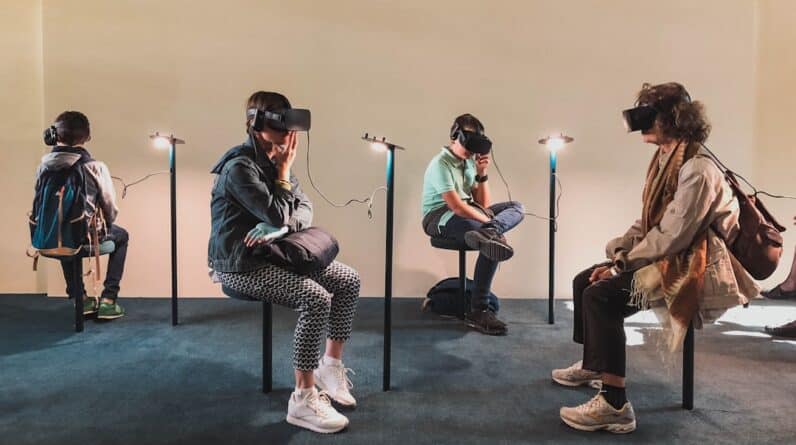
As you look ahead to the future of AI in education, it becomes clear that this technology will continue to evolve and shape the learning landscape. Innovations such as virtual reality (VR) and augmented reality (AR) are already beginning to integrate with AI systems, creating immersive learning experiences that were once unimaginable. Imagine stepping into a virtual classroom where you can explore historical events or conduct scientific experiments in real-time—this is the future that AI promises.
Moreover, as AI continues to advance, it will likely play an even more significant role in addressing diverse learning needs. With ongoing research and development, we can expect more sophisticated algorithms capable of understanding complex emotional and cognitive factors that influence learning. This could lead to even more personalized educational experiences that cater not only to academic needs but also to social-emotional development.
Embracing AI for the Future of Learning and Teaching
In conclusion, embracing AI in education presents an exciting opportunity for both learners and educators alike. As you reflect on the potential benefits—ranging from personalized learning experiences to enhanced teacher support—it becomes evident that AI has the power to transform traditional educational paradigms. However, it is crucial to approach this integration thoughtfully, considering ethical implications and addressing challenges along the way.
By fostering collaboration among educators, administrators, policymakers, and technology developers, you can help create an inclusive environment where all students have access to the benefits of AI-driven education. As we stand on the brink of this technological revolution, it is essential to remain open-minded and proactive in shaping a future where learning is enriched by artificial intelligence—a future where every student has the opportunity to thrive.
AI in Education: Revolutionizing Learning and Teaching is a fascinating topic that explores the ways in which artificial intelligence is transforming the educational landscape. For further insight into how AI works with humans, check out the article How Does AI Work with Humans?. This article delves into the intricacies of human-AI interaction and the potential benefits and challenges that come with it. Additionally, if you’re curious about the meaning of AI and its implications, be sure to read What Exactly AI Means. And for a look at the latest advancements in natural language processing, don’t miss GPT-3 and Beyond: The Latest in Natural Language Processing (NLP). These articles provide valuable insights into the world of AI and its impact on various industries, including education.
FAQs
What is AI in education?
AI in education refers to the use of artificial intelligence technologies to enhance learning and teaching processes. This can include personalized learning experiences, intelligent tutoring systems, and automated grading and assessment.
How is AI revolutionizing learning and teaching?
AI is revolutionizing learning and teaching by providing personalized learning experiences for students, automating administrative tasks for educators, and offering intelligent tutoring systems that can adapt to individual student needs.
What are some examples of AI in education?
Examples of AI in education include adaptive learning platforms that personalize learning content for students, chatbots that provide instant support to students and educators, and automated grading and assessment systems that save time for teachers.
What are the benefits of AI in education?
The benefits of AI in education include personalized learning experiences, improved student engagement, more efficient administrative tasks for educators, and the ability to analyze large amounts of data to identify learning trends and patterns.
What are the potential challenges of AI in education?
Challenges of AI in education may include concerns about data privacy and security, the need for proper training and support for educators using AI tools, and the potential for AI to exacerbate existing inequalities in education.