As urbanization continues to rise, cities around the world are grappling with the challenges of traffic congestion and inefficient transportation systems. You may have noticed that rush hour seems to stretch longer each day, with vehicles inching along at a snail’s pace. This is where artificial intelligence (AI) steps in, offering innovative solutions to enhance traffic management.
By leveraging advanced algorithms and data analytics, AI has the potential to revolutionize how we navigate our roadways, making them safer and more efficient. The integration of AI into traffic management systems is not merely a futuristic concept; it is already being implemented in various cities globally. You might be surprised to learn that AI can analyze vast amounts of data in real-time, allowing for quicker decision-making and more effective traffic control.
From optimizing traffic signals to predicting congestion patterns, AI is transforming the way we approach urban mobility. As you delve deeper into this topic, you will discover the myriad ways AI is reshaping traffic management and paving the way for smarter cities.
Key Takeaways
- Artificial Intelligence (AI) is revolutionizing traffic management by optimizing traffic flow, predicting traffic patterns, controlling traffic signals, improving safety, and integrating with public transportation systems.
- AI plays a crucial role in optimizing traffic flow by analyzing real-time data, identifying congestion patterns, and adjusting traffic signals to reduce traffic jams and improve overall traffic efficiency.
- Predictive traffic analysis using AI helps in forecasting traffic conditions, identifying potential bottlenecks, and suggesting alternative routes to minimize congestion and improve travel time for commuters.
- AI-powered smart traffic signal control systems use real-time data and machine learning algorithms to adapt signal timings based on traffic conditions, reducing wait times and improving traffic flow.
- AI has a significant impact on traffic safety and accident prevention by analyzing traffic patterns, identifying high-risk areas, and implementing measures to reduce accidents, ultimately saving lives and reducing injuries on the road.
The Role of Artificial Intelligence in Traffic Flow Optimization
Real-time Data Analysis
AI algorithms can analyze real-time data from various sources, such as cameras, sensors, and GPS devices, to identify patterns and predict traffic conditions.
Dynamic Traffic Signal Adjustment
By doing so, these systems can adjust traffic signals dynamically, ensuring that vehicles move more smoothly through intersections. Imagine a scenario where AI detects an increase in traffic volume on a particular road. Instead of waiting for a human operator to make adjustments, the AI system can automatically extend green light durations or reroute traffic to less congested areas.
A Sustainable Urban Environment
This proactive approach not only reduces travel times but also minimizes fuel consumption and emissions. As you consider the implications of such technology, it becomes clear that AI-driven traffic flow optimization can lead to a more sustainable urban environment.
The Use of Artificial Intelligence in Predictive Traffic Analysis

Predictive traffic analysis is another area where AI shines, allowing for better planning and management of transportation systems. You might wonder how cities can anticipate traffic patterns before they occur. By utilizing historical data combined with real-time information, AI can forecast potential congestion points and suggest alternative routes or solutions.
This capability is particularly valuable during special events or emergencies when traffic conditions can change rapidly. For instance, if a major concert is scheduled in your city, an AI system can analyze past attendance data and predict how many vehicles will likely converge on the venue. With this information, city planners can implement measures such as temporary road closures or increased public transportation options to alleviate congestion.
By harnessing the power of predictive analytics, you can see how cities can become more proactive rather than reactive in their approach to traffic management.
Artificial Intelligence in Smart Traffic Signal Control Systems
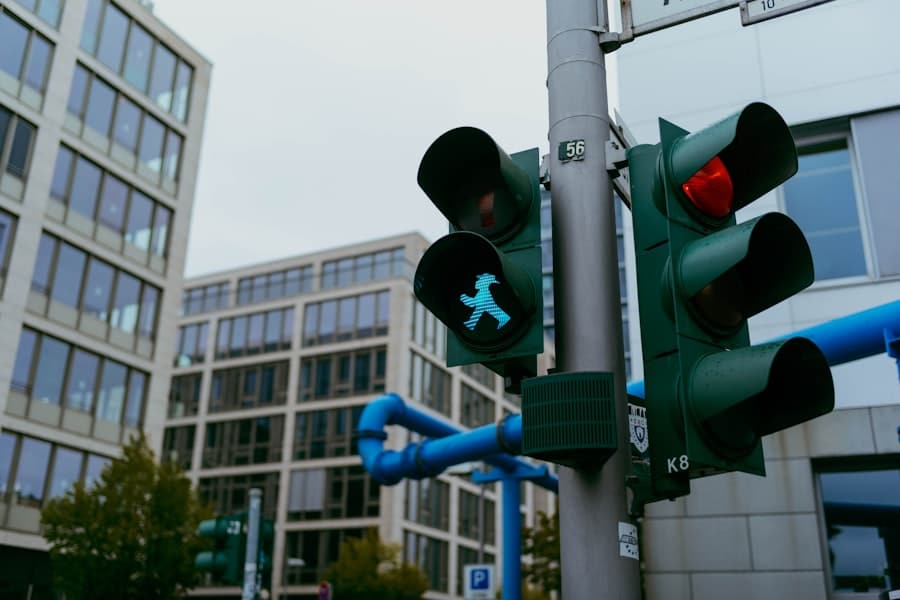
Smart traffic signal control systems are at the forefront of AI applications in traffic management. You may have noticed that some intersections seem to operate more efficiently than others, and this is often due to the implementation of AI-driven signals. These systems utilize machine learning algorithms to adapt to changing traffic conditions in real-time.
Instead of relying on fixed timing schedules, smart signals can adjust their cycles based on actual vehicle flow. Imagine approaching an intersection where the light turns green just as you arrive, allowing for a seamless transition through the intersection. This is made possible by AI systems that continuously monitor traffic patterns and adjust signal timings accordingly.
Furthermore, these smart systems can communicate with connected vehicles, providing them with information about upcoming signal changes and optimizing their speed for smoother travel. As you explore this technology further, you will appreciate how it enhances not only efficiency but also the overall driving experience.
The Impact of Artificial Intelligence on Traffic Safety and Accident Prevention
Traffic safety is a paramount concern for cities worldwide, and AI plays a crucial role in enhancing safety measures. You may have heard about the alarming statistics surrounding road accidents, which often result from human error or poor decision-making. AI technologies can help mitigate these risks by analyzing data from various sources, including accident reports and real-time traffic conditions, to identify high-risk areas and suggest preventive measures.
For example, AI can detect patterns that indicate an increased likelihood of accidents at specific intersections or road segments. By alerting authorities to these hotspots, cities can implement targeted interventions such as improved signage, enhanced lighting, or even physical changes to road layouts. Additionally, AI-powered systems can assist drivers by providing real-time alerts about potential hazards or dangerous driving conditions ahead.
As you consider the implications of these advancements, it becomes evident that AI has the potential to significantly reduce accidents and save lives on our roadways.
The Integration of Artificial Intelligence with Public Transportation Systems
Public transportation systems are essential for reducing congestion and promoting sustainable urban mobility. You may have relied on buses or trains to navigate your city, and AI is increasingly being integrated into these systems to enhance efficiency and user experience. By analyzing ridership patterns and real-time data, AI can optimize routes and schedules to better meet the needs of commuters.
Imagine a scenario where an AI system predicts a surge in demand for public transportation during peak hours. In response, it can adjust bus frequencies or deploy additional vehicles to accommodate the increased ridership. Furthermore, AI can provide passengers with real-time updates on arrival times and service disruptions through mobile applications, improving overall satisfaction with public transit options.
As you explore this integration further, you will see how AI not only enhances public transportation but also encourages more people to choose it over personal vehicles.
The Future of Artificial Intelligence in Traffic Management
As technology continues to evolve, the future of AI in traffic management looks promising. You may be curious about what lies ahead for this field as cities strive for smarter solutions to transportation challenges. One exciting development is the potential for fully autonomous vehicles that communicate with AI-driven traffic management systems.
This synergy could lead to unprecedented levels of efficiency and safety on our roads. Moreover, advancements in machine learning and data analytics will enable even more sophisticated predictive models for traffic management. You might envision a future where cities are equipped with comprehensive AI systems capable of managing not just vehicular traffic but also pedestrian flows and cycling routes seamlessly.
As urban planners embrace these innovations, you will witness a transformation in how we think about mobility and urban design.
The Benefits and Challenges of Artificial Intelligence in Traffic Management
In conclusion, the integration of artificial intelligence into traffic management presents numerous benefits that can significantly improve urban mobility. From optimizing traffic flow and enhancing safety measures to revolutionizing public transportation systems, AI has the potential to create smarter cities that prioritize efficiency and sustainability. However, as you reflect on these advancements, it is essential to acknowledge the challenges that accompany them.
Data privacy concerns, technological disparities among cities, and the need for robust infrastructure are just a few hurdles that must be addressed as we move forward with AI in traffic management. Balancing innovation with ethical considerations will be crucial in ensuring that these technologies serve all members of society equitably. As you consider the future of transportation in your own community, it becomes clear that while AI offers exciting possibilities, careful planning and collaboration will be essential in realizing its full potential.
Artificial Intelligence: The Unsung Hero in Traffic Management highlights the crucial role that AI plays in optimizing traffic flow and reducing congestion in urban areas. This article delves into how AI-powered systems can analyze real-time data to make informed decisions that improve overall traffic efficiency. For further insights into the advancements in user interfaces driven by AI, check out AI and Human-Computer Interaction: Advancing User Interfaces.
FAQs
What is artificial intelligence (AI) in the context of traffic management?
Artificial intelligence in traffic management refers to the use of advanced algorithms and machine learning techniques to analyze and optimize traffic flow, reduce congestion, and improve overall transportation efficiency.
How does AI contribute to traffic management?
AI contributes to traffic management by analyzing real-time traffic data, predicting traffic patterns, optimizing traffic signal timings, and providing insights for better infrastructure planning. It also enables the development of smart transportation systems and autonomous vehicles.
What are the benefits of using AI in traffic management?
The benefits of using AI in traffic management include reduced congestion, improved air quality, enhanced safety, optimized travel times, and better utilization of existing infrastructure. AI also enables adaptive traffic control systems that can respond to changing traffic conditions in real time.
What are some examples of AI applications in traffic management?
Some examples of AI applications in traffic management include traffic signal optimization, dynamic routing for navigation apps, predictive maintenance for transportation infrastructure, intelligent traffic monitoring and enforcement, and the development of autonomous vehicles.
What are the challenges of implementing AI in traffic management?
Challenges of implementing AI in traffic management include the need for accurate and reliable data, privacy and security concerns related to the collection and use of traffic data, integration with existing transportation systems, and public acceptance of AI-driven transportation solutions.