Artificial Intelligence (AI) has emerged as one of the most transformative technologies of our time, reshaping the way you interact with the world around you. From virtual assistants like Siri and Alexa to sophisticated algorithms that power recommendation systems on platforms like Netflix and Amazon, AI is woven into the fabric of daily life. As you navigate through your day, you may not even realize how much AI influences your decisions, enhances your productivity, and streamlines your tasks.
This technology, which mimics human cognitive functions such as learning, reasoning, and problem-solving, is not just a futuristic concept; it is a present-day reality that is continuously evolving. The rapid advancements in AI are not merely technological feats; they represent a paradigm shift in how you perceive intelligence itself. As machines become increasingly capable of performing tasks that once required human intellect, the boundaries between human and machine capabilities blur.
This evolution raises intriguing questions about the future of work, creativity, and even what it means to be human. As you delve deeper into the implications of AI, you will discover both the opportunities it presents and the challenges it poses to society at large.
Key Takeaways
- Artificial Intelligence (AI) is a rapidly advancing technology that aims to simulate human intelligence in machines.
- AI is expected to significantly impact the job market, with some jobs being automated and new jobs being created in AI-related fields.
- In healthcare, AI is being used for tasks such as medical imaging analysis, drug discovery, and personalized treatment plans.
- Businesses are increasingly using AI for automation of repetitive tasks, data analysis, and customer service.
- Ethical considerations in AI include issues such as bias in algorithms, privacy concerns, and the potential for job displacement.
Impact on the Job Market
The Decline of Routine Work
Automation powered by AI can perform repetitive tasks with greater efficiency and accuracy than humans, leading to a decline in demand for positions that involve routine work. Roles in manufacturing and data entry are increasingly being replaced by machines that can operate around the clock without fatigue.
New Opportunities Emerging
However, it is essential to recognize that while some jobs may disappear, AI also creates new opportunities. As businesses integrate AI into their operations, there is a growing need for skilled professionals who can develop, manage, and maintain these technologies. Fields such as data science, machine learning engineering, and AI ethics are experiencing significant growth.
Augmenting Human Capabilities
Moreover, AI can augment human capabilities rather than replace them entirely. By automating mundane tasks, you can focus on more complex and creative aspects of your work, leading to increased job satisfaction and productivity.
Advancements in Healthcare

In the realm of healthcare, AI is revolutionizing patient care and medical research in ways that were once unimaginable. As you consider the implications of these advancements, you may be struck by how AI-driven technologies are enhancing diagnostic accuracy and treatment efficacy. For example, machine learning algorithms can analyze medical images with remarkable precision, assisting radiologists in identifying conditions such as tumors or fractures more quickly than ever before.
This not only improves patient outcomes but also alleviates some of the burdens on healthcare professionals. Furthermore, AI is playing a crucial role in personalized medicine. By analyzing vast amounts of data from genetic profiles and patient histories, AI can help tailor treatments to individual patients’ needs.
This shift towards personalized care means that you may receive more effective treatments with fewer side effects. Additionally, AI-powered chatbots and virtual health assistants are making healthcare more accessible by providing patients with immediate information and support. As these technologies continue to evolve, they hold the potential to transform not only how you receive care but also how healthcare systems operate on a broader scale.
Automation in Business
Automation is another area where AI is making significant strides, fundamentally altering how businesses operate. As you observe companies adopting AI-driven solutions, you may notice a shift towards greater efficiency and cost-effectiveness. For instance, customer service departments are increasingly utilizing chatbots to handle inquiries and resolve issues without human intervention.
This not only reduces operational costs but also allows businesses to provide 24/7 support to their customers. Moreover, AI can optimize supply chain management by predicting demand patterns and streamlining logistics. As a result, businesses can reduce waste and improve their overall responsiveness to market changes.
However, this increased reliance on automation also raises questions about workforce displacement and the need for reskilling employees. As you navigate this evolving landscape, it becomes clear that while automation offers numerous benefits, it also necessitates a thoughtful approach to workforce management and employee development.
Ethical Considerations
As AI continues to permeate various aspects of life, ethical considerations surrounding its use become increasingly important. You may find yourself grappling with questions about bias in algorithms, data privacy, and the potential for misuse of AI technologies. For instance, if an AI system is trained on biased data, it may perpetuate existing inequalities in areas such as hiring or law enforcement.
This highlights the need for transparency and accountability in AI development to ensure that these technologies serve all members of society fairly. Additionally, as AI systems become more autonomous, ethical dilemmas arise regarding decision-making processes. For example, in situations where AI is used in autonomous vehicles or healthcare decisions, determining accountability for outcomes becomes complex.
As you engage with these ethical considerations, it is crucial to advocate for responsible AI practices that prioritize human values and societal well-being.
Education and Learning
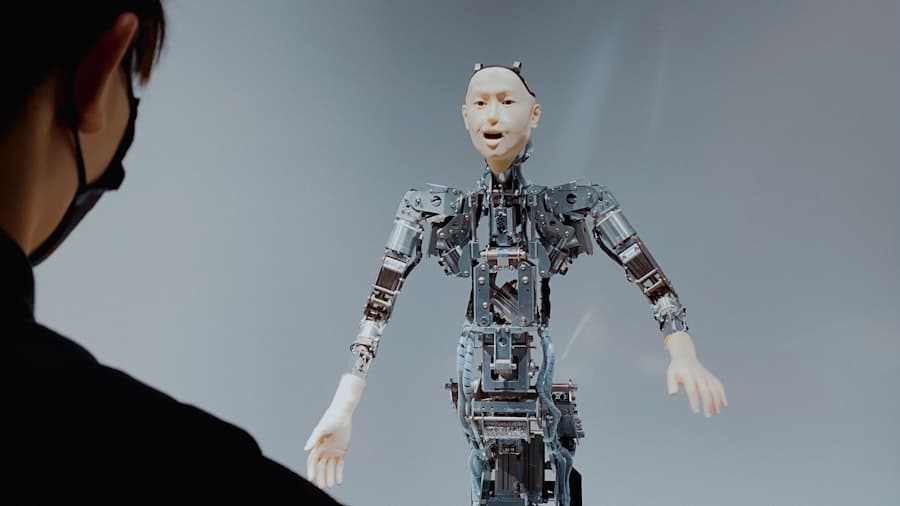
In the field of education, AI is transforming how you learn and access information. With personalized learning platforms powered by AI algorithms, educational experiences can be tailored to meet your individual needs and learning styles. These platforms analyze your progress and adapt content accordingly, ensuring that you receive the support necessary to succeed academically.
This shift towards personalized education not only enhances your learning experience but also fosters a deeper understanding of subjects. Moreover, AI can assist educators by automating administrative tasks such as grading and attendance tracking. This allows teachers to focus more on instruction and student engagement rather than being bogged down by paperwork.
As you consider the future of education, it becomes evident that AI has the potential to create more inclusive and effective learning environments that cater to diverse student populations.
Personalized User Experiences
The rise of AI has ushered in an era of personalized user experiences across various digital platforms. As you engage with websites and applications tailored to your preferences, you may notice how AI algorithms analyze your behavior to deliver content that resonates with you. Whether it’s curated playlists on music streaming services or product recommendations on e-commerce sites, these personalized experiences enhance your overall satisfaction and engagement.
Furthermore, personalization extends beyond mere recommendations; it encompasses user interfaces designed to adapt to your needs. For instance, smart home devices learn your routines and preferences over time, creating a seamless living environment that anticipates your requirements. As you embrace these personalized experiences, it’s essential to remain aware of the data privacy implications involved in sharing your information with these systems.
Security and Privacy Concerns
While the benefits of AI are undeniable, they come with significant security and privacy concerns that warrant careful consideration. As you navigate an increasingly digital world powered by AI technologies, you may find yourself questioning how your data is collected, stored, and used. The potential for data breaches and unauthorized access to personal information raises alarms about the safety of your digital footprint.
Moreover, as AI systems become more sophisticated, they can be exploited for malicious purposes such as deepfakes or automated cyberattacks. This underscores the importance of robust cybersecurity measures and ethical guidelines governing AI development and deployment. As you engage with these technologies, advocating for transparency and accountability becomes crucial in ensuring that your rights are protected in an era where AI plays an ever-growing role in society.
In conclusion, artificial intelligence is reshaping various facets of life in ways that are both exciting and challenging. From its impact on the job market to advancements in healthcare and education, AI presents opportunities for innovation while also raising ethical considerations that must be addressed. As you navigate this evolving landscape, staying informed about the implications of AI will empower you to make informed decisions about its role in your life and society at large.
Artificial intelligence is poised to revolutionize the future in countless ways, from problem-solving to making money quickly. One related article that delves into the collaboration between humans and AI in problem-solving can be found here. Additionally, another interesting read explores the concept of Emotion AI and how it can help in understanding and mimicking human feelings, which can be found here. These articles shed light on the various ways in which artificial intelligence is shaping our future.
FAQs
What is artificial intelligence (AI)?
Artificial intelligence (AI) refers to the simulation of human intelligence in machines that are programmed to think and act like humans. This includes tasks such as learning, problem-solving, and decision-making.
How will artificial intelligence change the future?
Artificial intelligence is expected to have a significant impact on various industries, including healthcare, finance, transportation, and manufacturing. It has the potential to automate repetitive tasks, improve efficiency, and enable new innovations.
What are some potential benefits of artificial intelligence?
Some potential benefits of artificial intelligence include improved productivity, better decision-making, enhanced customer experiences, and the ability to tackle complex problems more effectively.
What are some potential risks of artificial intelligence?
Potential risks of artificial intelligence include job displacement due to automation, ethical concerns related to decision-making algorithms, and the potential for misuse of AI technology for malicious purposes.
How is artificial intelligence currently being used?
Artificial intelligence is currently being used in various applications, such as virtual assistants, recommendation systems, autonomous vehicles, medical diagnosis, and predictive maintenance in manufacturing.
What are some challenges in the development of artificial intelligence?
Challenges in the development of artificial intelligence include the need for large amounts of high-quality data, the ethical implications of AI technology, and the potential for bias in AI algorithms.