


As you navigate through the complexities of modern life, you may have noticed the increasing presence of artificial intelligence (AI) in your daily activities. From virtual assistants that help manage your schedule to algorithms that recommend your next favorite movie, AI has woven itself into the fabric of human interaction. This technology is not merely a tool; it represents a significant shift in how you engage with the world around you.
The relationship between AI and humans is evolving, prompting discussions about its implications for society, productivity, and creativity. Understanding this dynamic is crucial as you consider the potential benefits and challenges that AI presents. The interaction between humans and AI is not just about efficiency; it also encompasses emotional and social dimensions.
As you explore this relationship, you will find that AI can enhance your capabilities, but it also raises questions about autonomy, ethics, and the future of work. This article delves into the multifaceted nature of AI and human interaction, examining its role in productivity, ethical considerations, and the impact on the job market.
Key Takeaways
- AI is revolutionizing human interaction by enhancing productivity and creativity.
- Ethical considerations are crucial in AI and human collaboration to ensure fair and responsible use of technology.
- The impact of AI on the job market and human labor is significant, requiring adaptation and re-skilling.
- AI and human creativity can either collaborate or compete, depending on how technology is integrated into human processes.
- Overcoming challenges in AI and human collaboration requires human oversight in AI development and implementation to ensure ethical and responsible use of technology.
The Role of AI in Enhancing Human Productivity
Data Analysis in Seconds
For instance, consider how AI-driven tools can analyze vast amounts of data in seconds, providing insights that would take you hours or even days to uncover. This capability not only streamlines your workflow but also enhances decision-making processes, enabling you to make informed choices based on real-time information.
Personalized Experiences
Moreover, AI can personalize your experience in various domains, from education to healthcare. Imagine an AI tutor that adapts to your learning style, providing tailored resources that cater to your unique needs.
Proactive Project Management
In the workplace, AI can assist in project management by predicting potential bottlenecks and suggesting solutions before issues arise. This proactive approach not only boosts productivity but also fosters a collaborative environment where human creativity can flourish alongside technological advancements.
Ethical Considerations in AI and Human Collaboration
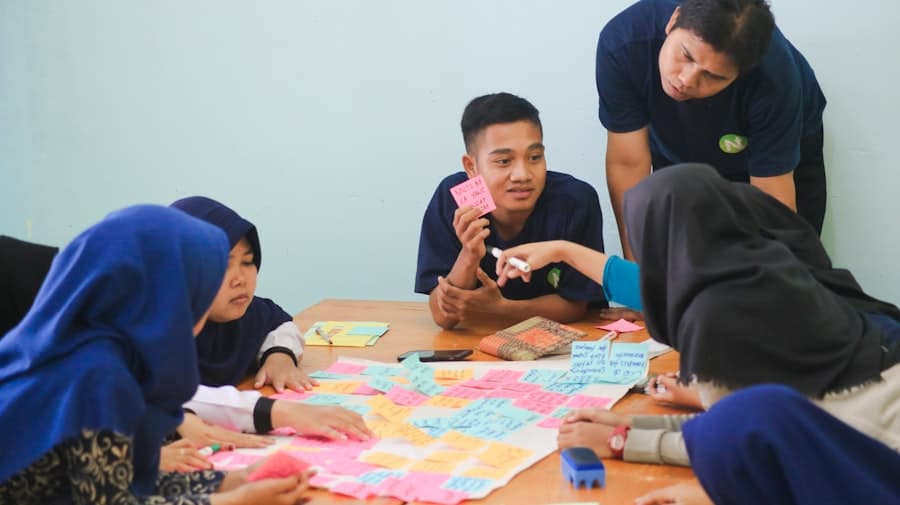
As you embrace the benefits of AI, it is essential to consider the ethical implications of this collaboration. The integration of AI into your daily life raises questions about privacy, bias, and accountability. For instance, when AI systems collect data about your preferences and behaviors, how is that information used?
Are your rights being respected? These concerns highlight the need for transparency in AI development and implementation. Furthermore, the potential for bias in AI algorithms poses significant ethical challenges.
If the data used to train these systems reflects societal prejudices, the outcomes may inadvertently perpetuate discrimination. As you engage with AI technologies, it becomes crucial to advocate for fairness and inclusivity in their design. By fostering a culture of ethical responsibility, you can help ensure that AI serves as a tool for empowerment rather than oppression.
The Impact of AI on the Job Market and Human Labor
The rise of AI has undoubtedly transformed the job market, prompting both excitement and apprehension among workers like yourself. On one hand, AI has created new opportunities in fields such as data analysis, machine learning, and robotics. These emerging roles require a blend of technical skills and human insight, emphasizing the importance of continuous learning and adaptation in your career journey.
On the other hand, the automation of certain tasks raises concerns about job displacement. As machines take over repetitive functions, you may worry about the security of your current position or the need to reskill for future employment opportunities. However, history has shown that technological advancements often lead to the creation of new jobs that we cannot yet envision.
By embracing change and investing in your skills, you can position yourself to thrive in an evolving job landscape.
AI and Human Creativity: Collaboration or Competition?
The intersection of AI and human creativity presents a fascinating landscape for exploration. As you ponder this relationship, consider whether AI serves as a collaborator or a competitor in creative endeavors. On one hand, AI-generated art and music have gained recognition for their innovative qualities, challenging traditional notions of creativity.
You may find yourself captivated by the unique perspectives that AI can bring to artistic expression. Conversely, there is a fear that AI could overshadow human creativity by producing works that are indistinguishable from those created by people. This concern raises important questions about authorship and originality.
However, rather than viewing AI as a threat, you might consider it an opportunity for collaboration. By leveraging AI tools to enhance your creative process, you can push the boundaries of what is possible and explore new avenues of expression.
The Future of AI and Human Interaction

Looking ahead, the future of AI and human interaction holds immense potential for innovation and growth. As technology continues to advance at an unprecedented pace, you can expect to see even more sophisticated AI systems that seamlessly integrate into your daily life. Imagine smart environments that anticipate your needs or virtual companions that provide emotional support during challenging times.
However, this future also necessitates careful consideration of how these technologies are developed and implemented. As you engage with emerging AI systems, it is vital to advocate for ethical practices that prioritize human well-being. By fostering a collaborative relationship between humans and machines, you can help shape a future where technology enhances rather than diminishes your quality of life.
Overcoming Challenges in AI and Human Collaboration
While the potential benefits of AI are vast, there are challenges that must be addressed to ensure successful collaboration between humans and machines. One significant hurdle is the need for effective communication between users like yourself and AI systems. As these technologies become more complex, understanding their capabilities and limitations becomes paramount.
You may find it beneficial to engage in ongoing education about AI to navigate this landscape confidently. Additionally, fostering a culture of collaboration requires addressing fears surrounding job displacement and technological dependency. By promoting open dialogue about these concerns, you can contribute to a more informed public discourse on the role of AI in society.
Encouraging interdisciplinary collaboration among technologists, ethicists, and policymakers will be essential in creating frameworks that support responsible AI development.
The Importance of Human Oversight in AI Development and Implementation
As you reflect on the relationship between humans and AI, it becomes clear that human oversight is crucial in guiding the development and implementation of these technologies. While AI can process information at incredible speeds, it lacks the emotional intelligence and ethical reasoning that humans possess. Your role as a steward of technology is vital in ensuring that AI aligns with societal values and serves the greater good.
By advocating for responsible practices in AI development, you can help mitigate risks associated with bias, privacy violations, and unintended consequences. Engaging with policymakers and industry leaders will empower you to influence decisions that shape the future of technology. Ultimately, fostering a collaborative relationship between humans and AI will require vigilance, empathy, and a commitment to ethical principles.
In conclusion, as you navigate the evolving landscape of AI and human interaction, remember that this relationship is not merely transactional; it is a partnership that holds immense potential for growth and innovation. By embracing the opportunities presented by AI while remaining mindful of ethical considerations and challenges, you can contribute to a future where technology enhances human capabilities rather than diminishes them. Your active engagement in this dialogue will shape the trajectory of AI development and its impact on society for generations to come.
If you are interested in learning more about how AI works with humans, you may want to check out the article