As you delve into the world of conservation, you may find yourself captivated by the innovative ways technology is reshaping the landscape of environmental protection. Among these advancements, artificial intelligence (AI) stands out as a powerful ally in the fight to preserve our planet’s biodiversity. The concept of an AI conservationist is not merely a futuristic dream; it is a burgeoning reality that combines cutting-edge technology with the urgent need to protect endangered species and their habitats.
By harnessing the capabilities of AI, conservationists are now able to analyze vast amounts of data, predict trends, and implement strategies that were once unimaginable. The integration of AI into conservation efforts signifies a paradigm shift in how we approach environmental challenges. You might wonder how this technology can be applied in practical terms.
From monitoring wildlife populations to predicting poaching activities, AI is revolutionizing the way we understand and interact with the natural world. As you explore this topic further, you will discover the myriad ways in which AI is not only enhancing conservation efforts but also fostering a deeper connection between humanity and nature.
Key Takeaways
- AI conservationists use advanced technology to monitor and protect endangered species and their habitats.
- Smart technology plays a crucial role in conservation efforts by providing real-time data and analysis for better decision-making.
- AI is used to track and monitor endangered species through techniques such as camera traps, satellite imagery, and acoustic monitoring.
- The benefits of using AI in conservation efforts include improved efficiency, accuracy, and the ability to process large amounts of data.
- Challenges and limitations of AI in conservation include high costs, technical complexities, and the need for human expertise in interpreting data and making ethical decisions.
The Role of Smart Technology in Conservation
In today’s digital age, smart technology plays a pivotal role in various sectors, and conservation is no exception. You may be surprised to learn that smart devices, sensors, and drones are now integral tools for conservationists. These technologies enable real-time data collection and analysis, allowing for more informed decision-making.
For instance, remote sensing technology can monitor changes in land use and habitat degradation, providing critical insights into the health of ecosystems. By utilizing these tools, you can see how conservationists are better equipped to respond to environmental threats. Moreover, smart technology facilitates collaboration among researchers, organizations, and communities.
With the ability to share data instantly across platforms, conservationists can work together more effectively than ever before. You might find it fascinating that AI algorithms can analyze data from multiple sources, identifying patterns and correlations that human analysts might overlook. This collaborative approach not only enhances the efficiency of conservation efforts but also fosters a sense of shared responsibility for protecting our planet.
How AI is used to Track and Monitor Endangered Species

One of the most significant applications of AI in conservation is its ability to track and monitor endangered species. You may be aware that traditional methods of wildlife monitoring can be labor-intensive and time-consuming. However, AI technologies such as machine learning and computer vision are transforming this process.
For example, camera traps equipped with AI algorithms can automatically identify and classify animals captured in images, significantly reducing the workload for researchers. This means that you can now gather data on species populations more efficiently than ever before. In addition to camera traps, AI can analyze audio recordings from the field to detect specific animal calls or sounds.
This acoustic monitoring allows you to track elusive species that may be difficult to observe visually. By employing these advanced techniques, conservationists can gather comprehensive data on animal behavior, migration patterns, and population dynamics. The insights gained from this information are invaluable for developing targeted conservation strategies aimed at protecting endangered species.
The Benefits of Using AI in Conservation Efforts
The benefits of incorporating AI into conservation efforts are manifold. First and foremost, AI enhances the accuracy and efficiency of data collection and analysis. You may appreciate that with traditional methods, human error can lead to inaccuracies in data interpretation.
However, AI algorithms can process vast datasets with remarkable precision, allowing for more reliable conclusions about species health and habitat conditions. Furthermore, AI enables proactive rather than reactive conservation strategies. By analyzing historical data and identifying trends, AI can help predict potential threats to wildlife populations before they become critical issues.
For instance, machine learning models can forecast poaching activities based on environmental factors and historical patterns. This predictive capability empowers conservationists to allocate resources more effectively and implement preventative measures that can save countless lives.
Challenges and Limitations of AI in Conservation
Despite its many advantages, the use of AI in conservation is not without challenges and limitations. One significant concern is the reliance on high-quality data for training AI models. You may recognize that if the data used is biased or incomplete, it can lead to flawed predictions and ineffective strategies.
Ensuring that data collection methods are robust and representative is crucial for the success of AI-driven conservation efforts. Another challenge lies in the accessibility of technology in remote or underfunded regions where many endangered species reside. While urban areas may benefit from advanced AI tools, rural communities often lack the necessary infrastructure to implement these technologies effectively.
As you consider these limitations, it becomes clear that addressing disparities in access to technology is essential for equitable conservation efforts worldwide.
Success Stories of AI Conservationist
As you explore the impact of AI on conservation, you’ll encounter inspiring success stories that highlight its potential. One notable example is the use of AI in combating rhino poaching in South Africa. Conservationists have employed machine learning algorithms to analyze patterns in poaching incidents, allowing them to deploy anti-poaching units more strategically.
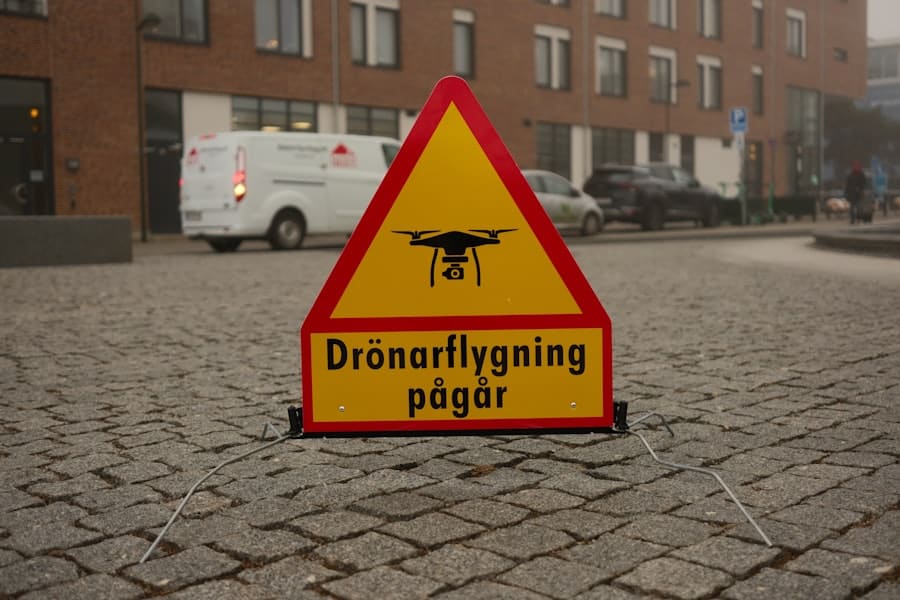
As a result, there has been a significant reduction in rhino poaching rates in certain areas, showcasing how technology can make a tangible difference in protecting endangered species. Another success story involves the use of drones equipped with AI for monitoring wildlife populations in remote regions. In Madagascar, researchers have utilized drones to survey lemur habitats and assess population health without disturbing the animals.
This innovative approach has provided valuable insights into lemur behavior and habitat use while minimizing human impact on their environment. These examples illustrate how AI is not just a theoretical concept but a practical tool that is yielding positive outcomes for conservation efforts around the globe.
The Future of AI in Endangered Species Conservation
Looking ahead, the future of AI in endangered species conservation appears promising. As technology continues to evolve, you can expect even more sophisticated applications that will enhance our understanding of ecosystems and wildlife behavior. For instance, advancements in natural language processing may enable AI systems to analyze scientific literature and extract relevant information more efficiently than ever before.
This could lead to faster dissemination of knowledge and improved collaboration among researchers. Moreover, as public awareness of environmental issues grows, there will likely be increased investment in AI-driven conservation initiatives. You may find it encouraging that organizations are beginning to recognize the value of integrating technology into their conservation strategies.
With continued support and innovation, AI has the potential to revolutionize how we approach biodiversity preservation and ensure a sustainable future for our planet’s most vulnerable species.
Ethical Considerations and the Human Element in AI Conservation Efforts
While the benefits of AI in conservation are undeniable, it is essential to consider the ethical implications of relying on technology in this field. You may ponder questions about data privacy, surveillance, and the potential for misuse of information collected through AI systems. Striking a balance between technological advancement and ethical responsibility is crucial for maintaining public trust and ensuring that conservation efforts are conducted transparently.
Additionally, it is vital to remember that while AI can provide valuable insights and support decision-making processes, it should not replace the human element in conservation efforts. You might reflect on the importance of local communities’ knowledge and experiences when implementing conservation strategies. Engaging with indigenous populations and stakeholders ensures that solutions are culturally sensitive and effective in addressing local needs.
In conclusion, as you navigate the intersection of technology and conservation, it becomes evident that AI has emerged as a transformative force in protecting endangered species and their habitats. By embracing smart technology while remaining mindful of ethical considerations, you can contribute to a future where both humanity and nature thrive together harmoniously.
In a related article titled AI for Social Good: Using Artificial Intelligence to Address Humanitarian Issues, the focus shifts to how AI technology can be utilized to tackle pressing global challenges and humanitarian crises. This article delves into the various ways in which AI can be harnessed to address issues such as poverty, healthcare access, and disaster response. Just like The AI Conservationist aims to protect endangered species through smart technology, this article explores the potential of AI to make a positive impact on society and improve the lives of people in need.
FAQs
What is AI conservation technology?
AI conservation technology refers to the use of artificial intelligence (AI) and smart technology to monitor, track, and protect endangered species and their habitats. This technology can include drones, camera traps, acoustic monitoring devices, and data analysis software.
How does AI conservation technology help save endangered species?
AI conservation technology helps save endangered species by providing real-time monitoring of their habitats, identifying threats such as poaching and deforestation, and collecting data to inform conservation efforts. This technology can also help researchers and conservationists make more informed decisions about how to protect and manage endangered species and their environments.
What are some examples of AI conservation technology in action?
Examples of AI conservation technology in action include the use of drones to monitor and track wildlife, camera traps with AI-powered image recognition to identify and count species, acoustic monitoring devices to track animal sounds, and data analysis software to process and interpret large amounts of ecological data.
What are the benefits of using AI conservation technology?
The benefits of using AI conservation technology include more efficient and accurate monitoring of endangered species and their habitats, improved data collection and analysis, better understanding of ecological systems, and the ability to respond more quickly to threats and conservation challenges.
What are the challenges of using AI conservation technology?
Challenges of using AI conservation technology include the high cost of implementing and maintaining the technology, the need for specialized training and expertise to use and interpret the data, and potential ethical and privacy concerns related to the use of surveillance technology in natural environments.