As you delve into the world of music, you may have noticed a significant shift in how music is created and produced. The advent of artificial intelligence (AI) has revolutionized the landscape of music production and composition, offering innovative tools and techniques that were once unimaginable. AI is not merely a trend; it represents a profound transformation in the way artists, producers, and composers approach their craft.
By harnessing the power of algorithms and machine learning, you can now explore new creative avenues that enhance your musical expression. The integration of AI into music production has opened up a realm of possibilities, allowing you to experiment with sounds, structures, and styles that may have previously been out of reach. Whether you are a seasoned musician or an aspiring composer, AI tools can assist you in generating ideas, refining your work, and even producing entire tracks.
This article will guide you through the multifaceted impact of AI on music production and composition, examining its implications for traditional processes, the role it plays in songwriting, the tools available, and the ethical considerations that arise from its use.
Key Takeaways
- AI is revolutionizing music production and composition by offering new tools and techniques for musicians and producers.
- AI is streamlining traditional music production processes by automating tasks such as mixing, mastering, and sound design.
- AI is playing a significant role in music composition and songwriting by generating melodies, harmonies, and even lyrics.
- There are various AI tools and software available for music production and composition, including virtual instruments, sample libraries, and music creation platforms.
- Ethical and legal considerations in AI-generated music, such as copyright issues and the authenticity of AI-created music, need to be carefully addressed and regulated.
The Impact of AI on Traditional Music Production Processes
As you explore the traditional music production process, you may find that it has long been characterized by a series of time-consuming steps, from recording to mixing and mastering. However, the introduction of AI has streamlined these processes, enabling you to achieve professional-quality results with greater efficiency. For instance, AI-driven software can analyze audio tracks and suggest optimal mixing settings, allowing you to focus more on your creative vision rather than getting bogged down in technical details.
Moreover, AI can assist in automating repetitive tasks that often consume valuable time during production. You might find that tasks such as beat matching, tempo adjustments, and even sound selection can be handled by intelligent algorithms. This not only speeds up the workflow but also allows you to experiment with different elements without the fear of losing precious hours to tedious adjustments.
As a result, you can dedicate more time to honing your artistic expression and exploring new musical ideas.
The Role of AI in Music Composition and Songwriting
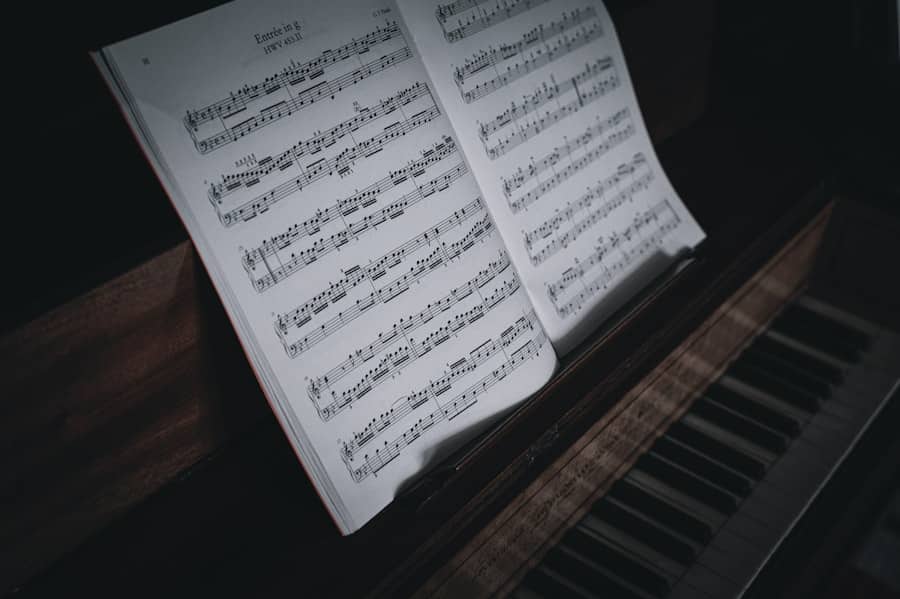
When it comes to composition and songwriting, AI has emerged as a powerful collaborator. You may be surprised to learn that AI can generate melodies, harmonies, and even lyrics based on specific parameters you set. This capability allows you to break through creative blocks and discover new musical ideas that you might not have considered otherwise.
By inputting certain styles or themes into an AI system, you can receive a plethora of suggestions that inspire your songwriting process. Additionally, AI can analyze existing music to identify trends and patterns that resonate with listeners. This data-driven approach can inform your songwriting decisions, helping you craft songs that are more likely to connect with your audience.
While some may argue that this takes away from the authenticity of human creativity, others see it as an opportunity to enhance their artistic expression by blending human intuition with machine-generated insights. Ultimately, AI serves as a tool that complements your creativity rather than replacing it.
AI Tools and Software for Music Production and Composition
As you navigate the landscape of AI in music production, you’ll encounter a variety of tools and software designed to enhance your creative process. Programs like Amper Music and AIVA (Artificial Intelligence Virtual Artist) allow you to create original compositions by simply inputting parameters such as genre, mood, and instrumentation. These platforms utilize advanced algorithms to generate music that aligns with your specifications, providing a unique starting point for your projects.
In addition to composition tools, there are also AI-driven plugins for digital audio workstations (DAWs) that can assist with mixing and mastering. For example, LANDR offers automated mastering services that analyze your track and apply professional-grade adjustments in real-time. This means you can achieve polished results without needing extensive knowledge of audio engineering.
By incorporating these AI tools into your workflow, you can elevate your music production process and unlock new levels of creativity.
Ethical and Legal Considerations in AI-Generated Music
As you embrace the capabilities of AI in music creation, it’s essential to consider the ethical and legal implications that accompany this technology. One significant concern revolves around copyright issues related to AI-generated music. If an AI system creates a piece of music based on existing works or styles, questions arise about ownership and intellectual property rights.
You may wonder whether the creator of the AI or the user who inputs parameters holds the rights to the generated music. Furthermore, there are ethical considerations regarding the authenticity of music created with AI assistance. Some argue that relying on algorithms diminishes the human element of creativity, while others believe that it opens up new avenues for artistic expression.
As an artist or producer, it’s crucial to navigate these discussions thoughtfully and consider how your use of AI aligns with your values and artistic vision.
The Future of AI in Music Production and Composition
Looking ahead, the future of AI in music production and composition appears promising yet complex. As technology continues to evolve, you can expect even more sophisticated tools that enhance your creative capabilities. Imagine AI systems that not only generate music but also adapt to your unique style over time, learning from your preferences and evolving alongside your artistic journey.
Moreover, as AI becomes more integrated into the music industry, collaboration between human artists and machines will likely become more commonplace. You may find yourself working alongside AI as a co-creator rather than viewing it as a separate entity. This shift could lead to entirely new genres and styles emerging from the fusion of human creativity and machine intelligence.
Embracing this future means remaining open to experimentation and innovation while staying true to your artistic identity.
Case Studies: Successful Implementation of AI in Music Creation
To illustrate the impact of AI on music creation, consider some notable case studies where artists have successfully integrated AI into their work. One prominent example is the collaboration between musician Taryn Southern and an AI program called Amper Music. Southern used Amper to compose tracks for her album “I AM AI,” showcasing how AI can serve as a valuable partner in the creative process.
By blending her artistic vision with Amper’s capabilities, she produced a unique sound that resonated with audiences. Another compelling case is the use of OpenAI’s MuseNet, which can generate compositions across various genres by analyzing vast amounts of musical data. Musicians have utilized MuseNet to create original pieces or enhance their existing work by incorporating unexpected elements generated by the AI.
These examples highlight how artists are leveraging AI not just as a tool but as an integral part of their creative journey.
Embracing the AI Revolution in Music
As you reflect on the transformative role of AI in music production and composition, it’s clear that this technology is reshaping the industry in profound ways. While challenges related to ethics and legality remain, the potential for innovation and creativity is immense. By embracing AI as a collaborative partner rather than a replacement for human artistry, you can unlock new dimensions of musical expression.
The future holds exciting possibilities for those willing to explore the intersection of technology and creativity. As you continue your journey in music production and composition, consider how you can integrate AI into your workflow while staying true to your unique voice as an artist. The revolution is here—embrace it, experiment with it, and let it inspire your next musical masterpiece.
AI’s Sonic Boom: Revolutionizing Music Production and Composition explores the ways in which artificial intelligence is transforming the music industry. This article delves into how AI algorithms are being used to create innovative and unique sounds, revolutionizing the way music is produced and composed. For more information on how AI is making complex algorithms understandable to humans, check out this related article.
FAQs
What is AI’s role in music production and composition?
AI, or artificial intelligence, is revolutionizing music production and composition by providing tools and software that can analyze, generate, and manipulate musical elements such as melody, harmony, rhythm, and timbre. AI can also assist in tasks such as sound design, mixing, and mastering.
How does AI impact the music industry?
AI is impacting the music industry by streamlining the music production process, enabling musicians and producers to create music more efficiently and creatively. AI also has the potential to democratize music creation by providing accessible tools for aspiring musicians and composers.
What are some examples of AI tools used in music production?
Examples of AI tools used in music production include AI-powered plugins for digital audio workstations (DAWs), virtual instruments that can generate music autonomously, and software that can analyze and categorize music samples for easier organization and manipulation.
What are the benefits of using AI in music production and composition?
The benefits of using AI in music production and composition include increased efficiency, access to new creative possibilities, and the ability to automate repetitive tasks. AI can also assist in generating musical ideas and providing inspiration for musicians and composers.
Are there any concerns or challenges associated with AI in music production?
Some concerns and challenges associated with AI in music production include the potential loss of human creativity and expression, ethical considerations regarding the use of AI-generated music, and the need for musicians and producers to adapt to new technologies and workflows.