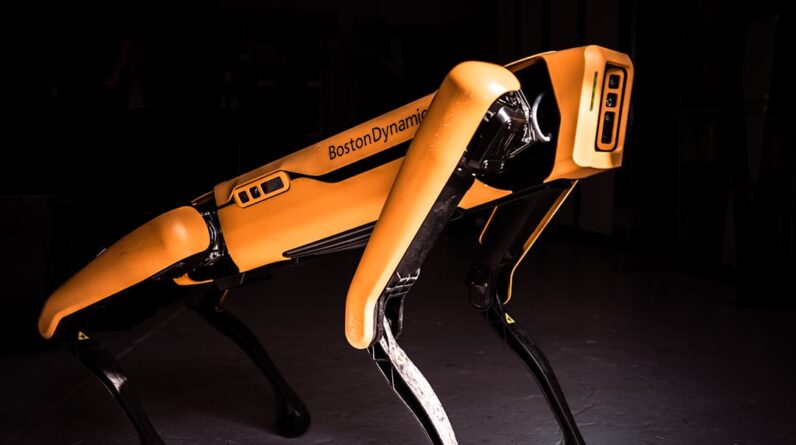
As you navigate through the rapidly evolving landscape of technology, you may have noticed a significant shift in how artificial intelligence (AI) is becoming an integral part of everyday life. The term “AI takeover” often evokes images of robots replacing humans in various sectors, but the reality is more nuanced. AI is not merely a replacement for human labor; it is a transformative force that reshapes industries, enhances productivity, and alters the very fabric of work itself.
As you delve deeper into this phenomenon, it becomes clear that understanding AI’s implications is crucial for both individuals and society as a whole. The rise of AI technologies has sparked a debate about their potential benefits and drawbacks. On one hand, AI can streamline processes, reduce costs, and improve efficiency across various sectors.
On the other hand, it raises concerns about job security and the future of work. As you consider these dynamics, it’s essential to recognize that the AI takeover is not just about machines taking over jobs; it’s about how you can adapt to a world where AI plays an increasingly prominent role. This article will explore the multifaceted impact of AI on the job market, the types of jobs at risk, and the strategies you can employ to thrive in this new environment.
Key Takeaways
- AI is rapidly advancing and has the potential to significantly impact the job market.
- Many jobs are at risk of becoming obsolete due to AI advancements, particularly those that involve repetitive tasks.
- Automation plays a significant role in displacing workers from their jobs as AI technology continues to improve.
- The future of work in the age of AI will require workers to adapt and acquire new skills through reskilling and upskilling opportunities.
- Adapting to the changing job landscape will require strategies such as embracing new technologies and focusing on ethical and social implications of AI-driven job displacement.
The Impact of Artificial Intelligence on the Job Market
The influence of artificial intelligence on the job market is profound and far-reaching. As you observe industries adopting AI technologies, you may notice a shift in job roles and responsibilities. AI systems can analyze vast amounts of data at unprecedented speeds, enabling businesses to make informed decisions quickly.
This capability not only enhances productivity but also creates new opportunities for innovation. However, as companies leverage AI to optimize their operations, they may also reduce their reliance on human labor for certain tasks. You might find it interesting to note that while some jobs are being automated, new roles are emerging that require a different set of skills.
For instance, positions in data analysis, machine learning, and AI ethics are on the rise as organizations seek to harness the power of these technologies responsibly. The challenge lies in navigating this transition effectively. As you consider your career path, it’s essential to stay informed about industry trends and be proactive in acquiring skills that align with the evolving demands of the job market.
Jobs at Risk of Obsolescence Due to AI Advancements

As you reflect on the types of jobs that may be at risk due to advancements in AI, it becomes evident that routine and repetitive tasks are particularly vulnerable. Roles in manufacturing, data entry, and even customer service are increasingly being automated as AI systems become more sophisticated. For example, chatbots can handle basic customer inquiries, reducing the need for human representatives in certain situations.
This shift can lead to job displacement for those whose roles primarily involve repetitive tasks. However, it’s important to recognize that not all jobs are equally at risk. Positions that require creativity, emotional intelligence, and complex problem-solving are less likely to be fully automated.
As you assess your own career trajectory, consider how your skills align with these more resilient roles. By focusing on developing competencies that complement AI technologies rather than compete with them, you can position yourself for success in an evolving job landscape.
The Role of Automation in Job Displacement
Automation plays a pivotal role in the displacement of jobs as AI technologies advance. As you observe industries adopting automated solutions, you may notice a trend toward increased efficiency and cost savings. For instance, in manufacturing, robots can perform tasks with precision and speed that far exceed human capabilities.
This shift not only enhances productivity but also raises questions about the future of human labor in these environments. While automation can lead to job loss in certain sectors, it also has the potential to create new opportunities in others. As businesses invest in automation technologies, they often require skilled workers to design, maintain, and oversee these systems.
This means that while some jobs may disappear, new roles focused on technology management and oversight will emerge. As you consider your own career path, think about how you can leverage automation to enhance your skill set and remain relevant in a changing job market.
The Future of Work in the Age of AI
Looking ahead, the future of work in the age of AI presents both challenges and opportunities for you as a worker. The integration of AI into various industries is likely to continue reshaping job roles and responsibilities. You may find that traditional career paths are becoming less linear as new fields emerge and existing ones evolve.
This dynamic environment requires adaptability and a willingness to embrace change. Moreover, the future of work will likely emphasize collaboration between humans and machines. As AI takes over routine tasks, you may have more time to focus on higher-level responsibilities that require critical thinking and creativity.
This shift could lead to more fulfilling work experiences as you engage in tasks that leverage your unique human capabilities. To thrive in this future landscape, it’s essential to cultivate a mindset of lifelong learning and adaptability.
Reskilling and Upskilling Opportunities for Workers

In light of the changes brought about by AI advancements, reskilling and upskilling have become essential strategies for workers like you who want to remain competitive in the job market. Reskilling involves learning new skills to transition into different roles or industries, while upskilling focuses on enhancing existing skills to keep pace with technological advancements. Both approaches are vital as you navigate an increasingly automated world.
Many organizations recognize the importance of investing in their workforce’s development and are offering training programs to help employees adapt to new technologies. You may find opportunities through online courses, workshops, or company-sponsored training initiatives that focus on emerging skills such as data analysis, programming, or digital marketing. By actively seeking out these opportunities, you can position yourself as a valuable asset in your organization and increase your employability in a rapidly changing job landscape.
Ethical and Social Implications of AI-Driven Job Displacement
As you consider the implications of AI-driven job displacement, it’s crucial to address the ethical and social dimensions of this transformation. The rapid pace of technological change raises questions about equity and access to opportunities. For instance, workers in lower-skilled positions may face greater challenges in adapting to an automated workforce compared to those with higher education levels or specialized skills.
This disparity can exacerbate existing inequalities within society. Furthermore, there are ethical considerations surrounding the deployment of AI technologies in the workplace. As companies increasingly rely on algorithms for hiring decisions or performance evaluations, concerns about bias and fairness come to the forefront.
You may find it essential to advocate for transparency and accountability in how AI systems are implemented within organizations. By engaging in discussions about ethical practices in AI deployment, you can contribute to shaping a future where technology serves as a tool for empowerment rather than exclusion.
Strategies for Adapting to the Changing Job Landscape
To successfully navigate the changing job landscape shaped by AI advancements, you can adopt several strategies that will enhance your resilience and adaptability. First and foremost, cultivating a growth mindset is essential. Embrace challenges as opportunities for learning and development rather than viewing them as obstacles.
This mindset will empower you to seek out new experiences and continuously improve your skills. Networking is another critical strategy for adapting to change. Building connections within your industry can provide valuable insights into emerging trends and opportunities for collaboration.
Attend industry events, join professional organizations, or engage with online communities related to your field. By expanding your network, you can gain access to resources and support that will help you navigate your career path effectively. Additionally, consider setting specific career goals that align with your interests and aspirations in an AI-driven world.
Whether it’s pursuing further education or seeking mentorship from industry leaders, having clear objectives will guide your efforts as you adapt to new challenges. By taking proactive steps toward your professional development, you can position yourself for success in an ever-evolving job market. In conclusion, as you reflect on the implications of the AI takeover on the job market, it’s clear that both challenges and opportunities lie ahead.
By understanding the impact of AI on various industries and actively seeking reskilling opportunities, you can navigate this transformative landscape with confidence. Embrace change as a catalyst for growth and remain committed to lifelong learning as you adapt to the future of work in an age defined by artificial intelligence.
In a related article on AI Lab 360, AI in Agriculture: Smart Farming and Sustainable Practices, explores how artificial intelligence is revolutionizing the agricultural industry by optimizing farming practices and promoting sustainability. As technology continues to advance, AI is increasingly being used to improve crop yields, reduce waste, and enhance overall efficiency in farming operations. This article highlights the potential impact of AI on the agricultural sector and how it is reshaping the future of food production.
FAQs
What is the AI takeover?
The AI takeover refers to the increasing use of artificial intelligence and automation in various industries, leading to the potential obsolescence of certain jobs.
What are some jobs that will soon be obsolete due to AI?
Some jobs that are at risk of becoming obsolete due to AI include telemarketers, data entry clerks, cashiers, and assembly line workers.
How is AI contributing to job obsolescence?
AI is contributing to job obsolescence by automating repetitive tasks, improving efficiency, and reducing the need for human labor in certain roles.
What are the potential impacts of AI on the workforce?
The potential impacts of AI on the workforce include job displacement, the need for retraining and upskilling, and the creation of new job opportunities in AI-related fields.
What can workers do to prepare for the AI takeover?
Workers can prepare for the AI takeover by acquiring new skills, staying updated on industry trends, and being open to retraining or transitioning into AI-related roles.
Is the AI takeover inevitable?
The extent of the AI takeover and its impact on jobs is still a topic of debate. While some jobs may become obsolete, new opportunities in AI-related fields are also emerging.