Timekeeping has undergone a remarkable transformation throughout human history, evolving from rudimentary methods to sophisticated technologies that govern our daily lives. In ancient civilizations, people relied on the natural rhythms of the sun and moon to mark the passage of time. Sundials and water clocks were among the earliest devices used to measure time, providing a basic framework for organizing daily activities.
As societies advanced, so did their methods of timekeeping. The invention of mechanical clocks in the Middle Ages marked a significant leap forward, allowing for more precise measurement and greater synchronization of daily life. Fast forward to the present day, and we find ourselves in an era dominated by digital technology.
The advent of atomic clocks has revolutionized our understanding of time, providing unprecedented accuracy that is essential for various applications, from GPS navigation to telecommunications. As we continue to innovate, artificial intelligence (AI) is emerging as a powerful tool in the realm of timekeeping. This evolution not only reflects our quest for precision but also highlights the growing intersection between technology and our perception of time.
As you delve deeper into this topic, you will discover how AI is reshaping our relationship with time and what that means for the future.
Key Takeaways
- Timekeeping has evolved over centuries, from sundials to atomic clocks, and now includes AI technology.
- AI plays a crucial role in improving the accuracy and efficiency of time measurement, leading to better productivity and decision-making.
- AI timekeeping can significantly impact productivity by automating tasks, reducing errors, and providing real-time insights.
- AI timekeeping is integrated into daily life through smart devices, apps, and systems, making time management more convenient and personalized.
- The psychological effects of AI timekeeping include both positive aspects, such as reducing stress, and negative aspects, such as dependency and loss of autonomy.
The Role of AI in Time Measurement
Optimizing Schedules and Decision-Making
AI systems can optimize scheduling by predicting traffic patterns or analyzing historical data to suggest the best times for meetings or travel. This capability not only enhances efficiency but also allows you to make more informed decisions about how to allocate your time.
Unifying Timekeeping Across Platforms
Moreover, AI can assist in synchronizing various timekeeping systems across different platforms. In a world where remote work and global collaboration are becoming the norm, having a unified understanding of time is crucial.
Bridging Time Zone Gaps and Cultural Perceptions
AI can help bridge the gaps between different time zones and cultural perceptions of time, ensuring that everyone is on the same page. As you navigate through your daily tasks, you may find that AI-driven tools are streamlining your schedule, making it easier to manage your commitments and responsibilities.
The Impact of AI Timekeeping on Productivity
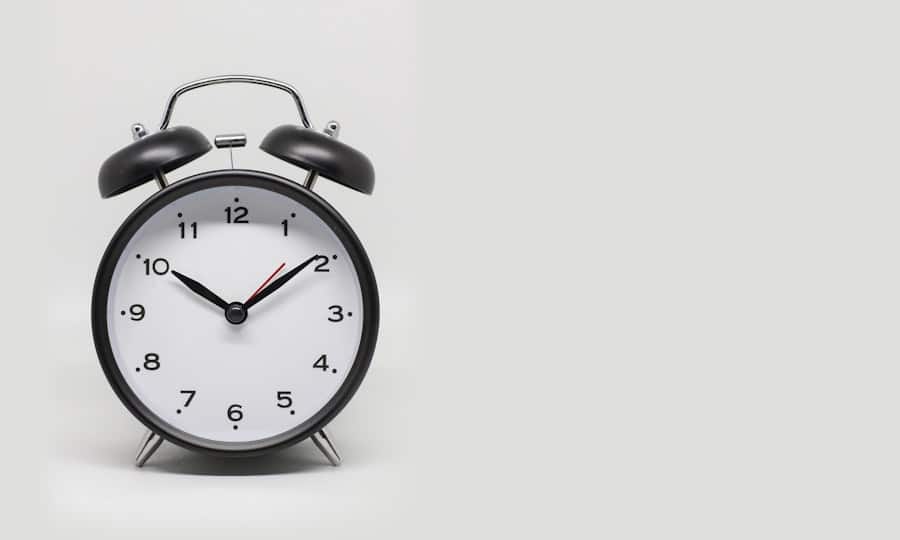
The integration of AI into timekeeping has profound implications for productivity. With AI tools at your disposal, you can automate mundane tasks such as scheduling meetings or setting reminders, freeing up valuable mental space for more creative endeavors. Imagine a world where your calendar is intelligently managed by an AI assistant that understands your preferences and priorities.
This level of automation not only saves time but also reduces the cognitive load associated with planning and organization. Furthermore, AI can provide insights into how you spend your time, helping you identify areas for improvement. By analyzing your work habits and routines, AI can suggest adjustments that may enhance your efficiency.
For example, if you tend to be most productive during certain hours of the day, AI can recommend scheduling your most challenging tasks during those peak times. This personalized approach to time management empowers you to take control of your productivity and make the most of each day.
AI Timekeeping in Daily Life
Incorporating AI into your daily life has never been easier, thanks to the proliferation of smart devices and applications designed to assist with time management. From smartwatches that track your activities to mobile apps that remind you of important deadlines, AI is seamlessly integrated into your routine. These tools not only help you stay organized but also encourage healthier habits by reminding you to take breaks or engage in physical activity.
Moreover, AI-driven virtual assistants like Siri or Google Assistant can help you manage your schedule with voice commands, making it even more convenient to stay on top of your commitments. You can ask these assistants to set reminders, check your calendar, or even provide traffic updates before you head out for an appointment. This level of accessibility ensures that you are always aware of how your time is being spent and allows you to make adjustments on the fly.
The Psychological Effects of AI Timekeeping
While the benefits of AI timekeeping are evident, it is essential to consider its psychological effects on individuals. The constant connectivity and real-time updates provided by AI can lead to a heightened sense of urgency and pressure to be productive at all times. As you become accustomed to instant notifications and reminders, it may become challenging to disconnect and enjoy moments of leisure without feeling guilty about unproductive time.
Additionally, the reliance on AI for time management can create a paradox where you feel both empowered and overwhelmed. On one hand, having access to sophisticated tools can enhance your efficiency; on the other hand, the fear of missing out or falling behind can lead to anxiety. It is crucial to strike a balance between leveraging AI for productivity and allowing yourself the freedom to step back and enjoy life without the constant ticking of the clock in your mind.
Ethical and Privacy Concerns
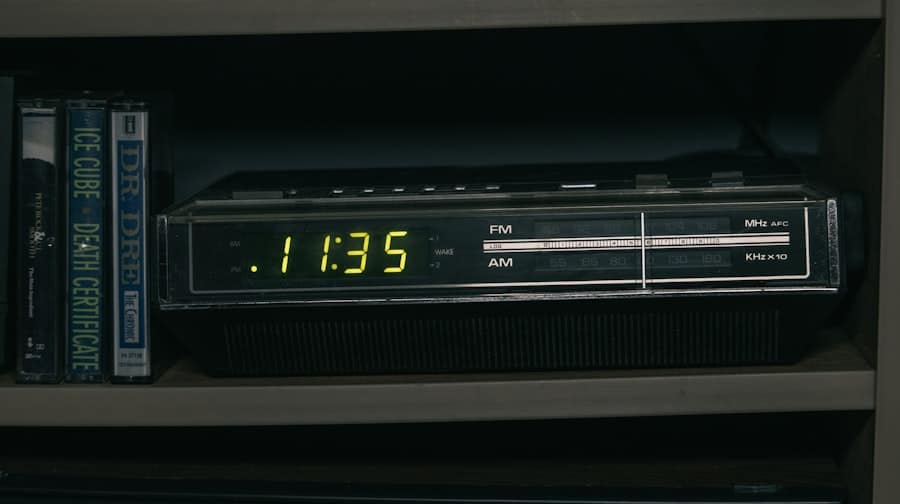
As with any technological advancement, the rise of AI in timekeeping raises ethical and privacy concerns that cannot be overlooked. The collection and analysis of personal data are central to how AI systems operate, leading to questions about who has access to this information and how it is used. You may find yourself wondering whether your daily routines and habits are being monitored without your consent or if this data could be exploited for commercial gain.
Moreover, there is a risk that reliance on AI could lead to a loss of autonomy in managing your own time. As algorithms dictate how you should allocate your hours, there is a potential for diminishing personal agency in decision-making processes. It is essential to advocate for transparency in how AI systems operate and ensure that ethical guidelines are established to protect individual privacy while still reaping the benefits of technological advancements.
The Future of AI Timekeeping
Looking ahead, the future of AI timekeeping holds exciting possibilities as technology continues to evolve. We may see even more sophisticated algorithms capable of predicting not just when tasks should be completed but also how long they will take based on individual performance patterns. This level of personalization could revolutionize how you approach your daily schedule, allowing for a more tailored experience that aligns with your unique work style.
Additionally, as society becomes increasingly aware of mental health and well-being, future AI systems may incorporate features designed to promote work-life balance. Imagine an AI that not only helps you manage your tasks but also encourages regular breaks or mindfulness practices throughout the day. By prioritizing holistic well-being alongside productivity, these advancements could lead to a healthier relationship with time.
Embracing the AI Timekeeper
In conclusion, the evolution of timekeeping through artificial intelligence presents both opportunities and challenges that are reshaping our relationship with time. As you navigate this new landscape, it is essential to embrace the benefits while remaining mindful of the potential pitfalls associated with reliance on technology. By leveraging AI tools thoughtfully, you can enhance your productivity and streamline your daily life without sacrificing personal agency or well-being.
As we move forward into an era where AI becomes an integral part of our time management strategies, it is crucial to advocate for ethical practices that prioritize privacy and individual autonomy. By doing so, you can ensure that the future of AI timekeeping serves not only as a tool for efficiency but also as a means to enrich your life experiences. Embrace the possibilities that lie ahead while remaining grounded in what truly matters—your time is yours to shape as you see fit.
In a related article on AI Lab 360, “AI in Gaming: How Intelligent Systems Enhance Player Experiences,” explores the ways in which artificial intelligence is revolutionizing the gaming industry. By utilizing AI algorithms, game developers are able to create more immersive and personalized experiences for players. This article delves into the various applications of AI in gaming and how it is reshaping the way we interact with virtual worlds. To learn more about the impact of AI in gaming, check out the article here.
FAQs
What is the AI Timekeeper?
The AI Timekeeper is a revolutionary technology that uses artificial intelligence to measure and perceive time in a new way. It aims to redefine our understanding of time and how it is measured.
How does the AI Timekeeper work?
The AI Timekeeper uses advanced algorithms and machine learning to analyze and interpret various data points to measure time more accurately. It can also adapt to different contexts and environments to provide more precise time measurements.
What are the potential applications of the AI Timekeeper?
The AI Timekeeper has the potential to be used in a wide range of applications, including scientific research, industrial processes, financial markets, and even in everyday consumer products. It could also have implications for how we understand and perceive time in our daily lives.
How does the AI Timekeeper differ from traditional timekeeping methods?
Traditional timekeeping methods rely on standardized clocks and measurements, while the AI Timekeeper has the ability to adapt and learn from its environment, making it more flexible and potentially more accurate in various situations.
What are the benefits of the AI Timekeeper?
The AI Timekeeper has the potential to improve the accuracy and precision of time measurements, leading to advancements in various fields such as scientific research, technology, and industry. It could also lead to new insights into the nature of time itself.