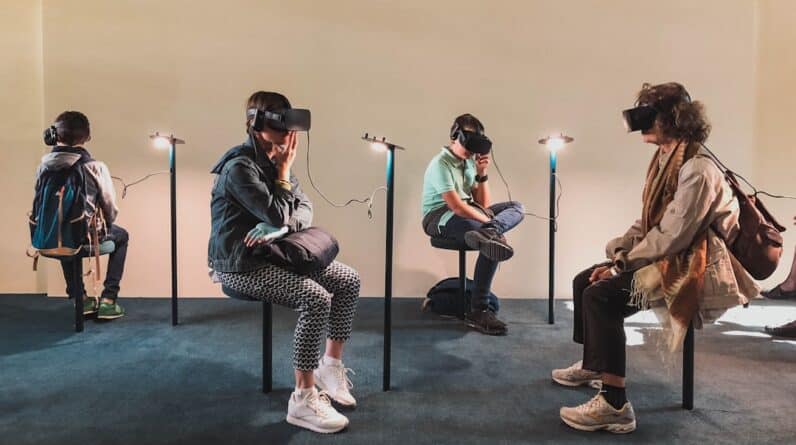
As you look ahead to the next decade, the landscape of artificial intelligence (AI) is poised for transformative changes that will redefine how you interact with technology. The rapid evolution of AI is not merely a trend; it is a fundamental shift that will permeate various aspects of your daily life. From smart assistants that anticipate your needs to algorithms that enhance decision-making processes, AI is set to become an integral part of your existence.
The next ten years promise to bring innovations that will not only improve efficiency but also challenge your perceptions of intelligence and autonomy. In this era of unprecedented technological advancement, you may find yourself grappling with the implications of AI on society. As machines become increasingly capable of performing tasks traditionally reserved for humans, questions about the nature of work, creativity, and even emotional intelligence will arise.
The integration of AI into your life will not be without its challenges, but it also offers opportunities for growth and improvement. Understanding the trajectory of AI development will help you navigate this evolving landscape and harness its potential for positive change.
Key Takeaways
- AI will continue to play a significant role in shaping the next decade, impacting various aspects of our lives.
- AI will become more integrated into everyday life, from smart homes and virtual assistants to personalized recommendations and autonomous vehicles.
- Advancements in AI technology will lead to improved natural language processing, computer vision, and machine learning algorithms.
- Ethical and privacy concerns surrounding AI will become more prominent as AI systems become more pervasive and powerful.
- AI will revolutionize healthcare and medicine, from diagnostics and personalized treatment to drug discovery and patient care.
Increased Integration of AI in Everyday Life
As you step into the future, you will likely notice AI becoming seamlessly woven into the fabric of your everyday activities. From the moment you wake up to the time you go to bed, AI technologies will be at your service, enhancing convenience and efficiency. Smart home devices will learn your preferences, adjusting lighting, temperature, and even music to create an environment tailored to your needs.
Imagine waking up to a perfectly brewed cup of coffee, prepared by a machine that knows exactly how you like it, all thanks to AI’s ability to learn from your habits. Moreover, your interactions with AI will extend beyond the confines of your home. In public spaces, AI-driven systems will streamline transportation, making commuting more efficient and less stressful.
Autonomous vehicles may become a common sight on the roads, allowing you to relax during your daily travels. As you navigate through cities, AI will provide real-time updates on traffic conditions and suggest optimal routes, ensuring that you reach your destination with minimal hassle. This increased integration of AI into your daily life will not only save you time but also enhance your overall quality of life.
Advancements in AI Technology
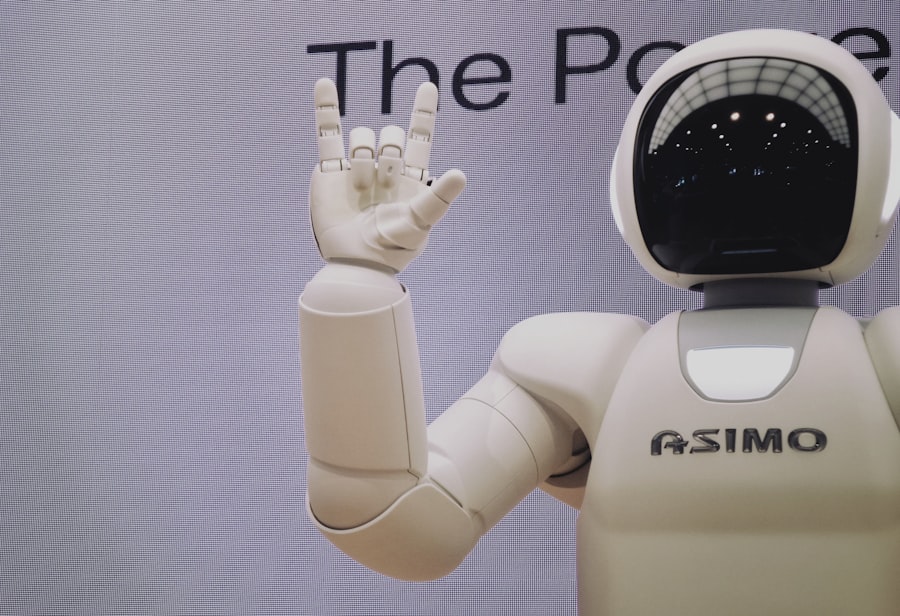
The next decade will witness remarkable advancements in AI technology that will push the boundaries of what machines can achieve. You can expect significant improvements in natural language processing, enabling more sophisticated interactions between humans and machines. Conversational agents will become increasingly adept at understanding context, tone, and even emotions, allowing for more meaningful exchanges.
This evolution will transform customer service experiences, as AI chatbots become capable of handling complex inquiries with a level of empathy previously thought impossible. In addition to language processing, advancements in machine learning algorithms will empower AI systems to analyze vast amounts of data with unprecedented speed and accuracy. As you engage with various platforms—be it social media, e-commerce, or news outlets—AI will curate content tailored specifically to your interests and preferences.
This personalized approach will enhance your online experiences but may also raise questions about information bubbles and the diversity of perspectives you encounter. The challenge will be to strike a balance between personalization and exposure to a wide range of ideas.
Ethical and Privacy Concerns Surrounding AI
As AI becomes more integrated into your life, ethical and privacy concerns will inevitably come to the forefront. You may find yourself questioning how much personal data you are willing to share with AI systems in exchange for convenience. The collection and analysis of data by AI algorithms raise significant privacy issues, as companies seek to monetize user information while ensuring compliance with regulations.
Striking a balance between innovation and privacy protection will be crucial as you navigate this new landscape. Moreover, ethical considerations surrounding AI decision-making processes will become increasingly important. As machines take on roles traditionally held by humans—such as hiring decisions or law enforcement—questions about bias and accountability will arise.
You may wonder how these systems are trained and whether they perpetuate existing inequalities. The next decade will require a collective effort to establish ethical guidelines that govern AI development and deployment, ensuring that technology serves humanity rather than undermines it.
AI in Healthcare and Medicine
In the realm of healthcare, AI is set to revolutionize how you receive medical care and manage your health. With advancements in machine learning and data analysis, AI systems will assist healthcare professionals in diagnosing diseases more accurately and efficiently. Imagine visiting a doctor who utilizes AI algorithms to analyze your medical history and symptoms, leading to quicker diagnoses and personalized treatment plans tailored specifically for you.
Furthermore, AI’s role in predictive analytics will empower you to take charge of your health proactively. Wearable devices equipped with AI technology will monitor vital signs and provide real-time feedback on your well-being. This data-driven approach will enable early detection of potential health issues, allowing for timely interventions that could save lives.
As you embrace these innovations, the relationship between patients and healthcare providers will evolve into a more collaborative partnership focused on prevention and wellness.
AI in Business and Industry
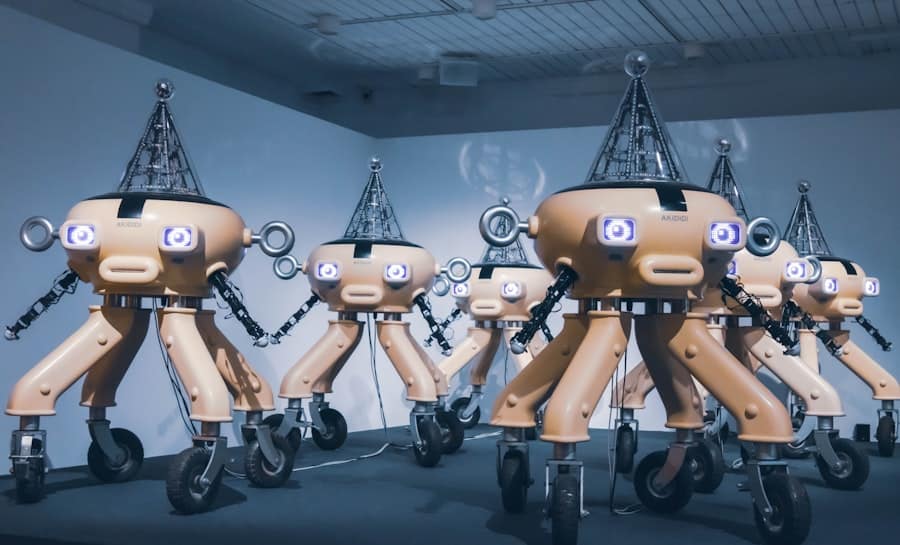
The business landscape is also undergoing a transformation driven by AI technologies that enhance productivity and decision-making processes. As you engage with various industries, you’ll notice how companies leverage AI to streamline operations and improve customer experiences. From supply chain management to marketing strategies, AI algorithms will analyze data patterns to optimize efficiency and drive growth.
In the workplace, automation powered by AI will reshape job roles and responsibilities. While some tasks may become obsolete, new opportunities will emerge as businesses adapt to this technological shift. You may find yourself working alongside intelligent systems that augment your capabilities rather than replace them.
Embracing this change will require a willingness to learn new skills and adapt to evolving job requirements, ultimately leading to a more dynamic workforce.
AI in Education and Learning
Education is another domain where AI is poised to make a significant impact in the coming decade. As you pursue knowledge and skills, AI-driven platforms will offer personalized learning experiences tailored to your unique needs and preferences. Adaptive learning technologies will assess your progress in real-time, adjusting content delivery to ensure optimal comprehension and retention.
Moreover, AI can facilitate access to education for individuals around the globe. Online learning platforms powered by AI algorithms can provide high-quality educational resources to those who may not have access to traditional institutions. This democratization of knowledge has the potential to bridge educational gaps and empower learners from diverse backgrounds.
As you engage with these technologies, you’ll be part of a movement that prioritizes lifelong learning and continuous skill development.
The Future of AI and Human Interaction
As you contemplate the future of AI, one of the most intriguing aspects is its impact on human interaction. While technology has the potential to enhance communication and connectivity, it also raises questions about authenticity and emotional connection. You may find yourself navigating relationships with both humans and machines as they become increasingly intertwined in your daily life.
The challenge lies in maintaining meaningful connections amidst the rise of intelligent systems. As you engage with AI-driven platforms for social interaction or companionship, it’s essential to reflect on what it means to be human in an age where machines can mimic emotions and behaviors. Striking a balance between leveraging technology for convenience while nurturing genuine relationships with others will be crucial as you move forward into this new era.
In conclusion, the next decade promises a profound transformation driven by artificial intelligence that will reshape various aspects of your life. From increased integration into daily routines to advancements in technology that enhance healthcare, business, education, and human interaction, the implications are vast and complex. As you navigate this evolving landscape, embracing both the opportunities and challenges presented by AI will be essential for fostering a future where technology serves humanity’s best interests.
One interesting article related to the Top 10 Predictions for AI in the Next Decade is What is the Most Advanced Human-Like AI?. This article explores the advancements in artificial intelligence that are making machines more human-like in their interactions and capabilities. It delves into the current state of AI technology and the potential for even more advanced human-like AI in the future.
FAQs
What are the top 10 predictions for AI in the next decade?
The article discusses various predictions for the advancements and impact of AI in the next decade, including improvements in healthcare, increased automation in various industries, and the rise of AI-powered personal assistants.
How will AI impact healthcare in the next decade?
The article predicts that AI will play a significant role in improving healthcare by assisting in diagnostics, drug discovery, and personalized medicine. It also suggests that AI will help in managing and analyzing large amounts of medical data.
What industries will see increased automation due to AI in the next decade?
The article suggests that industries such as manufacturing, transportation, and customer service will see increased automation through the use of AI technologies, leading to improved efficiency and productivity.
How will AI-powered personal assistants evolve in the next decade?
The article predicts that AI-powered personal assistants will become more advanced and integrated into various aspects of daily life, providing personalized recommendations and assistance in tasks such as scheduling, shopping, and entertainment.
Will AI have a significant impact on job markets in the next decade?
The article suggests that while AI may lead to the automation of certain jobs, it will also create new opportunities and roles in AI development, data analysis, and other related fields.
What are the potential ethical implications of AI advancements in the next decade?
The article discusses potential ethical concerns related to AI, such as privacy issues, bias in AI algorithms, and the impact of AI on social and economic inequality.
How will AI contribute to environmental sustainability in the next decade?
The article predicts that AI will be used to optimize energy usage, improve resource management, and develop sustainable solutions for environmental challenges, contributing to a more sustainable future.
What role will AI play in the advancement of autonomous vehicles in the next decade?
The article suggests that AI will play a crucial role in the development of autonomous vehicles, enabling advancements in safety, efficiency, and the overall adoption of self-driving technology.
How will AI impact the entertainment and media industry in the next decade?
The article predicts that AI will be used to personalize content recommendations, create immersive experiences, and improve the production and distribution of media and entertainment content.
What are the potential challenges in the widespread adoption of AI in the next decade?
The article discusses potential challenges such as regulatory hurdles, cybersecurity risks, and the need for continued research and development to address the limitations of current AI technologies.