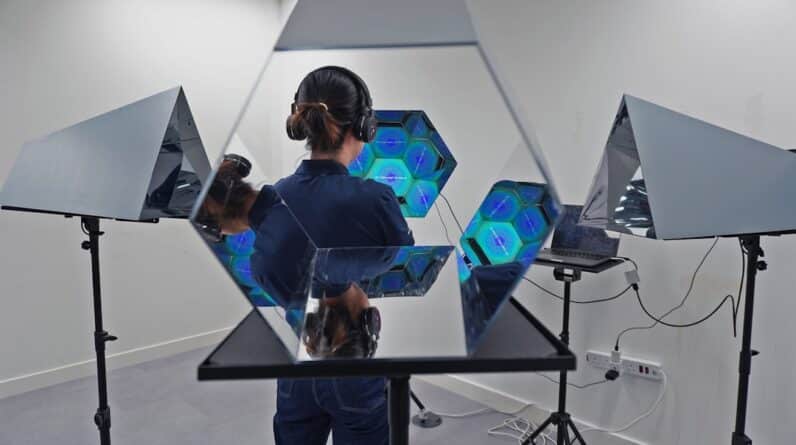
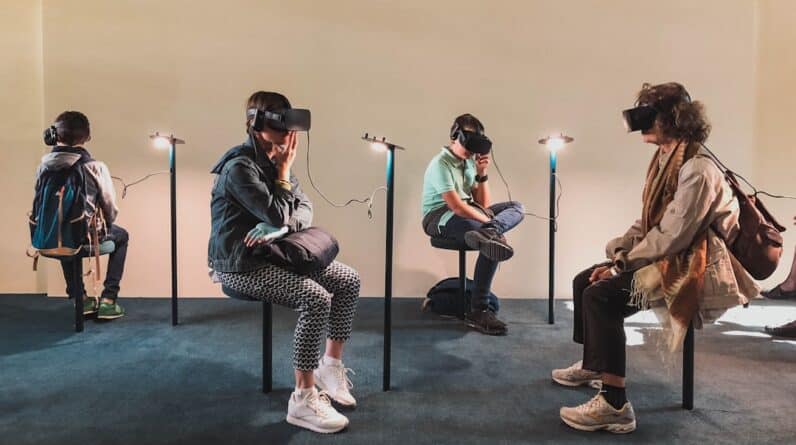
As you step into the world of fitness, you may have noticed a significant transformation in how people approach their health and wellness. Artificial Intelligence (AI) is at the forefront of this revolution, reshaping the landscape of fitness in ways that were once unimaginable. From personalized workout plans to real-time health monitoring, AI is becoming an indispensable tool for fitness enthusiasts and professionals alike.
The integration of AI into fitness not only enhances the effectiveness of training but also makes it more accessible and engaging for individuals at all levels. The rise of AI in fitness is not merely a trend; it represents a fundamental shift in how you can interact with your health. With the ability to analyze vast amounts of data, AI systems can provide insights that were previously only available through extensive research or professional guidance.
This technology empowers you to make informed decisions about your fitness journey, tailoring your experience to meet your unique needs and goals. As you delve deeper into the various applications of AI in fitness, you’ll discover how it can enhance your workouts, optimize your nutrition, and even help prevent injuries.
Key Takeaways
- AI is revolutionizing the fitness industry by providing personalized and data-driven solutions for individuals.
- AI plays a crucial role in creating personalized fitness programs by analyzing data and providing tailored recommendations.
- Wearable fitness devices powered by AI are becoming increasingly popular for tracking and analyzing fitness data.
- AI is being used in nutrition and diet planning to provide personalized meal plans and dietary recommendations.
- Virtual fitness coaching powered by AI is making fitness more accessible and convenient for individuals.
The Role of AI in Personalized Fitness Programs
When it comes to achieving your fitness goals, one size does not fit all. This is where AI shines, offering personalized fitness programs that cater specifically to your individual needs. By analyzing your data—such as age, weight, fitness level, and personal preferences—AI algorithms can create customized workout plans that maximize your potential.
Imagine having a virtual coach that understands your body and adapts your training regimen based on your progress and feedback. Moreover, these personalized programs are not static; they evolve as you do. As you continue to train, AI can assess your performance and adjust your workouts accordingly.
This dynamic approach ensures that you are always challenged and engaged, preventing plateaus and keeping your motivation high. With AI-driven insights, you can focus on the exercises that yield the best results for you, making every minute spent in the gym or on the track count.
AI-Powered Wearable Fitness Devices
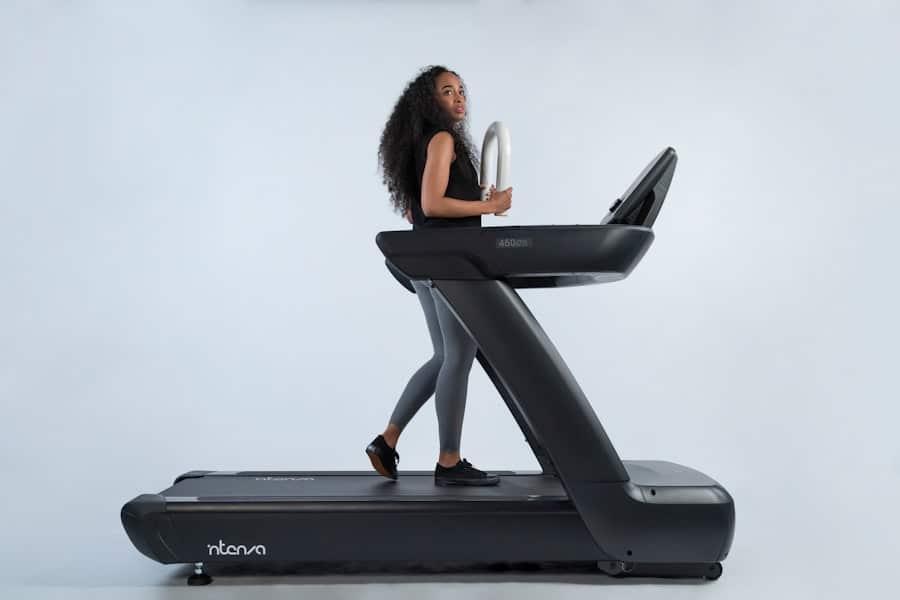
Wearable technology has taken the fitness world by storm, and AI is the engine driving its evolution. Devices like smartwatches and fitness trackers are now equipped with sophisticated AI algorithms that monitor your activity levels, heart rate, sleep patterns, and more. These wearables provide real-time feedback, allowing you to track your progress and make adjustments on the fly.
As you wear these devices during workouts or throughout your daily life, they become invaluable tools for understanding your body’s responses to various stimuli. The data collected by these wearables is not just numbers; it tells a story about your health and fitness journey. With AI analyzing this information, you gain insights into trends and patterns that can inform your training decisions.
For instance, if your wearable detects that your heart rate spikes during certain exercises, it can suggest modifications to optimize your performance. This level of personalization ensures that you are not only working hard but also working smart.
AI in Nutrition and Diet Planning
Nutrition plays a crucial role in any fitness regimen, and AI is stepping in to revolutionize how you approach diet planning. With the help of AI-powered apps and platforms, you can receive tailored meal plans that align with your fitness goals—whether you’re looking to lose weight, build muscle, or maintain a healthy lifestyle. These applications analyze your dietary preferences, nutritional needs, and even local food availability to create a plan that is both practical and effective.
Additionally, AI can help you track your food intake with remarkable accuracy. By using image recognition technology, some apps allow you to simply take a photo of your meal, and the AI will analyze its nutritional content. This feature not only simplifies tracking but also encourages mindfulness about what you’re consuming.
As you become more aware of your eating habits, you can make informed choices that complement your fitness efforts.
The Impact of AI on Virtual Fitness Coaching
The rise of virtual fitness coaching has been accelerated by advancements in AI technology. With the ability to analyze user data and provide real-time feedback, virtual coaches powered by AI offer a level of personalization that traditional coaching methods often lack. You can now access expert guidance from the comfort of your home or wherever you choose to work out.
This flexibility allows you to fit fitness into your busy schedule without sacrificing quality. AI-driven virtual coaching platforms can also simulate a personal trainer’s presence by providing motivation and accountability through reminders and progress tracking. As you engage with these platforms, they adapt to your performance and preferences, ensuring that each session is tailored to meet your evolving needs.
This innovative approach not only makes fitness more accessible but also fosters a sense of community among users who share similar goals.
AI in Health Monitoring and Injury Prevention

Injuries can be a significant setback on your fitness journey, but AI is emerging as a powerful ally in health monitoring and injury prevention. By continuously analyzing data from wearables and other health metrics, AI can identify potential risks before they escalate into serious issues. For instance, if the system detects unusual patterns in your movement or performance—such as decreased strength or increased fatigue—it can alert you to take preventive measures.
Furthermore, AI can assist in rehabilitation by providing personalized recovery plans based on your specific injuries or conditions. By analyzing how your body responds to various exercises during recovery, AI can recommend modifications that promote healing while still allowing you to maintain some level of activity. This proactive approach not only helps you recover faster but also empowers you to take control of your health.
Ethical Considerations of AI in Fitness
As with any technological advancement, the integration of AI into fitness raises important ethical considerations that warrant discussion. One major concern is data privacy; as you share personal information with fitness apps and wearables, it’s crucial to understand how that data is being used and protected. Transparency from companies regarding their data practices is essential for building trust with users like yourself.
Another ethical consideration revolves around accessibility. While AI has the potential to democratize fitness by making personalized training more widely available, there is a risk that those without access to technology may be left behind. Ensuring that everyone has equal opportunities to benefit from these advancements is vital for fostering an inclusive fitness community.
As you navigate this evolving landscape, it’s important to advocate for ethical practices that prioritize user well-being and equitable access.
The Future of AI in Fitness and Health Industry
Looking ahead, the future of AI in the fitness and health industry appears promising and full of potential. As technology continues to advance, we can expect even more sophisticated applications that enhance our understanding of health and wellness. Imagine a world where AI not only personalizes workouts but also predicts health issues before they arise based on genetic data and lifestyle choices.
Moreover, as AI becomes more integrated into our daily lives, it will likely foster greater collaboration between fitness professionals and technology developers. This partnership could lead to innovative solutions that address specific challenges faced by individuals at different stages of their fitness journeys. As you embrace these changes, you’ll find yourself equipped with tools that empower you to achieve optimal health in ways previously thought impossible.
In conclusion, the integration of AI into the fitness industry is transforming how you approach health and wellness. From personalized training programs to advanced health monitoring systems, AI offers unprecedented opportunities for improvement and growth. As this technology continues to evolve, it will undoubtedly shape the future of fitness in ways that enhance not only individual experiences but also community engagement in health initiatives.
Embracing these advancements will allow you to take charge of your fitness journey like never before.
AI in Fitness: A Healthier Future Ahead explores the potential of artificial intelligence in revolutionizing the fitness industry. However, it is important to address the issue of bias in AI systems to ensure fair and neutral outcomes. A related article on this topic can be found at Bias in AI: The Challenge of Building Fair and Neutral Systems. This article delves into the complexities of eliminating bias in AI algorithms to create more equitable solutions.
FAQs
What is AI in fitness?
AI in fitness refers to the use of artificial intelligence technology to improve and enhance various aspects of the fitness industry, including personalized workout plans, virtual coaching, and data analysis for performance optimization.
How does AI benefit the fitness industry?
AI benefits the fitness industry by providing personalized workout plans, real-time feedback, and virtual coaching to users. It also helps in data analysis for performance optimization and predicting potential health issues.
What are some examples of AI in fitness?
Examples of AI in fitness include wearable fitness trackers, virtual personal trainers, AI-powered workout apps, and smart gym equipment that adjust settings based on user performance.
How does AI improve personalized fitness plans?
AI improves personalized fitness plans by analyzing user data, such as activity levels, heart rate, and sleep patterns, to create tailored workout and nutrition plans that align with individual goals and preferences.
Is AI in fitness safe and reliable?
AI in fitness is generally safe and reliable when used properly. However, it is important for users to ensure that the AI technology they are using complies with data privacy and security regulations to protect their personal information.